
The sprawling landscapes of Texas, from its sun-drenched beaches along the Gulf Coast to its rugged western mountains and vibrant metropolitan centers, have long beckoned travelers seeking diverse experiences. Whether planning a luxurious escape to a high-end resort in Dallas, a family road trip through national parks, or a cultural deep-dive into San Antonio‘s historic missions, the Lone Star State offers an unparalleled array of destinations. However, a significant legislative change is poised to reshape a fundamental aspect of vehicle ownership and, by extension, the travel and lifestyle landscape for residents and long-term visitors: the elimination of mandatory annual vehicle safety inspections.
Beginning January 1, 2025, Texas is set to do away with its long-standing requirement for annual safety inspections for most vehicles. This move, while seemingly a minor administrative adjustment, carries far-reaching implications for driver responsibility, road safety, the automotive industry, and the very fabric of travel within the state. For those accustomed to the annual ritual of ensuring their vehicle meets state safety standards, this change marks a notable shift in how Texas approaches vehicle regulation. Understanding the rationale behind this decision, its potential benefits, and its inherent risks is crucial for anyone navigating the roads of the nation’s second-largest state. From budget-conscious travelers seeking to cut down on costs to luxury adventurers prioritizing seamless journeys, the ramifications of this legislative pivot touch every facet of the Texas experience.
The Road Ahead: Understanding the Legislative Shift
The decision to eliminate annual vehicle safety inspections in Texas didn’t materialize overnight; it’s the culmination of years of debate, legislative efforts, and a shifting perspective on regulatory efficacy. For decades, Texas drivers have adhered to a system designed to ensure vehicles on its vast network of highways and scenic routes met minimum safety requirements. This included checks on critical components such as brakes, tires, lights, steering, and other essential systems crucial for safe operation. The upcoming change represents a fundamental re-evaluation of this approach.
Senate Bill 601: The Mechanism of Change
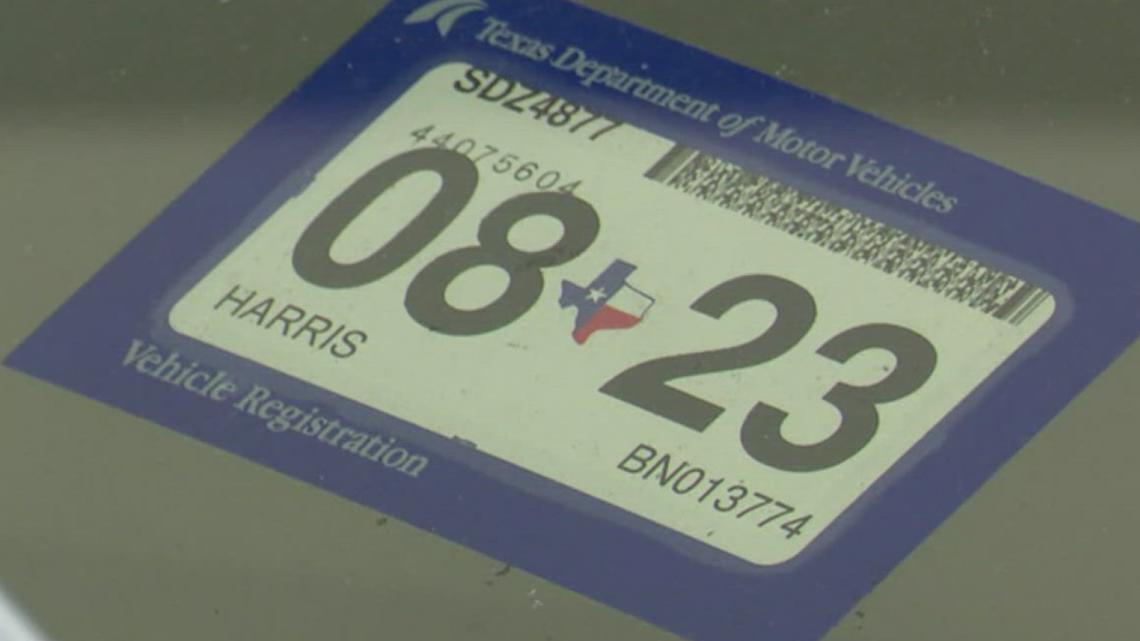
The legislative instrument driving this significant overhaul is Senate Bill 601, passed during the 88th Texas Legislature and signed into law by Governor Greg Abbott. This bill effectively repeals the sections of the Texas Transportation Code that mandate annual safety inspections for non-commercial vehicles. The effective date of this repeal is January 1, 2025, meaning that starting that day, drivers will no longer need to present their vehicles for a state-mandated safety check to renew their registration.
However, it’s crucial to understand that the bill doesn’t eliminate all forms of vehicle inspection. Emissions testing, a separate requirement designed to control air pollution, will remain in effect for vehicles registered in certain urban and highly populated counties. This includes major metropolitan areas like Dallas-Fort Worth, Houston, Austin, and San Antonio, where air quality is a significant concern. For residents and visitors in these regions, the annual emissions test will continue to be a prerequisite for vehicle registration, though the safety inspection component will no longer be required.
The overarching aim, according to proponents, is to streamline the registration process, reduce financial burdens on vehicle owners, and eliminate what many perceive as an outdated and often inconvenient bureaucratic hurdle. This aligns with a broader lifestyle philosophy that champions individual responsibility and minimizes state intervention where possible. For frequent travelers and those considering long-term accommodation in Texas, this change could simplify the logistics of vehicle ownership, allowing more time and resources to be directed towards exploring the state’s countless attractions and landmarks.

Unpacking the Rationale: Economic and Convenience Factors
The decision to eliminate vehicle safety inspections in Texas is rooted in a multi-faceted argument emphasizing economic benefits and enhanced convenience. Proponents of Senate Bill 601 highlight that the current system, while well-intentioned, imposes unnecessary costs and time burdens on citizens without demonstrably improving road safety to a degree that justifies its existence. This argument resonates particularly strongly in a state that values individual freedom and economic efficiency.
A Boost for the Texas Traveler and Resident?
One of the most immediate and tangible benefits cited for the elimination of safety inspections is the direct financial savings for vehicle owners. Each year, Texas drivers pay a fee for the safety inspection, typically ranging from $7 to $25, depending on the type of vehicle and the inspection station. While this amount may seem modest individually, when multiplied by the millions of registered vehicles in Texas, it represents a significant cumulative sum.
For the average Texas resident, these savings, however small, contribute to their overall lifestyle budget. This freed-up capital could theoretically be reallocated to other areas, potentially boosting local economies, including sectors vital to tourism. Imagine a family saving $20 annually per car; over several years, this could contribute to a meal at a popular Austin eatery, a small souvenir from a landmark in Houston, or even a portion of a night’s stay at a modest hotel or accommodation during a weekend getaway. For budget travelers or families managing multiple vehicles, these small savings can add up, making travel within the state slightly more accessible.
Beyond the monetary aspect, the elimination of the annual inspection offers a considerable convenience factor. The process of taking a vehicle to an authorized inspection station, waiting for the check to be completed, and potentially addressing any identified issues consumes valuable time. For busy professionals, families juggling multiple schedules, or even those on extended travel itineraries within Texas, removing this annual chore simplifies vehicle ownership. This newfound freedom directly impacts one’s lifestyle, allowing for more flexibility and reducing administrative hassle. This convenience could, in turn, encourage more spontaneous road trips or longer stays for those exploring the state, as one less logistical hurdle is in the way.
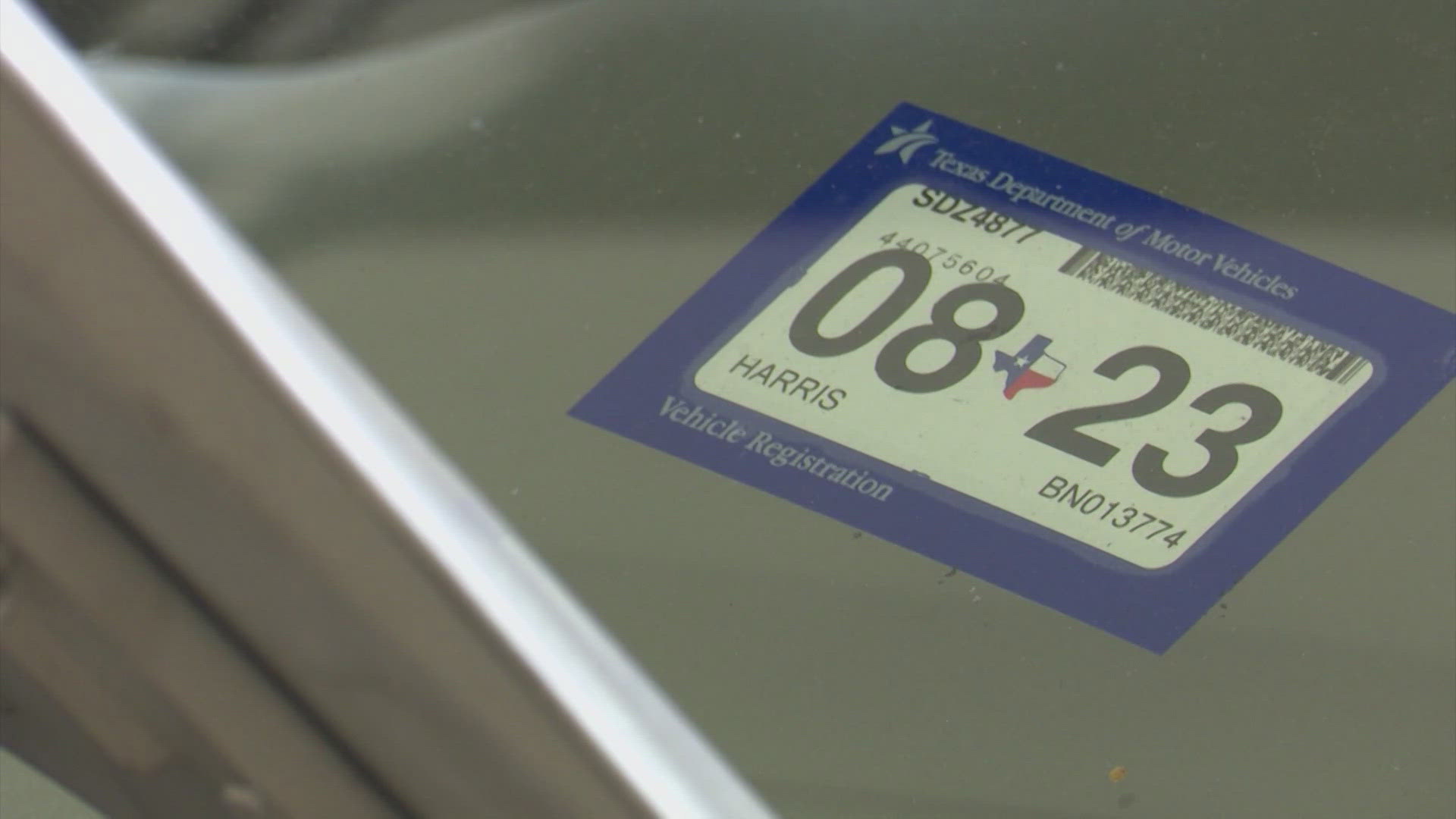
Furthermore, proponents argue that modern vehicles are inherently more reliable and technologically advanced than those of previous decades, equipped with sophisticated safety features that render annual manual inspections less critical. Many believe that the onus of vehicle maintenance should primarily rest with the owner, who is already motivated to keep their vehicle in good working order for their own safety and to avoid costly repairs. The argument posits that eliminating the mandate allows individuals to manage their vehicle maintenance as they see fit, fostering a sense of individual responsibility that aligns with the Texas ethos. This perspective suggests that the market, driven by consumer demand for reliable and safe vehicles, along with personal liability and insurance incentives, is a more effective mechanism for ensuring maintenance than a state-mandated annual check. This shift could implicitly support the burgeoning travel and tourism sectors by removing a perceived impediment to vehicle ownership, potentially encouraging more people to explore the state’s vast offerings with their personal vehicles.
Navigating the Concerns: Safety, Environment, and the Unknown
While the arguments for economic relief and convenience are compelling, the decision to eliminate vehicle safety inspections in Texas is not without its critics and inherent concerns. The primary opposition centers around public safety and the potential environmental repercussions, particularly in a state known for its extensive road network and significant traffic volumes. This debate highlights a delicate balance between individual freedom and collective well-being, directly impacting the perception of travel safety and lifestyle within the state.
The Safety Imperative: A Look at Potential Risks
The most significant concern raised by opponents of Senate Bill 601 is the potential increase in unsafe vehicles on Texas roads. Annual safety inspections, despite their imperfections, served as a mandatory checkpoint for essential vehicle components. These checks often identified critical issues with brakes, tires, steering, lights, and other systems that, if left unaddressed, could lead to accidents. The fear is that without this compulsory annual review, some vehicle owners might neglect necessary maintenance, leading to a proliferation of potentially dangerous vehicles sharing the road with cautious drivers and unsuspecting tourists.
This scenario could have direct implications for travel safety within Texas. Visitors embarking on a long road trip to see iconic landmarks like Big Bend National Park or exploring the vibrant culture of Houston or Austin rely on the general safety of the roads. An increase in breakdowns or accidents due to mechanical failures could detract from the overall travel experience and potentially impact the state’s reputation as a welcoming and safe destination. It could also lead to higher demand for roadside assistance, potentially impacting response times for all motorists.
Furthermore, the argument that modern vehicles are safer and more reliable doesn’t entirely negate the importance of routine checks. Wear and tear, even on newer models, can compromise safety features over time. Tires wear out, brake pads degrade, and lights can fail—all issues that were routinely caught during inspections. Shifting the entire responsibility to the individual owner, while empowering, also places a greater burden on drivers who may not have the expertise or financial means to identify and address these problems proactively. This is a critical consideration for those living a budget travel lifestyle or those who might simply overlook maintenance due to busy schedules. Future travel guides and tourism tips for Texas might need to include stronger recommendations for personal vehicle checks, especially for those planning extensive journeys.
While the safety inspection is being eliminated, it is vital to remember that emissions testing will remain mandatory in 17 specific counties in Texas. These counties, primarily the state’s most populous ones, include the Dallas-Fort Worth metroplex, Houston, Austin, and San Antonio areas. This continuation is a testament to the ongoing concern for air quality in these densely populated regions, where vehicle emissions contribute significantly to smog and other environmental issues. For residents and long-term visitors in these specific areas, the annual requirement to pass an emissions test will still exist, preventing them from escaping all forms of vehicle inspection. This distinction highlights a selective approach to regulation, prioritizing environmental health in critical zones while loosening safety mandates statewide. This nuanced approach impacts the lifestyle and financial obligations differently depending on where one resides or travels within the state.
Broader Implications for Travel and Tourism in Texas
The ripple effects of eliminating safety inspections extend beyond just individual drivers and immediate safety concerns, touching upon the broader tourism and accommodation ecosystem in Texas.
One potential consequence is the change in perception among out-of-state visitors. While Texas is known for its hospitality and welcoming environment, any perceived compromise in road safety could subtly influence travel decisions. For families planning an epic road trip through the American South or international tourists renting a car to explore the state’s landmarks and attractions, the knowledge that a percentage of vehicles on the road may not have undergone recent safety checks could introduce an element of apprehension. This perception, even if statistically unfounded in the long run, could impact the state’s desirability as a premier travel destination.
The automotive service industry within Texas will also feel an impact. Many auto repair shops relied on inspection revenue, which often led to additional service opportunities when issues were identified. The elimination of these inspections could lead to a decline in business for some establishments, potentially affecting local employment and the economic culture of various communities. While proactive maintenance is still necessary, the removal of a mandatory annual check might reduce the frequency of vehicle visits for some owners, potentially shifting the financial landscape for these businesses.
Furthermore, there could be long-term implications for vehicle insurance rates. Insurance companies base their premiums on risk assessments. If data eventually shows an increase in accidents attributable to mechanical failure following the repeal of inspections, insurance providers might adjust premiums upwards for Texas drivers. This would introduce a new financial burden that could offset the initial savings on inspection fees, affecting the lifestyle and budget of all vehicle owners, including those who frequently travel for business or leisure. For businesses in the travel and hospitality sector, understanding these potential shifts is crucial for long-term planning, particularly for their vehicle fleets or any services that rely on local transportation.
A Traveler’s Perspective: Adapting to the New Texas Landscape
For anyone planning to explore the vast and varied wonders of Texas, the elimination of mandatory vehicle safety inspections introduces a new dimension of personal responsibility. While the state is simplifying one aspect of vehicle ownership, the onus for ensuring a safe and smooth journey now rests squarely on the shoulders of the driver. This shift emphasizes proactive maintenance and informed decision-making, crucial for maintaining a desirable lifestyle and ensuring enjoyable travel experiences.
Ensuring Your Journey Remains Smooth and Safe
The cornerstone of adapting to this new landscape is prioritizing personal vehicle maintenance. Even without a state mandate, regular checks and servicing are paramount for safety and reliability, especially when embarking on long-distance road trips across Texas’s expansive highways. Before setting out to visit iconic landmarks like the Alamo in San Antonio, the Space Center Houston, or the natural beauty of Palo Duro Canyon, consider performing a comprehensive pre-trip inspection.
This should include checking tire pressure and tread depth, inspecting brake pads for wear, ensuring all lights (headlights, taillights, turn signals, brake lights) are functioning correctly, topping off fluid levels (oil, coolant, windshield wiper fluid), and checking the battery. These are the same critical components that were historically part of the annual safety inspection. For those less mechanically inclined, a reputable auto service center can perform a pre-trip check-up, offering peace of mind. This proactive approach aligns perfectly with smart travel tips and ensures that your focus remains on the experience rather than unexpected roadside emergencies.
For visitors renting vehicles in Texas, the impact of this legislative change will likely be minimal. Reputable car rental companies adhere to rigorous maintenance schedules for their fleets, irrespective of state inspection requirements. Their business model relies on providing safe and reliable vehicles, so travelers using rental services can generally expect their vehicles to be well-maintained. However, it’s always prudent to do a quick visual check of the rental car’s tires and lights before driving off, just as a general travel best practice.
Ultimately, the goal is for every journey, whether a daily commute or a grand Texas adventure, to be seamless and safe. The elimination of safety inspections means that drivers must take a more active role in advocating for their own safety and the safety of others on the road. This shift encourages a more hands-on approach to vehicle care, a commitment to understanding basic maintenance needs, and the wisdom to seek professional help when necessary. For the discerning traveler seeking accommodation and experiences throughout the Lone Star State, being prepared translates directly into a more enjoyable and worry-free exploration of all that Texas has to offer. This personal responsibility becomes an integral part of the lifestyle of any Texas resident or frequent visitor.
The decision by Texas to eliminate most mandatory annual vehicle safety inspections, effective January 1, 2025, marks a significant philosophical shift in how the state balances individual freedom, economic considerations, and public safety. Driven by arguments of cost savings and enhanced convenience, this legislative change, primarily through Senate Bill 601, aims to reduce the financial and time burdens on millions of vehicle owners. For residents, this means direct monetary savings and fewer bureaucratic hurdles. For travelers and those involved in the tourism industry, it suggests a potentially smoother process for vehicle ownership and operation within the state.
However, this move is not without its critics, who raise valid concerns about potential compromises to road safety. The removal of a mandatory annual safety check places a greater onus on individual vehicle owners to ensure their vehicles are roadworthy, particularly for critical components like brakes and tires. While emissions testing will persist in key urban areas like Dallas-Fort Worth, Houston, and Austin, the broader statewide repeal of safety inspections demands a heightened sense of personal responsibility from every driver.
For those planning to explore the rich tapestry of Texas, from its bustling cities and luxurious hotels to its serene natural landmarks and diverse attractions, this change underscores the importance of proactive vehicle maintenance. Whether embarking on a family trip or a luxury travel adventure, performing thorough pre-trip checks becomes an even more critical travel tip. Ultimately, the goal remains to foster enjoyable, safe, and seamless experiences for everyone traversing the vast and beautiful expanse of the Lone Star State, ensuring that the journey itself remains as rewarding as the destination. The long-term impact of this decision will undoubtedly be a topic of observation, influencing not just Texas lifestyle but potentially setting a precedent for other states considering similar regulatory reforms.
LifeOutOfTheBox is a participant in the Amazon Services LLC Associates Program, an affiliate advertising program designed to provide a means for sites to earn advertising fees by advertising and linking to Amazon.com. Amazon, the Amazon logo, AmazonSupply, and the AmazonSupply logo are trademarks of Amazon.com, Inc. or its affiliates. As an Amazon Associate we earn affiliate commissions from qualifying purchases.