
The vast expanse of Texas, a land of diverse landscapes ranging from arid deserts to lush pine forests, bustling metropolises to serene coastal plains, holds a unique place in the American imagination. Known colloquially and officially as the Lone Star State, its iconic emblem, a single white star set against a field of blue, white, and red, is far more than just a design on a flag. It is a powerful symbol, steeped in the tumultuous and fiercely independent spirit that forged this remarkable region. For travelers, understanding the origin of the Lone Star isn’t merely a history lesson; it’s an essential journey into the heart of Texan culture and identity, enriching every visit to its historical landmarks and vibrant cities.

From the first glimmerings of revolution to its proud status within the United States, the single star has represented the unwavering resolve of a people determined to chart their own course. This article delves deep into the fascinating narrative behind the Lone Star State, exploring the historical events, key figures, and enduring legacy that continue to shape Texas today, inviting visitors to experience its rich past and dynamic present.
A Lone Star Emerges: The Birth of a Republic
The journey to becoming the Lone Star State is rooted in a dramatic period of conflict and self-determination, a testament to the pioneering spirit that defines Texas. To truly grasp the significance of the single star, one must look back to the early 19th century when the region was a frontier territory of Mexico.
Seeds of Revolution: From Mexican Rule to Independence
In the early 1820s, Mexico, newly independent from Spain, sought to populate its northern territories and invited American settlers to establish colonies in Texas. Led by empresarios like Stephen F. Austin, these settlers, primarily from the southern United States, brought with them distinct cultural values, economic practices, and a desire for self-governance. Initially, the arrangement was mutually beneficial, but tensions soon mounted. Differences in language, religion, and legal systems, coupled with growing concerns over tariffs and the Mexican government’s shifting policies on slavery and immigration, fueled discontent.
The pivotal moment arrived in the mid-11830s when Mexican President Antonio López de Santa Anna abolished the Mexican Constitution of 1824 and imposed a more centralized, authoritarian rule. This act ignited the flames of rebellion among the Texian settlers, who saw their rights and autonomy threatened. What began as a plea for constitutional restoration quickly escalated into a full-blown demand for independence.
The Fight for Freedom: Key Battles and Figures
The Texas Revolution was a series of defining moments, each contributing to the legend of the Lone Star. The first shot fired in the conflict occurred in Gonzales in October 1835, when Mexican soldiers attempted to reclaim a cannon gifted to the town. The Texians defiantly raised a flag emblazoned with a cannon and the words “Come and Take It,” marking the beginning of their armed struggle.
Perhaps the most famous and tragic chapter of the revolution unfolded at the Alamo in San Antonio in March 1836. A small force of Texian defenders, including legendary figures like Davy Crockett, James Bowie, and William B. Travis, held out heroically for 13 days against Santa Anna’s overwhelming army. Though ultimately defeated with all combatants killed, their sacrifice became a rallying cry: “Remember the Alamo!” This heroic stand, along with the subsequent massacre of Texian soldiers at Goliad, galvanized the independence movement.
The revolution culminated on April 21, 1836, at the Battle of San Jacinto. Under the brilliant leadership of General Sam Houston, the Texian army launched a surprise attack, decisively defeating Santa Anna’s forces in a mere 18 minutes. Santa Anna himself was captured, leading to the signing of treaties that recognized Texas’s independence.
Forging a Nation: The Republic of Texas and Its Flag
With independence secured, the newly formed nation adopted its own constitution and elected Sam Houston as its first president. This period, from 1836 to 1845, saw Texas exist as an independent country: the Republic of Texas. It was during this time that the iconic Lone Star Flag was officially adopted on January 25, 1839.
Designed by Charles B. Stewart, the flag featured a broad vertical blue stripe at the hoist, containing a single white star, and two horizontal stripes of equal width – white above red – in the fly. Each element of the flag was imbued with deep symbolism:
- The Single White Star: This is the heart of the “Lone Star” identity. It represented Texas’s unity as one indivisible republic, a unique entity standing alone and independent, yet also holding out the hope of eventual annexation into the United States. It symbolized courage, determination, and the fierce individualism of the Texian people.
- The Blue Stripe: Symbolized loyalty and fidelity, reflecting the commitment of the settlers to their new nation.
- The White Stripe: Represented purity and liberty, ideals for which so many had fought and died.
- The Red Stripe: Stood for bravery and courage, honoring the sacrifices made during the revolution.
This flag, flying proudly over the nascent republic, became the visual embodiment of Texas’s independent spirit and its aspiration to stand as a sovereign nation.
The Star’s Enduring Legacy: From Republic to Statehood
The existence of the Republic of Texas was relatively brief, yet its impact on the state’s identity is immeasurable. The Lone Star, conceived during this independent era, would continue to shine brightly, even as Texas joined the larger American constellation.
The Path to Annexation: Joining the Union
Despite its hard-won independence, the Republic of Texas faced significant challenges. Economic instability, ongoing conflicts with Mexico, and the constant threat of renewed hostilities made a lasting independent existence precarious. Many Texans, including Sam Houston, favored annexation by the United States.
However, annexation was a contentious issue within the United States, primarily due to the deeply divisive question of slavery. Admitting Texas as a slave state would upset the delicate balance of power between free and slave states in the U.S. Congress. It wasn’t until the election of James K. Polk in 1844, who ran on an expansionist platform, that the political will for annexation solidified.
On December 29, 1845, Texas officially became the 28th state of the United States. This momentous decision, while ending its nine-year run as an independent nation, did not diminish the symbolism of the Lone Star. Rather, it solidified it, transforming a national emblem into a potent state symbol.
A Symbol Preserved: The Lone Star Flag Today
When Texas joined the United States, it did so with a unique distinction: it retained the right to fly its former national flag as the state flag. This act underscored the special circumstances of its entry into the Union and acknowledged its proud history as a sovereign republic. The design of the Lone Star Flag remained unchanged, immortalizing the original aspirations and sacrifices of the Texian revolutionaries.
Today, the Lone Star Flag is not just a piece of fabric; it’s a testament to Texas’s enduring identity, its fiercely independent spirit, and its rich historical narrative. It flies prominently over the Texas State Capitol in Austin, at historical sites, and in the hearts of Texans worldwide. The star symbolizes the state’s storied past, its distinct culture, and its singular place within the American mosaic. It serves as a reminder that Texas was once a nation unto itself, a powerful legacy that continues to shape its character and appeal to visitors.
Experiencing the Lone Star Legacy: Travel and Tourism in Texas
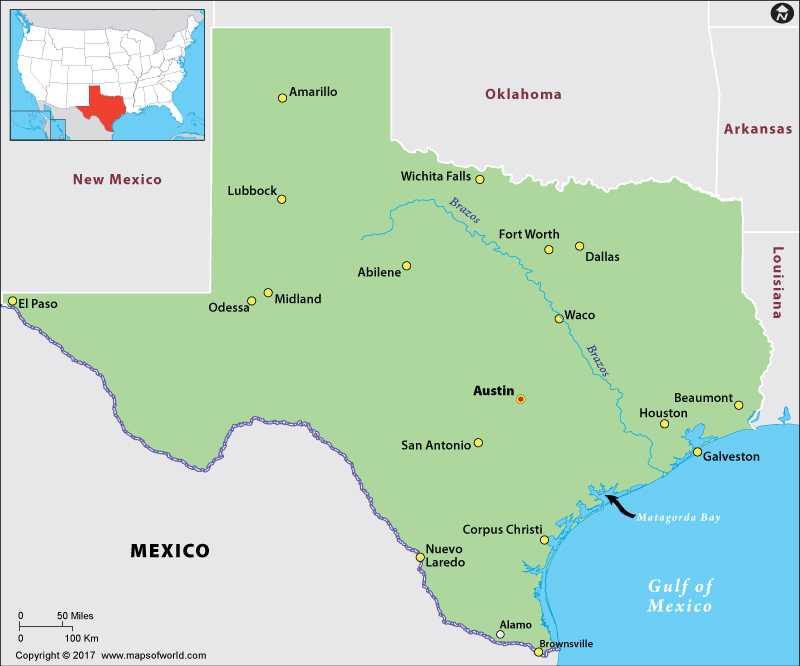
For those planning a trip to the Lone Star State, understanding its history transforms a simple vacation into an immersive cultural experience. The echoes of revolution and independence resonate across its landscapes, from historic battlefields to vibrant modern cities. Texas offers an unparalleled blend of history, local culture, and contemporary attractions, making it a premier destination for every type of traveler.
Iconic Landmarks and Historical Sites
To truly connect with the Lone Star legacy, a visit to Texas’s historical sites is essential. These landmarks are not just static museums; they are living testaments to the events that shaped the state.
- The Alamo in San Antonio: No visit to Texas is complete without a pilgrimage to the Alamo. This mission-turned-fortress stands as a powerful symbol of courage and sacrifice. Walk through its hallowed grounds, explore the chapel and barracks, and reflect on the bravery of its defenders. The Alamo is the cornerstone of San Antonio’s rich historical offerings and an unforgettable experience.
- San Jacinto Battleground State Historic Site: Located near Houston, this site marks the location of the decisive Battle of San Jacinto. Ascend the San Jacinto Monument, the tallest stone column monument in the world, for panoramic views of the battlefield and the surrounding area. The museum at its base offers detailed exhibits on the battle and the Texas Revolution.
- Washington-on-the-Brazos State Historic Site: Known as the “Birthplace of Texas,” it was here that the Declaration of Independence for Texas was signed and the constitution of the Republic of Texas was adopted in 1836. Visitors can explore a replica of the building where these historic events occurred, witness living history demonstrations, and immerse themselves in the early days of the republic.
- Presidio La Bahía and Goliad State Park: Near the town of Goliad, these sites commemorate another tragic yet significant event of the revolution: the Goliad Massacre. The beautifully restored Spanish fort of Presidio La Bahía offers a poignant look into the colonial and revolutionary past of Texas.
- Texas State Capitol in Austin: An architectural marvel, the Texas State Capitol building in Austin is taller than the U.S. Capitol and an impressive symbol of state pride. Take a guided tour to learn about Texas’s government and history, and admire the grandeur of its design.
Cities That Tell a Story
Texas’s major cities are not just modern hubs; they are vibrant repositories of its historical narrative, blending the past with contemporary experiences.
- San Antonio: Beyond the Alamo, San Antonio is a city rich in colonial heritage. Stroll along the enchanting San Antonio River Walk, explore the historic Spanish Colonial Missions (a UNESCO World Heritage Site), and savor the authentic Tex-Mex cuisine. It’s a city where history is palpable at every turn, offering myriad accommodation options from charming boutique hotels to luxurious resorts.
- Austin: The state capital, Austin, embodies the “Keep Austin Weird” motto while proudly showcasing its historical significance. Visit the Texas State Capitol, explore the numerous museums, and enjoy the vibrant live music scene that pulses through the city. Its lifestyle is a unique blend of laid-back charm and progressive energy.
- Houston: As Texas’s largest city, Houston is a global hub for energy and space exploration. While its history is more industrial and scientific, the nearby San Jacinto Battleground grounds it firmly in the state’s revolutionary past. Don’t miss the NASA Johnson Space Center for a glimpse into humanity’s future endeavors, a testament to the continuous frontier spirit of Texas.
- Dallas: A city of modern skyscrapers and Western heritage, Dallas offers a diverse range of attractions. Explore the Sixth Floor Museum at Dealey Plaza to learn about the assassination of President John F. Kennedy, visit the Dallas Arts District, and experience the upscale lifestyle and renowned shopping opportunities.

Immerse in Texan Culture and Lifestyle
Beyond the historical sites, the Lone Star spirit is woven into the very fabric of Texan culture and lifestyle.
- Culinary Adventures: Texas cuisine is a destination in itself. From mouth-watering Texas BBQ, slow-smoked to perfection, to the vibrant flavors of Tex-Mex that blend Mexican culinary traditions with American ingredients, the food tells a story of cultural fusion. Explore local eateries and food festivals across the state.
- Music and Arts: Texas has a legendary music scene, particularly in Austin, the “Live Music Capital of the World.” From country and blues to rock and folk, the state’s diverse musical heritage reflects its varied cultural influences. Art galleries, theaters, and performance venues abound in cities like Houston and Dallas, offering a rich tapestry of experiences.
- Outdoor Adventures: The spirit of independence is also reflected in Texas’s vast natural beauty. Explore the rugged desert landscapes of Big Bend National Park, hike the peaks of Guadalupe Mountains National Park, or relax on the sandy shores of South Padre Island. These natural attractions provide a backdrop to the state’s enduring allure.
- Hospitality and Charm: Texan hospitality is renowned. Whether you’re staying in a luxurious suite at a Dallas hotel, a charming bed and breakfast in Fredericksburg, or a family-friendly resort near Grapevine, you’ll encounter a warm welcome that reflects the state’s proud traditions.
In conclusion, the question “Why is Texas the Lone Star State?” is a gateway to understanding one of America’s most distinctive and captivating regions. It’s a story of courage, sacrifice, and an unyielding desire for freedom that resonates through every city block and open range. For travelers, this rich history provides a profound context for exploring its diverse destinations, enjoying its unique culture, and appreciating the enduring spirit that makes Texas truly one of a kind. Plan your visit to the Lone Star State and discover its captivating story for yourself – it promises an unforgettable journey filled with history, adventure, and genuine Texan hospitality.