
The Lone Star State. It’s a nickname that evokes images of sprawling ranches, vast open skies, and a spirit as indomitable as its size. But just how big is Texas, and more importantly, why? This colossal state, larger than many European countries, offers an unparalleled diversity of landscapes, cultures, and experiences, making it a perennial favorite for travel and tourism. From the shimmering shores of the Gulf of Mexico to the rugged terrains of West Texas, its sheer scale is a fundamental aspect of its identity, shaping its history, its economy, and the very way of life for its inhabitants.
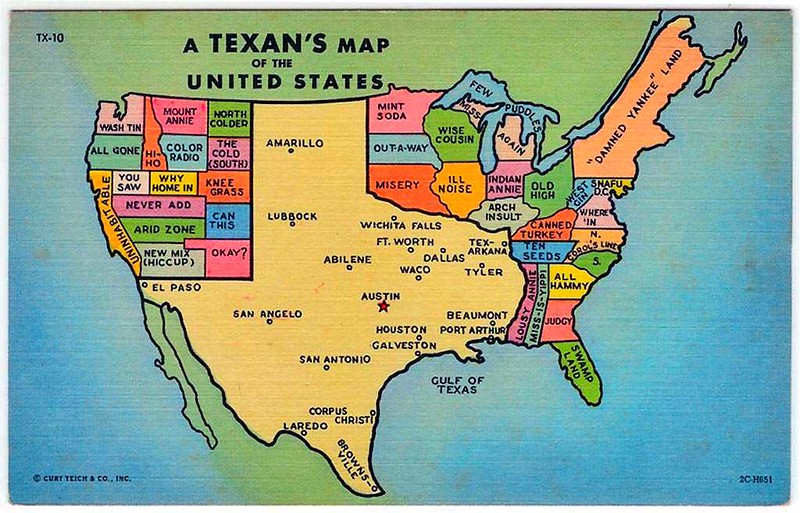
A Colossus Forged in History
The immense size of Texas isn’t a happy accident of nature; it’s a direct consequence of its rich and tumultuous history. To understand Texas‘s bigness, we must delve into its origins as a sovereign nation and its subsequent incorporation into the United States.
The Birth of a Republic: Independence and Expansion
Before it was a state, Texas was an independent republic. In 1836, after years of struggle, Texans declared independence from Mexico. This newly formed Republic of Texas was vast, encompassing territories that would later form parts of New Mexico, Colorado, Wyoming, Kansas, and Oklahoma. The ambition of the Republic was to secure and expand its borders, a desire rooted in the belief of manifest destiny and a need for a strong, defensible territory.
The early years of the Republic were marked by attempts to define and solidify its boundaries, particularly with Mexico, which did not readily acknowledge its independence. The vastness of the claim was a source of both pride and significant diplomatic and military challenge. When Texas eventually voted for annexation by the United States in 1845, it brought with it these considerable territorial claims, many of which were recognized and incorporated into the eventual state borders. The Mexican-American War (1846-1848) further solidified these claims, with the Treaty of Guadalupe Hidalgo ceding a massive territory to the United States, a significant portion of which became integral to Texas.
Statehood and the Frontier Spirit
Upon joining the Union, Texas retained significant control over its public lands, a unique privilege granted during annexation. This autonomy allowed the state to manage its own resources and development, fostering a spirit of self-reliance that is still palpable today. The vast expanses of land were instrumental in the rise of the iconic Texas cattle industry. Ranchers, with their legendary drive and determination, managed enormous ranches, moving vast herds across the open range. This era cemented the image of Texas as a land of boundless opportunity, where land was plentiful and the frontier was ripe for settlement.
The sheer scale of Texas also dictated its infrastructure development. Building roads, railroads, and communication lines across such a large area was an immense undertaking. This challenge fostered innovation and a persistent drive to connect the disparate corners of the state. The legacy of this frontier spirit, of overcoming vast distances and forging a new destiny, is deeply ingrained in the Texas identity. It’s a spirit that continues to attract travelers seeking authentic American experiences and lifestyle adventures.
Geographical and Environmental Diversity: A State of Many Worlds
The size of Texas is not merely a matter of political history; it translates into an astonishing diversity of geographical features and ecosystems, offering a rich tapestry for travelers and those interested in nature and landmarks.
From Coastal Plains to Mountain Ranges
Texas can be broadly divided into several distinct geographical regions, each with its own unique character.

-
The Gulf Coast Plains: Stretching along the Gulf of Mexico, this region is characterized by its warm, humid climate, fertile soil, and extensive wetlands. It’s a hub for the state’s petroleum industry and boasts vibrant cities like Houston and Corpus Christi. For travelers, the coast offers sandy beaches, abundant wildlife, and opportunities for water sports and fishing. Galveston Island and the ** Padre Island National Seashore** are popular attractions for those seeking sun and sea.
-
The South Texas Plains: Further inland, this region becomes drier and more arid, transitioning into brush country. It’s known for its citrus groves and a unique blend of American and Mexican cultures, particularly in cities like San Antonio and Laredo. The Rio Grande Valley is a significant agricultural area and a gateway to Mexico.
-
The Edwards Plateau: This is a rugged, hilly region in the heart of Texas, characterized by limestone outcroppings, underground springs, and the famous Texas Hill Country. Cities like Austin and Fredericksburg are nestled within this picturesque landscape, offering wineries, live music venues, and charming small towns. It’s a prime destination for local culture and experiences.
-
The North Central Plains: This area features rolling prairies and a more temperate climate, supporting extensive agriculture and ranching. It is home to Dallas and Fort Worth, forming the bustling Dallas-Fort Worth Metroplex, a major center for business and lifestyle.
-
The Panhandle Plains: This high, flat plateau in the northernmost part of Texas is known for its wind-swept plains and dramatic geological formations, such as Palo Duro Canyon State Park, the “Grand Canyon of Texas.” It’s a land of wide-open spaces and a rugged, independent spirit.
-
The Trans-Pecos Region: This is the most mountainous and arid part of Texas, bordering New Mexico and Mexico. It encompasses the Chihuahuan Desert and boasts spectacular mountain ranges like the Guadalupe Mountains, home to Guadalupe Peak, the highest point in Texas. The Big Bend National Park is a crown jewel of this region, offering unparalleled opportunities for hiking, stargazing, and exploring a truly wild landscape. This region embodies the essence of nature landmarks.
This geographical mosaic means that Texas offers a staggering array of experiences. One can explore the vibrant arts scene and culinary delights of Austin, delve into the rich history of San Antonio at The Alamo, experience the sophisticated urban lifestyle of Dallas, or lose themselves in the awe-inspiring natural beauty of Big Bend. The diversity ensures that whether you’re seeking luxury travel, budget travel, or family trips, Texas has something to offer.
Infrastructure and Connectivity: Bridging the Vastness
The sheer size of Texas presents a constant challenge and opportunity for its accommodation and travel industries. Developing and maintaining the infrastructure to connect its sprawling cities and remote attractions is a monumental task, but one that has been met with characteristic Texas ambition.
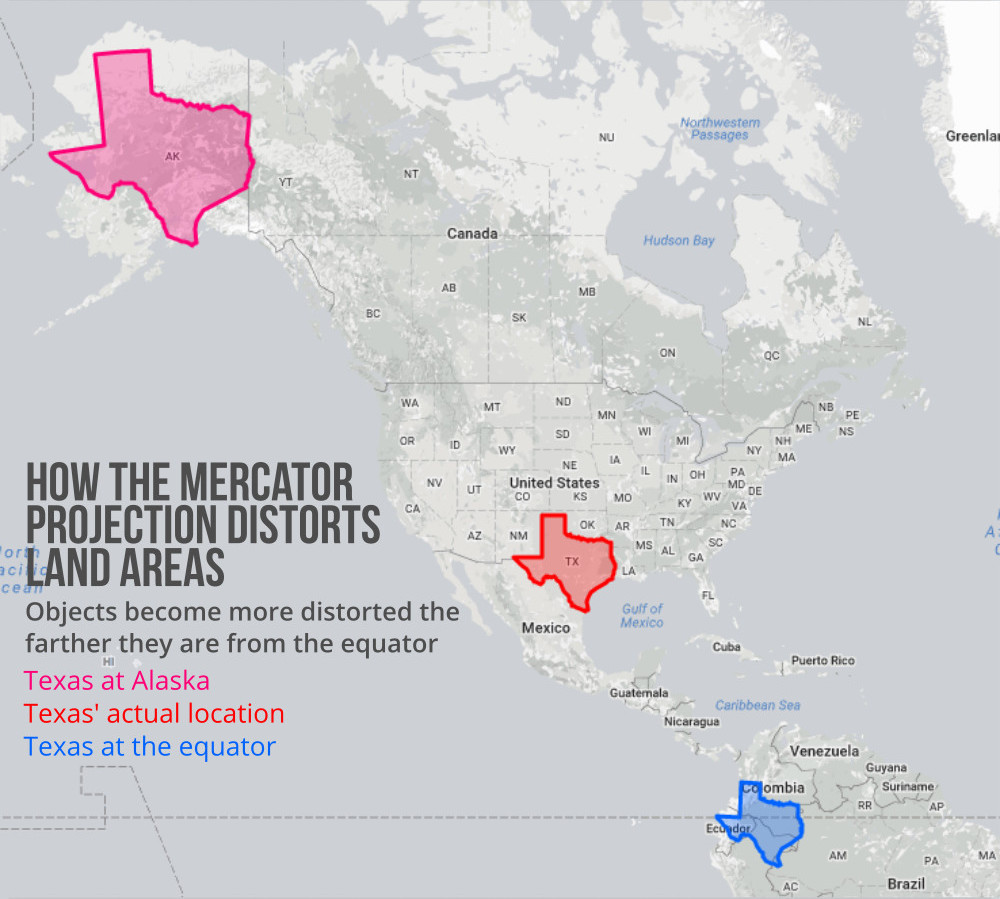
Navigating the Lone Star State
Texas boasts an extensive network of highways, including numerous interstate routes, that crisscross the state, making it possible to drive from one end to the other. While a road trip across Texas can take several days, the journey itself is an integral part of the experience. Along the way, travelers can discover roadside diners, unique attractions, and the ever-changing Texas scenery.
For those with less time, Texas is served by several major airports, with Dallas/Fort Worth International Airport (DFW) and George Bush Intercontinental Airport (IAH) in Houston being among the busiest in the world. These hubs connect Texas to national and international destinations, making it accessible for both business and leisure travelers. Within the state, a network of smaller airports facilitates regional travel, helping to bridge the distances between cities and popular destinations.
The development of accommodation options has also been shaped by the state’s size. From the grand resorts of the Hill Country to boutique hotels in vibrant city centers and more rustic lodges near national parks, the variety caters to every lifestyle. Booking and comparison websites are essential tools for navigating the multitude of hotels, suites, apartments, and villas available. Long-term stay options are also plentiful, catering to those who wish to immerse themselves in a particular Texas city or region.
The sheer scale of Texas is more than just a geographical fact; it’s a defining characteristic that permeates every aspect of its existence. It’s a state of grand horizons, both literally and figuratively, offering endless possibilities for exploration, discovery, and adventure. Whether you’re drawn by its rich history, its diverse landscapes, or its unique lifestyle, the vastness of Texas promises an unforgettable experience. It is a destination that truly lives up to its legendary status, inviting you to explore its many wonders, one magnificent mile at a time.
LifeOutOfTheBox is a participant in the Amazon Services LLC Associates Program, an affiliate advertising program designed to provide a means for sites to earn advertising fees by advertising and linking to Amazon.com. Amazon, the Amazon logo, AmazonSupply, and the AmazonSupply logo are trademarks of Amazon.com, Inc. or its affiliates. As an Amazon Associate we earn affiliate commissions from qualifying purchases.