
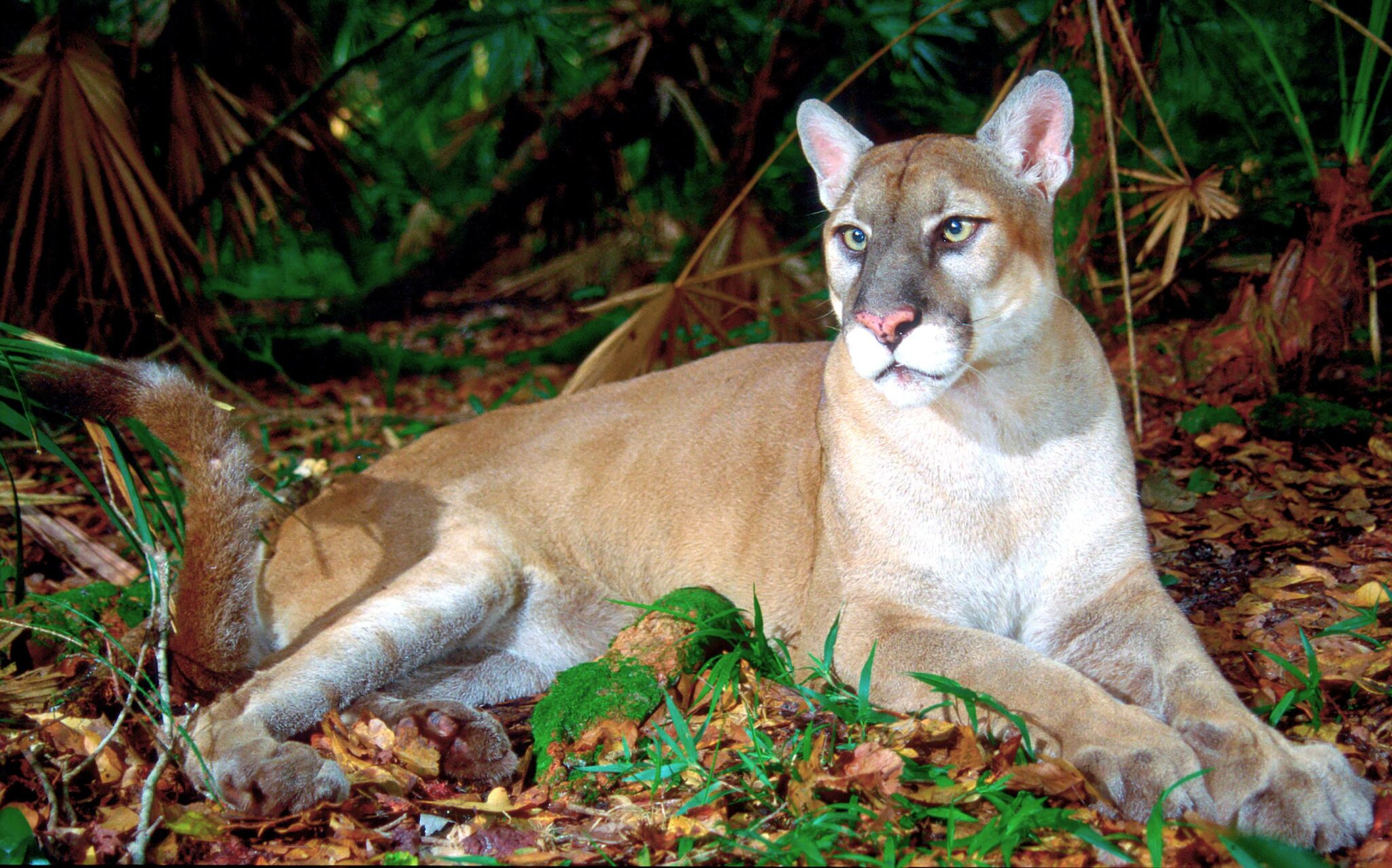
The Florida Panther stands as one of the most enigmatic and vulnerable natural landmarks of the Southeastern United States. As the state animal of Florida, this majestic feline is more than just a biological entity; it is a living symbol of the wild, untamed history of the North America continent. Once roaming freely across a territory that spanned from Arkansas and Louisiana to Georgia and South Carolina, the panther’s domain has been drastically reduced. Today, the remaining population is largely confined to the southwestern tip of the Florida peninsula, struggling to survive within the protective boundaries of Everglades National Park and Big Cypress National Preserve. The story of its endangerment is a complex narrative of historical persecution, habitat loss, and the modern challenges of living in one of the fastest-growing regions in the United States.
The Historical Decline of a Southern Icon
The journey toward endangerment for the Florida Panther began shortly after European settlement in North America. Historically, the panther was viewed not as a vital component of the ecosystem, but as a threat to livestock and human safety. This perspective led to centuries of relentless hunting and systematic eradication efforts.
The Era of Bounties and Persecution
In the 1800s and early 1900s, the Florida Panther was treated as a “varmint.” In 1832, a bounty was placed on panthers in Florida, encouraging settlers to kill them on sight. This era of unchecked hunting decimated the population. By the mid-20th century, the species had been pushed to the brink of extinction. The predator that once commanded the forests of Mississippi and Alabama was suddenly absent from the landscape, leaving only a tiny, isolated group in the remote swamps of South Florida.
Early Recognition and Protection
It wasn’t until 1958 that the Florida state legislature removed the panther from the list of species that could be legally hunted. By 1967, the U.S. Fish and Wildlife Service officially listed the panther as an endangered species. However, by this point, the damage to the population’s numbers and genetic diversity was already severe. The panther became one of the first species to be protected under the Endangered Species Act of 1973, a landmark piece of legislation that aimed to prevent the total loss of America’s most iconic wildlife.
Habitat Fragmentation and the Cost of Development
Perhaps the most significant reason for the continued endangerment of the Florida Panther is the loss and fragmentation of its natural habitat. As a wide-ranging apex predator, a single male panther requires up to 200 square miles of territory to hunt, mate, and thrive. The rapid transformation of Florida from a wilderness to a hub of agriculture and urban centers has physically squeezed the panther out of existence.
Urban Sprawl and Agriculture
The development of cities like Miami, Naples, and Fort Myers has created a concrete barrier that restricts the panther’s movement. As residential communities and commercial shopping centers expand further into the interior of Collier County and Lee County, the native pine rocklands and hardwood hammocks that the panther calls home are cleared. Furthermore, the conversion of land for agricultural use, particularly citrus groves and cattle ranches, has altered the landscape. While some panthers can navigate ranch lands, the intensity of modern agriculture often leaves little room for a predator of this size.
The Caloosahatchee River Barrier
A major geographical bottleneck for the panther is the Caloosahatchee River. This waterway, which runs from Lake Okeechobee to the Gulf of Mexico, acts as a northern boundary that has historically prevented the population from expanding back into Central Florida. For decades, the breeding population was trapped south of the river. It was only recently that females were documented crossing to the north, a small but significant step toward reclaiming their historical range.
The Genetic Crisis and the Path to Recovery

By the late 1980s, the Florida Panther faced an internal threat just as dangerous as habitat loss: a genetic bottleneck. With only an estimated 20 to 30 individuals left in the wild, the population was suffering from the effects of inbreeding.
Signs of Genetic Decay
Biologists working in the Fakahatchee Strand Preserve State Park and the surrounding areas began to notice alarming physical defects in the remaining panthers. These included kinked tails, undescended testes in males, and heart defects. These traits were clear indicators that the population lacked the genetic diversity necessary to survive in the long term. Without intervention, the Florida Panther was on a fast track toward extinction due to reproductive failure.
The Texas Cougar Intervention
In a bold and controversial move in 1995, the Florida Fish and Wildlife Conservation Commission introduced eight female cougars from Texas into the South Florida wilderness. Since the Texas Cougar is a closely related subspecies, the goal was to “infuse” the Florida population with fresh genetic material. This experiment, known as the genetic restoration program, was a resounding success. The offspring of these cats were healthier, and the population began to rebound. While this saved the species from immediate collapse, the panther remains endangered because its numbers are still far below the thresholds required for a self-sustaining, resilient population.
Infrastructure and the Physical Perils of Modern Florida
Even with improved genetics, the Florida Panther faces a lethal daily challenge: the vast network of roads that crisscross the state. In the modern era, vehicular strikes have become the leading cause of human-related panther mortality.
The Danger of Alligator Alley
Alligator Alley, the stretch of I-75 that connects the east and west coasts of Florida, was once a death trap for panthers. As these cats move across the landscape in search of food or mates, they are forced to cross high-speed highways. Every year, dozens of panthers are killed on roads like Tamiami Trail and State Road 29. These losses are particularly devastating because they often involve young males looking for new territory or breeding-age females.
Wildlife Underpasses and Fencing
To combat this, the state of Florida has invested in specialized infrastructure. Wildlife underpasses have been constructed beneath major highways, allowing panthers and other animals to pass safely under the road. Combined with high fencing that directs animals toward these crossings, these measures have saved countless panthers. However, as new roads are proposed to accommodate the growing population of South Florida, the threat remains constant. Each new road acts as a “hard edge” that further fragments the already limited wilderness of the Big Cypress National Preserve.
Preserving the Future of the Everglades Landmark
The survival of the Florida Panther is intrinsically tied to the preservation of the Florida Everglades ecosystem. As a “landmarked” species, its presence indicates the health of the entire environment. If the panther has enough space to survive, it means the wetlands, deer populations, and water quality of the region are also being maintained.
The Role of National Wildlife Refuges
Dedicated spaces like the Florida Panther National Wildlife Refuge are essential to the panther’s recovery. Established in 1989, this refuge protects 26,400 acres of prime habitat specifically for the panther. It serves as a sanctuary where the cats can live with minimal human interference. When combined with the massive expanses of the Everglades National Park, these protected lands form the backbone of the panther’s remaining world.

The Challenge of Coexistence
The final hurdle in the panther’s journey is the challenge of coexistence with humans. As panthers expand their range into more populated areas of Central Florida, interactions with people are becoming more frequent. Educational programs aimed at residents of rural Florida are crucial. Protecting livestock with predator-resistant pens and understanding panther behavior are necessary steps for a future where humans and panthers can share the same landscape.
The Florida Panther remains endangered because it is a wide-ranging animal in a world that is rapidly shrinking. Its struggle is a reflection of the larger environmental challenges facing North America. From the historical bounties of the 19th century to the bustling traffic of Alligator Alley, the panther has survived against incredible odds. Protecting this natural landmark requires not just biological management, but a commitment to preserving the very character of the Florida wilderness for generations to come. Without the panther, the Everglades would lose its most potent symbol of resilience and its most significant link to the wild history of the United States.
LifeOutOfTheBox is a participant in the Amazon Services LLC Associates Program, an affiliate advertising program designed to provide a means for sites to earn advertising fees by advertising and linking to Amazon.com. Amazon, the Amazon logo, AmazonSupply, and the AmazonSupply logo are trademarks of Amazon.com, Inc. or its affiliates. As an Amazon Associate we earn affiliate commissions from qualifying purchases.