
When visitors walk the streets of Miami, they are often struck by the city’s vibrant tapestry of culture, sports, and history. Among the various monuments and nods to local legends, one specific number stands out with an air of reverence: 23. While basketball fans across the globe immediately associate this number with Michael Jordan, the context in South Florida is uniquely significant. The retirement of the number 23 by the Miami Heat is a fascinating case study in sports culture and civic pride, serving as a testament to the intersection of global icons and local heritage.

A Tribute to Greatness: The Jordan Connection
The retirement of a jersey number is typically reserved for players who have spent years building a legacy with a specific franchise. However, the story behind why the American Airlines Arena — now the Kaseya Center — hangs a number 23 jersey in its rafters is entirely unprecedented.
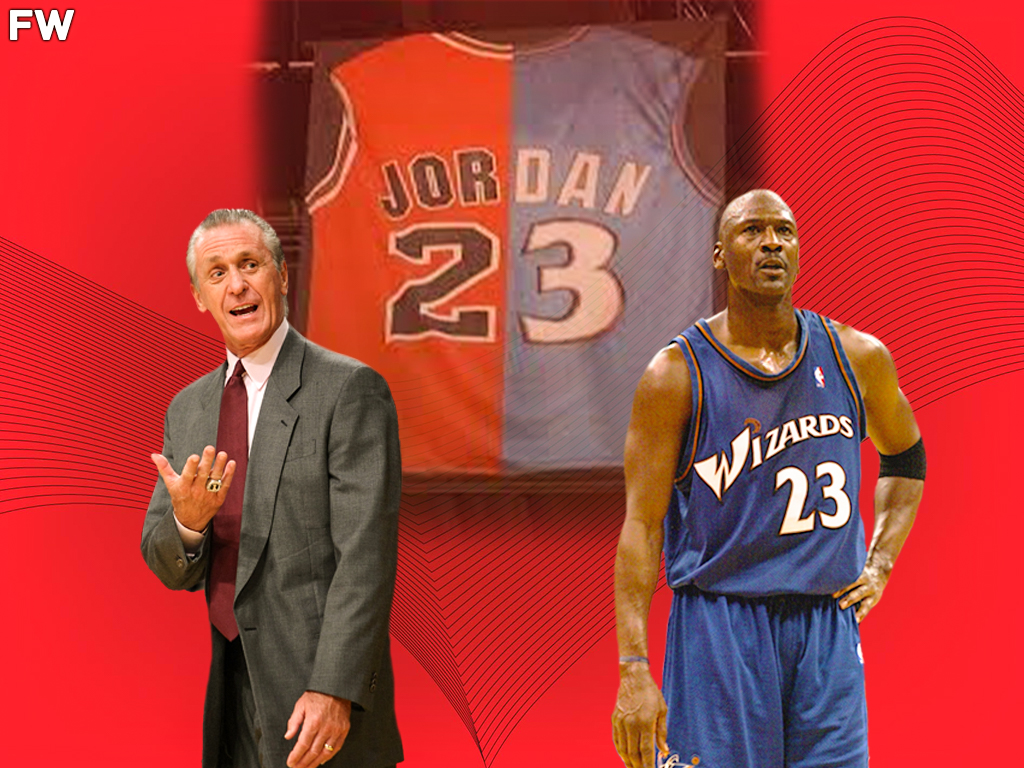
In April 2003, Pat Riley, the legendary coach and executive of the Miami Heat, made a historic announcement. He declared that the number 23 would be retired by the organization, not to honor a player who had worn the white, red, and black of the Heat, but to honor the greatest player to ever grace the hardwood.
Why Miami Honored an Outsider
At the time, the decision was met with both confusion and admiration. It was the first time in National Basketball Association history that a team retired the jersey of a player who never played for them. Riley, having coached against Jordan during the intense New York Knicks versus Chicago Bulls rivalries of the 1990s, possessed a profound respect for the competitive spirit that Jordan brought to the game.
By retiring the number, Miami sent a clear message: the Heat organization values excellence, greatness, and the evolution of the sport itself. It turned the arena into a site of pilgrimage for basketball enthusiasts, cementing the city’s status as a hub for sports culture.
The Cultural Impact on Miami Tourism
The presence of the retired 23 jersey in the heart of Florida acts as a landmark for tourists and sports travelers. When individuals book their stay at hotels near Biscayne Bay, they are often drawn to the Kaseya Center not just for concerts or local games, but to witness the lore surrounding the franchise’s history.
The Arena as a Modern Landmark
The Kaseya Center itself has become an architectural and cultural landmark. Its silhouette against the Miami skyline is iconic, and the interior serves as a museum of sorts for local achievement. For the casual traveler, the jersey retirement represents a unique piece of “sports tourism.” It adds a layer of depth to the city’s identity, proving that Miami is not just about South Beach nightlife or Art Deco architecture, but a city that recognizes and immortalizes greatness.

Elevating the City’s Global Profile
Cities that celebrate global icons—even those who didn’t play for the home team—often find themselves at the center of international discussions. When travelers from Europe, Asia, or South America visit Miami, the lore of the number 23 serves as a bridge. It reminds visitors that Miami is a global city, connected to the larger narrative of human achievement in sports and entertainment.
Understanding Jersey Retirement Traditions
To truly understand why the number 23 holds such a prominent place in Miami, one must look at the broader tradition of retiring numbers. Generally, this honor is the ultimate sign of respect, effectively taking a number out of circulation to ensure no future athlete carries the weight of that specific legend’s legacy.
The Weight of a Number
Usually, a number is retired to commemorate a specific local hero. For instance, Alonzo Mourning and Dwyane Wade, both of whom had storied careers with the Heat, have their jerseys retired. Their numbers—33 and 3, respectively—represent years of sweat, sacrifice, and championship titles brought home to the fans of Miami-Dade County.
When the number 23 was hoisted, it shifted the paradigm. It suggested that a player’s impact could transcend the boundaries of the team that drafted them. It elevated the concept of the “superstar” to a level where the individual athlete represents the pinnacle of the entire sport, warranting acknowledgment regardless of geographic loyalty.
A Legacy for Future Generations
For young fans visiting Miami, seeing the number 23 hanging high above the court provides an educational moment. It sparks questions: Who was he? Why does he deserve this? This fosters an appreciation for the history of the NBA and encourages a deeper interest in the sport’s evolution. It turns a standard sightseeing trip into an immersive experience in cultural history.
The Intersection of Sports and City Identity
Miami’s decision to retire the number 23 is a bold statement that reflects the city’s own personality. Just as the city is known for being bold, innovative, and unapologetic, the Heat organization chose a path of “firsts.”
The Evolution of the Miami Spirit
Miami has transitioned from a seasonal tourist getaway into a year-round metropolis of influence. This shift is mirrored in the way the city interacts with its landmarks and legends. Whether it is the artistic murals of Wynwood, the historic hotels of Ocean Drive, or the rafters of the Kaseya Center, Miami is a city that celebrates icons.
Why Travelers Should Take Note
For those planning a trip to this coastal gem, paying a visit to the arena is highly recommended. It is a chance to step inside a space that houses not just the history of the Miami Heat, but a tribute to the standard of excellence that defined a generation. It is a subtle detail in the grand scheme of a trip to Florida, but one that offers a profound insight into the local values of gratitude, respect, and the recognition of greatness.
In summary, the number 23 remains in the rafters as a symbol of the immense influence one individual can have on a sport. By keeping that number high above the playing floor, the city ensures that the spirit of competition and the memory of unmatched performance remain central to the experience of every person who enters the arena. It is, in every sense, a testament to the power of legacy, and a unique reason to explore the depth of culture that Miami has to offer.
LifeOutOfTheBox is a participant in the Amazon Services LLC Associates Program, an affiliate advertising program designed to provide a means for sites to earn advertising fees by advertising and linking to Amazon.com. Amazon, the Amazon logo, AmazonSupply, and the AmazonSupply logo are trademarks of Amazon.com, Inc. or its affiliates. As an Amazon Associate we earn affiliate commissions from qualifying purchases.