
Chicago, a vibrant metropolis known for its stunning architecture, world-class museums, and, yes, its bustling streets, often experiences significant traffic. For visitors exploring its many wonders, from the iconic Navy Pier to the architectural marvel of Willis Tower, understanding the ebb and flow of its roadways is crucial for a seamless experience. This article delves into the common culprits behind Chicago’s traffic congestion, offering insights that can help travelers navigate the city more efficiently, whether they’re seeking luxury stays at the Four Seasons Hotel Chicago or budget-friendly accommodations.
The Windy City’s transportation network is a complex ecosystem, influenced by a myriad of factors. While daily commutes are a constant, special events, weather conditions, and ongoing infrastructure projects can dramatically impact travel times. For those planning a trip focused on experiencing Chicago’s local culture and food scene, or perhaps a family trip to the Shedd Aquarium, knowing these influences can save valuable time and reduce stress.
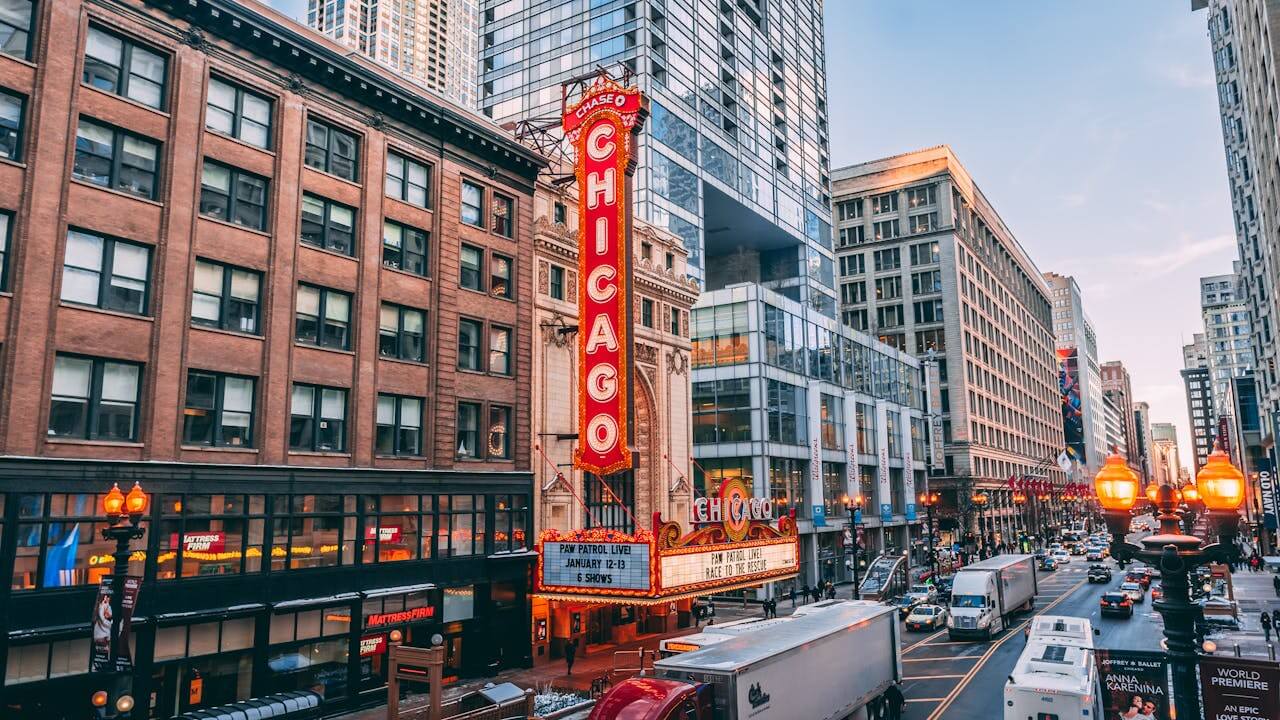
Understanding the Daily Gridlock
The sheer volume of commuters is, unsurprisingly, the primary driver of congestion in any major city, and Chicago is no exception. Millions of people rely on the city’s extensive public transportation system, including the ‘L’ trains and buses, as well as their personal vehicles to get to and from work each day. Rush hour, typically spanning from 6:00 AM to 9:30 AM and again from 3:30 PM to 7:00 PM on weekdays, sees a dramatic increase in vehicles on the road. This is particularly noticeable on major arteries like the Dan Ryan Expressway, Kennedy Expressway, and Stevenson Expressway.
Commuter Patterns and Peak Hours
These peak hours are not uniform throughout the city. While downtown areas and major expressways experience the brunt of the morning and evening commutes, residential neighborhoods also see increased traffic as people leave and return to their homes. For travelers staying in hotels near the Loop or the Magnificent Mile, experiencing this rush hour firsthand is almost inevitable if their plans coincide with these times. This understanding is vital for anyone looking to book accommodation, whether it’s a suite at the Thompson Chicago or a long-term stay apartment.
The Impact of Incidents and Accidents
Beyond the predictable rush hour, unexpected events can bring traffic to a standstill. Minor fender-benders, more serious accidents, or even stalled vehicles can cause significant delays, especially on the high-speed expressways. Emergency response times and the efficiency of clearing these incidents play a crucial role in how quickly traffic flow is restored. For tourists, encountering such an incident can mean a planned trip to a landmark like the Art Institute of Chicago might take considerably longer than anticipated. Travelers should always have a backup plan or be prepared to utilize ride-sharing services or public transit if faced with unexpected road closures or severe congestion.
Beyond the Daily Grind: Special Events and Their Influence
Chicago is a city that thrives on events, from major sporting spectacles to cultural festivals, and these occasions invariably lead to increased traffic. Planning your travel around these events, or being aware of their impact, can make a significant difference in your journey.
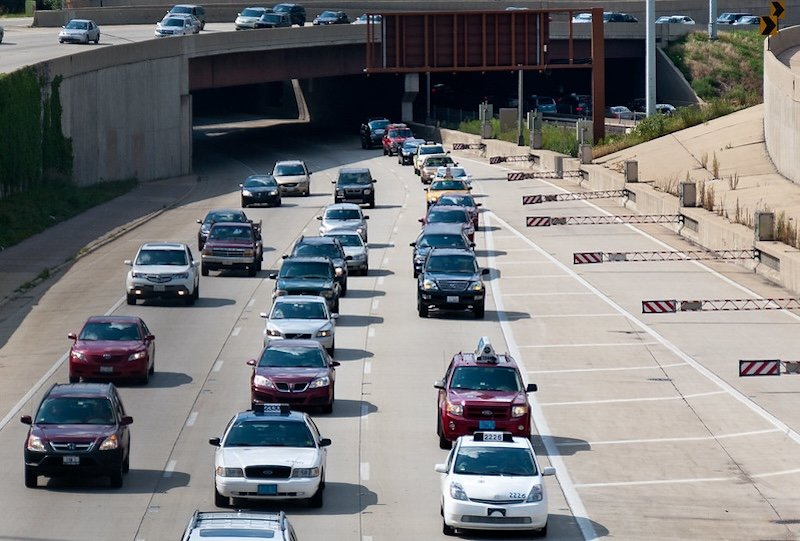
Sporting Events and Concerts
Game days for teams like the Chicago Cubs at Wrigley Field or the Chicago Bears at Soldier Field draw massive crowds, leading to localized congestion around the stadiums. Similarly, major concerts and performances at venues such as the United Center or the House of Blues Chicago can cause significant traffic backups on surrounding streets and highways. For travelers hoping to catch a game or a show, factoring in extra travel time, especially in the hours leading up to and immediately following the event, is a wise strategy. This advice is pertinent whether you are staying at a resort in the city or a boutique hotel.
Festivals and Public Gatherings
Throughout the year, Chicago hosts numerous festivals and public gatherings that transform parts of the city. Events like the Lollapalooza music festival in Grant Park, the Chicago Jazz Festival, and various neighborhood street fairs can lead to street closures and rerouting of traffic for days. While these events offer fantastic opportunities to experience the city’s vibrant atmosphere and diverse attractions, they can significantly disrupt normal traffic patterns. Visitors should consult event schedules and local news outlets for potential road closures and advisories. This is particularly relevant for those planning to visit landmarks near these event locations, such as Millennium Park.
The Unseen Forces: Weather and Infrastructure
The physical environment and ongoing development within Chicago also play a critical role in traffic flow. These factors, often less predictable than daily commutes or planned events, can create unexpected challenges for drivers.
Weather’s Impact on Travel
Chicago is notorious for its variable weather, and this directly affects traffic. During winter, snowfall can slow traffic to a crawl, especially during snow removal operations. Icy conditions on roads increase the risk of accidents, further exacerbating delays. Conversely, heavy rain can lead to reduced visibility and localized flooding, impacting travel speeds and road accessibility. Even high winds, a common occurrence in the “Windy City,” can sometimes affect driving conditions, particularly on bridges and open stretches of highway. Travelers should always check weather forecasts and traffic apps before embarking on their journey. This is crucial for planning excursions to natural landmarks or exploring the city’s architecture.

Construction and Roadwork
Like any major, growing city, Chicago is constantly undergoing infrastructure improvements. Road construction projects, utility work, and the development of new buildings or transportation lines can lead to lane closures, detours, and significant delays. These projects are often concentrated in high-traffic areas, directly impacting commuter routes and access to popular tourist destinations. While essential for the city’s long-term development and the improvement of its transportation system, these disruptions can be a source of frustration for both residents and visitors. Staying informed about planned construction through local news and traffic reports is the best defense against unexpected slowdowns. This knowledge is valuable whether you’re arriving at O’Hare International Airport or exploring the Magnificent Mile.
In conclusion, the traffic in Chicago today, or any day, is a complex interplay of daily commuting patterns, special events, and environmental and developmental factors. By understanding these elements, travelers can better plan their journeys, choose alternative modes of transport, and ultimately enjoy their time exploring the myriad experiences the city has to offer, from its renowned museums to its historic landmarks. Whether you are looking for a luxury lifestyle experience or a budget-conscious exploration, being informed about Chicago’s traffic dynamics will undoubtedly enhance your visit.
LifeOutOfTheBox is a participant in the Amazon Services LLC Associates Program, an affiliate advertising program designed to provide a means for sites to earn advertising fees by advertising and linking to Amazon.com. Amazon, the Amazon logo, AmazonSupply, and the AmazonSupply logo are trademarks of Amazon.com, Inc. or its affiliates. As an Amazon Associate we earn affiliate commissions from qualifying purchases.