
The question of Puerto Rico‘s political status has long been a complex and deeply debated issue, both within the island and in the halls of power in Washington D.C.. As a United States territory, its residents are U.S. citizens but lack full representation in Congress and cannot vote in presidential elections. This unique situation has fueled decades of discussion, referendums, and political maneuvering. Understanding why Puerto Rico remains a territory, rather than a state, requires delving into its history, the arguments for and against statehood, and the intricate political landscape that shapes its destiny.

A Legacy of Colonialism and Shifting Status
The journey of Puerto Rico to its current status is rooted in its colonial past. Originally inhabited by the indigenous Taíno people, the island was claimed by Spain in 1493. For over four centuries, Puerto Rico was a Spanish colony, experiencing periods of development and hardship. The late 19th century saw a push for greater autonomy within the Spanish empire, but this was cut short by the Spanish-American War in 1898.
The U.S. Acquisition and the Insular Cases
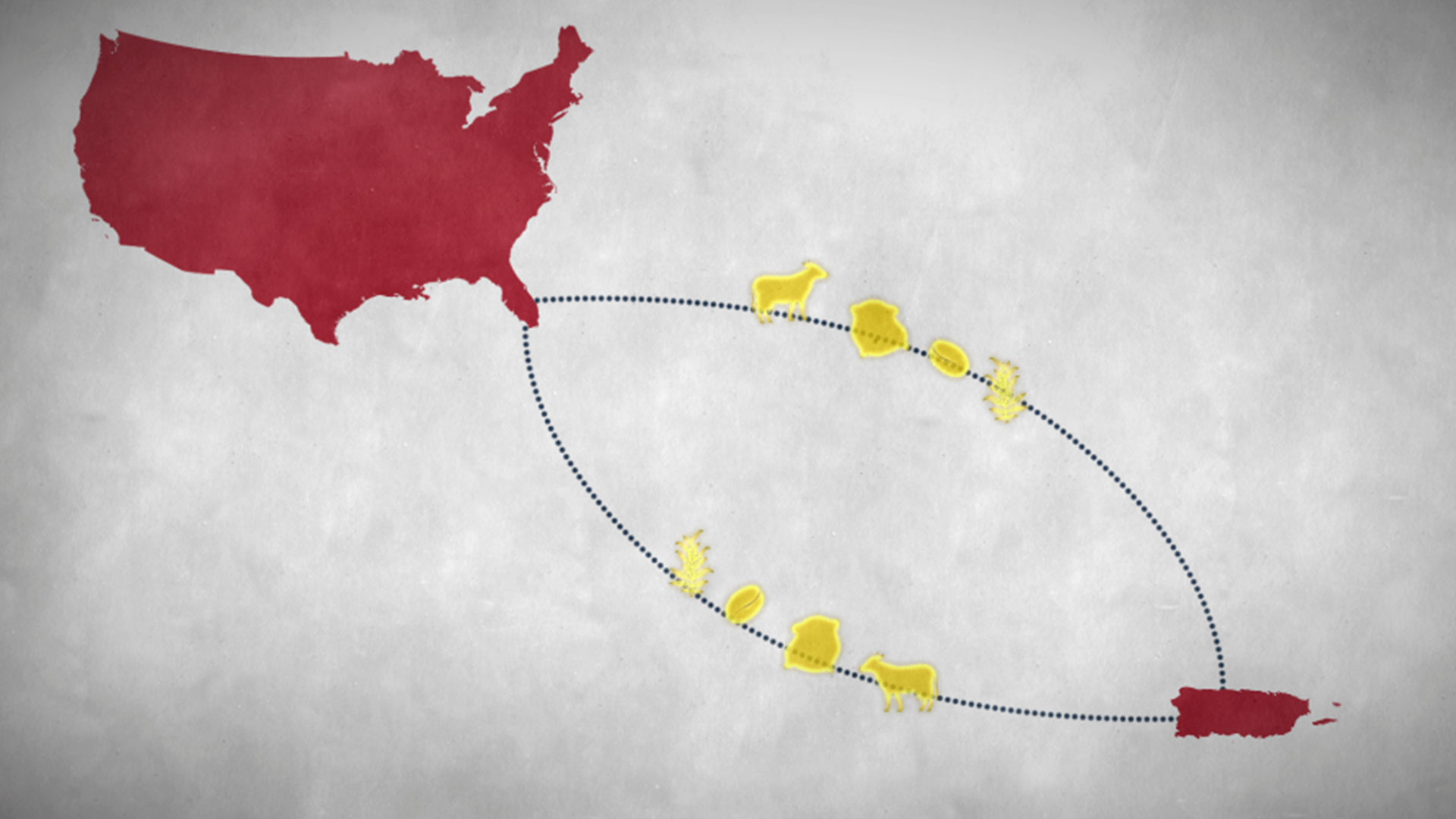
As a result of the Spanish-American War, Spain ceded Puerto Rico, along with Cuba and Guam, to the United States. Initially, the island’s status was unclear, but subsequent U.S. Supreme Court decisions, known as the Insular Cases, established the doctrine of “unincorporated territories.” These rulings affirmed that territories acquired by the U.S. were not automatically incorporated into the union and that Congress had plenary power over them. This meant that constitutional rights were not necessarily extended to residents of these territories.
The Foraker Act and Commonwealth Status
The Foraker Act of 1900 formalized Puerto Rico’s status as an unincorporated territory, establishing a civilian government appointed by the U.S. President. Over the following decades, there were movements advocating for different forms of self-governance. In 1950, the U.S. Congress passed Public Law 600, which allowed Puerto Rico to draft its own constitution. This led to the establishment of the Commonwealth of Puerto Rico in 1952, granting a degree of local self-governance but still under the ultimate authority of the U.S. Congress.
The Statehood Debate: Arguments and Obstacles
The question of statehood for Puerto Rico has been a recurring theme in its political discourse. Proponents of statehood believe it is the most viable path to full equality and economic prosperity for the island.
Arguments for Statehood
- Political Equality: Statehood would grant Puerto Rico full representation in Congress, with voting senators and representatives, and the right to vote for President. This is seen as a fundamental aspect of democratic citizenship.
- Economic Benefits: Statehood would likely result in Puerto Rico receiving the same federal funding and programs as the states, particularly in areas like Medicare, Medicaid, and social security. This could stimulate economic growth and improve social services. Proponents also argue that it would enhance investor confidence and attract more businesses.
- End to Second-Class Citizenship: For many, current status is a form of second-class citizenship, lacking the rights and privileges enjoyed by citizens in the 50 states. Statehood would rectify this perceived inequality.
Obstacles to Statehood
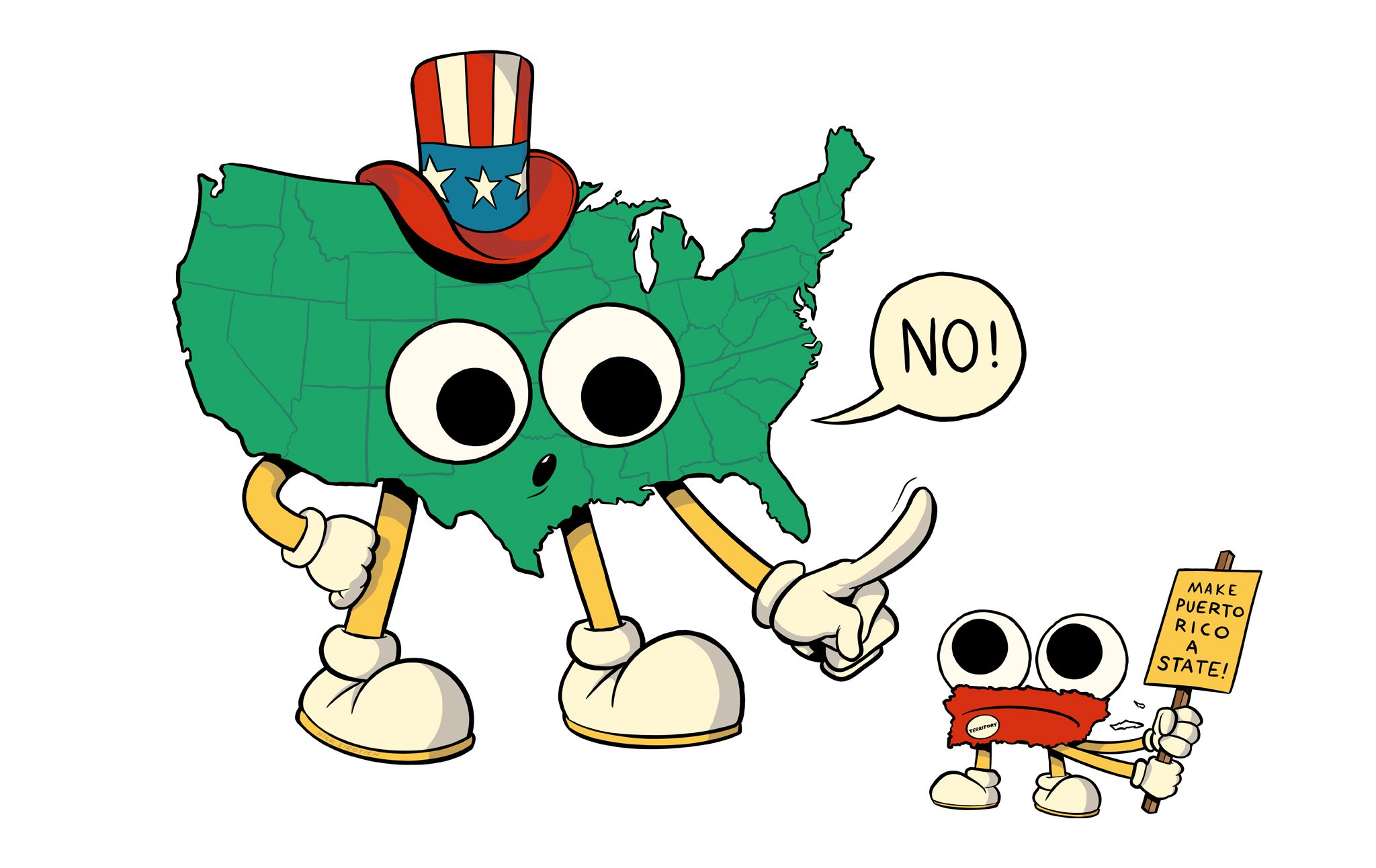
- Congressional Opposition: The path to statehood requires an act of Congress, and there has been significant opposition from various political factions in Washington D.C.. Concerns range from the potential impact on the balance of power in Congress to questions about Puerto Rico’s economic viability and cultural identity.
- Lack of Unanimous Support on the Island: While statehood has garnered significant support, it has not always achieved overwhelming consensus among Puerto Rico’s population. Previous referendums have shown divided opinions, with other options like independence or enhanced commonwealth status also having vocal advocates.
- Economic Concerns: Opponents of statehood often point to Puerto Rico’s economic challenges, including its substantial debt, as reasons why it may not be ready for statehood. There are also concerns about the potential fiscal impact on the U.S. Treasury.
- Cultural and Linguistic Identity: Some worry that statehood might dilute Puerto Rico’s distinct cultural and linguistic identity, with Spanish as the dominant language and a rich cultural heritage.
Alternative Paths: Independence and Enhanced Commonwealth
Beyond statehood, other political aspirations exist for Puerto Rico. The independence movement seeks full sovereignty, while advocates for an enhanced commonwealth envision a status that grants more autonomy without full statehood.
Independence
The pursuit of independence is driven by a desire for national self-determination and a complete break from U.S. colonial influence. Proponents believe that sovereignty would allow Puerto Rico to forge its own economic and foreign policy, potentially establishing stronger ties with Latin American nations. However, the economic implications of independence are a significant concern, as it would involve severing ties to the U.S. economic system, including federal funding and trade preferences.
Enhanced Commonwealth
This option seeks to maintain the U.S. citizenship of Puerto Rico’s residents while granting greater self-governance. Proposals for an enhanced commonwealth often include provisions for Puerto Rico to control its own trade, immigration, and certain aspects of its economy, while still retaining some benefits of U.S. association. However, the specifics of what an “enhanced” commonwealth would entail have often been vague and subject to negotiation with the U.S. federal government, which has historically been reluctant to grant such extensive autonomy without a clear path to statehood.
The Role of Referendums and Political Will
Throughout its history, Puerto Rico has held numerous referendums on its political status. These plebiscites have often been non-binding, meaning that their outcomes do not automatically compel action from the U.S. Congress. Despite these votes, the ultimate decision on Puerto Rico’s future status rests with the U.S. federal government.
The results of these referendums have often been contentious, with varying levels of participation and different interpretations of the outcomes. For instance, in a 2012 referendum, a majority voted for statehood, but the ballot design and subsequent boycotts by some pro-commonwealth and pro-independence factions led to questions about the validity and clarity of the results. Subsequent referendums in 2017 and 2020 also saw majorities favoring statehood, though turnout and the level of opposition have continued to be factors in the ongoing debate.
The political will in Washington D.C. to address Puerto Rico’s status remains a critical hurdle. Without sustained bipartisan support and a clear mandate from the U.S. Congress, the island’s quest for a definitive political future—be it statehood, independence, or a redefined commonwealth—continues to be a complex and evolving challenge. The ongoing discussions, advocacy, and engagement from Puerto Rico and its diaspora are crucial in shaping the narrative and pressing for a resolution that recognizes the rights and aspirations of its people.
LifeOutOfTheBox is a participant in the Amazon Services LLC Associates Program, an affiliate advertising program designed to provide a means for sites to earn advertising fees by advertising and linking to Amazon.com. Amazon, the Amazon logo, AmazonSupply, and the AmazonSupply logo are trademarks of Amazon.com, Inc. or its affiliates. As an Amazon Associate we earn affiliate commissions from qualifying purchases.