
The glittering oasis of Las Vegas, Nevada, is a city that conjures images of dazzling lights, extravagant entertainment, and a sense of boundless possibility. Yet, beyond the shimmering façade of its iconic skyline lies a nickname that has become inextricably linked with its identity: “Sin City.” This moniker, steeped in decades of history and cultural evolution, speaks to the city’s origins, its embrace of indulgence, and its unique role as a playground for adults. Understanding why Las Vegas earned this provocative title requires delving into its fascinating past and examining the very essence of what draws millions to its vibrant streets.

The Genesis of “Sin City”: From Railroad Town to Gaming Hub
The story of Las Vegas as “Sin City” is not an overnight phenomenon. Its roots can be traced back to its humble beginnings as a strategic stop on the San Pedro, Los Angeles & Salt Lake Railroad in the early 20th century. While it served as a practical waypoint, its legal framework was significantly shaped by the prevailing laws of the state of Nevada. At a time when many other states were enacting strict Prohibitionist measures, Nevada maintained a more liberal stance on certain activities, including gambling. This legal distinction created an immediate draw for those seeking to partake in pleasures that were restricted elsewhere.
The Wild West and the Early Days of Gambling
Long before the mega-resorts of today, Las Vegas was a frontier town with a frontier spirit. In the early 1900s, gambling was not yet the polished, regulated industry it is now. It existed in saloons and back rooms, a more unvarnished and sometimes illicit form of entertainment. As the town began to grow, its location in the vast desert of Nevada, far from the prying eyes of federal law enforcement, further contributed to its reputation. The open spaces and the remoteness of Las Vegas allowed for a degree of freedom that was attractive to a certain clientele.
The legalization of gambling in Nevada in 1931 was a pivotal moment. This legislative act, driven by the economic downturn of the Great Depression, opened the floodgates for organized gaming. It was a deliberate choice by the state to leverage the allure of chance and entertainment as a means of economic development. Suddenly, Las Vegas had a legal, albeit somewhat controversial, foundation upon which to build its future. This period saw the rise of the first casinos, often characterized by their more modest scale and a distinct “Old West” ambiance. These establishments, while not yet the behemoths we see today, began to cultivate the image of Las Vegas as a place where one could escape the ordinary and indulge in a bit of risk and reward.
The Shadow of Prohibition and Organized Crime
The era of Prohibition in the United States (1920-1933) inadvertently played a significant role in solidifying Las Vegas’s “Sin City” reputation. While Nevada did not enact its own Prohibition law, the national climate of prohibition pushed many individuals and organized crime syndicates to seek out places where their activities could flourish with less scrutiny. Las Vegas, with its permissive gambling laws and its growing reputation as a place to let loose, became a natural destination.
During this time, and in the decades that followed, there were undeniable connections between the burgeoning casino industry and organized crime. While the narrative is complex and often sensationalized, it’s true that certain figures associated with organized crime saw Las Vegas as a lucrative investment opportunity. They recognized the immense potential for profit in the gaming industry and, through various means, became instrumental in financing and developing some of the early casinos. This association, whether directly or indirectly, added a layer of mystique and a perception of illicit dealings to the city’s image. The “sins” in “Sin City” were not just about gambling; they also alluded to the perceived underworld elements that were intertwined with the city’s rise to prominence. This historical context, coupled with the legal acceptance of gambling, cemented the idea that Las Vegas was a place where one could engage in activities that were frowned upon or illegal elsewhere.
The Evolution of Indulgence: Beyond Gambling
While gambling remains the cornerstone of Las Vegas’s allure, the city’s transformation into “Sin City” is also a testament to its evolution into a global epicenter of entertainment and indulgence in its broadest sense. The “sins” are no longer solely confined to the roulette wheel or the poker table; they have expanded to encompass a decadent spectrum of experiences designed to cater to every desire.
The Rise of World-Class Entertainment and Nightlife

The mid-20th century saw Las Vegas begin its metamorphosis from a gambling town into a destination for entertainment. Visionaries understood that to attract a wider audience and keep visitors engaged, more than just the thrill of the casino was needed. This led to the development of lavish showrooms, spectacular stage productions, and the recruitment of some of the world’s most iconic performers. Figures like Frank Sinatra, Elvis Presley, and Liberace became synonymous with the Las Vegas experience, drawing crowds eager to witness their legendary performances.
This era saw the construction of grand hotels and casinos that were not just places to stay and gamble, but destinations in themselves. Properties like the Flamingo and the Sands became legendary venues. The advent of dazzling musical revues, often featuring elaborate costumes and provocative performances, further fueled the “Sin City” image. These shows, with their allure and spectacle, offered an escape from the mundane and catered to a desire for excitement and perhaps a touch of the forbidden. The development of a vibrant nightlife scene, with its trendy bars and clubs, only amplified this perception. Las Vegas was becoming a place where inhibitions could be shed, and pleasures could be pursued with abandon.
Gastronomic Delights and Luxurious Accommodations
The concept of indulgence in Las Vegas has also expanded dramatically to include world-class dining and unparalleled luxury in accommodation. Recognizing that discerning travelers seek more than just a place to sleep, hotels and resorts have invested heavily in creating culinary experiences that rival those found in any major global city. From Michelin-starred restaurants helmed by renowned chefs to casual eateries offering diverse international cuisines, Las Vegas has become a gastronomic paradise. This focus on fine dining contributes to the city’s image as a place where one can truly live it up and savor the finer things in life.
Similarly, the accommodation options in Las Vegas have evolved far beyond basic hotel rooms. The city is renowned for its opulent resorts, sprawling complexes that offer a complete immersive experience. These establishments often feature lavish suites, private villas, and an array of amenities designed for comfort and extravagance. Think of the iconic Bellagio with its stunning fountains, or the themed wonders of places like the Venetian and Caesars Palace. These hotels are landmarks in themselves, offering a taste of luxury travel that appeals to a wide range of visitors. The ability to stay in a world-class resort, dine at an exceptional restaurant, and enjoy top-tier entertainment all within the same complex reinforces the idea of Las Vegas as a destination dedicated to pleasure and escape. This comprehensive approach to hospitality ensures that the “sins” of Las Vegas extend to every facet of the visitor experience, making it a true mecca for those seeking to indulge.
The Modern “Sin City”: Controlled Chaos and Uninhibited Fun
Today, Las Vegas is a meticulously managed ecosystem of entertainment, where the “sins” of the past have been refined and packaged into a sophisticated, albeit still wild, experience. The city has successfully transformed its image from a haven for organized crime to a meticulously planned resort destination, all while retaining the core elements that earned it the “Sin City” moniker.
The Strip: A Boulevard of Dreams and Desires
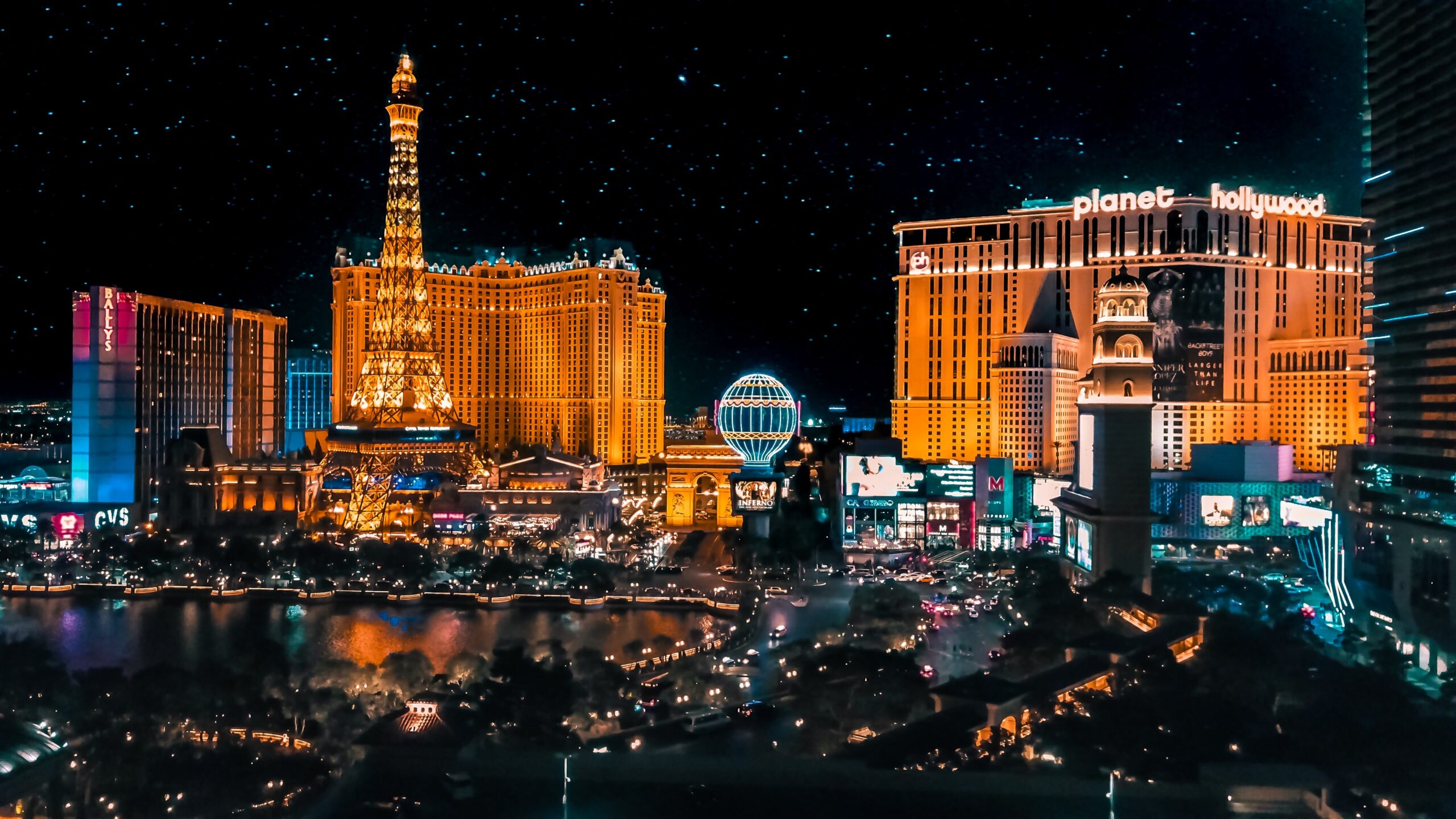
The Las Vegas Strip is the pulsating heart of the city, a seven-kilometer stretch of road that encapsulates the essence of Las Vegas. Lined with some of the world’s most extravagant hotels, casinos, and entertainment venues, it is a testament to the city’s ongoing ambition to be the ultimate playground. Iconic resorts like the MGM Grand, Wynn Las Vegas, and Cosmopolitan are not just places to stay; they are self-contained worlds offering a dazzling array of attractions.
The sheer scale and opulence of these establishments are a spectacle in themselves. From the meticulously crafted replicas of famous landmarks like the Eiffel Tower at Paris Las Vegas to the ancient Roman grandeur of Caesars Palace, the Strip offers a sensory overload of sights, sounds, and experiences. The casinos, with their constant chime of slot machines and the hushed intensity of the gaming tables, continue to be a primary draw, embodying the spirit of chance and fortune. But beyond the gaming floors, the Strip is a vibrant hub of world-class shows, from Cirque du Soleil extravaganzas to residencies by global music superstars. The proliferation of high-end shopping, fine dining, and exclusive nightclubs further solidifies its reputation as a destination where every desire can be catered to, often with a touch of uninhibited extravagance.
A Playground for Adults: Freedom and Fantasy
Ultimately, Las Vegas is branded as a “playground for adults” because it offers a unique space where individuals can temporarily shed the constraints of everyday life and embrace a sense of freedom and fantasy. The city’s legal framework, which permits and regulates activities like gambling and alcohol consumption, creates an environment where these pleasures are readily accessible. This is not to say that Las Vegas is a lawless place; in fact, it is a highly regulated tourist destination. However, within these regulations, there is a palpable atmosphere of escapism.
The carefully curated experiences, from the elaborate themed resorts to the diverse entertainment options, are designed to transport visitors to a world of indulgence and excitement. Whether it’s the thrill of winning big, the joy of seeing a spectacular show, the pleasure of a gourmet meal, or the simple freedom to explore a city that never truly sleeps, Las Vegas offers a multifaceted experience. The “sins” are no longer viewed as solely negative; they have been reframed as components of a unique and exhilarating vacation. The city has mastered the art of selling fantasy, and its enduring nickname, “Sin City,” has become a badge of honor, a testament to its unparalleled ability to offer a truly unforgettable, and perhaps a little wicked, escape.
LifeOutOfTheBox is a participant in the Amazon Services LLC Associates Program, an affiliate advertising program designed to provide a means for sites to earn advertising fees by advertising and linking to Amazon.com. Amazon, the Amazon logo, AmazonSupply, and the AmazonSupply logo are trademarks of Amazon.com, Inc. or its affiliates. As an Amazon Associate we earn affiliate commissions from qualifying purchases.