
The moment you utter the name “New York City,” a cascade of images springs to mind: towering skyscrapers, iconic yellow cabs, bustling streets, and a vibrant tapestry of cultures. Yet, beyond these visual clichés lies an enduring enigma – its beloved nickname, the “Big Apple.” This moniker, so deeply ingrained in the city’s identity, evokes a sense of grandeur, opportunity, and irresistible allure. But how did this peculiar fruit become synonymous with one of the world’s most dynamic metropolises? The story is a fascinating journey through journalism, jazz, and a brilliant tourism campaign, painting a vivid picture of a city that has always managed to reinvent itself.
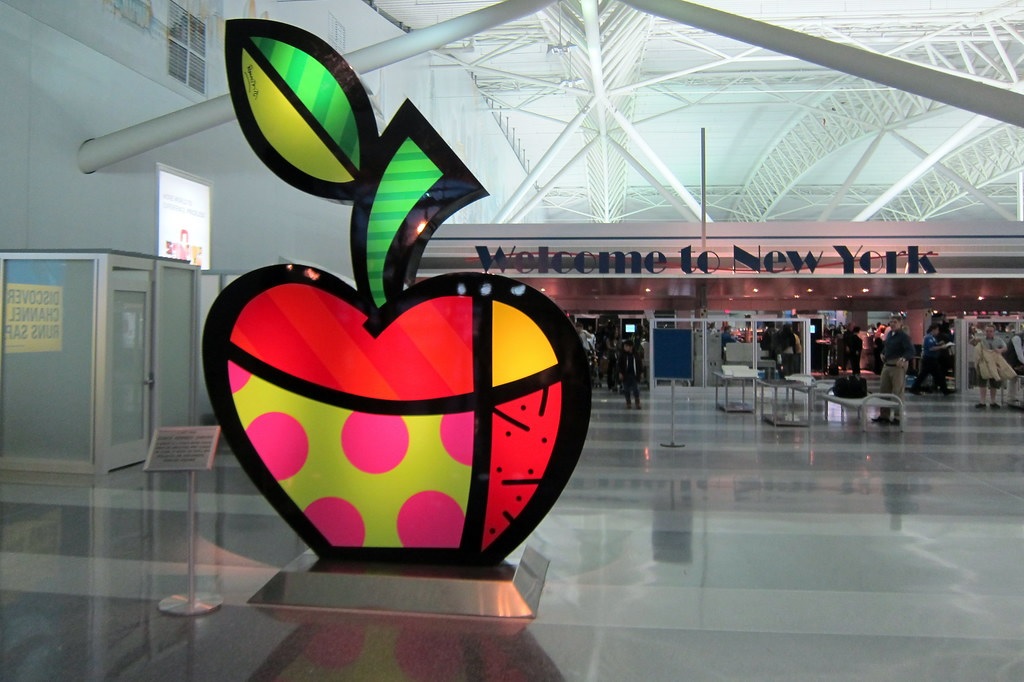
For many, the “Big Apple” simply is New York City. It conjures images of ambitious dreams, boundless energy, and the ultimate prize for those seeking success in any field. From the bright lights of Broadway to the quiet grandeur of Central Park, the nickname encapsulates the very essence of a city that offers an unparalleled experience, whether you’re a first-time tourist or a seasoned resident. Understanding its origins not only sheds light on a quirky piece of Americana but also deepens appreciation for the rich history and enduring spirit of this global hub.
The Curious Case of a Beloved Moniker: Unearthing the Origins
The journey to uncover the origins of “Big Apple” takes us back to the early 20th century, a time of rapid growth and cultural ferment in the United States. It wasn’t born in a marketing boardroom or coined by a mayor, but rather in the gritty, exciting world of horse racing journalism, then later embraced and amplified by the vibrant jazz scene. This dual lineage gives the nickname a grounded, authentic feel that has allowed it to resonate through generations.
From the Racetrack to the Big City: John J. Fitz Gerald’s Legacy
The most widely accepted origin story credits a sportswriter named John J. Fitz Gerald. In the early 1920s, Fitz Gerald wrote a horse racing column for the New York Morning Telegraph, a prominent newspaper of the era. He frequently covered races at the various tracks around New York City, and it was during one of his visits to the racing circuit in New Orleans that he first encountered the term.
As the story goes, Fitz Gerald overheard stable hands and jockeys referring to “New York City” races as “the big apple.” For them, participating in and winning races in New York represented the pinnacle of their profession. It was where the biggest purses were offered, where the most prestigious races were held, and where a jockey or horse could truly make a name for themselves. In their slang, there were many “apples” (racetracks) across the country, but the biggest and most desirable “apple” of all was New York.

Intrigued by this colorful phrase, Fitz Gerald began incorporating it into his column, which he aptly titled “Around the Big Apple,” starting in 1921. He explained the term to his readers, solidifying its association with the city’s horse racing scene. His writing helped popularize the phrase among a broader audience, gradually embedding it into the lexicon of the city. To honor his role, a street sign was erected at West 54th Street and Broadway in Manhattan in 1997, designating the corner as “Big Apple Corner” and acknowledging Fitz Gerald’s pivotal contribution.
Jazz Age Echoes: The Big Apple Swings
While Fitz Gerald brought “Big Apple” into print, it was the vibrant jazz culture of the 1930s that truly helped spread the nickname beyond the sports pages and into the popular imagination. During this era, New York City, particularly neighborhoods like Harlem, became the undisputed capital of jazz. Musicians flocked to the city, knowing that if they could make it there, they could make it anywhere.
For jazz artists, “New York City” was the ultimate gig, the place where the best clubs, the most discerning audiences, and the greatest opportunities awaited. They adopted the “Big Apple” moniker to describe this premier destination. Just as a horse racer sought the biggest prize, a jazz musician sought the biggest stage. As the saying went among them, “There are many apples on the tree, but when you pick the Big Apple, you’ve picked New York.”
Iconic bandleaders like Fletcher Henderson and others would speak of “New York City” in these terms, and the phrase found its way into song titles and club names. The “Big Apple Dance,” a popular swing dance of the era, further cemented the nickname in the popular culture of the 1930s and beyond. This embrace by the jazz community gave the term a cool, sophisticated edge, linking it to creativity, ambition, and cultural prominence. It became a symbol not just of financial gain, but of artistic validation and recognition.
The Campaign that Resurrected a Name: A Strategic Comeback
Despite its roots in sports and jazz, the “Big Apple” nickname experienced a period of decline in usage during the mid-20th century. By the 1960s and early 1970s, “New York City” was grappling with a different image – one tarnished by rising crime rates, financial crises, and a general sense of urban decay. The city desperately needed a positive rebrand, a way to remind the world of its inherent greatness and vibrant spirit. This is where a strategic tourism campaign played a pivotal role in resurrecting and popularizing the “Big Apple” for modern times.
Rebranding a Metropolis: Charles Gillett’s Vision
In the early 1970s, Charles Gillett, then president of the New York Convention and Visitors Bureau (now NYC & Company), recognized the untapped potential of the dormant “Big Apple” nickname. He launched a brilliant, city-wide marketing campaign aimed at boosting tourism and improving New York City’s tarnished image.
Gillett, alongside his team, specifically chose to revive the phrase “Big Apple” because it was catchy, memorable, and had a positive, aspirational connotation that contrasted sharply with the negative headlines of the time. The campaign involved placing bright red apple stickers on everything from visitor pamphlets to public transportation. Staff wore “Big Apple” pins, and advertisements encouraged people to “Come bite the Big Apple.” The visual of a shiny red apple, universally recognized as a symbol of health and vitality, offered a fresh, optimistic perspective on a city that was struggling.
The timing was perfect. As the United States approached its bicentennial in 1976, there was a renewed interest in American history and identity. The “Big Apple” campaign tapped into this sentiment, reminding both domestic and international visitors of New York City’s historical significance and its enduring role as a beacon of opportunity. It was an incredibly successful rebranding effort, effectively changing the narrative and inviting people to rediscover the magic of “NYC.”

The Enduring Symbolism: Why “Big Apple” Stuck
The success of Gillett’s campaign ensured that the “Big Apple” nickname would not fade away again. It resonated deeply because it perfectly encapsulated the essence of “New York City.” The apple, often associated with knowledge, temptation, and a grand prize, is a fitting metaphor for a city that promises so much.
It speaks to the sheer scale and importance of “NYC” on the global stage. Like a prize apple on a tree, the city stands out as a destination of unparalleled opportunity and excitement. It embodies the dream of millions who come to its shores seeking success, whether in finance, arts, fashion, or any other field. For travelers, it represents the ultimate urban adventure, a place where every corner holds a new discovery.
Moreover, the nickname contributes to a sense of identity and pride among New Yorkers. It’s a playful yet powerful way to refer to their home, a shorthand that carries a wealth of meaning about ambition, resilience, and metropolitan grandeur. From its origins among stable hands dreaming of big wins to jazz musicians seeking the top stage, and finally to a tourism campaign inviting the world, the “Big Apple” has always been about aspirations, dreams, and the extraordinary experience that “New York City” offers.
Experiencing the Big Apple: A Journey Through New York’s Heart
Today, the “Big Apple” nickname is more vibrant than ever, representing a city that continues to be a global magnet for travel, culture, and innovation. For anyone planning a trip, the allure is undeniable, promising an unforgettable array of experiences, attractions, and a lifestyle that caters to every taste and budget.
Iconic Landmarks and Must-See Attractions
A visit to the “Big Apple” is often defined by its breathtaking collection of world-renowned landmarks. From historical icons to modern marvels, the city’s attractions are diverse and captivating. No trip is complete without witnessing the majestic Statue of Liberty, a universal symbol of freedom and democracy, standing proudly in New York Harbor. A ferry ride to Liberty Island and Ellis Island offers profound historical insights into America’s immigrant past.
In Manhattan, the architectural grandeur of the Empire State Building and the Top of the Rock Observation Deck at Rockefeller Center provide panoramic views that stretch for miles, showcasing the sprawling urban landscape. The pulsating energy of Times Square, with its dazzling billboards and endless crowds, is an electrifying experience day or night. For a tranquil escape, Central Park offers an expansive green oasis, perfect for strolls, picnics, or simply people-watching amidst the skyscrapers.
Cultural enthusiasts will find themselves spoiled for choice along Museum Mile, home to institutions like the Metropolitan Museum of Art, the Guggenheim Museum, and further downtown, the Museum of Modern Art (MoMA). Each offers a journey through art, history, and human creativity, providing hours of exploration. And, of course, no mention of NYC’s attractions would be complete without recommending a captivating Broadway show, a quintessential New York City experience that combines world-class talent with unforgettable storytelling.
A Culinary and Cultural Mosaic: Tasting the Big Apple
New York City’s reputation as a global melting pot is best experienced through its unparalleled culinary scene and diverse cultural offerings. The city is a veritable feast, offering everything from Michelin-starred fine dining to vibrant street food. Travelers on a budget can explore the endless array of ethnic cuisines in neighborhoods like Chinatown, Little Italy, or the bustling markets of Queens. For a truly authentic New York experience, a slice of classic New York-style pizza or a hot dog from a street vendor is a must.
Beyond food, the cultural landscape is incredibly rich. Explore the bohemian charm of Greenwich Village, the artistic vibe of SoHo with its galleries and boutiques, or the vibrant history of Harlem, known for its gospel choirs and historic jazz clubs. The city hosts countless festivals, parades, and events throughout the year, celebrating its diverse communities and offering glimpses into local traditions. Whether you’re interested in art, music, theater, or simply soaking in the atmosphere, “NYC” provides an endless stream of activities and experiences.
Navigating Your Stay: Accommodations and Lifestyle in NYC
Planning your trip to the “Big Apple” involves considering the myriad of accommodation options and understanding the local lifestyle. From luxurious hotels with stunning skyline views to charming boutique apartments and budget-friendly hostels, there’s a place to stay for every preference. Many travel guides recommend booking well in advance, especially during peak seasons, and reading reviews to find the perfect fit for your destination.
For those seeking luxury travel, Manhattan boasts an array of five-star resorts and elegant suites with world-class amenities. Budget travel options are available in neighborhoods across all five boroughs, particularly in parts of Brooklyn and Queens, which offer excellent value and a more local perspective. For family trips, consider hotels near Central Park or with easy access to museums and kid-friendly attractions. Business stays often gravitate towards Midtown or the Financial District, providing convenience to corporate hubs.
Getting around New York City is relatively easy thanks to its extensive public transportation system, particularly the subway, which operates 24/7. Walking is also a fantastic way to discover hidden gems and experience the city’s vibrant street life. Before your tourism adventure, consulting up-to-date guides and tips will enhance your experience, helping you navigate popular areas like Fifth Avenue for shopping or plan visits to less-traveled spots. The “Big Apple” truly caters to every type of visitor, offering unique experiences that reflect its diverse and dynamic character.
The Big Apple’s Lasting Legacy: More Than Just a Name
The story of “Why Is New York City Called Big Apple?” is far more than a linguistic anecdote; it is a narrative woven into the very fabric of the city itself. From the ambition of horse racers to the creative spirit of jazz musicians and the strategic vision of tourism marketers, the nickname has evolved, adapting to the changing image of the city it represents. It speaks to the city’s enduring appeal as a place where dreams are pursued, opportunities are seized, and cultural movements are born.
Today, “The Big Apple” stands as a powerful symbol – an emblem of New York City’s global prominence, its relentless energy, and its welcoming embrace of all who come seeking their own prize. It’s a name that evokes excitement, a challenge, and an invitation to experience one of the world’s most extraordinary urban environments. Whether you arrive with a specific itinerary for its landmarks, a craving for its diverse food, or simply a desire to soak in its unique culture, “New York City” lives up to its legendary nickname. It remains, unequivocally, the grandest “apple” on the tree, a testament to its unparalleled vibrancy and a timeless reminder of the pursuit of greatness.
LifeOutOfTheBox is a participant in the Amazon Services LLC Associates Program, an affiliate advertising program designed to provide a means for sites to earn advertising fees by advertising and linking to Amazon.com. Amazon, the Amazon logo, AmazonSupply, and the AmazonSupply logo are trademarks of Amazon.com, Inc. or its affiliates. As an Amazon Associate we earn affiliate commissions from qualifying purchases.