
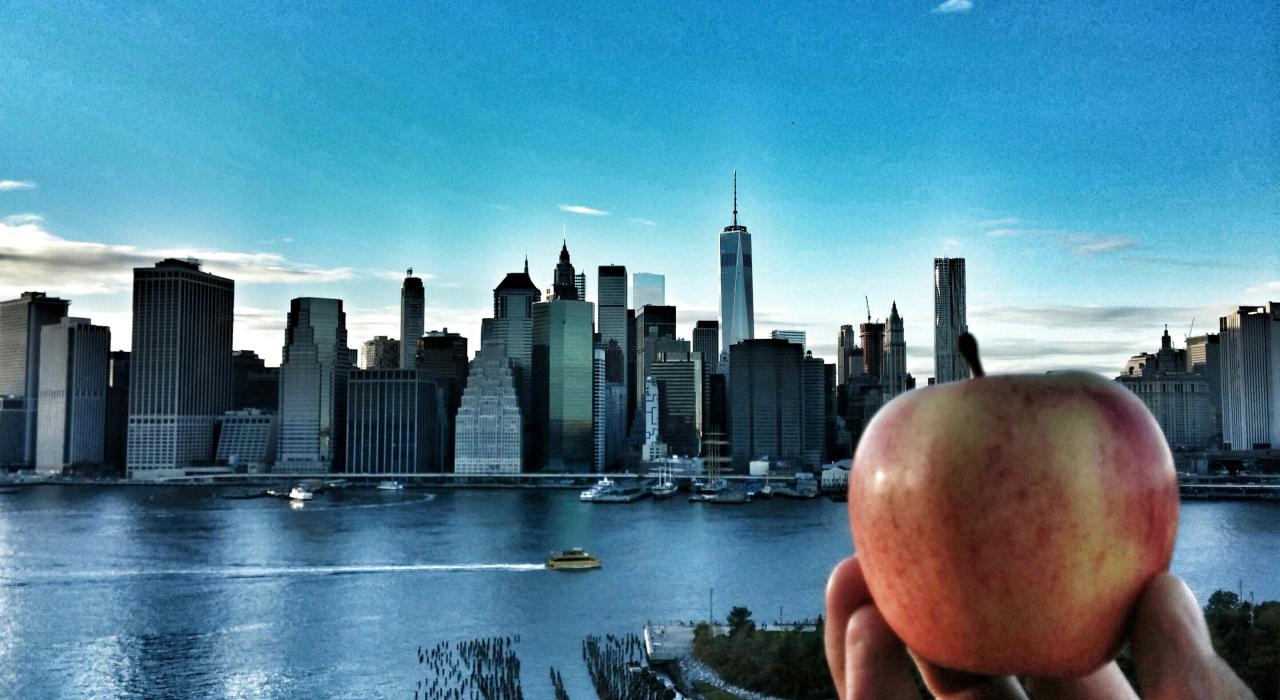
New York City, a metropolis synonymous with ambition, culture, and unceasing energy, is affectionately known across the globe as the “Big Apple.” This iconic moniker, deeply ingrained in the city’s identity, sparks curiosity about its origins. While many might assume the name is as old as the city itself, its popularization is a more recent phenomenon, rooted in the early 20th century and inextricably linked to the vibrant world of horse racing. Understanding the genesis of “Big Apple” reveals a fascinating narrative that transcends mere slang, offering a glimpse into the historical tapestry of a city that has always aimed for the grandest prize.

The Horse Racing Connection
The most widely accepted and well-documented origin of the “Big Apple” nickname traces back to the thrilling, high-stakes world of professional horse racing in the 1920s. It was during this era that journalists and racing enthusiasts began referring to New York City’s racetracks as the “Big Apple.”
John J. Fitz Gerald’s Contribution
The primary figure credited with popularizing the term is John J. Fitz Gerald, a sports writer for the New York Morning Telegraph. Fitz Gerald covered horse racing extensively, and it was through his columns that “Big Apple” gained significant traction. He often wrote about the lucrative purses and prestigious races held in and around New York, particularly at tracks like Aqueduct Racetrack and Belmont Park.
Fitz Gerald himself explained the origin of the term in a 1924 column. He recounted overhearing stable hands in New Orleans discussing their plans to travel to New York to race. They used the phrase “the Big Apple” to describe the city, implying it was the ultimate prize, the most coveted destination in the racing circuit. For jockeys and trainers, winning a race in New York was akin to reaching the pinnacle of their profession, analogous to a gambler winning the biggest pot at the table. The “apple” represented the ultimate reward, the sweetest prize, and “Big” emphasized its grand scale and importance.
Fitz Gerald found the phrase evocative and adopted it in his writing. He began using “The Big Apple” as the title for his racing columns, thereby imprinting the nickname onto the consciousness of his readers. His consistent use of the term, coupled with the inherent appeal of its imagery – a juicy, desirable prize – helped solidify its association with New York’s racing scene.
The Allure of the Prize
The term “apple” itself has a long history of being used to signify something desirable or valuable. In various contexts, an apple has represented temptation, knowledge, or a prize. In the context of horse racing, the “Big Apple” became a metaphor for the ultimate goal: success, fame, and financial reward. The racetracks of New York were where the biggest names competed, where fortunes could be made or lost, and where reputations were forged. For those involved in the sport, New York was the place to be, the place to achieve greatness.
While Fitz Gerald’s writing brought the term to prominence within the racing community and the broader public through sports reporting, it’s important to note that other figures may have used similar phrasing colloquially before him. However, Fitz Gerald’s systematic and widespread use through his influential newspaper column is what truly cemented “The Big Apple” as a recognized nickname for the city.
Beyond the Racetracks: Early 20th Century Usage
Although John J. Fitz Gerald is credited with popularizing “Big Apple” in relation to horse racing, the term wasn’t exclusively confined to that domain for long. Its evocative nature allowed it to seep into other aspects of urban life and culture, albeit with varying degrees of prevalence.
Jazz Musicians and the City
By the 1930s and 1940s, the term “Big Apple” had begun to appear in the lexicon of jazz musicians. New York City, particularly Harlem and Greenwich Village, was a mecca for jazz artists. The city offered unparalleled opportunities for performance, recognition, and career advancement. For musicians, playing in New York was the ultimate aspiration. A gig in the “Big Apple” meant playing at the most prestigious clubs, performing for discerning audiences, and competing with the best talent in the world.
It’s speculated that the jazz community adopted the term independently or perhaps influenced by its use in racing circles. The imagery of a sweet, desirable prize perfectly aligned with the aspirations of musicians striving for success in the competitive jazz scene. Playing in New York was the chance to sink your teeth into the “Big Apple” of opportunity.
Harlem Renaissance and Cultural Significance
The association with the jazz scene also indirectly linked “Big Apple” to the vibrant cultural milieu of the Harlem Renaissance. As jazz flourished in Harlem, so too did literature, art, and social movements. The term, though not its central theme, became part of the broader cultural narrative of a city brimming with creative energy and ambition.
Early Dissent and Obscurity
Despite its growing use, the term “Big Apple” did not immediately achieve universal recognition or become the dominant nickname for New York City. For many years, it remained a somewhat niche term, primarily understood by those within the horse racing and jazz communities. Other nicknames, such as “Gotham” or “The City of Dreams,” often held more sway in general public consciousness. The nickname’s true ascent to global recognition would require a concerted effort to revive and rebrand it.
The Revival and Global Recognition
The nickname “Big Apple” might have faded into relative obscurity had it not been for a deliberate revival effort in the latter half of the 20th century. This revival transformed it from a niche term into the universally recognized moniker for New York City that we know today.
The Tourism Campaign of the 1970s
The turning point for “Big Apple” came in the early 1970s. At this time, New York City was facing significant economic challenges and a perception of urban decay. City officials and tourism officials were looking for ways to revitalize the city’s image and attract more visitors.
Charles Gillett, president of the New York Convention and Visitors Bureau, played a pivotal role in this revival. He learned about the historical connection of “Big Apple” to horse racing and jazz and recognized its potential as a marketing tool. The nickname was positive, evocative, and easily understood. It conjured images of excitement, opportunity, and a desirable destination.
A major tourism campaign was launched, using “The Big Apple” as its central theme. Posters, advertisements, and promotional materials across the United States and internationally began to prominently feature the nickname. The campaign aimed to reframe New York City not as a struggling metropolis, but as a vibrant, exciting place to visit, full of allure and reward – a true “Big Apple” of experiences.
The Power of Simplicity and Appeal
The campaign’s success was largely due to the inherent appeal of the nickname itself. “Big Apple” is simple, memorable, and easily translatable, making it effective for global marketing. The imagery of biting into a juicy apple suggests a rich, full experience, perfectly embodying the diverse attractions and opportunities that New York City offers. From world-class museums and iconic landmarks like the Empire State Building and Central Park to its renowned culinary scene and bustling theaters, the city is indeed a bountiful “apple” for tourists.
Enduring Legacy
The 1970s tourism campaign was remarkably successful. It not only boosted visitor numbers but also permanently etched “The Big Apple” into the city’s identity. The nickname became a source of pride for New Yorkers and a familiar descriptor for people worldwide. It transcended its origins in horse racing and jazz to become a symbol of the city’s enduring spirit, its status as a global hub, and its undeniable allure. Today, the term is used ubiquitously, appearing on souvenirs, in literature, and in everyday conversation, a testament to the enduring power of a well-chosen nickname and a successful marketing vision.
The Enduring Allure of the “Big Apple”
The moniker “Big Apple” has transcended its humble origins to become one of the most recognizable and beloved nicknames for any city worldwide. Its journey from the racetrack to the global stage is a fascinating illustration of how language, culture, and marketing can converge to create an enduring symbol.
Symbolism and Identity
More than just a nickname, “The Big Apple” has become a potent symbol for New York City. It encapsulates the city’s aspiration, its relentless drive, and its promise of unparalleled opportunity. For many, the “Big Apple” represents the dream of success, the pursuit of passion, and the thrill of experiencing the extraordinary. This symbolism resonates deeply, drawing millions to its shores year after year, seeking to taste the essence of this iconic metropolis. Whether it’s exploring the vibrant neighborhoods, experiencing the cultural richness of museums like the Metropolitan Museum of Art, or simply soaking in the energy of its streets, visitors are often seeking their own piece of the “Big Apple.”
A Global Brand
The success of the 1970s tourism campaign cemented “The Big Apple” as a powerful global brand. This simple yet effective nickname has become synonymous with New York City, contributing significantly to its international appeal. It evokes images of excitement, diversity, and endless possibilities, making the city a magnet for travelers from every corner of the globe. The consistent branding has helped New York City maintain its status as a premier tourist destination, attracting visitors to its famous landmarks, from the towering heights of the One World Observatory to the historic charm of neighborhoods like Greenwich Village.

The Ongoing Narrative
The story of why New York is called the “Big Apple” is not just about history; it’s about the ongoing narrative of a city that continues to reinvent itself while holding onto its core identity. The nickname serves as a constant reminder of the city’s rich past, its vibrant present, and its boundless future. It’s a testament to the power of a name to shape perception and create a lasting impression. The “Big Apple” continues to offer a unique blend of experiences, from the quiet introspection of visiting St. Patrick’s Cathedral to the exhilarating chaos of Times Square, ensuring its allure remains undiminished.
LifeOutOfTheBox is a participant in the Amazon Services LLC Associates Program, an affiliate advertising program designed to provide a means for sites to earn advertising fees by advertising and linking to Amazon.com. Amazon, the Amazon logo, AmazonSupply, and the AmazonSupply logo are trademarks of Amazon.com, Inc. or its affiliates. As an Amazon Associate we earn affiliate commissions from qualifying purchases.