
For many travelers planning a vibrant escape to the Caribbean, the question of Puerto Rico’s unique political status often arises. Is it a state? Is it an independent nation? Why does it feel both distinctly Latin American and undeniably American? Understanding why Puerto Rico is part of the United States is not merely a historical exercise; it’s fundamental to appreciating the island’s rich local culture, diverse experiences, and the very fabric of its identity that visitors encounter. This historical context provides an invaluable lens through which to explore its vibrant cities, lush landscapes, and resilient people, enriching any tourist’s journey.
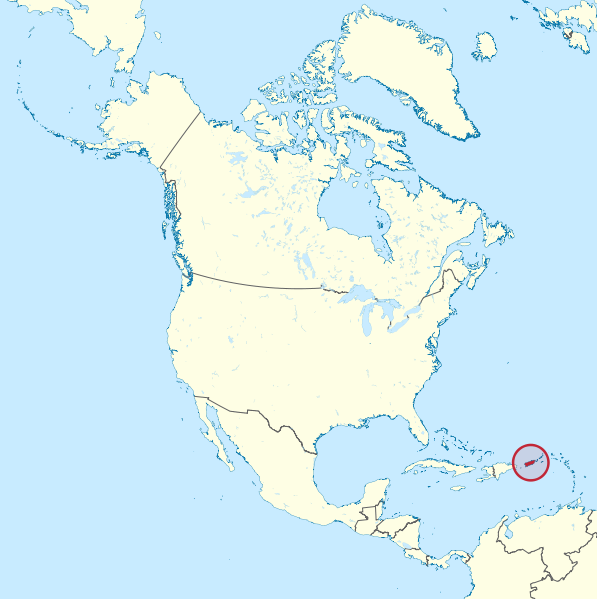
A Legacy Forged in Conflict: The Historical Annexation
The story of Puerto Rico’s relationship with the United States is rooted in a pivotal moment in global history, a conflict that redrew maps and shifted colonial powers. This foundational event directly led to the island’s current status and shaped its subsequent development, culture, and appeal as a tourist destination.
The Spanish-American War and the Treaty of Paris
The genesis of Puerto Rico’s affiliation with the United States dates back to the Spanish-American War of 1898. For over 400 years prior, Puerto Rico had been a Spanish colony, serving as a strategic military outpost and a key part of Spain’s vast empire in the Americas. However, by the late 19th century, Spain’s power was waning, and the United States was emerging as a global force. The war, sparked primarily by Cuban independence movements and the mysterious sinking of the USS Maine, quickly escalated.
During the conflict, American forces invaded Puerto Rico in July 1898, meeting little resistance. The war concluded swiftly with Spain’s defeat, leading to the signing of the Treaty of Paris in December 1898. Under the terms of this treaty, Spain ceded Puerto Rico, Cuba, and Guam to the United States and sold the Philippines for $20 million. This act transformed Puerto Rico from a Spanish colony into an unincorporated territory of the United States, marking the beginning of a complex and evolving relationship that continues to define the island today. For tourists, this historical backdrop explains the pervasive Spanish colonial architecture, the Spanish language, and the deep-seated cultural heritage that blends with American influences.
Early US Governance and the Foraker Act
Following the Treaty of Paris, Puerto Rico entered a period of military rule under the United States. This initial phase was characterized by a transition from Spanish to American legal and administrative systems. The US military government made efforts to modernize infrastructure, establish public schools, and implement sanitary reforms, often with an underlying intent to “Americanize” the population.
In 1900, the Foraker Act (officially the Organic Act of 1900) was passed by the U.S. Congress, establishing a civilian government in Puerto Rico. This act created a governor and an executive council appointed by the U.S. president, and a House of Representatives elected by popular vote. Crucially, the Foraker Act also declared Puerto Ricans citizens of Puerto Rico but not of the United States. It established a customs system and placed Puerto Rico within the U.S. monetary system, using the U.S. dollar. This early legislation cemented Puerto Rico’s status as an unincorporated territory—meaning the U.S. Constitution did not fully apply, and Congress retained ultimate authority over the island. Understanding these early acts helps tourists appreciate the blend of governance they might observe, from local elections to federal agencies, and clarifies why the U.S. dollar is the official currency, simplifying travel for many.
Defining the Relationship: From Territory to Commonwealth
The relationship between Puerto Rico and the United States has not been static; it has evolved significantly over more than a century, shaped by legislative acts, economic policies, and the persistent desire of Puerto Ricans for greater self-determination. These developments have profoundly impacted the island’s culture, economy, and its appeal as a unique tourist destination.
The Jones-Shafroth Act and US Citizenship
One of the most significant milestones in Puerto Rico’s relationship with the United States was the passage of the Jones-Shafroth Act in 1917. Amidst the backdrop of World War I, this act conferred statutory U.S. citizenship upon Puerto Ricans. While it did not grant them full constitutional rights enjoyed by citizens in the mainland states, it allowed them to serve in the U.S. armed forces and provided them with a more defined legal status.
This act was a turning point, forging a stronger, albeit complex, bond between the island and the mainland. For tourists, particularly those from the United States, this means that travel to Puerto Rico requires no passport or visa, and the language barrier is often mitigated by widespread bilingualism. The ability of Puerto Ricans to move freely between the island and the mainland has also fostered a unique cultural exchange, visible in the music, art, and culinary scene, offering a rich tapestry for visitors to explore.
Operation Bootstrap and Economic Transformation
The mid-20th century marked another transformative period for Puerto Rico with the implementation of “Operation Bootstrap” (Operación Manos a la Obra). Initiated in the 1940s and continuing through the 1960s, this ambitious economic development program aimed to industrialize the island, shifting its economy from agriculture to manufacturing. The program offered significant tax incentives to U.S. companies to establish factories in Puerto Rico, leading to rapid industrial growth and a rise in living standards.
Operation Bootstrap, while successful in modernizing the economy and creating jobs, also led to a significant migration of Puerto Ricans to the mainland United States. The program reshaped the island’s landscape, creating new urban centers and infrastructure. For today’s tourist, the legacy of Operation Bootstrap is evident in the modern amenities found alongside historical sites, the diverse economic activities beyond tourism, and the blend of traditional and contemporary influences that define Puerto Rican life. It helped establish Puerto Rico as a modern Caribbean destination with robust infrastructure, making travel more accessible and comfortable.
The Commonwealth Status (Estado Libre Asociado)
The current political arrangement for Puerto Rico is that of a commonwealth, or “Estado Libre Asociado” (Associated Free State), established in 1952. After years of advocating for greater self-governance, the U.S. Congress approved Public Law 600 in 1950, allowing Puerto Rico to draft its own constitution. This constitution was subsequently ratified by Puerto Rican voters and approved by Congress, coming into effect in July 1952.
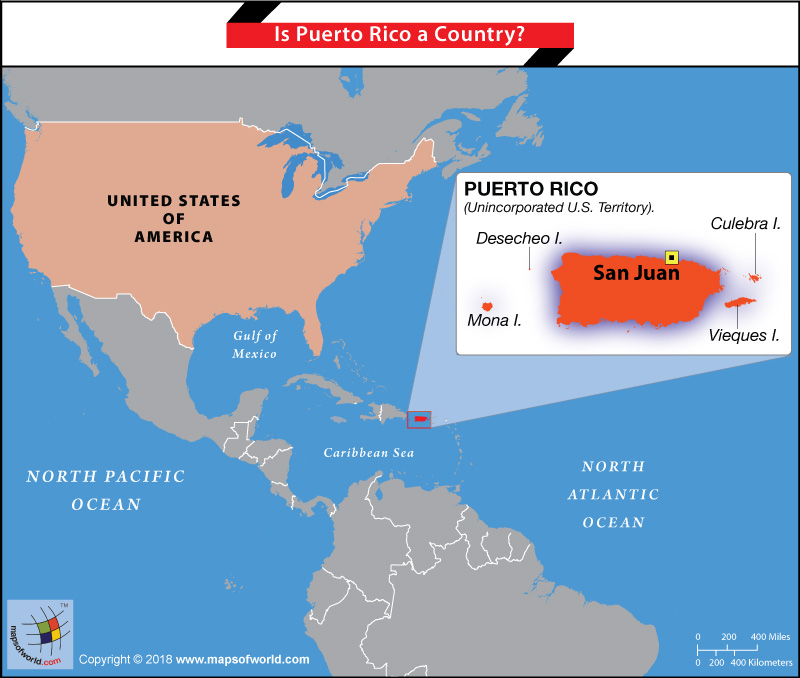
Under this commonwealth status, Puerto Rico exercises a significant degree of local autonomy, with its own elected governor, legislature, and judiciary. However, the island remains subject to U.S. federal law, and its residents do not have voting representation in the U.S. Congress (though they elect a non-voting Resident Commissioner). This unique political status means that while Puerto Ricans are U.S. citizens, they generally do not pay federal income taxes on income earned on the island, contributing to a distinct economic environment. For tourists, this dual identity is fascinating: you use U.S. dollars, drive on the right side of the road, and encounter many familiar brands, yet the language, culture, and vibrant rhythm are distinctly Puerto Rican, offering a blend of familiarity and exoticism that is hard to find elsewhere.
Implications for the Modern Traveler: Experiencing Puerto Rico’s Unique Identity
For those visiting Puerto Rico, understanding its relationship with the United States is not just an academic exercise; it profoundly shapes the cultural tapestry, logistical ease, and overall experience of the destination. This unique blend creates a travel experience unlike any other in the Caribbean.
Cultural Blending: The Taino, Spanish, and American Influences
Puerto Rico’s political history directly contributes to its incredibly rich and complex cultural identity. Before the Spanish arrival, the island was home to the indigenous Taíno people, whose legacy can still be found in place names, certain words, and the reverence for nature. The 400 years of Spanish colonization left an indelible mark, giving the island its predominant language (Spanish), much of its architecture (especially in Old San Juan), Catholic traditions, and culinary foundations.
The subsequent century of American influence has added another layer, introducing English as a co-official language, impacting education, popular culture, and governmental structures. For tourists, this means an immersive experience where historic Spanish forts stand alongside bustling modern shopping centers, and salsa music blends with American pop. English is widely spoken, especially in tourist areas, which facilitates communication, yet visitors can also delve into the beauty of the Spanish language and vibrant local traditions. This cultural blending offers a dynamic environment where visitors can explore ancient indigenous sites, colonial strongholds, and contemporary art scenes, all within a single trip.
Economic Ties and Infrastructure
The strong economic ties between Puerto Rico and the United States have a direct and beneficial impact on tourism. The U.S. dollar is the official currency, eliminating the need for currency exchange for American visitors and simplifying transactions for international travelers. Banking systems are robust, and credit cards are widely accepted. This financial stability, coupled with federal funding and infrastructure investments, has contributed to developing high-quality roads, modern airports like Luis Muñoz Marín International Airport in San Juan, and reliable utilities.
Furthermore, Puerto Rico’s status as a U.S. territory means that U.S. federal regulations often apply, ensuring certain standards for food safety, consumer protection, and environmental practices that enhance visitor confidence. For example, U.S. citizens do not need a passport to travel to Puerto Rico, making it an exceptionally accessible international-feeling destination for many. This robust infrastructure and economic integration make Puerto Rico an easy and comfortable destination for travelers, allowing them to focus on enjoying the island’s natural beauty and cultural offerings without logistical hurdles.
Navigating the Political Dialogue: Understanding Local Perspectives
While tourists primarily come to relax and explore, a deeper appreciation of Puerto Rico can be gained by understanding the ongoing political dialogue about its status. The debate among statehood, independence, and maintaining the current commonwealth status is a vibrant, often passionate, part of local life. These discussions, while not always overt to the casual tourist, underscore the resilience and distinct identity of the Puerto Rican people.
Visitors might observe subtle cues, from political billboards to conversations among locals, reflecting these differing viewpoints. Engaging respectfully with locals on such topics, or simply being aware of the nuances, can provide profound insights into the island’s soul. It reveals a community deeply proud of its heritage, actively shaping its future, and welcoming to those who seek to understand its story. This adds a layer of depth to the tourist experience, transforming a mere vacation into an opportunity for cultural immersion and thoughtful engagement.
Beyond the Headlines: Puerto Rico’s Enduring Appeal
The intricate political history and current status of Puerto Rico are more than just facts; they are threads woven into the vibrant tapestry of the island’s appeal. For the discerning traveler, understanding “why” Puerto Rico is part of the United States only deepens the appreciation for its unique charm and resilience.
A Gateway to Diverse Experiences
Puerto Rico’s connection to the United States makes it an exceptionally accessible gateway to a diverse range of experiences. For U.S. citizens, the ease of travel (no passport required, same currency, familiar federal regulations) means a seamless transition to a truly exotic locale. Yet, once there, visitors are enveloped in a distinctly Puerto Rican ambiance—a blend of Taíno echoes, rich Spanish colonial heritage, and modern American influences.
This fusion allows tourists to hike through the lush, tropical rainforest of El Yunque, explore the cobblestone streets and colorful buildings of Old San Juan, relax on world-class beaches, and savor a culinary scene that ranges from traditional mofongo to innovative fusion cuisine. The island offers adventure, relaxation, historical immersion, and vibrant nightlife, all supported by an infrastructure that benefits from its U.S. ties. It’s a place where you can experience the best of both worlds without the typical complexities of international travel.

Supporting Local Tourism
Understanding Puerto Rico’s unique political and economic situation also encourages a more conscious and supportive approach to tourism. The island faces ongoing challenges, from natural disasters to economic shifts, and a thriving tourism sector is vital for its recovery and growth. By choosing to visit Puerto Rico, tourists directly contribute to local businesses, preserve cultural heritage, and support the livelihoods of its people.
Engaging with local guides, dining at family-run restaurants, purchasing artisan crafts, and participating in community-based tours all help to strengthen the local economy and foster a deeper appreciation for the island’s culture. This thoughtful engagement transforms a trip into an act of support, celebrating Puerto Rico’s distinctive identity while contributing positively to its future.
In conclusion, Puerto Rico’s status as an unincorporated territory of the United States is a narrative born from centuries of history, pivotal conflicts, and evolving legislative acts. This history is not merely confined to textbooks; it lives and breathes in the island’s unique culture, its blend of languages, its economic landscape, and the resilient spirit of its people. For any traveler, grasping this fundamental aspect of Puerto Rico enriches the journey, transforming a visit into a profound cultural immersion that goes far beyond its pristine beaches and vibrant festivals. It allows one to truly understand and appreciate the soul of this remarkable Caribbean gem.
LifeOutOfTheBox is a participant in the Amazon Services LLC Associates Program, an affiliate advertising program designed to provide a means for sites to earn advertising fees by advertising and linking to Amazon.com. Amazon, the Amazon logo, AmazonSupply, and the AmazonSupply logo are trademarks of Amazon.com, Inc. or its affiliates. As an Amazon Associate we earn affiliate commissions from qualifying purchases.