
San Francisco, a city synonymous with innovation, culture, and breathtaking vistas, also holds a reputation for a surprisingly cool climate. While many associate California with sun-drenched beaches and perpetually warm weather, the fog-kissed hills of San Francisco often tell a different story. This persistent coolness is not a meteorological anomaly but rather a fascinating interplay of geography, ocean currents, and atmospheric phenomena. For travelers, understanding this unique climate is key to planning the perfect visit, ensuring comfortable exploration of its iconic landmarks and vibrant neighborhoods.
The Pacific Ocean’s Chill Influence
The primary driver behind San Francisco’s cool temperatures is its proximity to the vast and frigid Pacific Ocean. Unlike many coastal cities warmed by tropical currents, San Francisco is situated along a coastline influenced by the cold California Current. This powerful oceanic stream flows southward from the Bering Sea, carrying chilled waters to the shores of North America. As warm air masses from the continent move westward and encounter these cooler ocean waters, they are rapidly cooled from below. This process significantly moderates the coastal temperatures, preventing the extreme heat often experienced inland.

The California Current Explained
The California Current is an eastern boundary current, characterized by its cold temperature and low salinity. It plays a crucial role in the marine ecosystems along the West Coast of the United States, supporting rich biodiversity and fisheries. However, for human visitors, its most noticeable effect is the consistent cooling of the air along the coast. This means that even on sweltering days inland, San Francisco can remain refreshingly cool, often necessitating layers of clothing.
Oceanic Upwelling: A Deep Chill
Adding to the cooling effect is a phenomenon known as oceanic upwelling. During the spring and summer months, prevailing northwesterly winds along the coast push surface waters offshore. This creates a void that is then filled by cold, nutrient-rich water rising from the ocean depths. This upwelled water further chills the air that passes over it, intensifying the cool and often foggy conditions experienced in San Francisco during its warmest months. This is why July and August, typically considered peak summer in much of the United States, can be the foggiest and coolest in San Francisco.
The Infamous San Francisco Fog
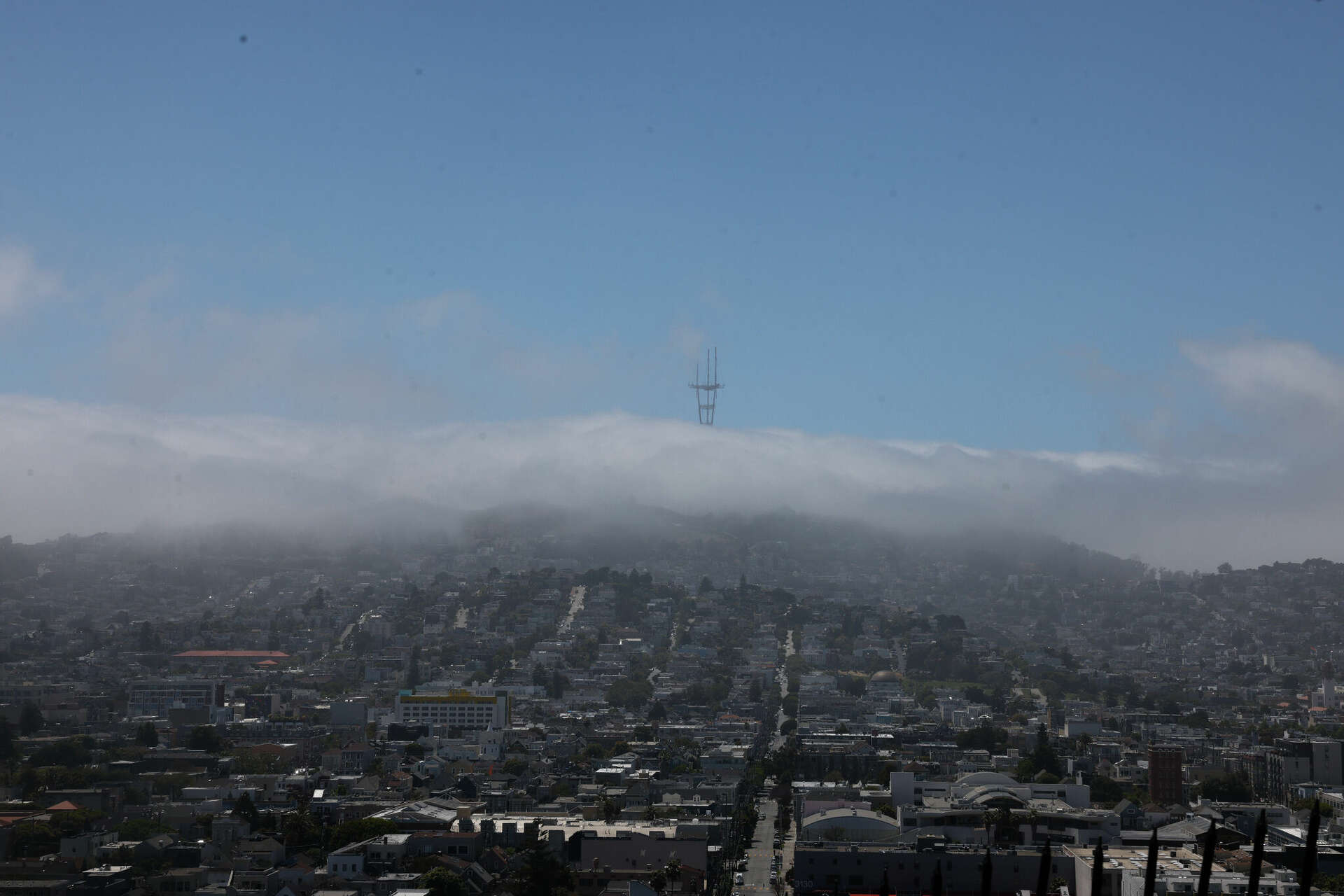
No discussion of San Francisco’s climate is complete without addressing its iconic fog. This meteorological marvel is a direct consequence of the interaction between the cool Pacific Ocean and the warmer inland temperatures.
How the Fog Forms
As the cold, moist air from the ocean moves inland, it encounters the warmer landmass. When the warm, moist air rises and cools, its ability to hold moisture decreases. This leads to the condensation of water vapor into tiny water droplets or ice crystals, forming fog. The fog is particularly prevalent in the mornings and evenings when the temperature differential between the ocean and land is greatest.
The Fog’s Journey Inland
The fog often rolls in from the Pacific, frequently moving through the Golden Gate Strait, the entrance to San Francisco Bay. Once inside the bay, it can linger, blanketing the city in a cool, ethereal mist. The thickness and persistence of the fog vary depending on the season, wind patterns, and atmospheric conditions. While it can sometimes obscure famous landmarks like the Golden Gate Bridge, it also contributes to the city’s unique ambiance and moderates temperatures effectively.
Microclimates Within the City
San Francisco is renowned for its diverse microclimates, a testament to its hilly topography and its relationship with the ocean. Neighborhoods closer to the ocean, such as the Sunset District and the Richmond District, tend to be consistently cooler and foggier, especially during the summer months. In contrast, neighborhoods further inland or on the eastern side of the city, like the Mission District or Potrero Hill, can experience significantly warmer and sunnier conditions, often due to the fog burning off earlier or not reaching them as intensely. This means that a short drive or bus ride can lead to a noticeable change in temperature and sunshine, a peculiar but charming aspect of exploring the city.
Topography and Wind Patterns

Beyond the oceanic influences, San Francisco’s topography and prevailing wind patterns also contribute to its cool climate.
The Role of Hills
The city is built upon a series of rolling hills, a characteristic that profoundly impacts local weather. As the marine air flows inland, it is forced to rise over these hills. This ascent causes the air to cool, leading to increased condensation and fog formation, particularly on the western-facing slopes. Conversely, the leeward sides of the hills, or areas shielded from the direct marine influence, can be warmer and drier. This topographical variation creates the aforementioned microclimates, offering travelers a dynamic experience as they navigate the city’s distinct neighborhoods.
Prevailing Winds and Airflow
San Francisco experiences a diurnal wind pattern, meaning the winds shift with the time of day. During the day, the land heats up faster than the ocean, creating a low-pressure system over the land. This draws cooler air from the ocean inland, fueling the afternoon sea breeze. This sea breeze is a primary reason why afternoons in San Francisco can feel brisk, even when the sun is shining. At night, the land cools down, and the pressure gradients reverse, often leading to calmer conditions. These consistent wind patterns, driven by the temperature difference between land and sea, are instrumental in bringing the cool, moist air that defines the city’s climate.
Planning Your Visit: Dressing for the Cold
Understanding why San Francisco is so cold is not just an academic exercise; it’s crucial for a comfortable and enjoyable visit. Packing appropriately is key to maximizing your experience, whether you’re exploring the historic streets of North Beach, visiting Alcatraz Island, or strolling through Golden Gate Park.
The “San Francisco Uniform”: Layers, Layers, Layers
The most common and effective advice for visiting San Francisco is to pack layers. The weather can change rapidly throughout the day, and moving between different microclimates can mean a significant temperature swing. A typical packing strategy includes:
- Base Layer: A t-shirt or long-sleeved shirt made of breathable fabric.
- Mid Layer: A fleece jacket, sweater, or hoodie for added warmth.
- Outer Layer: A windproof and water-resistant jacket is essential. This will protect you from the notorious fog and any unexpected drizzles, as well as the brisk winds.
Even in the height of summer, carrying a light jacket or scarf is advisable, especially if you plan to spend time near the coast or on a bay cruise. The evenings can get particularly chilly.
Footwear for Exploration
Comfortable walking shoes are a must for exploring San Francisco, given its hilly terrain and the sheer number of attractions. Consider footwear that can handle varied conditions, from sun-drenched sidewalks to potentially damp, foggy paths. Waterproof or water-resistant shoes can be a wise investment, especially if you plan on extensive outdoor activities.
Timing Your Visit for Specific Weather Experiences
While the city is cool year-round, there are subtle variations:
- Spring (March-May): Often brings a mix of sun and fog. Temperatures are moderate, and the city is less crowded than in summer.
- Summer (June-August): This is paradoxically the foggiest and coolest period. Expect cool mornings and evenings, with a chance of fog rolling in throughout the day, especially on the western side. This is the peak tourist season, so expect crowds.
- Autumn (September-November): Generally considered the warmest and sunniest time in San Francisco. The fog often recedes, and the weather is more consistently pleasant, making it an ideal time for outdoor exploration.
- Winter (December-February): The coolest months, with the highest chance of rain. Temperatures are mild compared to many other cities, but it’s definitely winter weather.
By understanding the unique climatic forces at play, travelers can better prepare for the distinct “cool” of San Francisco, ensuring that this vibrant metropolis can be fully enjoyed, regardless of whether the sun is shining or the fog is rolling in.
LifeOutOfTheBox is a participant in the Amazon Services LLC Associates Program, an affiliate advertising program designed to provide a means for sites to earn advertising fees by advertising and linking to Amazon.com. Amazon, the Amazon logo, AmazonSupply, and the AmazonSupply logo are trademarks of Amazon.com, Inc. or its affiliates. As an Amazon Associate we earn affiliate commissions from qualifying purchases.