
The Mississippi River is more than just a geographical feature; it’s the lifeblood of a nation, a colossal artery shaping landscapes, economies, and cultures across the United States. Its sheer scale and historical significance make it a paramount landmark, influencing everything from agriculture and industry to the very spirit of the regions it traverses. Understanding its importance requires looking beyond its immense flow and into the intricate web of its contributions.
A Natural Wonder and Vital Ecosystem
The Mississippi River is one of North America’s longest and largest rivers, second only to the Missouri River in length. Its drainage basin, the third largest in the world, encompasses all or parts of 32 U.S. states and two Canadian provinces. This vast expanse highlights the river’s profound ecological role.
Biodiversity Hotspot
The river and its surrounding wetlands support an astonishing array of biodiversity. It serves as a critical flyway for migratory birds, with millions of waterfowl and songbirds relying on its habitats during their annual journeys. Numerous species of fish, amphibians, reptiles, and mammals call the Mississippi River and its tributaries home, making it a vital ecological corridor. The health of these ecosystems is directly tied to the river’s well-being.
Shaping the Landscape
Over millennia, the Mississippi River has been a powerful force of geological change. Its meanders, oxbow lakes, and vast delta have sculpted the land, creating fertile floodplains essential for agriculture. The constant deposition of sediment, particularly in the lower reaches, has formed the rich alluvial soils that characterize much of the Lower Mississippi Valley. This dynamic geological process continues to shape the delta region, a constantly evolving natural wonder.
Floodplain Dynamics
The river’s natural tendency to flood has historically played a crucial role in maintaining the health of its floodplains. These inundations deposit nutrient-rich silt, replenishing the soil and supporting diverse plant and animal life. While modern flood control measures have altered these natural cycles, understanding the river’s inherent dynamism is key to appreciating its ecological significance. The Mississippi River Delta itself is a testament to this continuous process of creation and renewal.
The Economic Engine of a Continent
Economically, the Mississippi River is a titan, facilitating trade, supporting industries, and driving economic growth across its vast watershed. Its navigable waterways have been instrumental in the development of the United States.
A Highway for Commerce
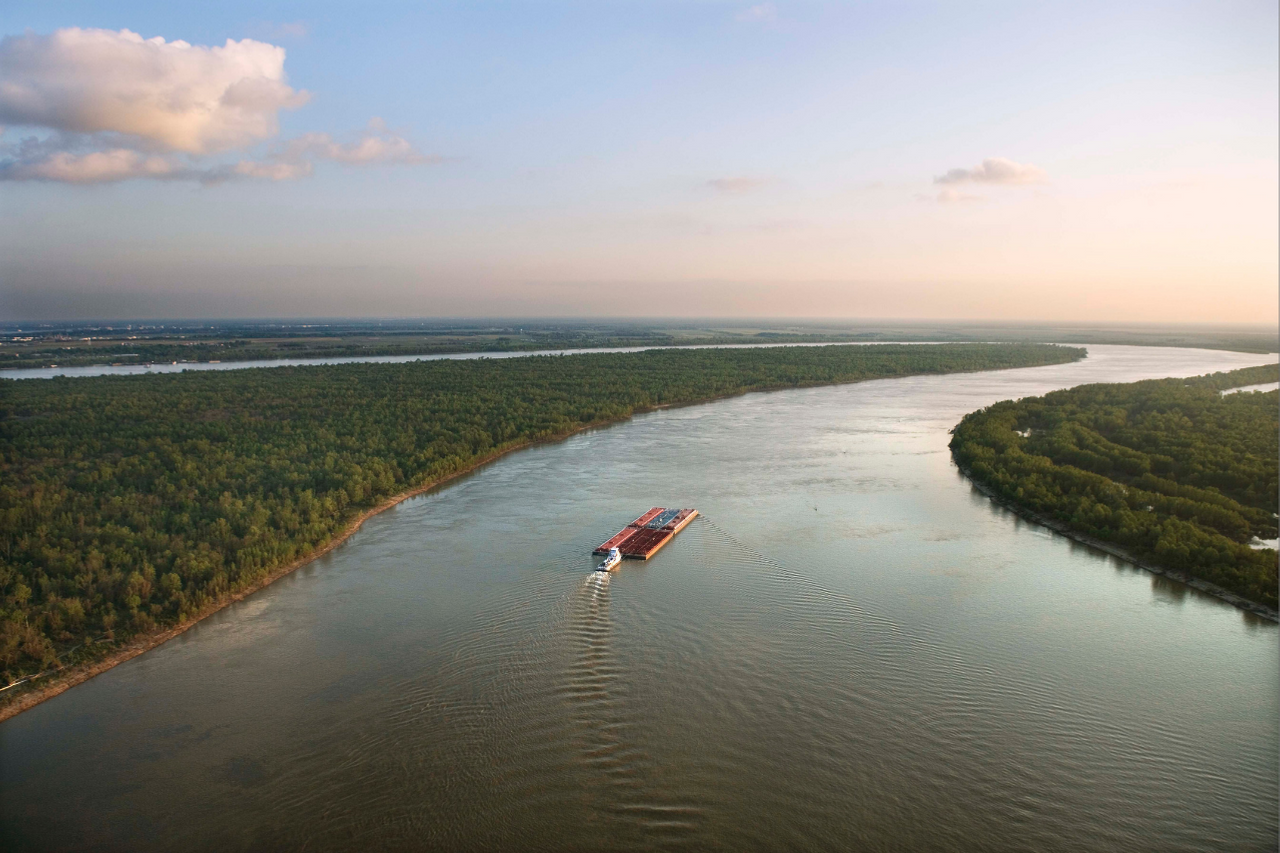
The Mississippi River and its system of interconnected waterways form one of the most extensive inland navigation systems in the world. Barges carrying millions of tons of commodities – including grain, coal, chemicals, and petroleum products – traverse its length daily. This efficient and cost-effective mode of transportation is vital for both domestic and international trade, significantly impacting the cost of goods and the competitiveness of American industries. Ports along the river, such as those in New Orleans, St. Louis, and Memphis, are bustling hubs of economic activity.
Agricultural Powerhouse
The fertile lands bordering the Mississippi River are among the most productive agricultural regions in the world. The river provides essential irrigation for crops like corn, soybeans, and cotton. Furthermore, the river’s role in transportation is crucial for getting these agricultural products to market, both domestically and internationally. The economic viability of a significant portion of American agriculture is directly linked to the health and navigability of the Mississippi River.
Industrial Hub
Beyond agriculture, the river’s proximity and access have made it an attractive location for a wide range of industries. Manufacturing plants, energy producers, and chemical facilities often locate along its banks to take advantage of water for cooling, process needs, and efficient transportation of raw materials and finished goods. The industrial corridor known as the Mississippi River Chemical Corridor, extending from Baton Rouge to New Orleans, is a prime example of this industrial significance.

A Tapestry of Culture and History
The Mississippi River has not only shaped the land and economy but also deeply influenced the cultural and historical narrative of the United States. It has been a conduit for migration, a source of inspiration, and a silent witness to pivotal moments.
Early Exploration and Settlement
From the earliest indigenous peoples who navigated its waters to the European explorers like Hernando de Soto and later Louis Jolliet and Jacques Marquette, the Mississippi River was a primary route for exploration and settlement. Its banks became the sites of early colonial outposts and eventually thriving cities. The strategic importance of the river was evident throughout various historical periods, from the fur trade to westward expansion.
A Cradle of American Music
The cultural impact of the Mississippi River is perhaps most famously felt in its contribution to American music. The vibrant cultural exchange that occurred along its shores, particularly in cities like New Orleans and Memphis, gave birth to genres like blues, jazz, and rock and roll. The river itself, with its steamboats and the stories of those who traveled upon it, became a recurring motif in songs and literature, immortalized by artists and writers.
A Symbol of National Identity
The Mississippi River serves as a powerful symbol of national identity and connection. It is often referred to as “America’s River,” a central artery that binds together diverse regions and peoples. Its presence evokes images of the American heartland, of steamboats gliding through serene waters, and of the vastness of the continent. Its historical narrative is intertwined with the nation’s own journey of growth, conflict, and cultural evolution.
Literary and Artistic Inspiration
The grandeur and mystique of the Mississippi River have inspired countless works of literature and art. From Mark Twain‘s classic novels like “The Adventures of Huckleberry Finn” and “Life on the Mississippi,” which capture the spirit and challenges of river life, to contemporary artists and photographers, the river continues to be a muse. It represents adventure, mystery, the frontier, and the enduring connection between humanity and nature.
Facing Modern Challenges and Ensuring Future Vitality
Despite its enduring importance, the Mississippi River faces significant environmental and infrastructural challenges in the modern era. Ensuring its continued vitality is crucial for the future prosperity and ecological health of the nation.
Environmental Concerns
Pollution from agricultural runoff (including pesticides and fertilizers), industrial discharge, and urban wastewater poses a continuous threat to the river’s ecosystem and water quality. The formation of the “Dead Zone” in the Gulf of Mexico, a result of nutrient overload from the river, is a stark reminder of the widespread environmental impacts. Efforts to manage nutrient runoff and improve water treatment are ongoing.
Infrastructure and Management
Maintaining the navigability of the river requires continuous investment in infrastructure, including dams, locks, and dredging operations. Balancing the needs of navigation with ecological concerns, such as fish passage and habitat restoration, is a complex challenge. Flood control management also remains a critical issue, particularly in light of changing climate patterns and increased development in floodplain areas.
Conservation and Sustainability
The long-term importance of the Mississippi River hinges on comprehensive conservation efforts. This includes protecting critical habitats, restoring degraded wetlands, and promoting sustainable land and water management practices throughout the watershed. The health of the river is inextricably linked to the health of the land that feeds it and the communities that depend on it.
In conclusion, the Mississippi River is a landmark of unparalleled significance. Its ecological vitality, economic contributions, and deep cultural resonance make it a cornerstone of American identity and prosperity. Recognizing and actively preserving its multifaceted importance is a responsibility that extends to all who benefit from its majestic flow.
LifeOutOfTheBox is a participant in the Amazon Services LLC Associates Program, an affiliate advertising program designed to provide a means for sites to earn advertising fees by advertising and linking to Amazon.com. Amazon, the Amazon logo, AmazonSupply, and the AmazonSupply logo are trademarks of Amazon.com, Inc. or its affiliates. As an Amazon Associate we earn affiliate commissions from qualifying purchases.