
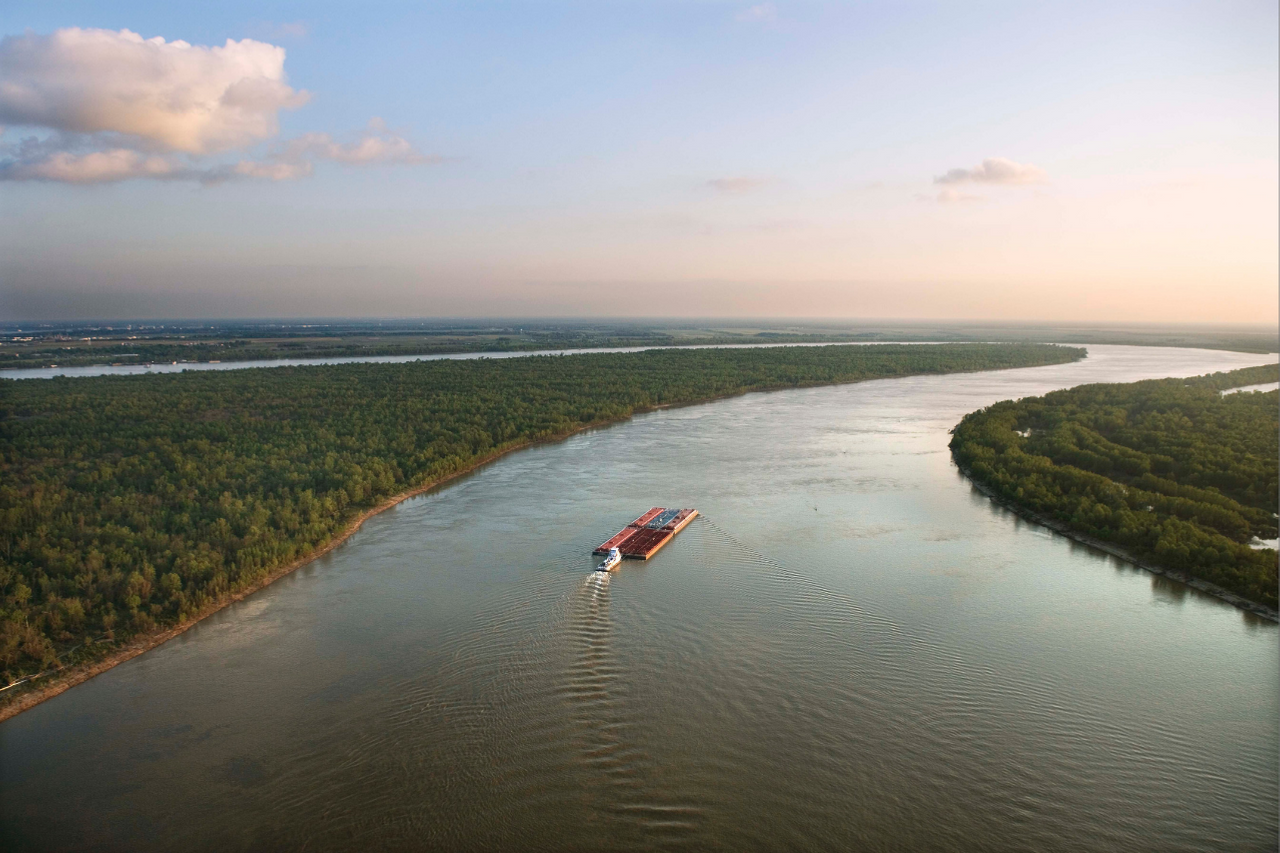
The Mississippi River is more than just a river; it is the beating heart of North America, a monumental natural landmark that has shaped the geography, history, economy, and culture of the United States for millennia. Stretching approximately 2,340 miles from its humble source in Lake Itasca, Minnesota, to its grand delta in the Gulf of Mexico, the Mississippi drains all or part of 32 U.S. states and two Canadian provinces. Its immense scale and profound influence make it one of the world’s most significant rivers, a true testament to nature’s power and humanity’s enduring connection to vital waterways. Understanding its importance requires delving into its geographical grandeur, historical narrative, ecological richness, and the indelible mark it has left on the American identity.
A Geographic Colossus: Defining the American Landscape
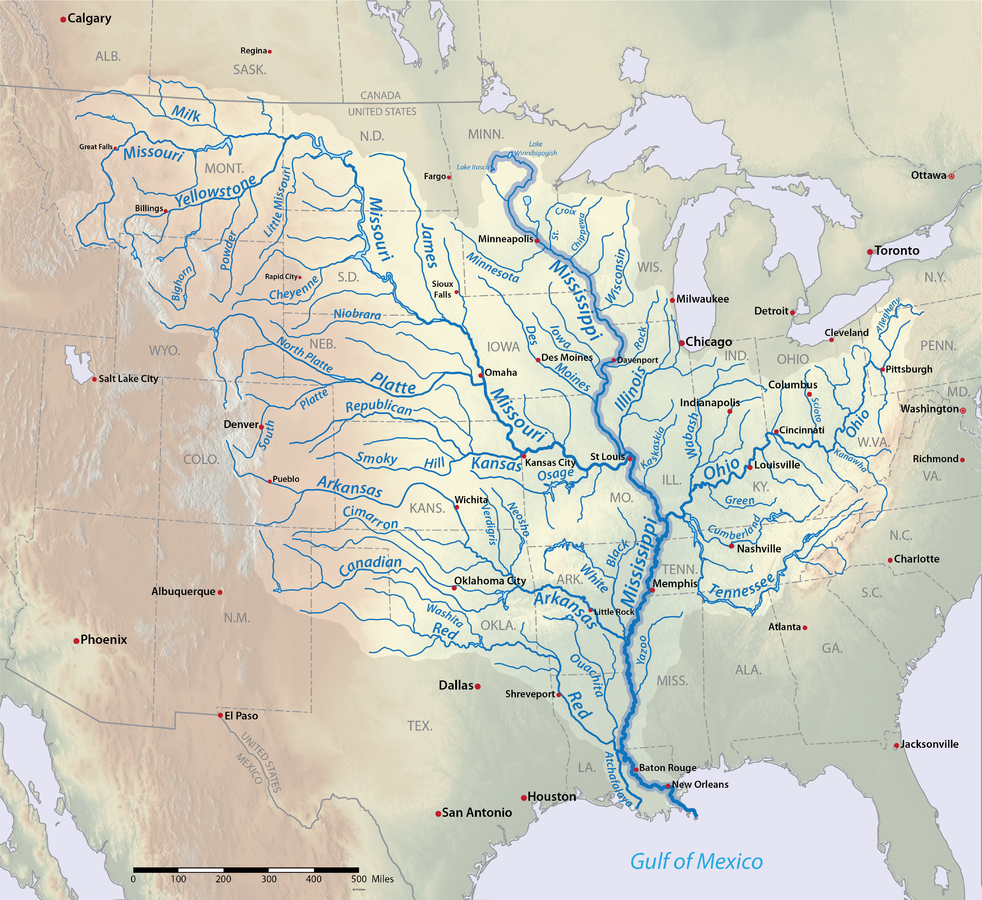
The sheer size and intricate network of the Mississippi River basin are staggering. Its vast watershed encompasses nearly 40% of the continental United States, touching a diverse array of landscapes from the northern forests to the southern swamps. This geographical dominance has made it a central feature in the American imagination and a critical component of the continent’s hydrological system.
The Mighty Current’s Reach
Originating as a mere trickle in Lake Itasca, the Mississippi River steadily gathers momentum and volume as it flows southward, fed by hundreds of tributaries. Major rivers like the Missouri River, the Ohio River, and the Arkansas River converge with the Mississippi, transforming it into a colossal artery that carries an average of 600,000 cubic feet of water per second into the Gulf of Mexico. This immense flow of water and sediment has continually reshaped the landscape, creating fertile floodplains and dynamic deltas that are among the most productive ecosystems on Earth. The river forms borders for ten U.S. states—Minnesota, Wisconsin, Iowa, Illinois, Missouri, Kentucky, Tennessee, Arkansas, Mississippi, and Louisiana—underscoring its role as a fundamental geographical divide and connector.
A Natural Highway and Barrier
For centuries, the Mississippi River has served as both a natural highway and a formidable barrier. Its vastness presented challenges for early settlers and engineers, yet its navigable waters also facilitated exploration, trade, and migration. The river’s dynamic nature, with its annual floods and shifting channels, meant that human interaction with it was always a negotiation, fostering ingenuity in bridge building, levee construction, and river management. Its course dictated the location of major cities, influenced the patterns of land use, and defined regional identities, making it an indispensable part of the American geographical consciousness.
A Tapestry of History and Heritage
The history of the Mississippi River is intertwined with the history of America itself. From ancient indigenous civilizations to European exploration and the shaping of the modern nation, the river has been a silent witness and an active participant in pivotal moments.
Pathways of Indigenous Peoples
Long before European contact, the Mississippi River was a vital lifeline for numerous indigenous cultures. Mound-building societies like the Mississippian culture, whose urban center at Cahokia near modern-day St. Louis rivaled the size of contemporary European cities, thrived along its banks. The river provided abundant food resources, fertile land for agriculture, and a crucial transportation network that connected diverse communities across vast distances. Tribes such as the Choctaw, Chickasaw, Quapaw, Osage, Sauk, and Fox established settlements, trade routes, and spiritual practices deeply rooted in the river’s rhythms. Their sophisticated understanding and stewardship of the river represent a profound historical legacy.
The Artery of Early American Expansion
European exploration of the Mississippi River began in earnest in the 17th century with Louis Jolliet and Jacques Marquette, followed by René-Robert Cavelier, Sieur de La Salle, who claimed the entire watershed for France in 1682, naming it “Louisiana” after King Louis XIV. This French claim, and subsequent Spanish control, made the river a geopolitical prize. The Louisiana Purchase in 1803, where the United States acquired a massive territory from France, was fundamentally driven by the strategic importance of controlling the Mississippi River and its port at New Orleans. This acquisition doubled the size of the fledgling nation and cemented the river’s role as the primary conduit for westward expansion and commerce.
Civil War and Beyond: A Strategic Imperative
During the American Civil War (1861-1865), control of the Mississippi River became a critical strategic objective for the Union forces. As President Abraham Lincoln famously stated, the river was the “Union’s backbone.” Control of the river would split the Confederacy in two, severing vital supply lines and troop movements. Major campaigns and battles, such as the Siege of Vicksburg, revolved around gaining dominance over this waterway. The Union’s eventual success in securing the entire river was a decisive turning point in the war, highlighting its unparalleled military significance. Post-war, the river continued to be central to economic recovery and industrial development, fostering growth in river cities like St. Louis, Memphis, and New Orleans.
An Ecological Marvel: Biodiversity and Environmental Dynamics
Beyond its historical and geographical prominence, the Mississippi River is an ecological marvel, supporting a vast array of life and contributing significantly to global biodiversity. Its diverse habitats, from the forested floodplains to the expansive delta, create a rich tapestry of ecosystems.
Biodiversity Hotspot
The Mississippi River and its floodplains host an astonishing variety of flora and fauna. It is home to over 145 species of amphibians and reptiles, 50 species of mammals, and a staggering 300 species of fish, including unique creatures like the paddlefish and various species of catfish. Its flyway is a critical migratory corridor for millions of birds, with over 325 species relying on the river basin for breeding, feeding, and resting during their annual migrations. The wetlands and backwaters along the river provide essential nurseries for aquatic species and critical habitats for waterfowl, making it a crucial component of hemispheric ecological health. The Atchafalaya Basin in Louisiana, the nation’s largest river swamp, is a prime example of the incredible biodiversity sustained by the Mississippi’s deltaic system.
The River’s Dynamic Ecosystem
The Mississippi River is a dynamic living system, constantly shaping and reshaping its environment. Its annual flood cycles, though often disruptive to human settlements, are vital for rejuvenating floodplains, distributing nutrient-rich sediment, and supporting the health of its diverse ecosystems. The river’s flow dictates the health of the Gulf of Mexico estuary, impacting fisheries and marine life far beyond its mouth. However, human interventions, such as extensive levee systems, channelization, and agricultural runoff, have significantly altered these natural dynamics, leading to challenges like habitat loss, altered hydrology, and the infamous “dead zone” in the Gulf where oxygen levels are too low to support most marine life.
Challenges and Conservation Efforts
Recognizing the ecological stress on the Mississippi River, significant conservation efforts are underway. Organizations, government agencies like the U.S. Army Corps of Engineers, and local communities are working to restore wetlands, manage water quality, and promote sustainable practices within the watershed. These efforts aim to balance human needs with the preservation of the river’s invaluable natural heritage, ensuring that its ecological importance endures for future generations.
Economic Engine and Cultural Beacon
The Mississippi River’s importance extends far beyond its physical presence; it is a powerful economic engine and a profound cultural inspiration, deeply woven into the fabric of American life.
A Vital Waterway for Commerce
For centuries, the Mississippi River has been the primary transportation artery for the heartland of America. Today, it remains one of the world’s busiest commercial waterways, facilitating the movement of an enormous volume of goods. Barges transport agricultural products like corn, soybeans, and wheat from the fertile Midwest to export markets via New Orleans. Industrial materials, petroleum, chemicals, and construction aggregates also traverse its waters. This efficient and cost-effective mode of transport is crucial for the nation’s economy, supporting countless industries and jobs throughout the river basin. The system of locks and dams along the upper Mississippi helps maintain navigable depths, allowing for continuous commercial activity.
Agriculture and Industry
The fertile lands of the Mississippi River floodplain are among the most productive agricultural regions globally, yielding vast quantities of crops that feed the nation and the world. Beyond agriculture, the river supports a robust industrial base, with manufacturing plants, refineries, and power generation facilities relying on its water for operations and its channels for transport. Cities like Baton Rouge, St. Louis, and Memphis have historically thrived as centers of commerce and industry precisely because of their strategic location on the river.
Cultural Inspiration and Recreation
The Mississippi River has left an indelible mark on American culture, inspiring literature, music, and folklore. Mark Twain, arguably the river’s most famous literary chronicler, immortalized its spirit and the lives of those who worked and lived along its banks in classics like “The Adventures of Tom Sawyer” and “Adventures of Huckleberry Finn.” The river is also the birthplace of distinct musical genres, most notably the Blues in the Mississippi Delta and Jazz in New Orleans. Its imagery pervades American art, photography, and popular culture, symbolizing freedom, adventure, and the rugged frontier spirit. Today, the river and its adjacent lands offer abundant recreational opportunities, from fishing and boating to hiking and birdwatching, attracting tourists and locals alike who seek to connect with this magnificent natural landmark.
Navigating Its Enduring Legacy
The Mississippi River’s importance is not static; it is a constantly evolving entity, challenging and enriching the lives of those within its embrace. Its future relies on a delicate balance between utilization and preservation, acknowledging its multifaceted value.
The Future of the Great River
As the United States grapples with climate change, ecological degradation, and sustainable development, the Mississippi River remains at the forefront of these challenges. Managing its floods, maintaining its navigability, preserving its biodiversity, and addressing pollution are complex tasks that require ongoing collaboration and innovative solutions. Projects aimed at river restoration, sustainable agriculture, and the protection of critical habitats are vital for ensuring the long-term health and vitality of this national treasure.

Preserving a National Treasure
Ultimately, the Mississippi River is important because it is a profoundly integrated part of the American experience. It is a historical record written in water and land, a vibrant ecological sanctuary, an indispensable economic artery, and an unending source of cultural inspiration. Its importance transcends utility; it speaks to the soul of a nation, embodying resilience, flow, and transformation. As a landmark, it calls upon us to recognize its power, respect its complexities, and commit to its preservation, ensuring that future generations can continue to marvel at its grandeur and understand its enduring significance. The Mississippi River is not just a geographical feature; it is a living monument to the American past, present, and future.
LifeOutOfTheBox is a participant in the Amazon Services LLC Associates Program, an affiliate advertising program designed to provide a means for sites to earn advertising fees by advertising and linking to Amazon.com. Amazon, the Amazon logo, AmazonSupply, and the AmazonSupply logo are trademarks of Amazon.com, Inc. or its affiliates. As an Amazon Associate we earn affiliate commissions from qualifying purchases.