
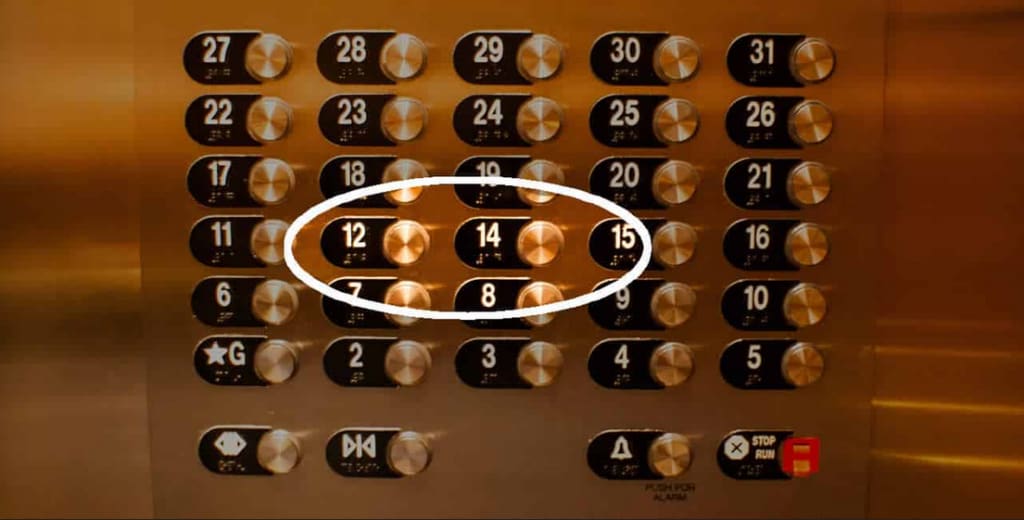
The architectural landscape of the hospitality industry is defined by precision, luxury, and guest experience. Yet, if you look closely at the elevator panels in many prominent establishments, you will notice a peculiar omission: the button for the 13th floor is often missing. Whether you are checking into a high-rise in New York City or staying at a boutique property in London, this phenomenon is a persistent tradition. This practice, known as triskaidekaphobia—the fear of the number 13—highlights the delicate balance between modern structural engineering and the deep-seated psychological preferences of travelers.

The Psychological Roots of Triskaidekaphobia
The aversion to the number 13 is one of the most widespread superstitions in Western culture. It is a belief system that transcends borders, influencing everything from urban planning to the way global hotel chains design their guest floor layouts.
Historical Origins and Cultural Perception
The fear of 13 is ancient, with roots that are often debated by historians and folklorists. In Western mythology, the number 12 is frequently viewed as a symbol of completeness—there are 12 months in a year, 12 signs of the zodiac, and 12 hours on a clock. Consequently, the number 13 is often perceived as a disruption of that harmony. In Christianity, the Last Supper included 13 guests, leading to the long-standing belief that being the 13th person at a table is an omen of misfortune. This cultural anxiety has permeated the hospitality sector, where guest comfort is the primary directive.
The Role of Guest Comfort
For major hotel operators like Hilton or Marriott, the primary goal is to provide a seamless and stress-free environment. When a luxury resort or a business hotel is marketed to an international clientele, management must account for various cultural sensitivities. Even if a guest is not personally superstitious, the existence of a “13th floor” could theoretically create a subconscious sense of unease or be perceived as a marketing deterrent. By simply skipping the floor number, hotels mitigate the risk of guest dissatisfaction before they even step out of the elevator.
The Impact on Hotel Architecture and Design
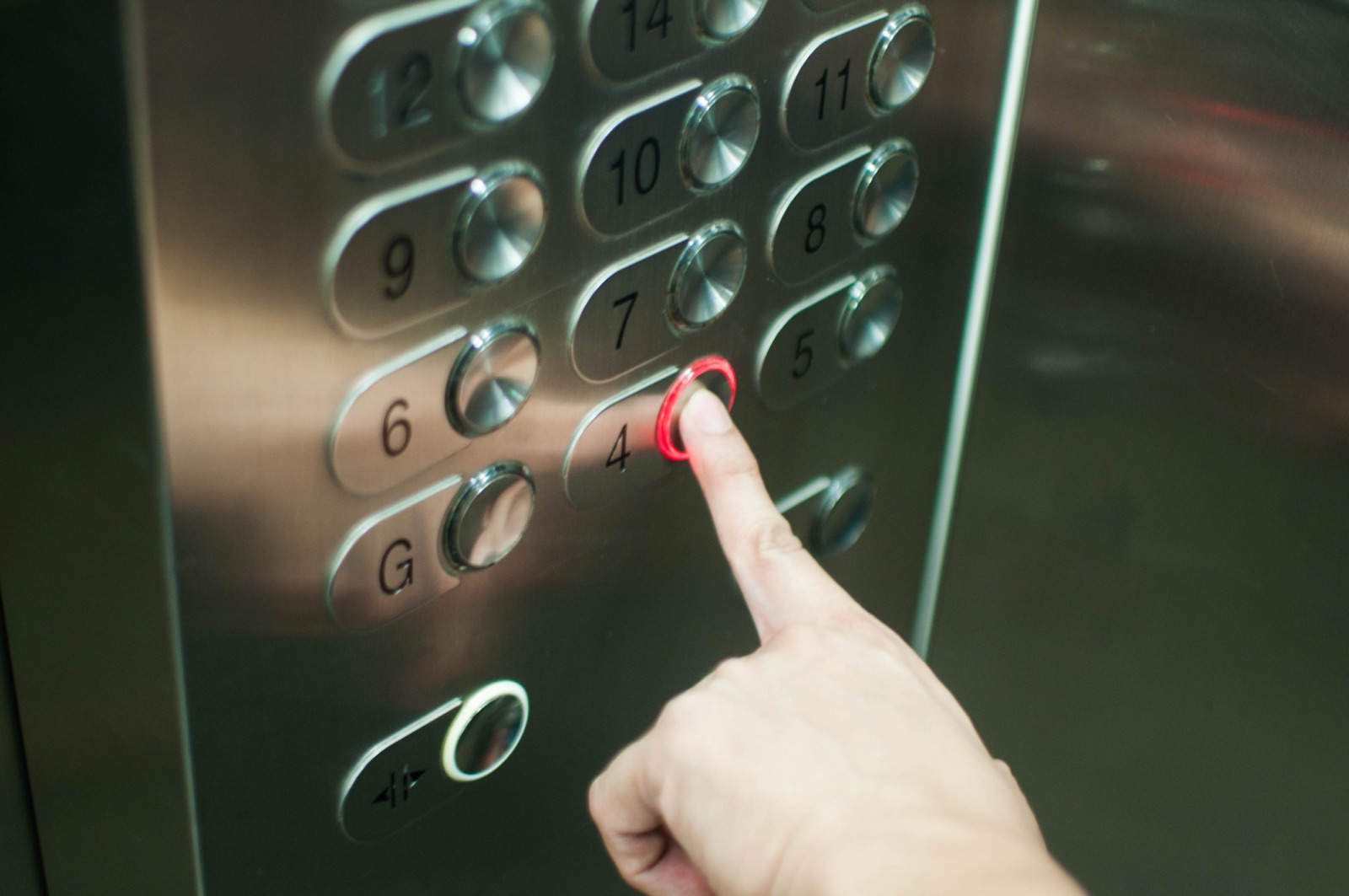
While the elevator panel might skip from 12 to 14, the actual physical structure of the building does not vanish. A 20-story building still has 20 levels of construction; the numbers on the walls are simply recalibrated to satisfy the social preference.
Structural Realities vs. Numerical Omissions
From an engineering perspective, every floor needs to be accounted for. Architects designing massive skyscraper hotels in hubs like Dubai or Chicago must navigate both the physical demands of gravity and the symbolic demands of the market. When an architect labels a floor as “14,” it is fundamentally still the 13th level above ground. This requires precise coordination between the architectural blueprints and the elevator programming. If a guest loses their room key or requires maintenance on what is technically the 13th floor, the hotel’s internal database usually labels it as “14A” or simply “14” to ensure internal staff and guests are aligned, even if the math doesn’t strictly hold up.
Renumbering and Modern Standardization
In some modern builds, architects have moved away from the omission method, opting instead for neutral naming conventions. Instead of skipping the floor, some properties use themes or names for their levels, such as “Sky Level,” “Garden Level,” or “Penthouse Suite.” This modernizes the building without relying on superstitious numbering. However, in older historic hotels, such as the Waldorf Astoria, the tradition of the missing floor is often preserved as part of the building’s heritage and charm, acknowledging a bygone era where such superstitions were taken much more seriously than they are today.
Global Variations in Superstition
It is important to note that the aversion to the number 13 is not a universal constant. While the Western world grapples with the “unlucky 13,” other cultures have their own numerical taboos that influence hotel operations in different parts of the world.
The Tetraphobia Phenomenon in Asia
In many parts of East Asia, including China, Japan, and South Korea, the number 4 is considered the ultimate harbinger of bad luck. This is due to the phonetic similarity between the word for “four” and the word for “death” in many Sino-Japanese languages. In these regions, hotels often skip the 4th floor, the 14th floor, and the 24th floor. Staying at a major hotel chain in Tokyo or Seoul, you will frequently find that the elevator jumps from 3 to 5, or 13 to 15. This effectively shows that superstition in hospitality is a localized adaptation; hotels cater to the specific fears of their dominant guest demographic.
The Evolution of the Hospitality Industry
As the industry becomes increasingly globalized, brands are often forced to choose which superstitions to honor. A large, international resort chain in a city like Singapore might have to reconcile both the Western fear of 13 and the Eastern fear of 4. In these instances, the hotel may choose to ignore both, resulting in a building that skips multiple floors in its numbering sequence. While this might seem illogical to the casual observer, it is a strategic business decision designed to ensure that no guest feels unwelcome or uncomfortable within their temporary home.
The Future of Floor Numbering
As we move further into a digital and data-driven era, the necessity of these superstitious omissions is being questioned. With the rise of boutique hotels and minimalist design, the focus is shifting toward transparency and functional utility.
Is the Tradition Fading?
Younger travelers, particularly those in the digital nomad category, tend to be less tethered to traditional superstitions. Many modern hotel developments are moving toward standard numerical sequences, arguing that “13” is simply another integer. Furthermore, for hotels integrated into massive commercial developments, renumbering can cause significant confusion for navigation, building maintenance, and emergency services. In the event of a fire or a medical emergency at a property like the Burj Al Arab, clarity is far more important than avoiding a potentially “unlucky” number.
Final Thoughts on Architectural Custom
Ultimately, the absence of the 13th floor is a testament to the fact that the hospitality industry is fundamentally a service-oriented business. Whether the superstition is rooted in ancient religious texts or modern cultural trends, hotels exist to facilitate the needs and expectations of the people who pay to stay in them. If skipping a button on an elevator helps a guest feel slightly more at ease during their stay in a foreign city, most hotels will consider it a worthwhile investment in the customer experience. As long as the hotel industry continues to prioritize the emotional and psychological well-being of its patrons, these small, hidden traditions will likely remain a fixture of the guest experience for years to come.
LifeOutOfTheBox is a participant in the Amazon Services LLC Associates Program, an affiliate advertising program designed to provide a means for sites to earn advertising fees by advertising and linking to Amazon.com. Amazon, the Amazon logo, AmazonSupply, and the AmazonSupply logo are trademarks of Amazon.com, Inc. or its affiliates. As an Amazon Associate we earn affiliate commissions from qualifying purchases.