
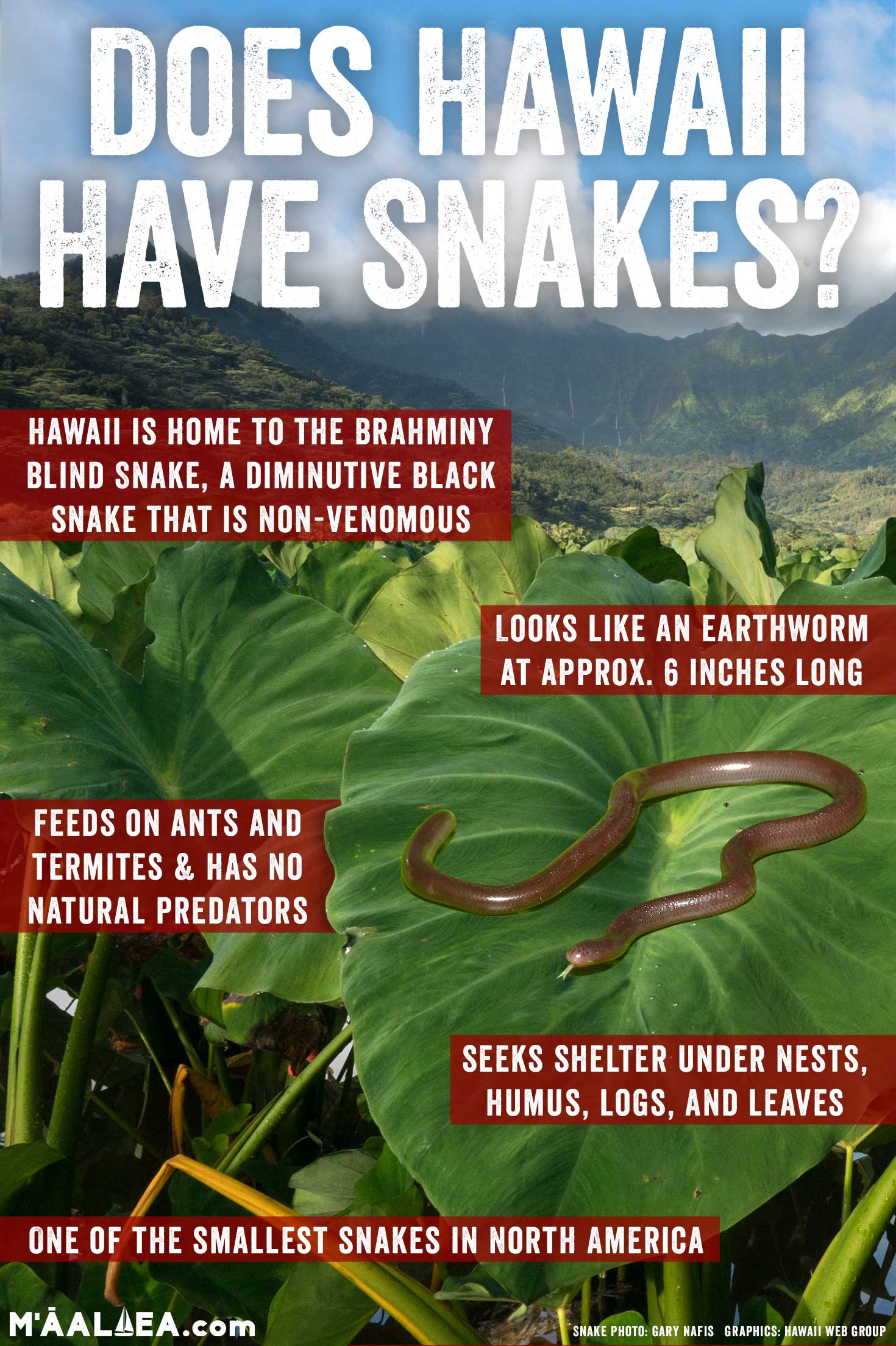
The pristine beaches, lush rainforests, and vibrant culture of Hawaii are world-renowned, drawing millions of visitors each year. Tourists flock to the Aloha State for its breathtaking scenery, unique experiences, and the promise of a relaxing getaway. However, one notable absence often surprises those unfamiliar with the islands’ unique natural history: the complete lack of native snakes. While many tropical destinations boast a diverse array of reptiles, Hawaii stands as a remarkable exception. This absence isn’t a mere coincidence; it’s a testament to the islands’ geographic isolation and the careful, often stringent, measures taken to preserve its delicate ecosystem.
The Serpentine Silence: Unpacking Hawaii’s Unique Ecology
Hawaii is a young archipelago, geologically speaking. Formed by volcanic activity over millions of years, these islands are incredibly isolated, situated thousands of miles from the nearest continental landmass. This remoteness has profoundly shaped its biodiversity. Over time, species that managed to reach the islands – whether by wind, ocean currents, or migratory birds – evolved in isolation, leading to unique endemic species found nowhere else on Earth. Think of the vibrant Hawaiian honeycreepers or the majestic Hawaiian monk seal; these are creatures that developed their distinct characteristics in a world largely free from terrestrial predators and competitors.
Snakes, on the other hand, are largely terrestrial creatures. For them to reach isolated islands like Hawaii without human intervention is exceptionally difficult. The vast Pacific Ocean presents an almost insurmountable barrier. While some snakes can swim, the distances involved are simply too great for sustained colonization. Consequently, before human arrival, Hawaii was a land without snakes, a serpentine-free sanctuary. This absence allowed native bird populations, which had evolved without the threat of snake predation, to flourish. Many of Hawaii‘s endemic birds, like the ʻiʻiwi or the Nēnē (the state bird), are ground-nesting or have had evolutionary traits that made them vulnerable to ground predators.
The Accidental Arrival: The Brown Tree Snake and Its Devastating Impact
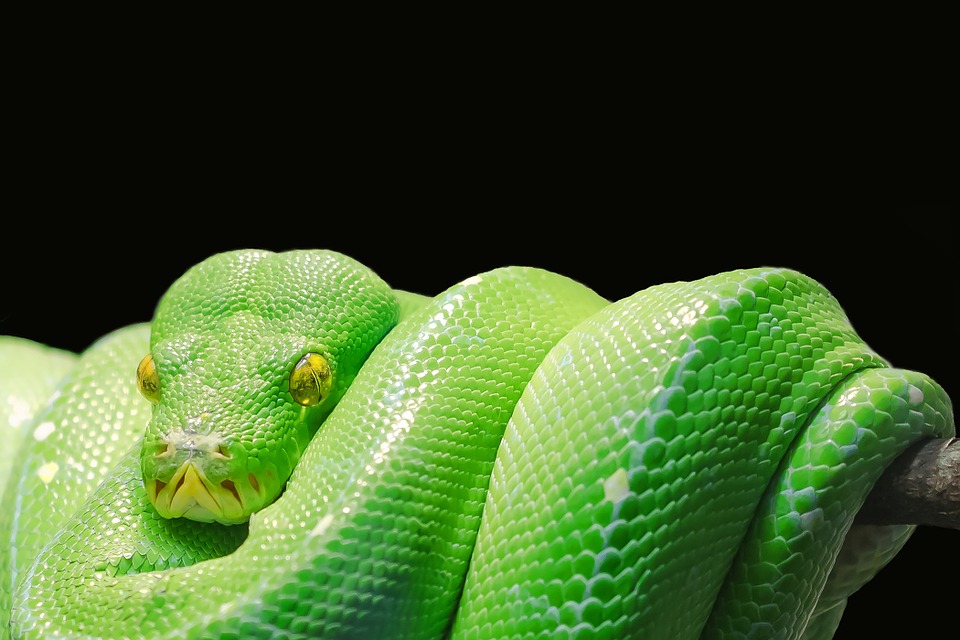
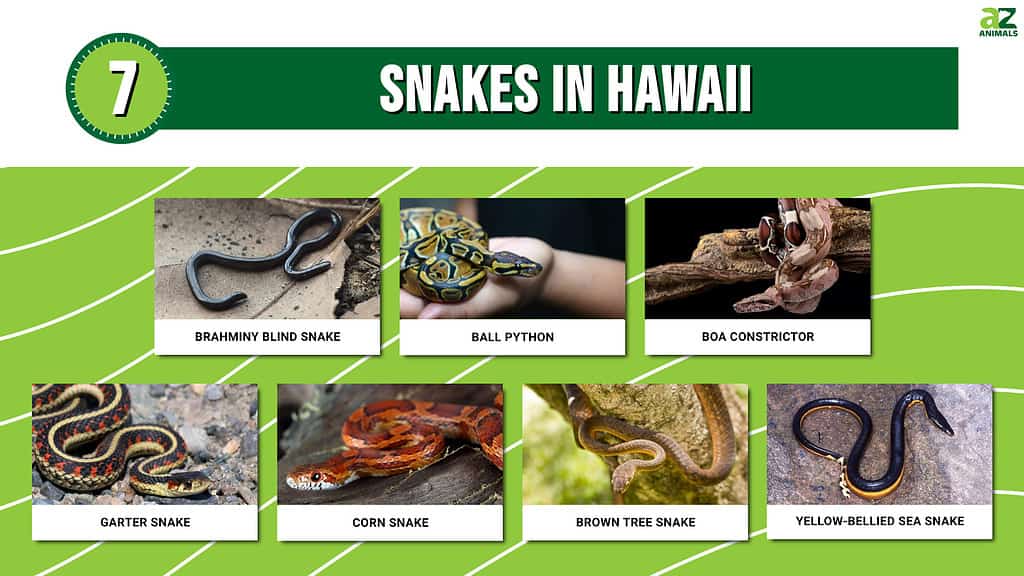
While Hawaii was naturally snake-free, this natural state was not destined to last forever. The primary culprit in the introduction of snakes to the islands is the Brown Tree Snake (Boiga irregularis). This native of Australia, Indonesia, and Papua New Guinea is a nocturnal, arboreal snake that can grow up to 6.5 feet in length. Its success in colonizing Guam in the 1940s and 50s, likely as stowaways on military cargo ships after World War II, serves as a stark warning for Hawaii.
The Brown Tree Snake is an opportunistic predator with a varied diet, including birds, lizards, rodents, and even eggs. Its arrival in Guam had catastrophic consequences for the island’s native fauna. The island’s birds, unaccustomed to such a predator, were decimated. Many species were driven to extinction, and the ecological balance of Guam was irrevocably altered. The impact was so severe that the Brown Tree Snake is now considered one of the most damaging invasive species in the world.
Recognizing the devastating potential of this species, Hawaii has implemented some of the strictest biosecurity measures in the world to prevent the Brown Tree Snake from establishing a foothold. The fear of a repeat of the Guam disaster is palpable, and every effort is made to intercept these unwelcome visitors.
Fortress Hawaii: Safeguarding Against Serpentine Invasion
The Hawaiian government and its people are acutely aware of the threat posed by invasive species, and snakes are at the forefront of these concerns. The Department of Agriculture’s Plant Quarantine Branch, along with other agencies, plays a crucial role in protecting Hawaii‘s unique environment. Their efforts are multifaceted, focusing on prevention, detection, and rapid response.
Prevention: The First Line of Defense
The primary strategy for keeping snakes out of Hawaii is a robust prevention program. This involves rigorous inspections of all cargo, luggage, and vessels arriving in the islands.
Cargo and Luggage Inspections
Every container, every suitcase, and every pallet that arrives in Hawaii is a potential carrier for a snake. The Brown Tree Snake, in particular, is adept at hiding in sheltered nooks and crannies. To combat this, Hawaii employs:
- Canine Units: Specially trained dogs are instrumental in sniffing out hidden snakes and eggs in cargo and luggage. These highly effective detection teams are a vital part of the inspection process.
- X-ray Scanners: Sophisticated X-ray machines are used to scan containers and luggage for any unusual shapes or anomalies that might indicate a concealed snake.
- Manual Inspections: Trained personnel conduct thorough visual inspections of goods, paying close attention to potential hiding spots.
These inspections are particularly stringent for goods originating from regions where snakes are prevalent, such as Southeast Asia and the western Pacific. The goal is to catch any snakes before they can escape into the Hawaiian environment.
Interisland Transport
The threat doesn’t end once goods arrive on the islands. It’s crucial to prevent the movement of snakes between the different islands of Hawaii. A snake that might be contained on one island could wreak havoc on another. Therefore, strict biosecurity protocols are also in place for interisland shipping and air travel.
Detection and Rapid Response: When Prevention Fails
Despite the best preventative measures, the possibility of a snake slipping through the cracks remains. For this reason, Hawaii has invested heavily in detection and rapid response capabilities.
Public Awareness and Reporting
A crucial element of detection is engaging the public. Hawaii actively encourages residents and visitors alike to be vigilant and report any suspected snake sightings immediately. This public awareness campaign includes:
- Information Campaigns: Educating people about the types of snakes to look out for (primarily the Brown Tree Snake) and the potential danger they pose.
- Hotlines and Reporting Systems: Providing easily accessible channels for reporting sightings, ensuring that authorities are alerted as quickly as possible.
The fear of introducing a devastating invasive species is deeply ingrained in the Hawaiian consciousness, and most people are keen to help protect their island home.
Eradication Efforts
If a snake is detected, or even suspected, a rapid response team is mobilized. These teams are trained to safely and humanely capture or, if necessary, euthanize the animal. The aim is to prevent the snake from reproducing and establishing a population. This might involve:
- Trapping Programs: Setting up specialized traps in areas where a snake has been sighted or is suspected to be.
- Search and Destroy Missions: Actively searching the area for the snake and any potential hiding places.
The Hawaiian authorities are committed to a zero-tolerance policy when it comes to invasive snakes. The ecological and economic costs of a snake infestation would be astronomical, impacting everything from tourism and agriculture to the very fabric of Hawaiian nature.
Life in a Snake-Free Paradise: The Benefits and Precautions
The absence of native snakes in Hawaii has contributed significantly to its unique appeal as a tourist destination. For many visitors, the idea of a tropical paradise free from the fear of snake encounters is a major draw. This allows for a more relaxed experience exploring the islands’ natural beauty, whether hiking through the verdant Waimea Canyon on Kauai or strolling along the beaches of Maui.
A Haven for Wildlife and Tourists
The snake-free environment has allowed Hawaii‘s native wildlife, particularly its bird populations, to thrive. This is a treasure that the state is fiercely protective of. For tourists, this translates into opportunities to witness a rich and diverse array of endemic species that are rarely seen elsewhere. Imagine birdwatching in the Haleakala National Park, with the chance to spot rare ʻōʻō or ʻapapane.
The safety aspect is also undeniable. Families with young children can explore hiking trails and natural attractions with greater peace of mind. While caution is always advised when exploring any natural environment, the absence of venomous snakes removes a significant concern for many travelers.
The Ongoing Vigilance
Despite the success in keeping Hawaii snake-free so far, the threat remains constant. The continuous flow of goods and people from around the world means that the biosecurity measures must remain vigilant and adaptive. The state invests significant resources into these efforts, understanding that the cost of failure would be far greater than the cost of prevention.
For travelers visiting Hawaii, understanding and respecting these biosecurity measures is crucial. It’s important to:
- Declare All Items: Be honest when declaring goods and luggage upon arrival.
- Avoid Bringing Prohibited Items: Certain items, like bamboo products or uninspected plants, can be potential carriers for invasive species.
- Be Mindful of “Hitchhikers”: When traveling between islands, be aware of potential “hitchhikers” that might be hiding in vehicles or belongings.
The story of why there are no snakes in Hawaii is a compelling narrative of geographic isolation, evolutionary uniqueness, and a determined commitment to preservation. It’s a reminder that while Hawaii offers an idyllic escape, its natural wonders are a precious resource that requires constant vigilance and collective responsibility to protect for generations to come. The absence of snakes is not just a biological curiosity; it’s a symbol of the islands’ extraordinary ecological heritage and the ongoing dedication to keeping it that way.
LifeOutOfTheBox is a participant in the Amazon Services LLC Associates Program, an affiliate advertising program designed to provide a means for sites to earn advertising fees by advertising and linking to Amazon.com. Amazon, the Amazon logo, AmazonSupply, and the AmazonSupply logo are trademarks of Amazon.com, Inc. or its affiliates. As an Amazon Associate we earn affiliate commissions from qualifying purchases.