
The Mississippi River, often affectionately called the “Father of Waters,” is more than just a colossal waterway; it has been, and continues to be, the lifeblood of the North American continent. From the indigenous civilizations that flourished along its banks for millennia to the European powers who vied for its dominion, and finally, to the burgeoning United States that ultimately secured its control, the strategic importance of the Mississippi River cannot be overstated. Its command dictated trade, facilitated expansion, shaped geopolitical landscapes, and indelibly influenced the culture and economy of a vast nation. Understanding why its control was so crucial offers a profound insight into the historical development and enduring character of the United States.
A Lifeline for Trade and Commerce
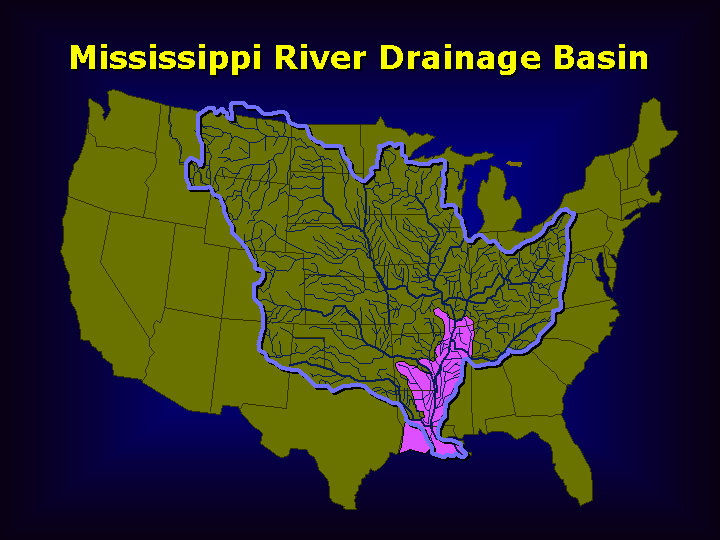
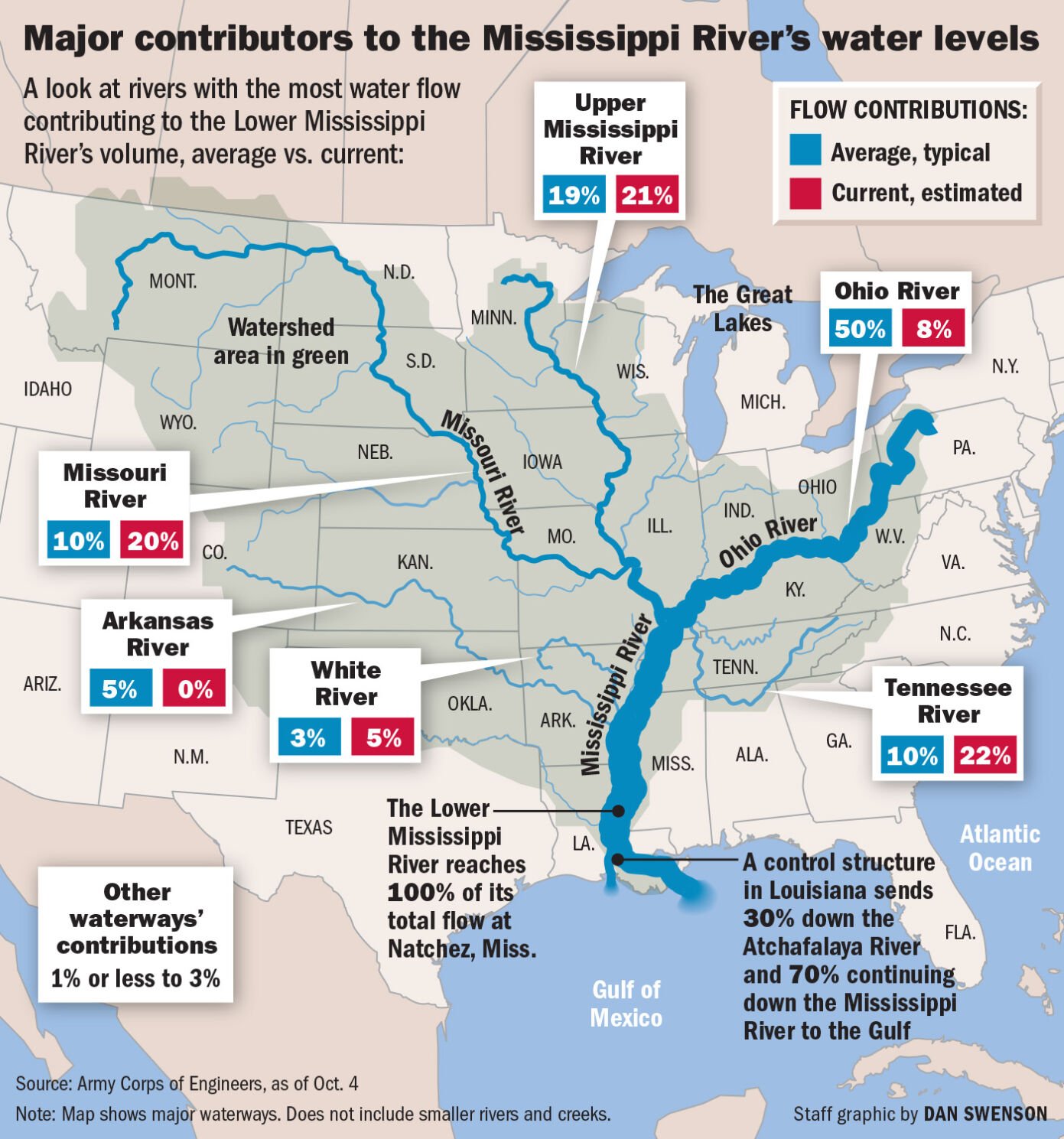
For centuries, the Mississippi River served as the preeminent artery of commerce for the interior of North America. Its vast network of tributaries, including the Missouri River and the Ohio River, drains over 40% of the continental United States, creating an unparalleled inland transportation system. Control of this river meant control of the economic fate of an entire region, dictating who could transport goods, where they could be traded, and at what cost.
Connecting a Young Nation
In the early years of the United States following its independence, the Appalachian Mountains presented a formidable barrier to westward expansion and trade. While settlers ventured into the fertile lands of the Ohio River valley and beyond, their primary means of connecting with the established markets of the East Coast or international trade routes was via the great rivers flowing westward and southward. The Mississippi River provided the only practical and economical route for these emerging western territories to get their agricultural surplus and raw materials to market.
Without the ability to freely navigate the Mississippi River and access the crucial port of New Orleans at its mouth, the economic viability of these fledgling settlements would have been severely hampered. Farmers in Kentucky, Tennessee, and the Ohio territories relied on flatboats and barges to float their produce, lumber, and furs downriver. If a foreign power, such as Spain or France, controlled the river or the port, they could impose crippling tariffs, deny passage, or even close the port altogether, effectively strangling the economic development of the American West. This precarious situation fueled intense political pressure on the U.S. government to secure permanent rights to river navigation and port access, ultimately culminating in the monumental Louisiana Purchase of 1803. This acquisition not only doubled the size of the United States but, more importantly, placed the entire navigable length of the Mississippi River firmly under American control, ensuring unimpeded commerce for generations.
The Backbone of Agricultural Transport
Throughout the 19th century, the Mississippi River truly became the engine of American agricultural prosperity. The fertile lands of the Mississippi River basin, particularly the Mississippi Delta and the Midwest, became vast producers of cotton, sugar, tobacco, corn, and wheat. Steamboats, a revolutionary invention of the era, transformed river travel, dramatically increasing the speed and volume of goods that could be transported. Cities like St. Louis, Memphis, and New Orleans blossomed into major commercial hubs, their economies inextricably linked to the river’s flow.
Control of the river meant reliable access to domestic and international markets. For the cotton plantations of the South, the river was the conveyor belt to the textile mills of New England and Europe. For the burgeoning grain farms of the Midwest, it was the gateway to feed growing populations both at home and abroad. This robust internal trade network fostered a unique lifestyle for many, from riverboat captains and steamboat passengers to the merchants and laborers in port cities. It facilitated the growth of a distinctly American culture centered around riverine commerce, with its unique blend of Southern charm, Midwestern industriousness, and frontier spirit. Without unfettered control, this vital economic artery could have been severed, plunging vast regions into poverty and stagnation, and fundamentally altering the trajectory of American economic development.
Strategic Military and Political Dominance
Beyond its economic significance, the Mississippi River held immense strategic military and political importance. Its sheer size and central location made it a natural defensive barrier, a pathway for invasion, and a critical line of communication and supply. Any power seeking to assert dominance over the interior of the continent understood that controlling the Mississippi River was paramount.
Securing the Western Frontier
For centuries, European powers like France, Spain, and Great Britain jockeyed for position in North America, often viewing the Mississippi River as a natural western boundary for their respective claims or as a central artery to connect their scattered territories. France, through explorers like René-Robert Cavelier, Sieur de La Salle, claimed the entire river basin, naming it Louisiana in honor of King Louis XIV. Their strategy was to create a vast inland empire stretching from Canada to the Gulf of Mexico, using the river as its central nervous system.
When the United States became independent, its western border was effectively the Mississippi River, with foreign powers controlling the opposite bank and the all-important mouth of the river. This created a constant source of tension and insecurity. If a hostile power controlled the river, they could easily launch military expeditions into the American interior, disrupt trade, and incite conflicts with Native American tribes. The purchase of Louisiana from Napoleon Bonaparte in 1803, orchestrated by President Thomas Jefferson, was a masterstroke of diplomacy and strategy. It not only removed a formidable foreign power from a crucial border but also provided the young nation with strategic depth and natural defenses, allowing it to secure its western frontier and focus on internal development.
A Key Factor in Geopolitical Struggles
The military significance of the Mississippi River was dramatically highlighted during the American Civil War (1861-1865). For the Union forces, controlling the river was a cornerstone of the “Anaconda Plan,” a strategy to essentially “squeeze” the Confederacy into submission. If the Union could control the Mississippi River, it would:
- Split the Confederacy in Two: Severing the western Confederate states (Arkansas, Louisiana, Texas) from the eastern states, preventing the flow of vital resources, troops, and supplies. This was particularly crucial for the supply of cattle and horses from Texas.
- Restore Union Commerce: Reopen the river to northern trade, bolstering the Union’s economy.
- Provide a Strategic Highway: Allow Union forces to move troops and supplies deep into the Confederate heartland by water, bypassing difficult overland routes.

Major campaigns were fought with the objective of controlling key points along the river. The fall of New Orleans to Admiral David G. Farragut‘s naval forces in 1862 was a devastating blow to the Confederacy, depriving them of their largest port and the mouth of the river. The subsequent grueling Vicksburg Campaign led by General Ulysses S. Grant culminated in the surrender of Vicksburg, Mississippi, on July 4, 1863. This victory, coupled with the earlier capture of Port Hudson, Louisiana, gave the Union complete control of the Mississippi River. President Abraham Lincoln famously declared, “The Father of Waters again goes unvexed to the sea.” This effectively sealed the fate of the Confederacy, demonstrating unequivocally the river’s pivotal role in national security and military strategy.
Shaping Culture, Cities, and Lifestyles
Beyond economics and military strategy, the Mississippi River has been a profound cultural force, shaping the identities, traditions, and very fabric of life for the millions who have lived along its banks. Its influence is evident in the vibrant cities it helped create, the diverse populations it brought together, and the unique forms of art and storytelling it inspired.
The Birthplace of Iconic Destinations
The major cities along the Mississippi River are not merely geographical points; they are iconic destinations, each with its own distinct flavor shaped by the river’s historical importance.
- New Orleans, Louisiana: Perhaps the most famous river city, New Orleans is a melting pot of French, Spanish, African, and Caribbean cultures. Its strategic location at the mouth of the Mississippi River made it a global trade hub, facilitating the exchange of goods, people, and ideas. This fusion gave birth to Jazz music, Creole and Cajun cuisines, and the unique architecture of the French Quarter. Today, New Orleans is a top tourism destination, offering visitors a deep dive into its rich history, vibrant music scene, and unparalleled culinary experiences, often enjoyed during a stay at historic French Quarter hotels or riverside resorts.
- St. Louis, Missouri: Known as the “Gateway to the West,” St. Louis was a critical fur trading post and later a bustling port city where the Missouri River meets the Mississippi. Its iconic Gateway Arch stands as a monument to its role in American expansion. The city’s hotels and cultural attractions reflect its heritage as a stopping point for pioneers, a center of industry, and a crucible of American identity.
- Memphis, Tennessee: Situated on the high bluffs overlooking the river, Memphis became a major cotton trading hub and a hotbed of Blues, Soul, and Rock and Roll music. Its historical significance is deeply intertwined with the river, from the paddlewheel steamboats docking at its port to the music that emanated from Beale Street. Visitors to Memphis today can explore its musical heritage, visit civil rights landmarks like the National Civil Rights Museum, and enjoy the vibrant local culture that blossomed from its riverine roots.
These cities, and many smaller towns like Natchez, Vicksburg, and Baton Rouge, owe their very existence and unique character to their strategic positions along the Mississippi River. Their diverse cultures, local food scenes, and historical landmarks offer incredible experiences for travelers, making them integral parts of any comprehensive guide to the American South and Midwest.
A River of Diverse Cultures and Innovations
The Mississippi River basin has historically been a nexus of diverse cultures. Long before European arrival, advanced indigenous societies, such as the Mississippian Culture at Cahokia, built vast mound cities and complex trade networks centered on the river. Later, French explorers and settlers brought their language and traditions, particularly evident in Louisiana. Spanish influence can also be seen, especially in New Orleans. The forced migration of African people through the transatlantic slave trade brought profound cultural contributions that shaped music, cuisine, and spirituality along the lower Mississippi.
The river was also a crucible of innovation. The development of the steamboat revolutionized travel and transport, spawning new industries and a distinctive riverboat lifestyle. Literary figures like Mark Twain, whose tales of Huckleberry Finn and Tom Sawyer are synonymous with the river, captured the spirit and challenges of life on the Mississippi. His writings immortalized the river’s romance, dangers, and the diverse characters who navigated its currents. The river fostered a resilient, entrepreneurial spirit among its inhabitants, influencing everything from the layout of towns to the types of food consumed and the music played in local establishments. Its history is a rich tapestry of human endeavor, conflict, and cultural exchange, offering endless opportunities for those seeking authentic travel experiences and a deeper understanding of American heritage.
Enduring Legacy and Modern Relevance
While the era of paddlewheel steamboats and frontier expansion might be history, the Mississippi River’s importance endures. It remains a vital economic asset, a natural wonder, and a powerful symbol of American identity, continuing to shape lifestyle and tourism in tangible ways.
A Landmark of National Identity
The Mississippi River is more than a geographical feature; it’s a profound landmark of national identity, a thread running through the very fabric of American history and consciousness. Its mighty current symbolizes the nation’s westward expansion, its struggles, and its triumphs. From Native American legends to Civil War battlegrounds, and from the birth of Jazz to the narratives of Mark Twain, the river serves as a tangible link to the past.
It represents the aspiration for freedom and opportunity that drew settlers westward, the challenges of taming a vast continent, and the eventual unification of a diverse nation. Visitors today can explore countless historical sites along its banks, from antebellum plantations in Mississippi to the preserved steamboat ports in Iowa and Illinois. These landmarks offer powerful, immersive experiences into different chapters of American history, providing a sense of connection to the monumental events that unfolded along this iconic waterway. It’s a place for reflection, education, and appreciating the deep roots of American heritage.
Modern Tourism and Economic Engine
Today, the Mississippi River continues to be an economic engine, albeit with a modernized profile. It remains a crucial commercial shipping lane, transporting billions of tons of goods annually, including grain, petroleum, and chemicals, supporting countless jobs and industries. Its lock and dam systems, particularly along the upper Mississippi near Minneapolis and St. Paul, facilitate efficient barge traffic, demonstrating its ongoing utility in global supply chains.
Beyond commerce, the river has become a significant draw for tourism and recreation. River cruises, ranging from luxurious overnight experiences to shorter sightseeing tours on historic paddlewheelers, offer travelers a unique perspective on the river’s beauty and history. Kayaking, fishing, and birdwatching are popular activities, especially in the more pristine stretches and wildlife refuges. The national and state parks along its course provide ample opportunities for outdoor adventure and relaxation. The cities on its banks, from Minneapolis to New Orleans, leverage their riverfront locations for festivals, cultural events, and vibrant urban redevelopment, offering diverse attractions, boutique hotels, and unique dining experiences that cater to a wide range of travelers, from those seeking luxury travel to budget-friendly family trips.
The control of the Mississippi River was never just about possessing a piece of land or water; it was about holding the key to a continent’s future. It determined the flow of wealth, the balance of power, and the very cultural fabric of a developing nation. From a historical imperative to a modern marvel of commerce and tourism, the Mississippi River stands as an eternal testament to its profound and multifaceted importance.
LifeOutOfTheBox is a participant in the Amazon Services LLC Associates Program, an affiliate advertising program designed to provide a means for sites to earn advertising fees by advertising and linking to Amazon.com. Amazon, the Amazon logo, AmazonSupply, and the AmazonSupply logo are trademarks of Amazon.com, Inc. or its affiliates. As an Amazon Associate we earn affiliate commissions from qualifying purchases.