
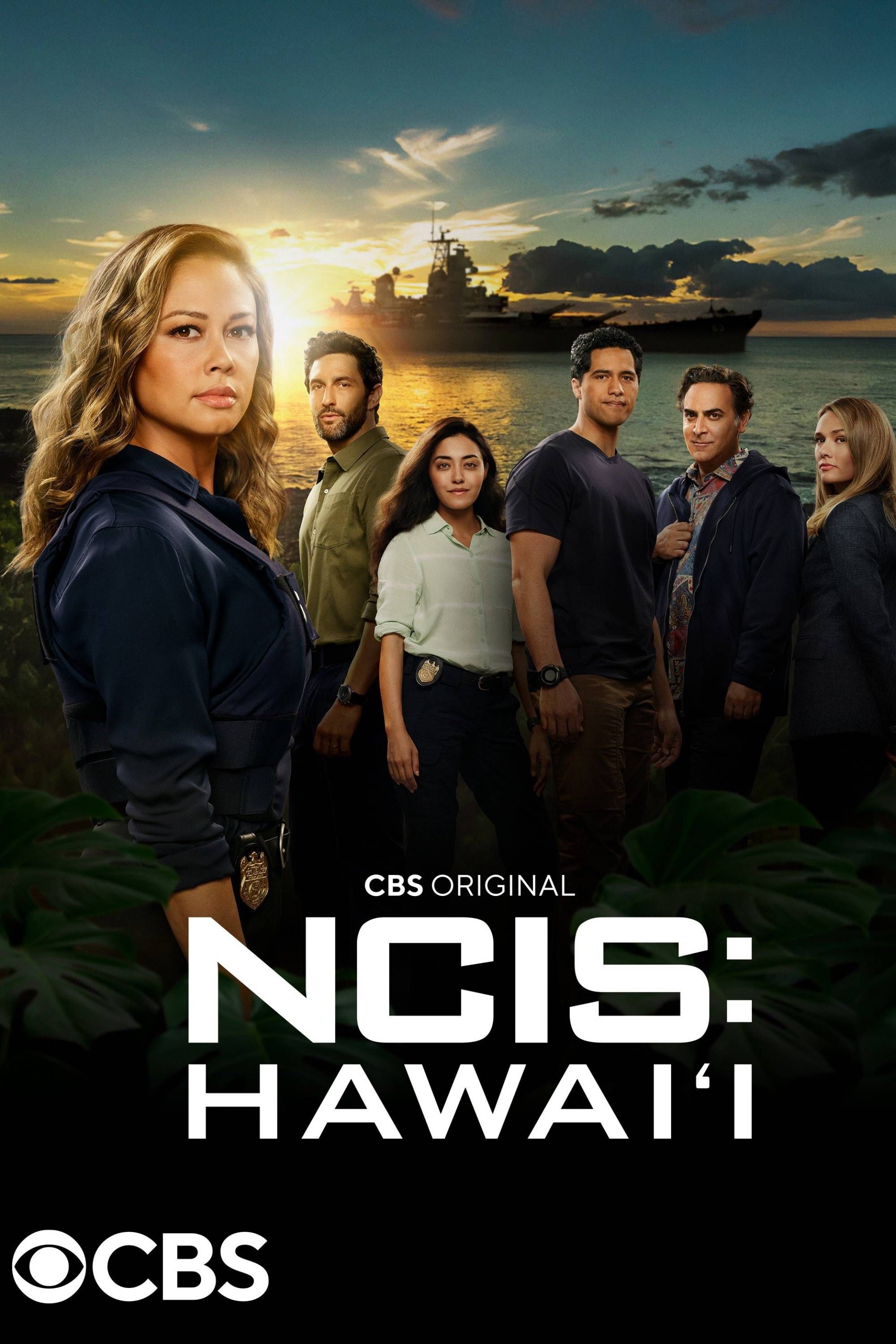
The cancellation of the popular television series NCIS: Hawai’i sent shockwaves through the entertainment industry, but its departure leaves an even deeper imprint on the local landscape of the Hawaiian Islands. For years, the show served as a visual postcard for the Pacific, showcasing the lush landscapes, vibrant culture, and unique spirit of Oahu. Beyond the plot lines involving federal agents, the series functioned as a significant driver of local interest, influencing how travelers perceive and experience the state.
The Cultural Significance of Filming in Paradise
When a major production chooses to set its roots in a destination like Hawaii, the effects extend far beyond the filming set. The show provided a platform for indigenous stories, local traditions, and the day-to-day lifestyle that defines the Aloha spirit.
Promoting Local Traditions and Heritage
The series made a conscious effort to integrate local culture into its narrative. From the representation of the Polynesian Cultural Center to the inclusion of traditional rituals and linguistic nuances, the show acted as a bridge between mainland audiences and the rich, complex heritage of the islands. For many viewers, this was their first introduction to the nuances of life in Honolulu, moving past the stereotypical “grass skirt” imagery toward a more nuanced appreciation of contemporary island life.
Boosting Local Economic Ecosystems
The production of a long-running series acts as a consistent economic engine. It supports local crew members, hospitality services, transportation networks, and small businesses that cater to the needs of a large production team. When the cameras stop rolling, these auxiliary sectors often feel the immediate cooling effect. The presence of such a high-profile show in areas like Waikiki helped maintain a steady stream of interest from fans eager to see the real-world locations that appeared on screen, effectively turning the island into an interactive set for dedicated viewers.
The Intersection of Entertainment and Tourism
For the tourism industry, pop culture is one of the most powerful marketing tools available. Shows like NCIS: Hawai’i generate a specific type of demand known as “set-jetting,” where travelers select their vacation destinations based on their favorite television shows or movies.
Why Viewers Visit Locations They See on Screen
People are naturally drawn to the tangible reality of the environments they admire from their living rooms. By filming in iconic locales such as Pearl Harbor or along the rugged coasts of Kailua, the show reinforced the desirability of these locations as travel destinations. It wasn’t just about the scenic views; it was about the lifestyle portrayed—the outdoor activities, the local cuisine, and the relaxed pace of life that makes this part of the United States a bucket-list destination for millions.

Maintaining the Allure of the Islands
Even with the cancellation, the legacy of the show persists in the memories of those who traveled there specifically to “walk in the footsteps” of the characters. The tourism board often leverages these associations to highlight local landmarks. Visitors seeking to recreate their favorite scenes often find themselves exploring the Bishop Museum or hiking the trails surrounding Diamond Head, connecting their entertainment experience with the physical exploration of the island’s geography.
The Future of Hawaii as a Filming Destination
The cancellation of one show does not mean the end of Pacific media production, but it does invite a discussion about how the tourism industry needs to adapt. When the spotlight shifts, destinations must rely on their inherent beauty and cultural depth rather than the temporary halo of a television series.
Adapting to a Post-Production Landscape
While the immediate financial injection of a show is lost, the enduring beauty of North Shore or the tranquility of Lanikai Beach remains. The challenge for local tourism boards is to ensure that the interest generated by television exposure transitions into a sustainable model of tourism that values environmental preservation and cultural respect over mass-market trends.
Sustainable Tourism as the New Narrative
Rather than mourning the loss of the show, the tourism sector can pivot toward promoting the “real” Hawaii—a place defined by its commitment to Aloha, sustainable practices, and the protection of its natural wonders. The focus shifts from the drama of a federal agent to the drama of the island’s natural landscape: the volcanic history, the endemic species found in the Haleakala National Park, and the culinary innovation happening in local kitchens across Maui.
Lessons Learned from the Cancellation
The cancellation of NCIS: Hawai’i highlights the ephemeral nature of media-led tourism. It serves as a reminder to travelers and stakeholders alike that while entertainment can spark a desire to visit a location, the heartbeat of the destination—its people, its history, and its environment—is what creates a lasting connection.
Encouraging Authentic Engagement
Travelers who are inspired by what they see on television should be encouraged to go deeper. Instead of just visiting the filming sites, they should engage with the local community, support small-scale Hawaii hotels that prioritize sustainability, and learn about the indigenous struggles and triumphs that shape the state. By moving beyond the screen, the traveler transforms from a mere spectator of a fictional plot into a participant in the living, breathing reality of the region.

The Lasting Impression
Ultimately, whether the show is on the air or not, the appeal of the islands is immutable. The turquoise waters of Hanalei Bay, the majestic cliffs of the Na Pali Coast, and the serene atmosphere of Kauai offer an experience that no script could fully capture. The cancellation of NCIS: Hawai’i marks the end of a chapter, but for those who seek the authentic spirit of the islands, the real adventure is only just beginning. By prioritizing the preservation of the landscape and the integrity of the culture, the islands will continue to be a premier destination for those looking to connect with the land and the people, regardless of what is playing on their television screens.
LifeOutOfTheBox is a participant in the Amazon Services LLC Associates Program, an affiliate advertising program designed to provide a means for sites to earn advertising fees by advertising and linking to Amazon.com. Amazon, the Amazon logo, AmazonSupply, and the AmazonSupply logo are trademarks of Amazon.com, Inc. or its affiliates. As an Amazon Associate we earn affiliate commissions from qualifying purchases.