
Unraveling the Flickertail State’s Distinct Political Culture
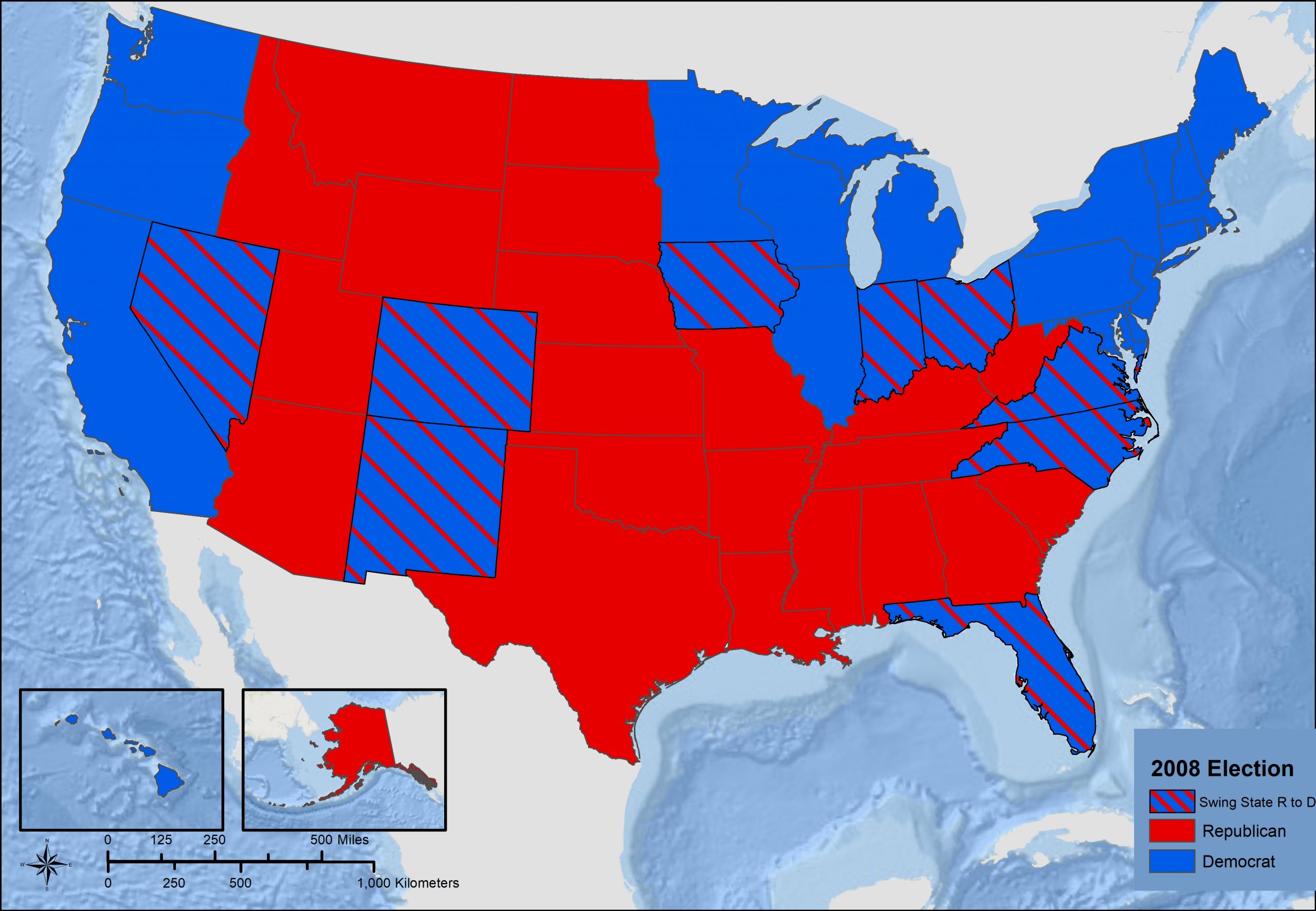
When one thinks of North Dakota, an image of a vast, agricultural landscape, resilient communities, and a generally conservative political leaning often comes to mind. Historically, the Flickertail State has been a reliable stronghold for the Republican Party in presidential elections, consistently favoring conservative candidates. Yet, the year 2008 presented a fascinating paradox, revealing a deeper, more nuanced political identity often overlooked by national narratives. While the state did indeed vote for Republican John McCain over Democrat Barack Obama in the presidential race, down-ballot results painted a strikingly different picture, leading many to question why North Dakota appeared “so blue” that year.

For travelers and those interested in understanding the authentic fabric of a destination, delving into these historical political nuances offers a profound insight into a region’s local culture. The reasons behind North Dakota’s 2008 electoral results are not just about party affiliations; they are a testament to the state’s independent spirit, its deep-rooted populism, and the enduring preference for local connection over national political tides. Understanding this complex interplay allows visitors to appreciate the values and priorities that shape the communities they encounter, offering a richer and more informed perspective on what makes North Dakota truly unique. It’s a journey into the heart of a state that defies easy categorization, revealing a pragmatic and community-focused ethos that permeates its social and political landscape.
The Power of Populist Roots and Local Connection
At the heart of North Dakota’s distinctive political behavior lies a rich history of populist and independent thought. Unlike many other states where party loyalty dictates voting patterns, North Dakota’s electorate has often shown a willingness to cross party lines, especially when local issues and candidate character are at stake. This tendency is deeply embedded in the state’s agrarian past and its economic realities.
A History of Independent Thought
The state’s political lineage can be traced back to the early 20th century with the rise of the Nonpartisan League. This influential political movement, which dominated state politics for decades, championed the interests of farmers and laborers against powerful corporate monopolies, particularly railroads and grain elevators. Although nominally nonpartisan, the Nonpartisan League effectively controlled the Republican Party primary and often fused progressive ideals with agrarian concerns. This history instilled a strong sense of independence and skepticism towards centralized power, fostering an environment where voters prioritize practical solutions and local representation over rigid ideological alignment. This legacy means that while nationally, the Republican platform resonates with many North Dakotans, locally, they often seek out candidates, regardless of party, who demonstrate a genuine commitment to their state’s unique challenges and opportunities.
Agrarian Economy and Main Street Values
North Dakota’s economy has always been heavily reliant on agriculture, with the energy sector also playing a significant role. This economic foundation cultivates a particular set of “Main Street values” – an emphasis on hard work, self-reliance, community solidarity, and a pragmatic approach to governance. For the state’s rural communities, issues such as farm subsidies, commodity prices, infrastructure development, and flood control are paramount. Candidates who show a deep understanding of these specific concerns and a proven track record of advocating for them often earn overwhelming support, irrespective of their national party affiliation. In 2008, the prevailing economic conditions, including the beginnings of a national recession, undoubtedly amplified these concerns, making voters even more inclined to support incumbents or candidates perceived as strong advocates for North Dakota’s economic stability and rural way of life. This pragmatic approach to politics is a cornerstone of the state’s cultural identity, making it a fascinating destination for those interested in understanding how economic realities shape local political discourse.
The 2008 Democratic Stalwarts: Kent Conrad and Earl Pomeroy
The notion of North Dakota being “so blue” in 2008 largely stems from the overwhelming victories of its Democratic U.S. Senator and lone U.S. Representative. These were not anomalies but rather a continuation of long-standing patterns of voter support for well-established, constituent-focused politicians who had cultivated strong personal brands that transcended partisan divides.
Senator Kent Conrad’s Unchallenged Popularity
In 2008, Senator Kent Conrad (D) secured his re-election with a staggering 68.7% of the vote. First elected in 1986, Conrad built a reputation as a moderate, pragmatic legislator deeply attuned to the needs of his constituents. He was known for his expertise in budget and economic policy, areas of critical importance to North Dakota’s agricultural and energy sectors. Conrad consistently advocated for farm programs, ethanol subsidies, and responsible fiscal policy, earning him bipartisan respect and making him virtually invincible at the ballot box. His focus on state-specific issues, rather than national political posturing, resonated profoundly with North Dakotans. For many, his Democratic affiliation was secondary to his effectiveness and dedication to the state’s welfare. His ability to deliver for North Dakota constituents cemented his popularity, demonstrating a crucial aspect of the state’s political culture: loyalty to proven service.
Congressman Earl Pomeroy’s Consistent Support
Similarly, Congressman Earl Pomeroy (D), who represented North Dakota’s at-large congressional district, achieved a resounding victory in 2008, winning 61.5% of the vote. Pomeroy had a similar track record to Conrad, having served in the House since 1993. He was well-regarded for his diligent work on agricultural policy, healthcare, and veterans’ affairs, issues that directly impacted the lives of North Dakotans. His consistent engagement with local communities and his ability to articulate and address their concerns fostered a deep sense of trust and familiarity. Like Conrad, [Pomeroy](https://lifeoutofthebox.com/earl-pomeroy]’s success was less about ideological alignment with the national Democratic Party and more about his personal connection to the state and his demonstrated commitment to its interests. The strong performances of these two long-serving Democrats underscore a critical element of North Dakota’s political culture: a strong preference for individuals who embody local values and prioritize the state’s needs above all else.
The Nuance of Presidential vs. Down-Ballot Voting
The divergence between North Dakota’s presidential vote (Republican) and its congressional votes (overwhelmingly Democratic) in 2008 highlights a sophisticated and pragmatic approach to electoral politics, a defining characteristic of the state’s local culture. This phenomenon, often referred to as split-ticket voting, is a key indicator of an electorate that thinks independently rather than adhering strictly to party lines.
Split-Ticket Tendencies
North Dakota has a long tradition of split-ticket voting. While voters might lean Republican for presidential races, often due to national economic or social policy stances, they are perfectly willing to support Democratic candidates for state and federal offices if those individuals are perceived as better representatives of local interests. This isn’t a contradiction but a reflection of a deeply ingrained cultural pragmatism. For many North Dakotans, the president represents national direction, while senators and representatives are crucial advocates for the state’s specific needs in Washington, D.C. The ability to differentiate between these roles and vote accordingly showcases a mature electorate that prioritizes effective local representation over blanket party loyalty. This cultural trait speaks volumes about the independent spirit of North Dakotans, who value tangible results and community benefit above ideological purity.
Candidate Strength vs. Party Affiliation
The strong showings of Kent Conrad and Earl Pomeroy in 2008 were not a sign of a sudden leftward shift in North Dakota, but rather a testament to their individual strength as candidates. Both had cultivated decades-long relationships with their constituents, building trust through consistent advocacy and a focus on issues vital to the state. Their personal brands transcended their Democratic Party affiliation, allowing them to draw support from Republicans and independents alike. This emphasis on the individual candidate’s character, track record, and perceived commitment to the state’s welfare is a hallmark of North Dakota’s political culture. It’s a place where relationships matter, and a politician’s ability to connect with voters on a personal level, understand their challenges, and fight for their interests often outweighs national party labels. This cultural trait ensures that political success in North Dakota is earned through dedicated service and genuine connection, not merely inherited through party loyalty.
Experiencing North Dakota Through Its Political Lens
For travelers seeking an authentic understanding of North Dakota, grasping these political nuances enriches the entire experience. It reveals a state whose identity is far more complex than simple red or blue labels, a place where deep-seated values of independence, community, and pragmatism guide its people.
When visiting North Dakota, engage with locals in towns like Bismarck, Fargo, or Grand Forks. You’ll likely encounter this independent spirit firsthand, reflected in conversations about local governance, agricultural policies, or community development. Observe how people discuss issues, often with a grounded, practical perspective that prioritizes what works for their families and their state. This is the enduring legacy of the Nonpartisan League and the continuous emphasis on strong, local representation.
To delve deeper into the historical currents that shaped North Dakota’s unique political landscape, consider visiting the North Dakota Heritage Center & State Museum in Bismarck. Here, exhibits on the state’s agrarian past, the rise of populist movements, and its economic development provide crucial context for understanding the cultural underpinnings of its voting patterns. Learning about the struggles and triumphs of early North Dakotans helps illuminate why a state could simultaneously support a Republican president and overwhelmingly elect Democratic federal representatives.
Ultimately, the “blue” in North Dakota in 2008 was not an aberration but a vivid reflection of its enduring cultural pragmatism and independent spirit. It highlights a state where individual candidates, their track records, and their commitment to local interests often matter more than national party platforms. For any traveler, recognizing this sophisticated political identity offers a key to unlocking a richer, more authentic appreciation of North Dakota’s resilient people and their vibrant, unique culture.
LifeOutOfTheBox is a participant in the Amazon Services LLC Associates Program, an affiliate advertising program designed to provide a means for sites to earn advertising fees by advertising and linking to Amazon.com. Amazon, the Amazon logo, AmazonSupply, and the AmazonSupply logo are trademarks of Amazon.com, Inc. or its affiliates. As an Amazon Associate we earn affiliate commissions from qualifying purchases.