
The World’s Columbian Exposition of 1893, a dazzling spectacle of innovation, culture, and architectural marvel, captured the imagination of millions. Held in Chicago, this grand event was meant to celebrate the 400th anniversary of Christopher Columbus’s arrival in the New World. Yet, for all its brilliance and widespread acclaim, the fairgrounds, known as the “White City”, were not destined for permanence. The question of why this monumental achievement was ultimately dismantled, leaving little behind but memories and a few enduring structures, is a fascinating one that delves into the economics, logistics, and the very nature of World’s Fairs.
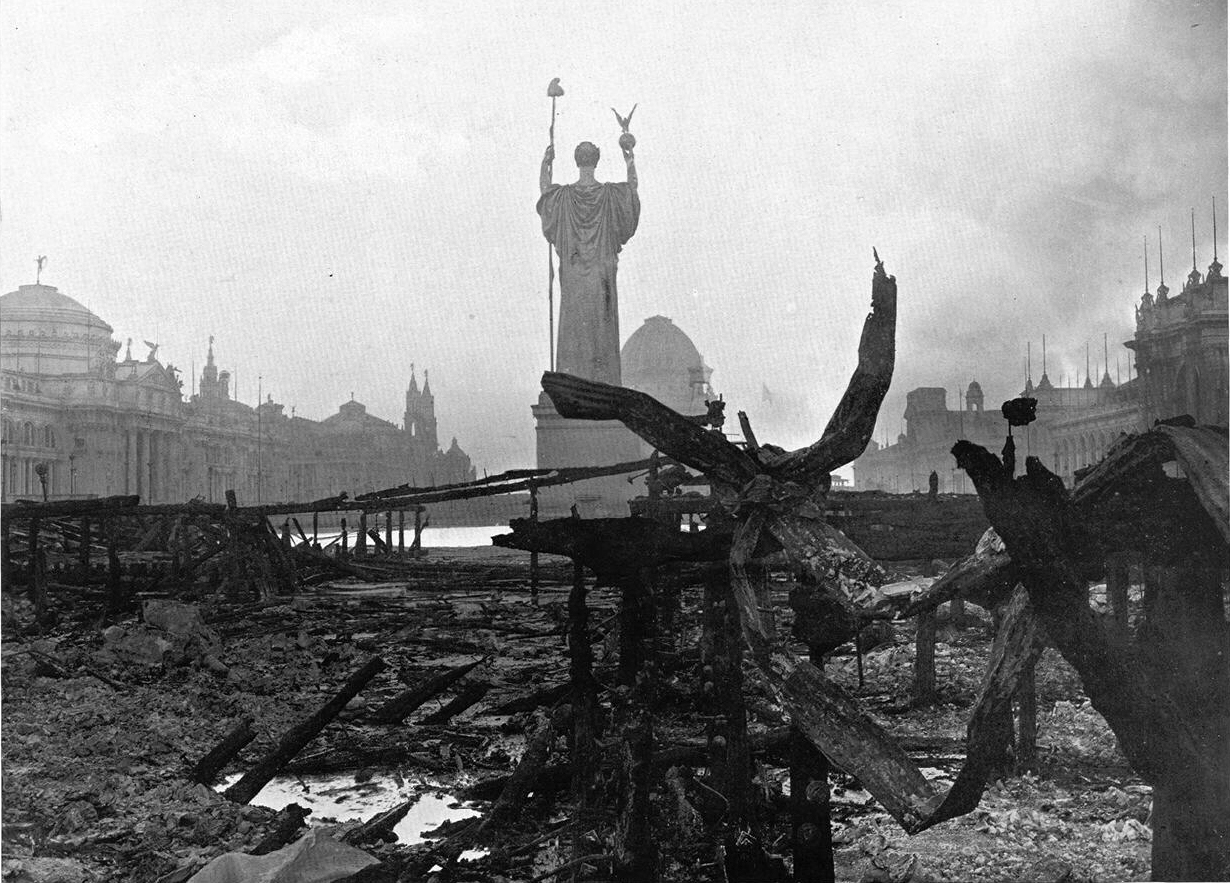
The destruction of the Chicago World Fair wasn’t a single catastrophic event, but rather a deliberate and systematic dismantling. Unlike some historical sites that fall victim to natural disasters or intentional demolition for political reasons, the end of the Exposition was, in large part, a planned conclusion. The very essence of a World’s Fair is its ephemeral nature. These events are designed to be temporary showcases, built to impress and educate for a limited time, and then to be removed. The World’s Columbian Exposition was no exception.
The Grand Vision and Its Temporary Nature
The World’s Columbian Exposition was a testament to American ingenuity and ambition at the turn of the 20th century. Spanning over 600 acres along the shores of Lake Michigan, it featured magnificent Beaux-Arts buildings, gleaming white facades, and elaborate displays from nations and industries around the globe. Daniel Burnham, the chief architect, envisioned a utopian city, a temporary paradise that would leave an indelible mark on the minds of visitors and inspire future urban development. The scale of the undertaking was unprecedented, with millions of dollars invested and countless hours of labor poured into its creation.
The “White City”: A Triumph of Architecture and Engineering
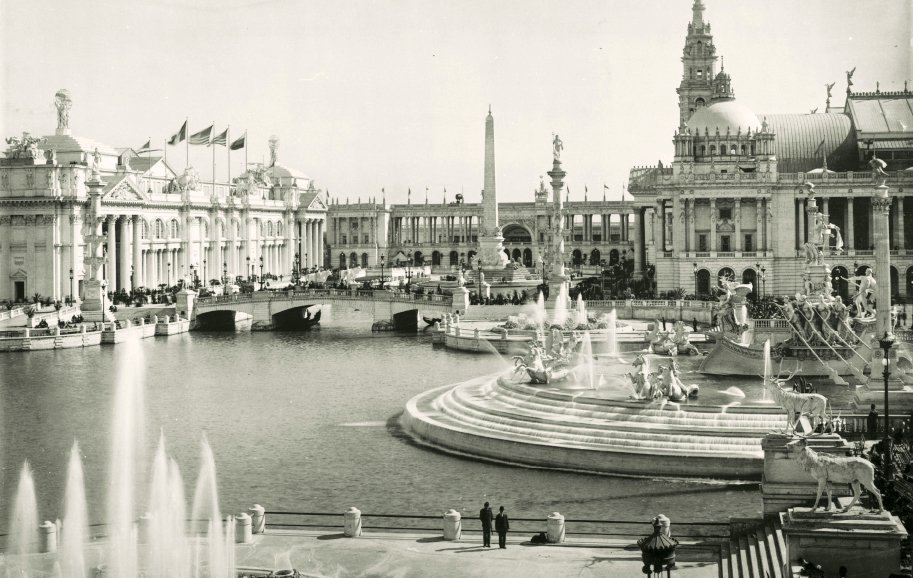
The “White City” was a masterpiece of architectural planning and design. The dominant style was the Beaux-Arts, characterized by grandeur, symmetry, and elaborate ornamentation. Buildings like the Administration Building, the Manufactures and Liberal Arts Building (the largest building in the world at the time), and the Machinery Hall were colossal structures that dwarfed anything previously seen in the United States. The fairgrounds were laid out in a formal, classical manner, centered around the Grand Basin, a vast waterway reflecting the monumental architecture.
Beyond the impressive buildings, the fair was a showcase of technological advancements. Electricity, a relatively new phenomenon, was used extensively, illuminating the fairgrounds at night and powering many of the exhibits. Innovations in transportation, manufacturing, and communication were on full display, offering a glimpse into the future. Visitors marveled at the Ferris Wheel, a towering engineering feat that offered panoramic views of the fair and the city of Chicago. The fair also played a significant role in popularizing new foods and products, with the introduction of items like Cracker Jack, Juicy Fruit gum, and the hamburger to a wider audience. The sheer spectacle was intended to be a temporary, yet transformative, experience.
The Inevitable Aftermath: Dismantling and Legacy
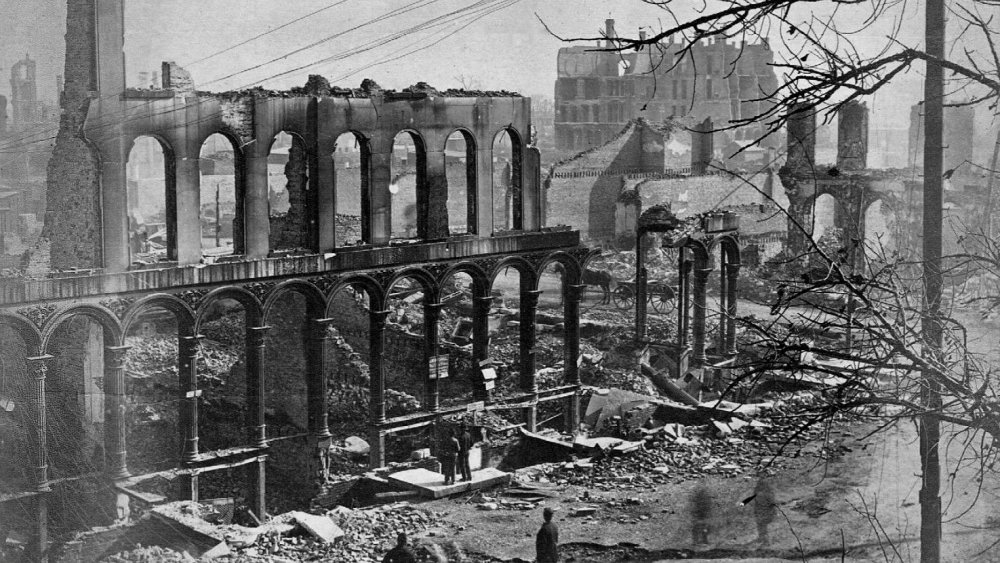
Once the gates of the World’s Columbian Exposition closed on October 30, 1893, after attracting over 27 million visitors, the question of what to do with the vast complex arose. The decision was not to preserve the entire fairgrounds as a permanent landmark, but rather to dismantle most of it. There were several key reasons for this decision, primarily centered around the temporary nature of the construction and the economic realities of maintaining such a large, purpose-built environment.
The Fleeting Nature of Exposition Structures
Many of the magnificent buildings of the “White City” were constructed with temporary materials, such as staff (a mixture of plaster and jute fibers) and wood, designed for a limited lifespan. These materials were cost-effective for rapid construction but were not intended for long-term preservation. The grand facades, while stunning, were essentially elaborate theatrical sets. Maintaining them would have required a continuous and significant financial investment that was not part of the original plan or the ongoing operational budgets. The fair was a business venture, and once its revenue-generating period ended, the expenses associated with its upkeep would have been prohibitive.
Furthermore, the land itself was not permanently designated for the fair. While a significant portion was leased from Lincoln Park, much of the exposition was built on reclaimed land. The intention was always for the land to be returned to its original state or repurposed after the fair concluded. The temporary nature of the construction was a deliberate choice to facilitate both rapid build-up and eventual deconstruction.
Economic Realities and Repurposing Efforts
The economic model of World’s Fairs is typically based on ticket sales, exhibitor fees, and concessions during the event. Once the fair closed, these revenue streams ceased. The cost of maintaining the elaborate structures, ensuring their safety, and continuing to operate them as a tourist attraction would have been enormous. Without a clear, profitable plan for their continued use, demolition and removal became the most practical and financially sound option.
While most of the “White City” was dismantled, some elements did endure, either in their original location or were relocated. The Museum of Science and Industry, originally the Palace of Fine Arts, is the most prominent surviving building, a testament to its more substantial construction. Other structures, like the Statue of the Republic, were less fortunate, with some being destroyed by fire or general decay. The remnants of the fair, however, left a lasting impact on urban planning and architecture in Chicago and beyond. The success of the fair also cemented Chicago’s reputation as a major American city, capable of hosting grand international events.
The Enduring Spirit of Innovation and Memory
Although the physical structures of the Chicago World Fair were largely removed, the spirit of innovation and the memories it created did not disappear. The fair served as a catalyst for technological advancement and cultural exchange, influencing art, architecture, and even societal norms. The ambition and scale of the World’s Columbian Exposition continue to inspire. It demonstrated the power of a shared vision to create something extraordinary, even if that creation is, by its very design, temporary. The question of “why it was destroyed” is, therefore, not one of loss or failure, but of understanding the inherent lifecycle of such monumental, yet ephemeral, spectacles. The legacy of the “White City” lives on not in its physical ruins, but in its profound impact on the development of Chicago and the broader landscape of American progress.
LifeOutOfTheBox is a participant in the Amazon Services LLC Associates Program, an affiliate advertising program designed to provide a means for sites to earn advertising fees by advertising and linking to Amazon.com. Amazon, the Amazon logo, AmazonSupply, and the AmazonSupply logo are trademarks of Amazon.com, Inc. or its affiliates. As an Amazon Associate we earn affiliate commissions from qualifying purchases.