
The Mississippi River, a majestic artery flowing through the heartland of America, has been a cornerstone of its development and prosperity since its inception. More than just a vast body of water, it served as a vital conduit for travel, a foundation for tourism, a shaper of landmarks, and a significant influence on the American lifestyle. Its importance is woven into the very fabric of the nation, from its earliest days of exploration to its modern economic and cultural significance.
A Lifeline for Travel and Trade
From the dawn of American history, the Mississippi River was recognized for its immense potential as a route for travel and commerce. Before the advent of extensive road networks and railways, rivers were the superhighways of their time. The sheer scale of the Mississippi made it an unparalleled pathway for moving people and goods across vast distances.
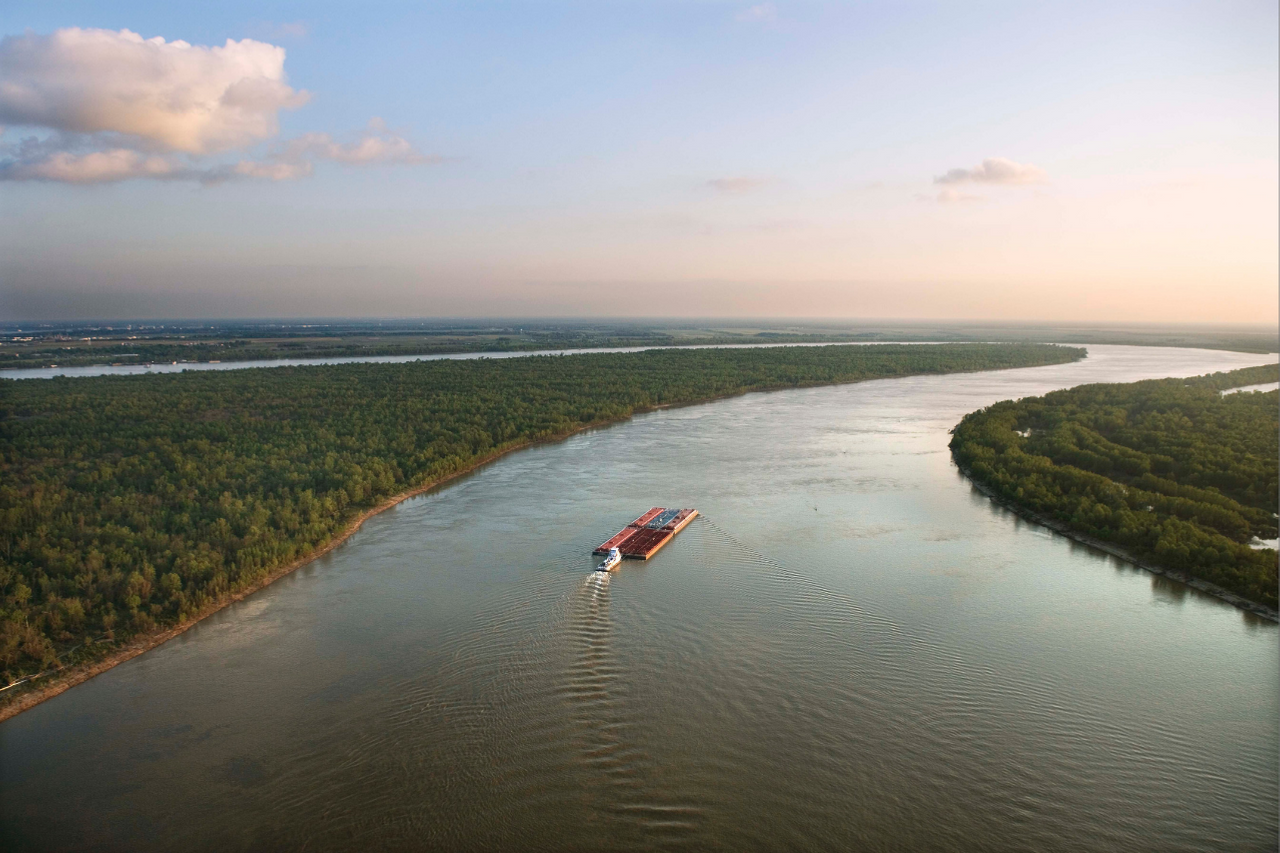
Navigating the Mighty Mississippi: Early Journeys and Expansion
Early European explorers, such as Hernando de Soto and Louis Jolliet, were among the first to chart its course. Their expeditions, though driven by different motives, revealed the river’s potential for connecting the interior of the continent with the Gulf of Mexico. This access to the ocean was paramount for establishing trade routes and expanding colonial influence.
The control of the Mississippi River became a strategic imperative for the young United States. The Louisiana Purchase in 1803, orchestrated by President Thomas Jefferson, secured American sovereignty over the entire western bank of the river and the port of New Orleans. This acquisition was a game-changer, opening up immense territories for settlement and economic development. Without control of the Mississippi, the young nation’s expansion westward would have been severely hampered, and its economic future uncertain.
Steamboats and the Golden Age of River Travel
The invention of the steamboat in the early 19th century revolutionized travel and trade on the Mississippi River. Steamboats could travel upstream against the powerful current, dramatically reducing journey times and making river transport more efficient and cost-effective. Cities like St. Louis, Memphis, and New Orleans boomed as major hubs for steamboat traffic.
This era saw the river become a vibrant social and economic corridor. Passengers could embark on luxurious journeys, enjoying the scenery and the burgeoning culture of the river towns. For businesses, the steamboat was indispensable, facilitating the transport of agricultural products from the Midwest to markets in the South and abroad, as well as manufactured goods upstream. This era is vividly captured in literature, most famously in the works of Mark Twain, whose iconic novels like The Adventures of Tom Sawyer and Adventures of Huckleberry Finn immortalized the romantic and adventurous spirit of steamboat life on the Mississippi. The river became synonymous with a uniquely American experience of travel and lifestyle.
A Hub for Tourism and Cultural Exchange
Beyond its economic and logistical importance, the Mississippi River has always been a significant draw for tourism, fostering cultural exchange and shaping the identity of the regions it traverses. The riverfronts of its major cities have long been centers of activity, attracting visitors and locals alike.
The Allure of the Riverfronts: Attractions and Experiences
Cities like New Orleans have a particularly strong connection to the river, with iconic landmarks like the French Quarter and the Natchez Trace Parkway (though not directly on the river, its history is intertwined with river access points) drawing visitors. The steamboat excursions that were once the primary mode of long-distance travel are now a popular tourist experience, offering a nostalgic glimpse into the past. These cruises provide opportunities to witness the stunning natural beauty of the riverbanks, explore charming river towns, and immerse oneself in the rich history of the region.
The tourism sector surrounding the Mississippi River encompasses a wide array of attractions. From historic plantations and antebellum homes to vibrant music scenes and culinary delights, the river region offers a diverse range of experiences. Visitors can explore the unique local culture of towns like Vicksburg, steeped in Civil War history, or the musical heritage of Memphis, the birthplace of blues and rock and roll. The river itself offers opportunities for recreation, including fishing, boating, and kayaking, further enhancing its appeal as a tourist destination.
Culinary Journeys and Local Flavors
The fertile lands along the Mississippi River have historically supported a rich agricultural output, leading to a distinct and celebrated culinary scene. The food of the Mississippi Delta region, in particular, is renowned for its soulful flavors, deeply influenced by African American traditions. Dishes like fried catfish, shrimp and grits, and pecan pie are staples that draw food enthusiasts from around the world.
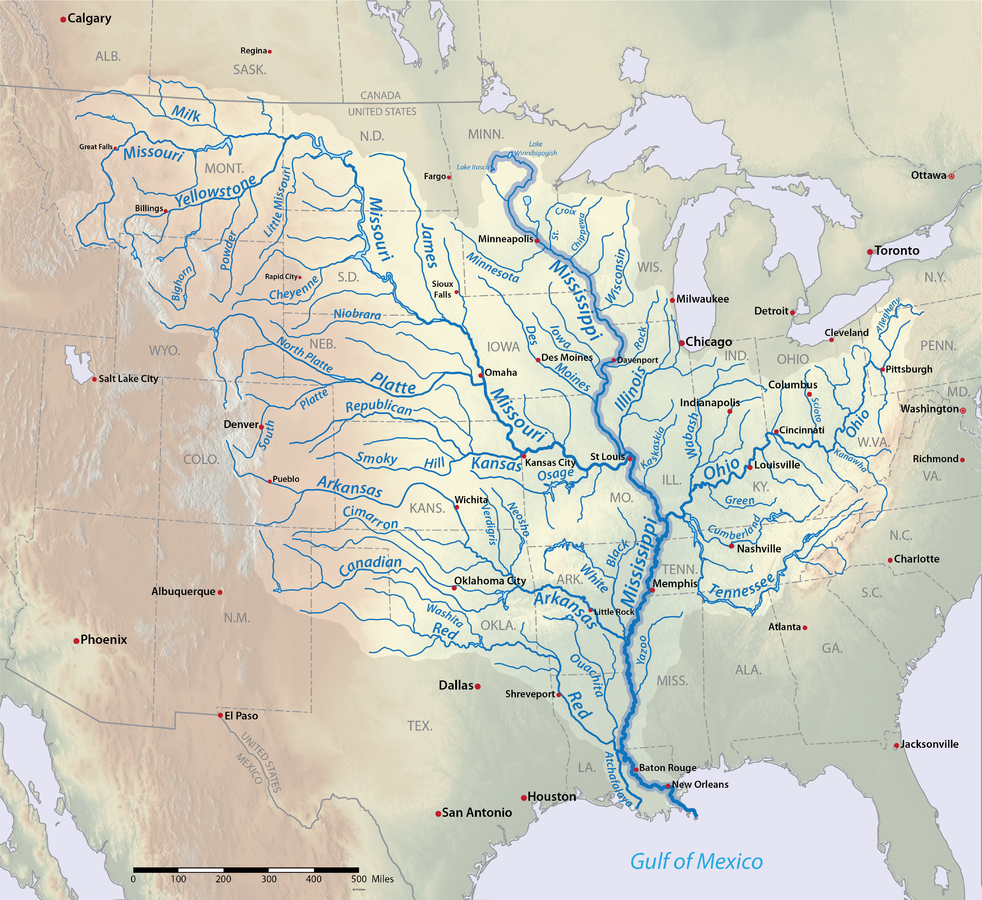
Exploring these culinary traditions is an integral part of the tourism experience. Many restaurants and eateries, from casual diners to upscale establishments, offer authentic regional cuisine. Cooking classes, food festivals, and farm-to-table tours provide visitors with hands-on opportunities to engage with the local food culture. The river’s bounty, from its seafood to its produce, has shaped the palates and traditions of the communities along its banks, making it a significant aspect of its cultural importance.
Shaping Iconic Landmarks and Natural Wonders
The Mississippi River is not just a pathway; it is a force that has shaped the very landmarks and natural landscapes of America. Its dynamic presence has created unique geographical features and provided settings for historically significant sites.
Natural Wonders and Geographic Significance
The sheer size and power of the Mississippi River are evident in its impressive natural features. Its delta, a vast expanse of wetlands and bayous, is a critical ecosystem supporting a rich diversity of wildlife. The river’s annual flooding, while historically a challenge, also deposited nutrient-rich silt, creating incredibly fertile agricultural lands that became the breadbasket of America.
The river’s course itself is a landmark, a continuously changing entity that has influenced settlement patterns and the development of towns and cities. Its meanders, oxbow lakes, and tributaries form a complex network that is both beautiful and ecologically vital. The nature and grandeur of the Mississippi provide a stunning backdrop for countless outdoor activities and offer a profound connection to the wildness of the American continent.
Historical Sites and Architectural Legacies
Along its banks stand numerous historical sites and architectural marvels that tell the story of America. Vicksburg National Military Park, commemorating a pivotal Civil War battle, is a somber yet essential landmark for understanding the nation’s past. The historic riverfronts of cities like St. Louis, with its iconic Gateway Arch, symbolize the westward expansion and the spirit of exploration.
The architecture of the river towns reflects their diverse histories and cultural influences. From the grand antebellum mansions of the South to the robust industrial buildings of the Midwest, the structures lining the Mississippi are testaments to the river’s enduring impact on settlement and development. These famous places are not merely historical relics; they are living reminders of the river’s central role in shaping American identity and heritage. Many of these sites are now key attractions for tourism, offering visitors a tangible link to the past.
A Catalyst for Lifestyle and Economic Development
The Mississippi River has profoundly influenced the lifestyle of Americans and served as a constant engine for economic development throughout the nation’s history. Its impact is felt in everything from economic opportunities to the very character of the communities that grew up along its shores.
Economic Powerhouse: Agriculture, Industry, and Transportation
The economic importance of the Mississippi River cannot be overstated. Its fertile floodplains made it ideal for agriculture, particularly for the cultivation of crops like cotton, corn, and soybeans. This agricultural wealth fueled the economies of the Southern states and contributed significantly to the nation’s overall prosperity.
Beyond agriculture, the river became a vital corridor for industrial development. Cities along its course grew into manufacturing centers, benefiting from easy access to raw materials and the ability to ship finished goods to markets. The development of ports and transportation infrastructure, including barges, towboats, and later, the Intracoastal Waterway, solidified the river’s role as a critical component of the United States’ logistical backbone. This continued economic activity supports jobs and livelihoods for millions, shaping a specific lifestyle tied to river-based industries.

Influences on American Culture and Identity
The Mississippi River has also been a powerful force in shaping American culture and identity. Its vastness and perceived wildness inspired artists, writers, and musicians, fostering a uniquely American romanticism associated with the frontier and the pursuit of freedom. The river represents a journey, an escape, and a sense of possibility, themes that are deeply ingrained in the national psyche.
The diversity of cultures that flourished along its banks, from the indigenous tribes who first inhabited its lands to the European settlers and the descendants of enslaved Africans, has created a rich tapestry of traditions. This cultural exchange, facilitated by the river’s ability to connect disparate regions, has contributed to the pluralistic nature of American society. Whether one seeks luxury travel on a grand riverboat or a more budget travel adventure exploring small river towns, the Mississippi offers a diverse range of experiences that continue to define the American lifestyle. The river remains a powerful symbol of connection, opportunity, and the enduring spirit of the nation.
LifeOutOfTheBox is a participant in the Amazon Services LLC Associates Program, an affiliate advertising program designed to provide a means for sites to earn advertising fees by advertising and linking to Amazon.com. Amazon, the Amazon logo, AmazonSupply, and the AmazonSupply logo are trademarks of Amazon.com, Inc. or its affiliates. As an Amazon Associate we earn affiliate commissions from qualifying purchases.