
The iconic silhouette of the Space Needle piercing the sky above Seattle is a globally recognized symbol of the Pacific Northwest. Its futuristic design and commanding presence make it an undeniable landmark. But beyond its visual appeal and its status as a must-visit tourist attraction, there’s a compelling story behind its genesis. The Space Needle wasn’t just an architectural whim; it was a deliberate, ambitious project born out of a specific event and a forward-thinking vision for the future of Seattle.
A Vision for the Future: The 1962 World’s Fair
The primary driving force behind the construction of the Space Needle was the 1962 Seattle World’s Fair, officially known as the Century 21 Exposition. This monumental event was conceived to celebrate the dawn of the Space Age and to showcase America‘s technological prowess and optimism for the future. The theme, “Century 21,” was a bold declaration of looking ahead, imagining a world transformed by science, space exploration, and innovation.
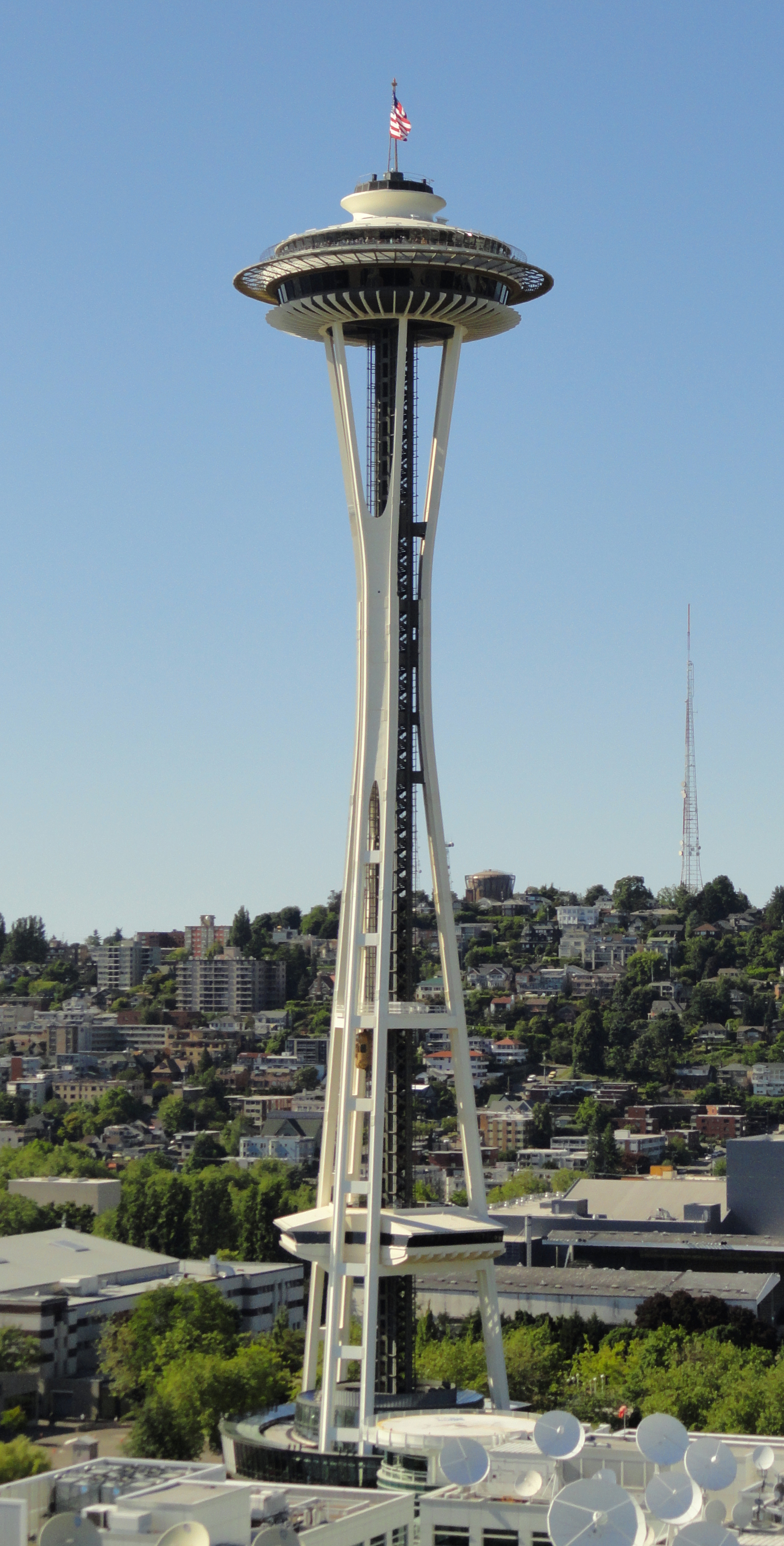
The idea for a new, soaring structure to serve as the fair’s centerpiece emerged from a competition. Edward E. Carlson, a visionary businessman and chairman of the fair’s planning committee, initially sketched an idea on a napkin of a flying saucer atop a tall tower. This rudimentary concept evolved, fueled by a desire to create something that would not only represent the fair’s theme but also leave a lasting legacy for the city of Seattle. The goal was to build a monument that embodied the spirit of progress and aspiration, a beacon of the future that visitors could ascend and experience firsthand.
The Race Against Time and the Birth of an Icon
The timeline for the 1962 World’s Fair was incredibly tight, and the construction of such an ambitious structure as the Space Needle presented immense challenges. The fair was scheduled to open in April 1962, meaning construction needed to be completed within a year. This necessitated rapid design, planning, and execution.
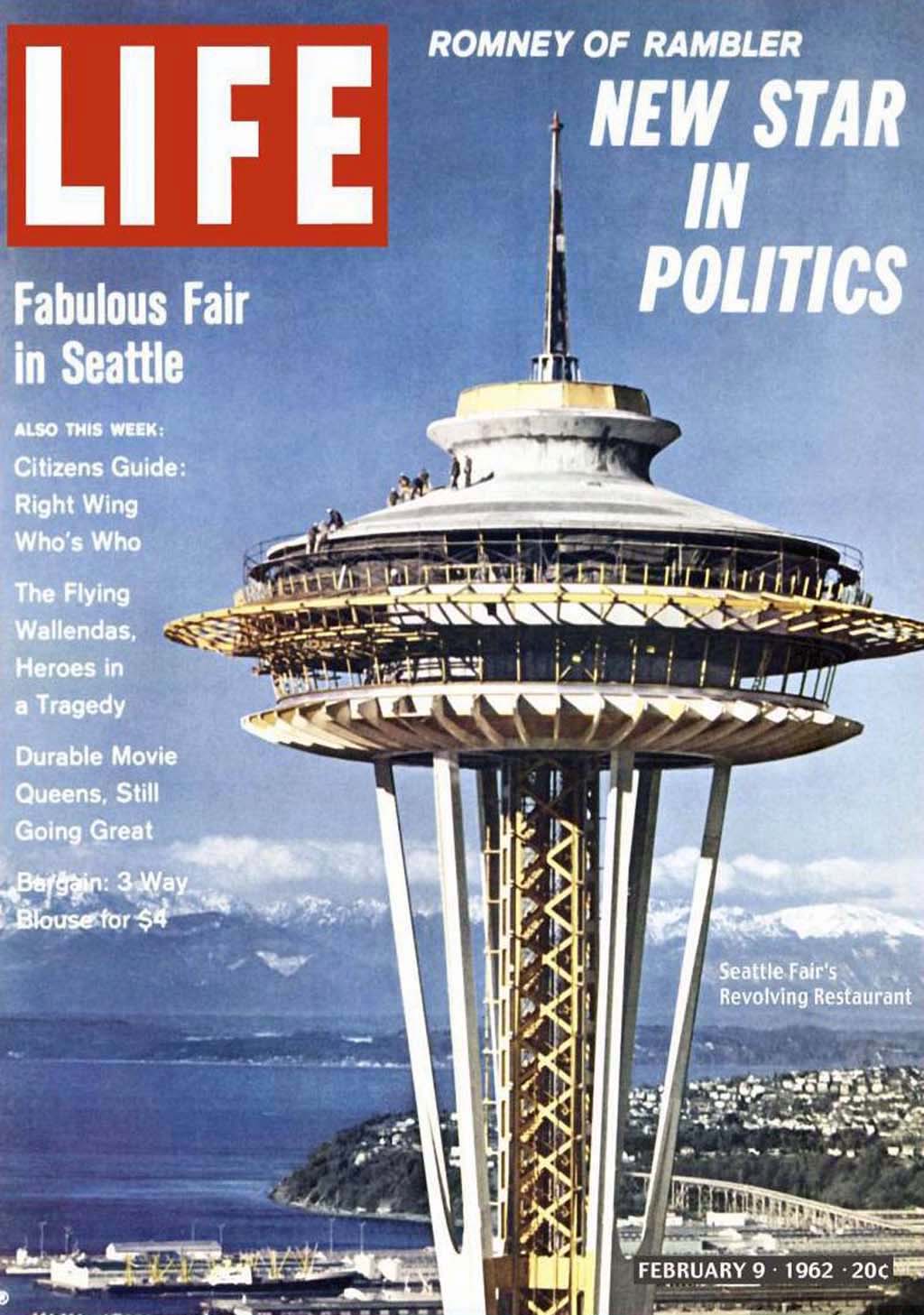
The architectural design was entrusted to John Graham Jr., who, along with his team, refined Carlson’s initial concept into the distinctive saucer-shaped top and slender, tripod-like base that we recognize today. The design was a marvel of engineering for its time, incorporating a rotating restaurant that offered unparalleled panoramic views of the city, the Puget Sound, and the surrounding mountains. This rotating restaurant was a key element, designed to provide an immersive and memorable experience for fairgoers, symbolizing the forward-looking nature of the exposition.
Construction itself was a feat of engineering. The foundation for the Space Needle was dug 30 feet deep and anchored with 72 concrete trucks. The main structure was then built using 3,700 tons of steel. The rotating dining room, weighing 375 tons, was built on the ground and then lifted into place, a testament to the innovative construction techniques employed. The topping-out ceremony, marking the completion of the main structure, was held on October 20, 1961, just in time for the fair’s opening. The Space Needle was officially dedicated on April 21, 1962, and immediately became the star attraction of the Century 21 Exposition.
More Than Just a Fairground Attraction: A Symbol of Seattle’s Identity
While the 1962 World’s Fair provided the impetus for the Space Needle’s creation, its significance quickly transcended its initial purpose. The fair itself was a massive success, attracting over 10 million visitors. The Space Needle was the undisputed highlight, captivating audiences with its futuristic design and its promise of a glimpse into the future.
After the fair concluded, the question arose: what would happen to this impressive structure? Fortunately, the visionaries behind the Space Needle had always intended for it to be a permanent fixture. It was designed and built not as a temporary fair attraction, but as a lasting landmark that would symbolize Seattle’s aspirations and its unique place in the world.
The Space Needle quickly became deeply intertwined with Seattle’s identity. Its distinctive profile became synonymous with the city, appearing on postcards, tourism brochures, and in countless photographs. It represented a city that was not afraid to dream big, to embrace innovation, and to reach for the stars – a sentiment that resonated with the burgeoning tech industry that would later define Seattle. It transformed from a symbol of a specific event into a symbol of the city’s ongoing evolution and its forward-thinking spirit.

Enduring Appeal and Evolving Experiences
Decades after its construction, the Space Needle continues to draw millions of visitors annually. It remains a paramount tourist attraction, offering breathtaking views and a tangible connection to Seattle’s history and its future. The initial vision of providing an unparalleled viewing experience has been consistently enhanced.
In recent years, the Space Needle has undergone significant renovations to modernize its amenities and enhance the visitor experience. These renovations have focused on improving the observation deck, introducing new interactive exhibits, and upgrading the dining facilities. The goal is to ensure that the Space Needle remains a relevant and exciting destination, not just a relic of the past but a vibrant part of Seattle’s present and future.
The rotating restaurant, once a cutting-edge marvel, continues to offer a unique dining experience with ever-changing vistas. The observation deck, with its floor-to-ceiling glass and outward-sloping benches, provides an even more immersive way to take in the scenery. The addition of the Loupe, a revolving glass floor, offers a thrilling perspective looking down upon the city below. These updates demonstrate a commitment to preserving the Space Needle’s iconic status while adapting it to contemporary expectations and technological advancements.
The enduring appeal of the Space Needle lies in its multifaceted nature. It is a testament to mid-century optimism, a marvel of engineering, a beloved architectural landmark, and a vital component of Seattle’s tourism industry. It represents the city’s embrace of innovation, its connection to the skies, and its unwavering spirit of looking forward, all stemming from its ambitious origins as the centerpiece of the 1962 World’s Fair. It stands not just as a tower, but as a powerful symbol of progress, aspiration, and the enduring allure of the future.
LifeOutOfTheBox is a participant in the Amazon Services LLC Associates Program, an affiliate advertising program designed to provide a means for sites to earn advertising fees by advertising and linking to Amazon.com. Amazon, the Amazon logo, AmazonSupply, and the AmazonSupply logo are trademarks of Amazon.com, Inc. or its affiliates. As an Amazon Associate we earn affiliate commissions from qualifying purchases.