
For decades, the prospect of New York hosting the Summer Olympics has remained a tantalizing, if perpetually elusive, dream. When the city launched its high-profile bid for the 2012 Games, the excitement was palpable. Concept renderings showcased a transformed West Side, complete with a shimmering Olympic Stadium and a revitalized waterfront. Yet, as history shows, the International Olympic Committee ultimately steered the festivities toward London. Today, travelers and sports enthusiasts often wonder if the “Capital of the World” will ever have its moment on the podium.
The Legacy of the 2012 Bid and Its Impact on Tourism
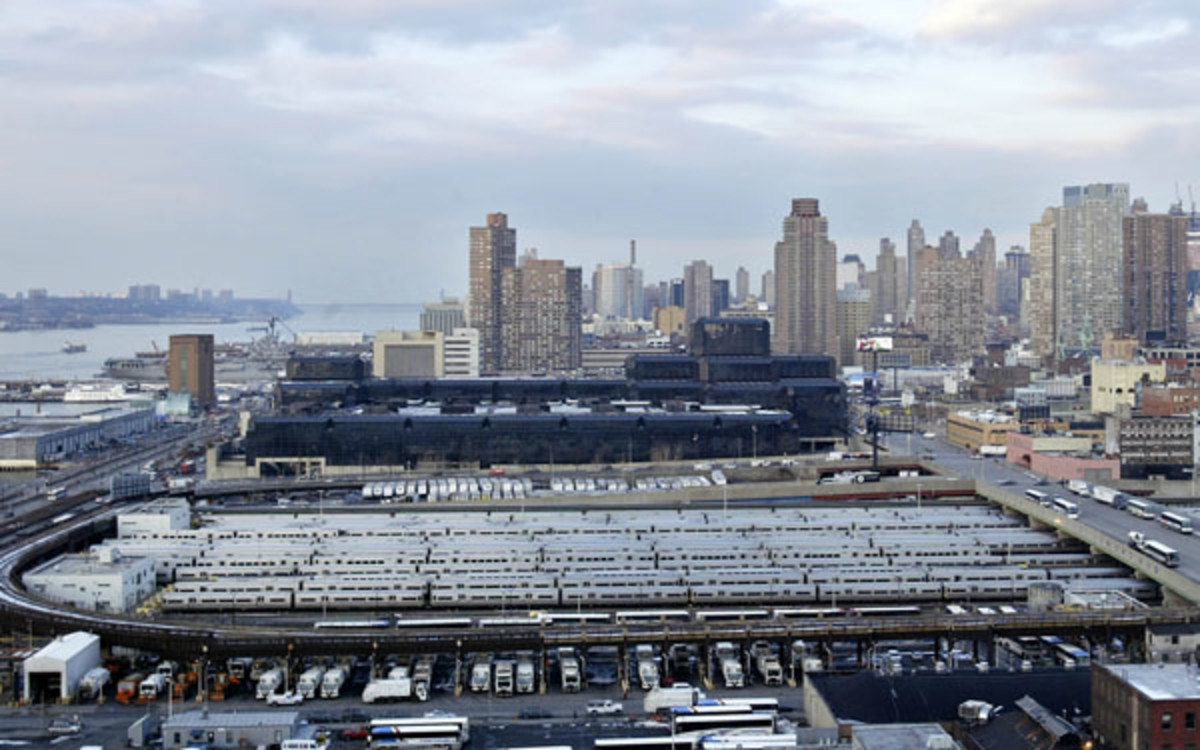
The ambition behind the 2012 bid did not disappear when the committee made its choice. Instead, it fundamentally altered the trajectory of Manhattan. The vision of turning the Far West Side into a global athletic hub paved the way for the Hudson Yards development, a massive undertaking that has become a premier destination for modern tourism.

Infrastructure and Urban Renewal
The core of the Olympic bid was not just about sport; it was about modernizing the city’s aging infrastructure. The extension of the 7 Subway Line to the 34th Street-Hudson Yards Station was a direct legacy of the bid. This transit expansion opened up the Hell’s Kitchen neighborhood to a new wave of international visitors, proving that even failed Olympic bids can spark significant urban renewal.
Tourism as a Catalyst for Change
For the modern traveler, New York City offers a persistent, year-round “Olympic” experience of sorts. The density of world-class venues, from Madison Square Garden to Arthur Ashe Stadium in Queens, ensures that major sporting events are always on the horizon. While the city may not host the Opening Ceremonies, the spirit of global competition is woven into the fabric of the local culture.
The Logistical Reality of Hosting the Games
If New York were to seriously pursue a future bid, the challenges would be vastly different than those faced by cities like Paris or Los Angeles. The city is already operating at peak capacity, and the logistical burden of hosting millions of tourists—on top of an already bustling daily commuter population—is a massive hurdle.
Transportation Bottlenecks
Navigating New York is an adventure in its own right. During a standard week, the MTA manages millions of daily journeys. Integrating a massive influx of spectators into this network would require unprecedented levels of investment. Visitors arriving via John F. Kennedy International Airport or LaGuardia Airport would need seamless connectivity to venues spread across the five boroughs, including events potentially held as far away as Brooklyn or the Bronx.

The Spatial Challenge
Unlike cities that can dedicate vast plots of land to a single Olympic Park, New York is defined by its verticality. Utilizing iconic spaces like Central Park or the East River would require complex permitting and environmental considerations. However, the city’s unique strength lies in its ability to adapt. We see this annually during the New York City Marathon, where the streets become a global stage, proving that the city knows how to manage large-scale athletic events.
Is New York Suited for the Olympic Vibe?
One must ask whether a city as iconic as New York actually needs the Olympics to draw tourists. The city’s landmarks, such as the Empire State Building, Statue of Liberty, and Times Square, attract tens of millions of visitors annually without the need for a global sporting event.
The Value of the “New York” Brand
The global appeal of New York is immutable. A tourist planning a trip to the United States rarely skips the Big Apple. The cultural saturation—museums like the Metropolitan Museum of Art, the theatrical power of Broadway, and the culinary diversity found in Chinatown—creates an experience that is essentially an “everyday Olympics” for the senses.
Future Potential: Sustainability and Reuse
The current trend in Olympic hosting favors sustainability. The International Olympic Committee now mandates the use of existing facilities to avoid the “white elephant” syndrome—where expensive stadiums are built and then abandoned. New York is ideally positioned for this model. With venues like Barclays Center, Citi Field, and the various university campuses across the region, a decentralized “Games” could theoretically be hosted with minimal new construction.
The Verdict: Will We Ever See the Torch in the City?
While there are no active, high-level bids for New York to host the Summer Olympics in the near term, the conversation is never truly dead. The city thrives on being the center of the world’s attention. Even without the official rings, the city remains an epicenter for international sport, fashion, and finance.
Why It Might Happen
If the United States Olympic & Paralympic Committee decides that a major Northeast hub is necessary for a future cycle, New York would undoubtedly lead the conversation. The city’s capacity to host world leaders, massive protests, and historic celebrations makes it one of the few places on Earth capable of handling such a monumental event with relative poise.
The Tourist Perspective
For the traveler, the absence of an Olympic Games shouldn’t dampen the desire to visit. If anything, it allows for a more authentic exploration of the city. Without the disruption of massive security zones and restricted zones associated with the Olympics, visitors can freely roam from the High Line to the Brooklyn Bridge, soaking in the atmosphere that makes New York a perennially top-rated global destination.
Whether the Olympics ever officially come to the Five Boroughs is a matter of politics and economics. But for the millions who walk the streets of Manhattan every year, the city already feels like the center of the world stage. Whether exploring the historical depths of Ellis Island or simply enjoying a walk through Washington Square Park, the energy here is unmatched. New York may or may not hold the torch one day, but it will always hold the imagination of those who travel to see it.
LifeOutOfTheBox is a participant in the Amazon Services LLC Associates Program, an affiliate advertising program designed to provide a means for sites to earn advertising fees by advertising and linking to Amazon.com. Amazon, the Amazon logo, AmazonSupply, and the AmazonSupply logo are trademarks of Amazon.com, Inc. or its affiliates. As an Amazon Associate we earn affiliate commissions from qualifying purchases.