
The sports landscape of the United States is currently fixated on a pivotal question: will the Kansas City Chiefs move to Kansas? For decades, this legendary franchise has called Missouri home, specifically anchoring the Truman Sports Complex in Kansas City. However, shifting political tides, stadium financing debates, and the allure of modern development have sparked a serious conversation about the team crossing the state line. This potential move is not just a win-loss calculation for sports fans; it represents a seismic shift in the tourism and cultural identity of the entire metropolitan area.
The Cultural Impact of the Chiefs on Kansas City Tourism
To understand what a move to the Sunflower State would mean, one must first appreciate the current tourism ecosystem centered around the team. For generations, the Kansas City Chiefs have been more than a football team; they are a primary driver for domestic travel to the region. Fans from across the Midwest flock to the city, filling hotels and restaurants, creating a vibrant atmosphere that defines the local culture.
The Arrowhead Stadium Legacy
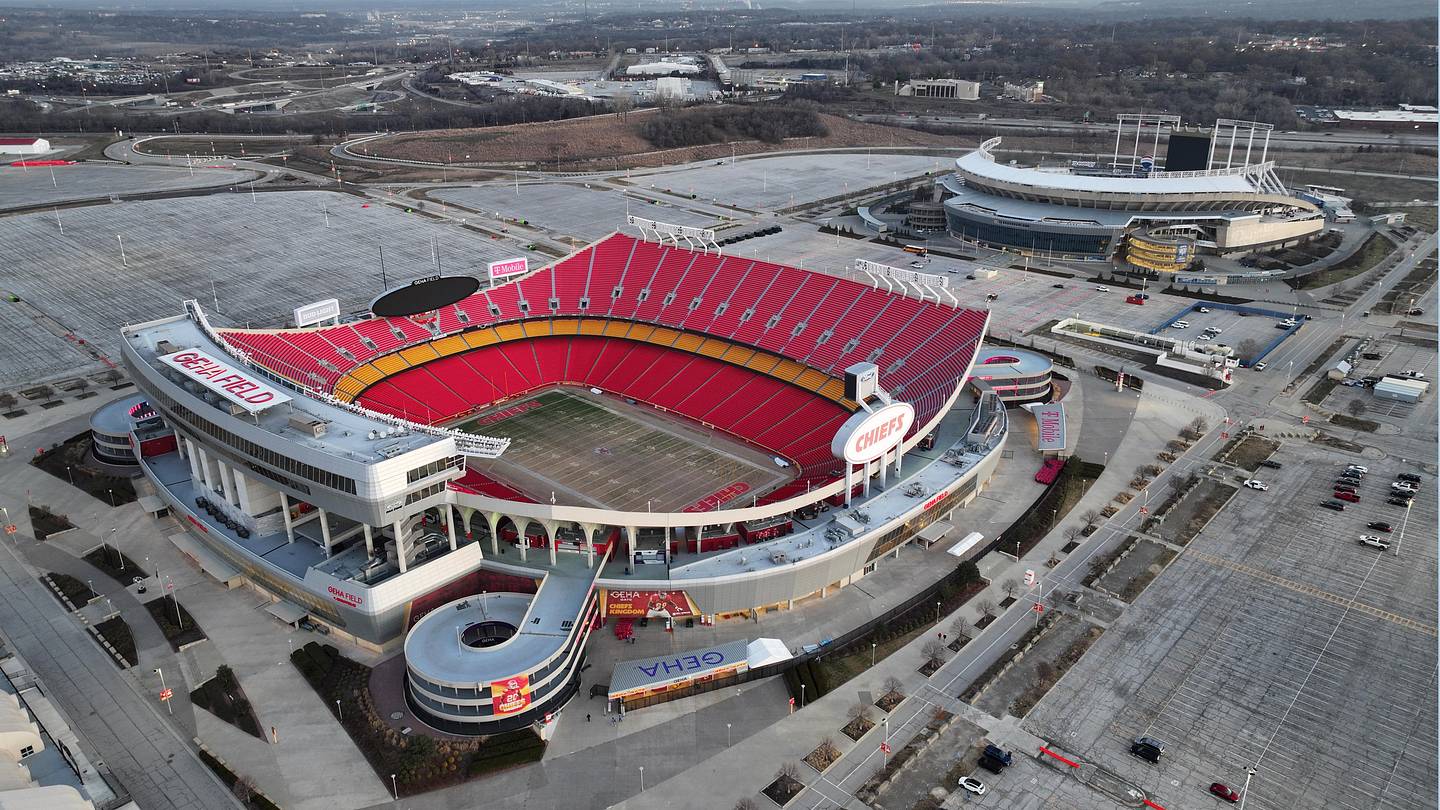
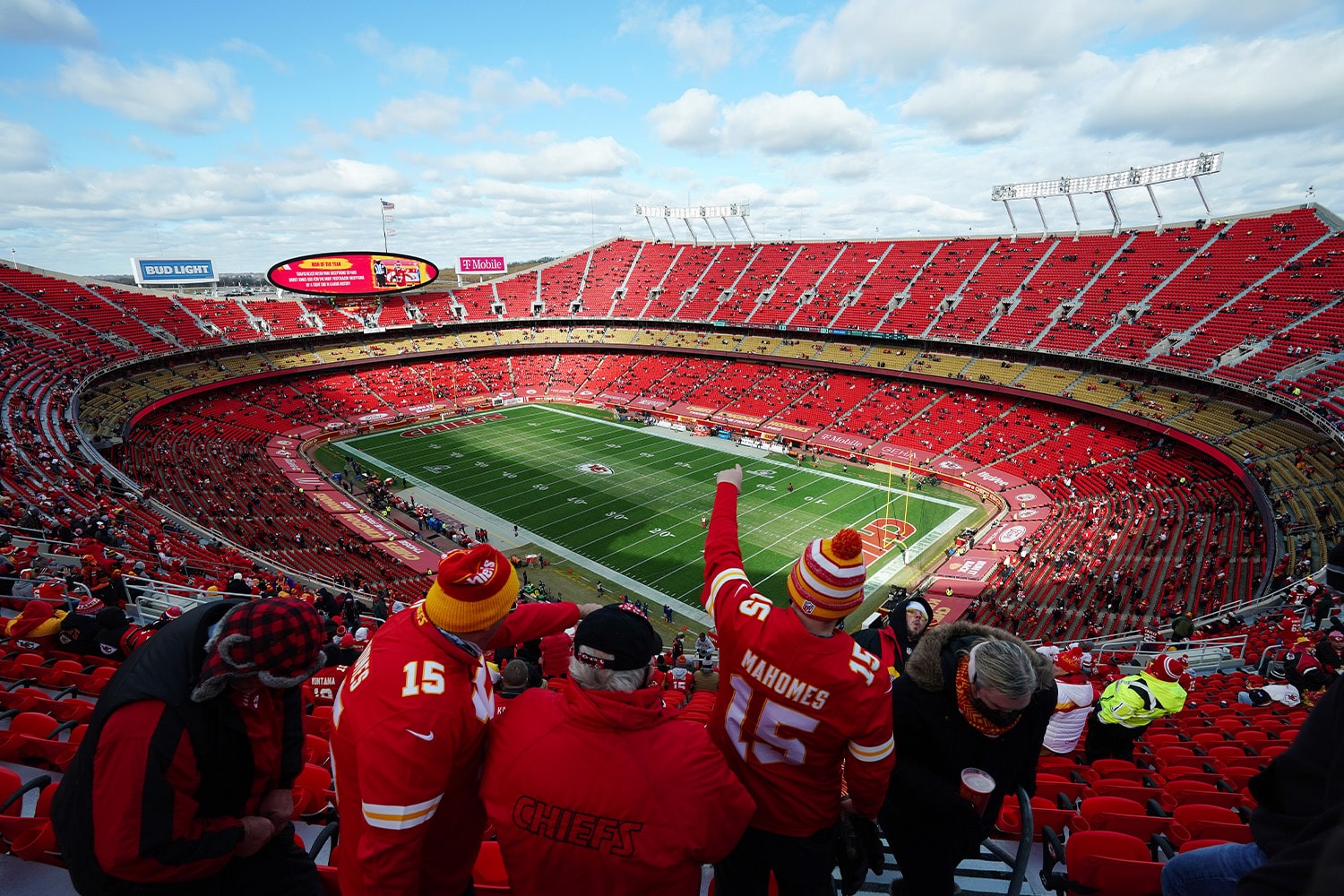
Currently, the visitor experience is synonymous with Arrowhead Stadium, officially known as Geha Field. As one of the most iconic landmarks in the world of sports, the stadium is a pilgrimage site for football purists. Its reputation for record-breaking crowd noise and a sea of red jerseys makes it a top-tier attraction for sports tourism. Any move away from this historic site involves a delicate balance of preserving “Loud and Proud” traditions while embracing modern amenities. Visitors today often combine a game day with a trip to the National World War I Museum and Memorial or a walk through Union Station, creating a comprehensive cultural itinerary in the heart of Missouri.
Tailgating Traditions and Local Flavors
A significant portion of the tourism appeal lies in the culinary experience. The Kansas City tailgating scene is world-renowned, often cited as the best in the nation. It is here that the city’s famous barbecue culture truly shines. Tourists often seek out local staples like Arthur Bryant’s or Gates Bar-B-Q before heading to the parking lots. If the team moves to Kansas, the geographical “home” of this barbecue identity might shift its gravity toward Wyandotte County, where legendary spots like Joe’s Kansas City Bar-B-Que already draw massive crowds. The potential move prompts a fascinating question: can the specific “flavor” of a Missouri tailgate be replicated in a brand-new Kansas development?
Crossing the Border: Exploring Potential Kansas Side Attractions
If the move to Kansas proceeds, the focus of regional tourism development will likely land on the western side of the metropolitan area. Kansas officials have already begun exploring the use of STAR bonds—Sales Tax Revenue bonds—to lure the team. This would likely result in a massive multi-use entertainment district that would rival any tourist destination in the United States.
The Legends at Village West and Sporting Kansas City
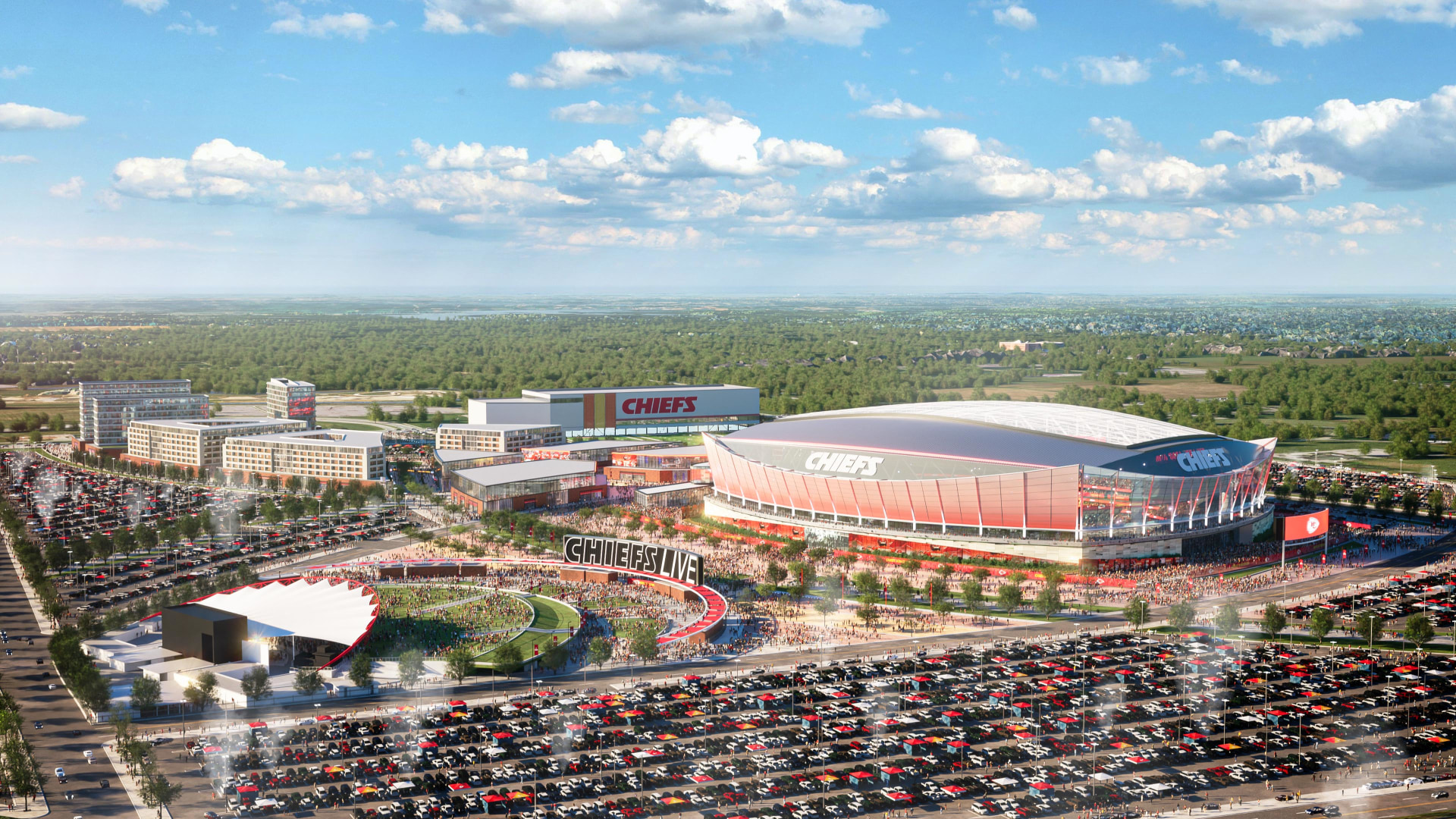
The most logical site for a new stadium is near The Legends at Village West in Kansas City, Kansas. This area is already a powerhouse for tourism and activities. It currently houses the Kansas Speedway, which attracts thousands of racing fans annually, and Children’s Mercy Park, the home of Sporting Kansas City. Adding the Kansas City Chiefs to this mix would create a sports “megaplex.” For tourists, this means a centralized hub where they can shop at designer outlets, stay at the Great Wolf Lodge, and attend a professional football game all within a few square miles.
New Infrastructure and Tourism Growth
A move to Kansas would necessitate a total overhaul of the local infrastructure. From a tourism perspective, this is often a net positive. New stadium projects in the modern era are rarely just about the field; they are “lifestyle centers.” We would likely see the rise of luxury hotels, immersive fan zones, and high-end dining options that don’t currently exist in the industrial shadow of the current stadium location. This shift would likely attract a different demographic of travelers—those looking for a “resort-style” game day experience rather than the gritty, traditional atmosphere of the current Truman Sports Complex.
The Economic Ripple Effect on Regional Tourism
The debate over “Will Chiefs Move To Kansas?” is heavily fueled by the economic potential of a fresh start. For the tourism industry, the move could redefine how visitors spend their money and where they choose to stay.
Hotel Demand and Local Commerce
Currently, many visitors to games stay in downtown Kansas City, Missouri, or near the Country Club Plaza. A move to the Kansas side would trigger a hotel construction boom in Overland Park and Johnson County. These suburban areas are already known for their hospitality and family-friendly environment. By moving the team to Kansas, the state stands to capture millions in lodging tax and sales tax that currently flows into Missouri. For the traveler, this could mean more modern accommodation options and potentially better proximity to other Kansas attractions like the Museum of Prairiefire.
Year-Round Activity and Modern Stadium Districts
One of the criticisms of the current stadium location is that it remains relatively quiet during the NFL off-season. Modern stadium designs, like those seen in Las Vegas or Los Angeles, are built to be 365-day tourism magnets. A new Kansas stadium would likely feature a retractable roof, allowing the venue to host major international concerts, NCAA Final Fours, and even the Super Bowl. This would transition the region from a seasonal sports destination to a year-round entertainment powerhouse. The ripple effect on local restaurants, tour operators, and small businesses in Kansas City, Kansas would be transformative.
Navigating the Future of Tourism in the Sunflower State
As the discussion continues, both fans and tourists are left wondering how the logistics of the region will adapt. The border between Kansas and Missouri has always been porous, but a move of this magnitude would fundamentally change the way people navigate the area.
Transportation and Accessibility
From a tourism logistics standpoint, accessibility is key. The Kansas City International Airport recently underwent a massive renovation, making the city more accessible than ever for international and domestic travelers. If the Kansas City Chiefs move to Kansas, transportation planners will need to address the flow of traffic across the Missouri River and the Kansas River. New transit lines, shuttle services, and improved highway access would be essential to ensure that the tourist experience remains seamless. For many visitors, the ease of getting to the stadium is just as important as the game itself.
Maintaining the “KC” Identity Across State Lines
Perhaps the greatest challenge in moving to Kansas is maintaining the unified “KC” brand that tourists have come to love. The city’s identity is unique because it spans two states, and the Kansas City Chiefs are the ultimate symbol of that unity. Whether the stadium sits in Missouri or Kansas, the tourism board’s mission will be to ensure that visitors feel the same sense of community and “Midwestern hospitality” that defines the region.
The prospect of the Kansas City Chiefs moving to Kansas is a complex issue involving politics, finance, and deep-seated local pride. However, from a tourism perspective, it represents a bold new chapter. While it would mean saying goodbye to the historic grounds of Arrowhead Stadium, it could open the door to a world-class entertainment district that elevates the regional visitor experience to new heights. Whether they stay or go, the “Chiefs Kingdom” remains a cornerstone of United States sports culture, continuing to draw people from all walks of life to the heart of the Midwest.
LifeOutOfTheBox is a participant in the Amazon Services LLC Associates Program, an affiliate advertising program designed to provide a means for sites to earn advertising fees by advertising and linking to Amazon.com. Amazon, the Amazon logo, AmazonSupply, and the AmazonSupply logo are trademarks of Amazon.com, Inc. or its affiliates. As an Amazon Associate we earn affiliate commissions from qualifying purchases.