
The headline “Will Florida Be Underwater In 2025?” is undeniably striking, designed to capture attention and spark immediate concern. For anyone planning a vacation to the Sunshine State, or indeed for its millions of residents and those with vested interests in its vibrant tourism industry, such a question can evoke significant apprehension. However, before canceling your flights to Miami or rescheduling your Walt Disney World Resort adventure, it’s crucial to delve beyond the sensationalism and understand the reality. While Florida is undeniably at the forefront of discussions surrounding climate change and sea-level rise, the idea of the entire state being submerged by 2025 is a dramatic oversimplification and, quite frankly, inaccurate.

Florida remains, and will continue to be in the foreseeable future, a premier global travel destination. Its allure stems from an unparalleled combination of natural beauty, world-class attractions, diverse cultural experiences, and an extensive array of accommodation options. From the pristine beaches of the Gulf Coast to the lively nightlife of South Beach, the magical theme parks of Orlando, and the unique ecosystems of the Everglades National Park, the state offers something for every type of traveler. This article will explore the science behind sea-level rise in Florida, demystify the alarmist rhetoric, and ultimately reassure travelers that their plans to experience the magic, sun, and sand of Florida are safe and sound for 2025 and well beyond. We’ll also look at how Florida is adapting and what savvy travelers need to know to make the most of their visit.
Understanding the “Underwater” Narrative: Climate Science vs. Tourism Reality
The provocative title undoubtedly plays on the very real concerns about climate change and its potential impacts. Florida, with its extensive coastline and low elevation, is indeed recognized as one of the most vulnerable regions in the United States to the effects of rising sea levels. However, the timeline and scale presented by the question “Will Florida Be Underwater In 2025?” are far removed from scientific consensus.
The Science of Sea-Level Rise: What Experts Predict
Scientific bodies like the NOAA (National Oceanic and Atmospheric Administration) and the IPCC (Intergovernmental Panel on Climate Change) provide detailed projections for sea-level rise. These projections, while serious in their long-term implications, do not foresee widespread submersion of Florida by 2025. In fact, most current models indicate a rise of mere inches to perhaps a foot or two over the next several decades, not several feet that would be required to put entire cities underwater within such a short timeframe. The significant impacts of sea-level rise, such as increased frequency of sunny-day flooding, saltwater intrusion, and exacerbated storm surges, are already being experienced in some low-lying coastal areas, particularly in South Florida. Cities like Miami Beach have been investing heavily in infrastructure projects, including raising roads and installing advanced pumping systems, to mitigate these immediate challenges.
It’s crucial to differentiate between localized, intermittent issues and the total submersion of a state. While certain low-lying streets might experience temporary flooding during king tides or heavy rainfall, especially as sea levels incrementally rise, this is a far cry from the entire state or even major tourist hubs being “underwater.” The science points to a gradual, long-term challenge, not an imminent catastrophe for travelers in 2025.
Dispelling Immediate Fears for Travelers
For travelers planning their 2025 itineraries, the message is clear: Florida will not be underwater. Your vacation plans for its beaches, theme parks, and cultural landmarks are safe. The concerns around sea-level rise are important for urban planners, policymakers, and future generations, but they do not translate into an immediate threat that would derail a trip next year. The state’s vast geography means that even localized issues in one area do not affect the entirety of the state’s diverse offerings.
For instance, the theme parks of Orlando are situated inland, well above sea level, and are unaffected by coastal flooding. Destinations like St. Augustine, with its historic downtown, or Gainesville, home to the University of Florida, are also not directly threatened by immediate coastal changes. Even in popular coastal cities, the infrastructure is robust, and accommodations, from luxury resorts to budget-friendly apartments, are designed to welcome millions of visitors annually without interruption due to widespread flooding. Travelers can book with confidence, focusing instead on optimizing their experience and choosing the perfect blend of destinations and activities for their trip.
Florida’s Enduring Appeal: More Than Just Beaches
Despite the sensational headlines, Florida’s appeal as a premier travel destination remains as strong as ever. Its diverse landscape, rich history, and vibrant culture offer an array of experiences that go far beyond its iconic coastline.
Iconic Destinations and Attractions
The draw of Florida is multifaceted. At the heart of its tourism industry are the world-renowned theme parks of Orlando. Walt Disney World Resort, encompassing Magic Kingdom, Epcot, Hollywood Studios, and Animal Kingdom, along with Universal Orlando Resort, home to The Wizarding World of Harry Potter, continue to attract families and enthusiasts from across the globe. These massive resorts are constantly innovating, offering new rides, shows, and experiences, ensuring repeat visits.
Beyond Orlando, the state boasts a constellation of other attractions. Busch Gardens Tampa Bay offers thrilling roller coasters and an African-themed animal park. The Kennedy Space Center Visitor Complex provides an awe-inspiring look into space exploration. Miami offers its iconic South Beach, the vibrant Art Deco Historic District, and a thriving arts and culinary scene. Further south, the Florida Keys, culminating in the unique charm of Key West, offer a distinct island lifestyle with fantastic snorkeling, diving, and fishing opportunities. Dry Tortugas National Park is a remote paradise accessible only by boat or seaplane, showcasing both historical landmarks and pristine marine life.
Diverse Experiences: Culture, Nature, and Adventure
Florida is a land of incredible natural diversity. The Everglades National Park, a UNESCO World Heritage Site, is a vast wetland ecosystem teeming with wildlife, from alligators to panthers, offering airboat tours and hiking trails. The numerous natural springs across central Florida, such as Weeki Wachee Springs State Park and Blue Spring State Park, provide opportunities for swimming, snorkeling, and kayaking in crystal-clear waters alongside manatees.
Culturally, Florida’s history is rich and varied. St. Augustine, the oldest continuously inhabited European-established settlement in the United States, transports visitors back in time with its Spanish colonial architecture and historic fort, the Castillo de San Marcos. The influence of Latin American culture is palpable in cities like Miami and Tampa, offering incredible food, music, and festivals. For those seeking adventure, deep-sea fishing, surfing, paddleboarding, and kayaking are popular activities across the state’s extensive coastline and inland waterways. Florida’s golf courses are also world-renowned, attracting enthusiasts year-round.
The Resilience of Coastal Communities
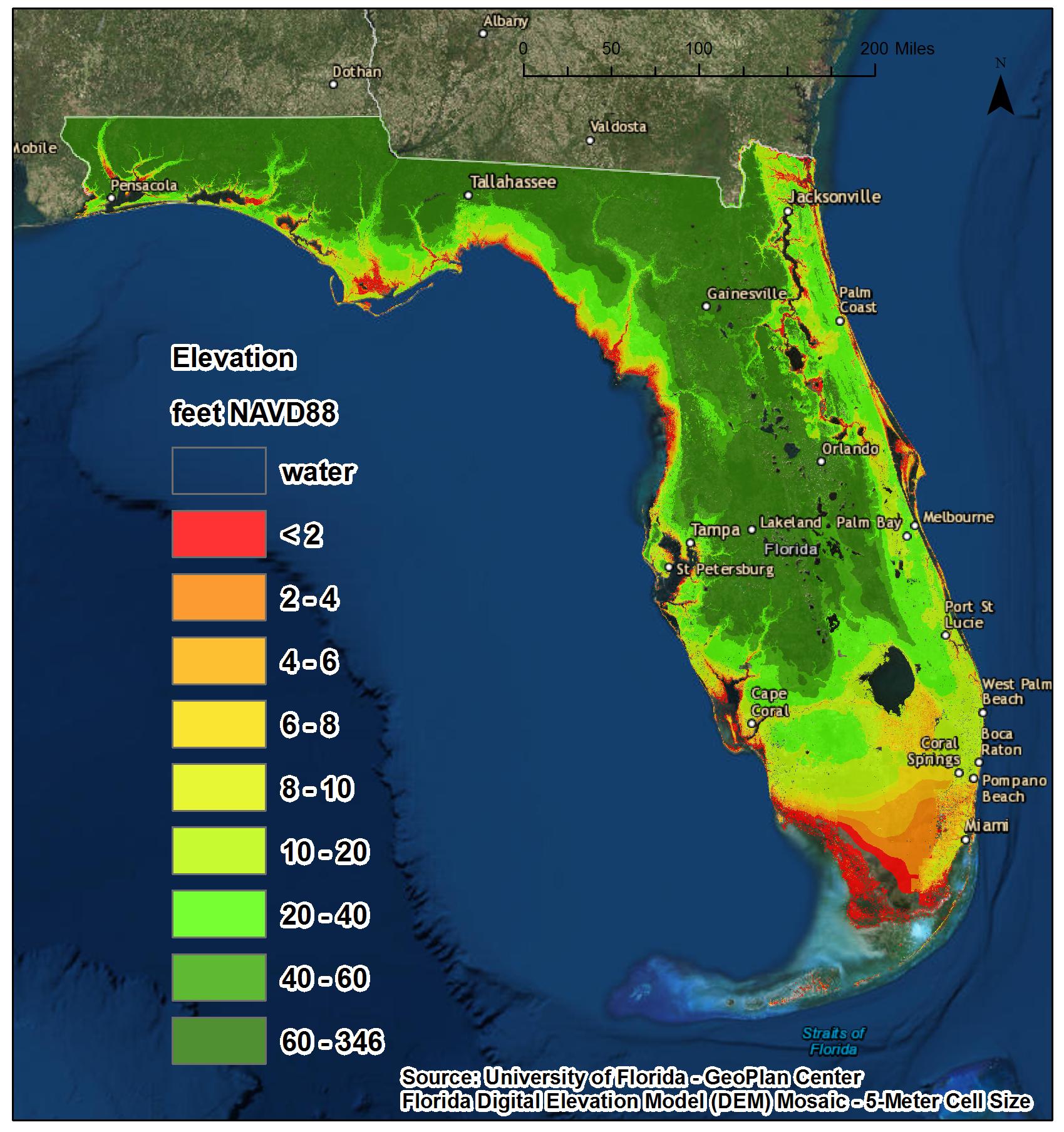
Florida’s coastal communities, while facing environmental challenges, are far from abandoning their vibrant lifestyles and tourism-dependent economies. Cities like Fort Lauderdale, Sarasota, St. Petersburg, and Naples are continually investing in infrastructure, resilience projects, and sustainable tourism initiatives. Many new developments are constructed with higher elevations and stricter building codes to withstand environmental shifts. These communities are dynamic, adapting to changes while continuing to offer exceptional experiences for visitors. The focus is on smart growth, protecting natural assets, and ensuring the long-term viability of their attractions.
Adapting to Change: How Florida is Preparing
Rather than sinking, Florida is actively rising to meet the challenges posed by a changing climate. State and local governments, businesses, and communities are implementing various strategies to enhance resilience and ensure the long-term sustainability of the region as a tourist haven.
Infrastructure Investments and Green Initiatives
Across the state, significant investments are being made in infrastructure upgrades. In Miami-Dade County, for example, projects include the elevation of roads, installation of powerful stormwater pumps, and the creation of living shorelines with mangroves to absorb tidal energy. Coastal protection efforts include beach nourishment programs, which replenish eroded beaches with sand, ensuring the continued enjoyment of Florida’s most famous asset.
Beyond engineering solutions, there’s a growing emphasis on green infrastructure. Preserving and restoring natural buffers like coral reefs, seagrass beds, and mangrove forests is crucial. These natural systems not only protect shorelines from erosion and storm surge but also support diverse ecosystems that are attractions in themselves for ecotourists. Many hotels and resorts are also adopting greener practices, from energy efficiency to water conservation and waste reduction, aligning with a global trend towards sustainable tourism.
Sustainable Tourism Practices for the Future
The tourism industry in Florida is increasingly recognizing the importance of sustainability. Many operators, from tour guides in the Everglades to luxury resorts, are embracing practices that minimize environmental impact and support local communities. Travelers can contribute to this effort by choosing eco-certified accommodations, participating in responsible wildlife tours, respecting natural habitats, and supporting local businesses that prioritize sustainability. The emphasis is on preserving the very natural beauty that draws millions to the state. This proactive approach ensures that the unique experiences offered by Florida’s natural landmarks and cultural sites will be available for generations to come.
Smart Accommodation Choices for Peace of Mind
When planning your trip, consider that modern hotels and resorts, especially those built in recent decades, are constructed to stringent building codes and often at elevations that mitigate potential flooding concerns. In coastal areas, many luxury resorts like the Ritz-Carlton South Beach or The Don CeSar are not only stunning but are also designed with resilience in mind. For those seeking absolute peace of mind regarding coastal issues, choosing accommodations slightly inland or in cities like Orlando, Gainesville, or Jacksonville ensures a worry-free stay from any sea-level concerns. Even within coastal cities, properties are often well-situated. Always check reviews and location details, as you would for any accommodation booking, to ensure it meets your preferences.
Planning Your Florida Getaway: Tips for the Savvy Traveler
With the sensationalism stripped away, Florida stands ready to welcome travelers in 2025 and beyond. Here are some tips to plan an unforgettable trip.
Best Times to Visit and Off-the-Beaten-Path Gems
The shoulder seasons (spring and fall) often offer the best balance of pleasant weather, fewer crowds, and potentially lower prices for flights and hotels. Florida’s peak season typically runs from late fall through early spring, escaping northern winters. Summers can be hot and humid, with a higher chance of afternoon thunderstorms and the hurricane season running from June 1st to November 30th. While statistically unlikely to directly impact your specific trip, travel insurance is always a wise consideration during this period.
Don’t limit yourself to the most famous spots. Explore the charming towns along the Emerald Coast like Destin and Rosemary Beach, or the quiet beauty of Anna Maria Island on the Gulf Coast. Discover the vibrant arts scene in Sarasota or the historic charm of Fernandina Beach on Amelia Island. These lesser-known destinations often provide authentic local culture and unique experiences away from the major tourist hubs.
Choosing Your Accommodation Wisely
Florida offers an incredible range of accommodation, from luxury villas and five-star resorts to boutique hotels, vacation rentals, and budget-friendly apartments. When booking, consider your lifestyle and travel preferences. For families, resorts like the Hilton Orlando Bonnet Creek offer extensive amenities. Couples might prefer the intimate atmosphere of a boutique hotel in Key West or a romantic beachfront villa. Long-term stays can be facilitated by serviced apartments or vacation home rentals, especially in popular areas like Orlando and the Panhandle. Always read reviews, compare prices, and check amenities to find the perfect fit for your trip. Websites like lifeoutofthebox.com can be invaluable resources for detailed reviews and booking comparisons, ensuring you find the ideal suite, apartment, or resort for your stay.

Supporting Local Businesses and Sustainable Travel
As a responsible traveler, your choices can have a positive impact. Opt for local restaurants and shops, engage with local tour operators, and participate in eco-friendly activities. Many Florida businesses are committed to sustainability, and by supporting them, you help foster a more resilient and vibrant tourism ecosystem. Whether you’re enjoying fresh seafood in Apalachicola, exploring the galleries in St. Petersburg’s Dalí Museum, or cycling through a state park, consciously choosing experiences that benefit the local community and respect the environment is a powerful way to travel.
In conclusion, the sensational claim that Florida will be “underwater in 2025” is a fallacy that does not align with scientific projections or the reality on the ground. While Florida faces significant long-term challenges related to sea-level rise, the state and its communities are actively engaged in adaptation and resilience efforts. For travelers, Florida in 2025 will be as vibrant, diverse, and welcoming as ever, offering an unparalleled array of destinations, attractions, and experiences. By planning wisely, staying informed, and traveling responsibly, you can confidently look forward to an unforgettable Florida adventure. The sunshine, the magic, and the unique charm of the Sunshine State await you, entirely above water.
LifeOutOfTheBox is a participant in the Amazon Services LLC Associates Program, an affiliate advertising program designed to provide a means for sites to earn advertising fees by advertising and linking to Amazon.com. Amazon, the Amazon logo, AmazonSupply, and the AmazonSupply logo are trademarks of Amazon.com, Inc. or its affiliates. As an Amazon Associate we earn affiliate commissions from qualifying purchases.