
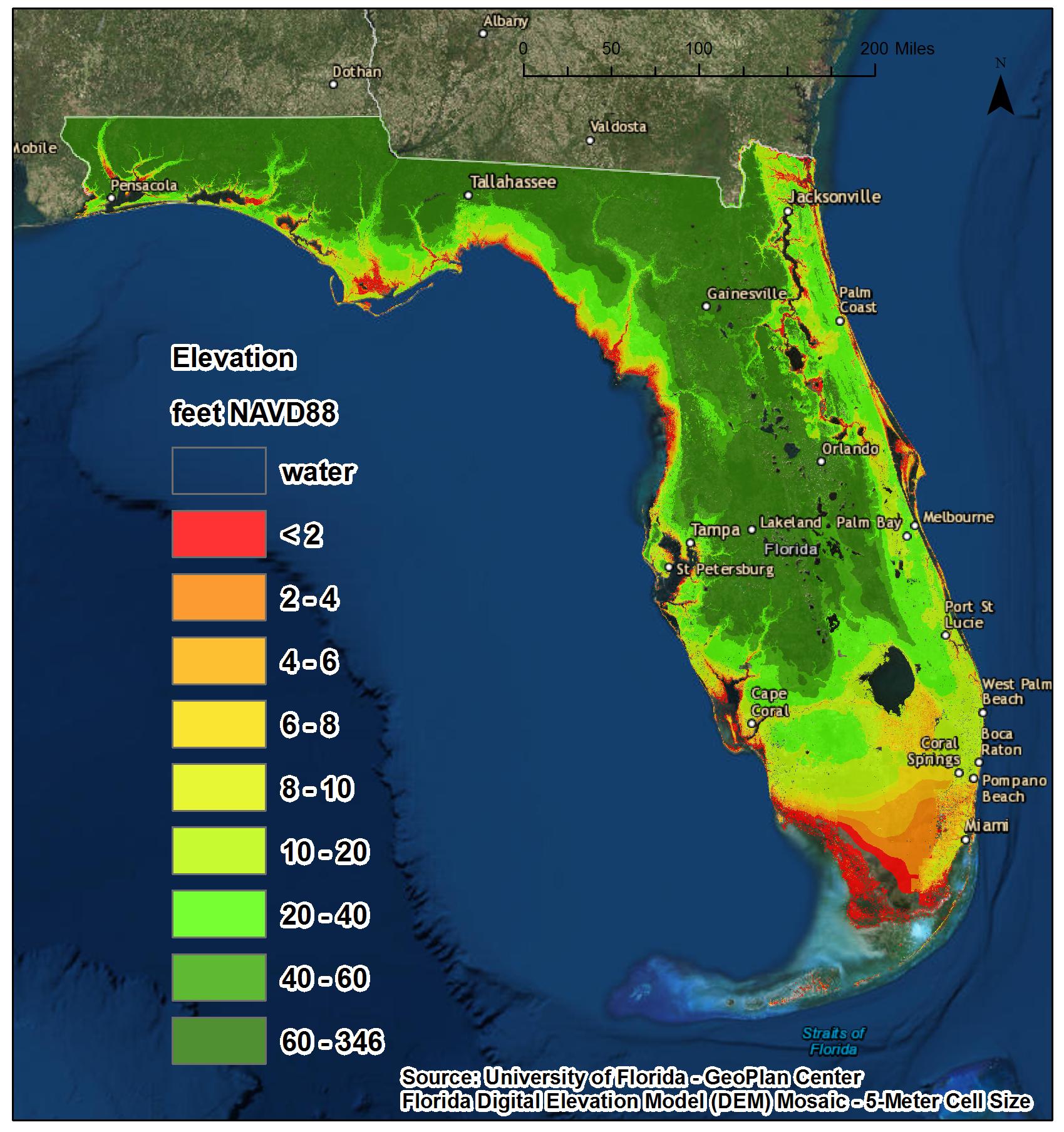
The peninsula of Florida is a geographical anomaly, a low-lying expanse of limestone and sand that juts out between the Atlantic Ocean and the Gulf of Mexico. For decades, the question of whether this state will eventually be reclaimed by the sea has shifted from the realm of speculative fiction to a core concern for geologists, historians, and urban planners. In the context of the most famous landmarks in the United States, few regions possess a more delicate relationship with water. To understand if Florida will “sink,” one must look beyond the surface level of rising tides and examine the very bedrock that supports its most iconic natural and man-made treasures.
The Geological Vulnerability of the Sunshine State
The foundation of Florida is not solid granite but a porous, honeycombed platform of limestone known as the Florida Platform. This ancient carbonate rock was formed over millions of years from the remains of marine organisms. Because limestone is highly permeable and susceptible to dissolution by slightly acidic rainwater, the state is essentially a giant sponge. This geological reality is the primary reason why traditional sea walls, which work in many parts of the world, are less effective here. The water does not just come over the walls; it rises from beneath the ground through the porous rock.
The Phenomenon of Karst Topography
The prevalence of karst topography defines much of the interior of Florida. This landscape is characterized by sinkholes, caves, and underground drainage systems. Landmarks such as Silver Springs State Park and Wakulla Springs are breathtaking windows into this subterranean world. However, as sea levels rise, the increased pressure on the groundwater system can accelerate the formation of sinkholes and cause saltwater intrusion into the freshwater aquifers. The “sinking” sensation in Florida is often a literal one, as the ground gives way to the dissolution of limestone, threatening the integrity of roads, homes, and historical sites.
Saltwater Intrusion and the Aquifer
One of the most critical landmarks in the state is one that cannot be seen: the Floridan Aquifer. This massive underground reservoir provides drinking water to millions. As the sea pushes inland, the salt water begins to contaminate these freshwater sources. In cities like Miami and Fort Lauderdale, the challenge is not just keeping the streets dry but keeping the drinking water pure. The porous nature of the limestone means that the boundary between the ocean and the freshwater is constantly shifting, a battle fought daily by water management districts and environmental engineers.
Coastal Icons and Natural Landmarks Under Pressure
The coastal landmarks of Florida are among the most recognizable in the world. From the pristine beaches of the Florida Keys to the sweeping marshes of the Everglades, these sites are on the front lines of environmental change. The question of whether Florida will sink is most visible here, where the margin between land and sea is measured in inches.
The Everglades National Park: A Shifting Wilderness
Everglades National Park is a unique “river of grass” that relies on a delicate balance of slow-moving freshwater. As sea levels rise, saltwater begins to push further into the marshes, killing off the sawgrass and the freshwater mangroves that define the ecosystem. This process, known as “peat collapse,” can cause the elevation of the land to literally drop. When the roots of the freshwater plants die, the soil loses its structure and washes away, turning what was once marshland into open water. This natural landmark is a bellwether for the rest of the state; if the Everglades cannot be preserved, the inland regions lose their most significant natural buffer against storm surges.
The Fragility of the Florida Keys
The Florida Keys are perhaps the most vulnerable chain of islands in North America. Stretching from Key Largo down to Key West, this archipelago sits only a few feet above sea level. Iconic structures like the Seven Mile Bridge demonstrate the engineering marvels required to connect these fragile outposts. For residents and visitors, the sight of “sunny day flooding”—where streets are submerged during high tides even without rain—is a stark reminder of the rising ocean. The Florida Reef, the only living coral barrier reef in the continental United States, also faces threats from warming waters and ocean acidification, which weakens the natural protection these reefs provide to the islands.

Architecture and History on the Brink
Beyond its natural beauty, Florida is home to some of the oldest European-established landmarks in the United States. These historical sites are not just tourist attractions; they are the cultural anchors of the state, and many are currently threatened by the encroaching tide.
St. Augustine and the Castillo de San Marcos
St. Augustine holds the title of the oldest continuously inhabited European-established settlement in the contiguous United States. Its most famous landmark, the Castillo de San Marcos, is a 17th-century fortress built of coquina—a rare form of limestone composed of shell fragments. While coquina is remarkably resilient to cannon fire, it is not immune to the effects of rising sea levels. The city’s historic district frequently experiences flooding, and preservationists are constantly working to protect the masonry of the fort and the foundations of the ancient colonial buildings from the corrosive effects of salt water.
The Art Deco Legacy of Miami Beach
Further south, Miami Beach serves as a global landmark for architecture and lifestyle. The Art Deco Historic District is a vibrant collection of pastel-colored buildings that represent the optimism of the early 20th century. Today, Miami Beach is at the center of the “sinking” conversation. The city has invested hundreds of millions of dollars in elevating roads and installing massive pump systems to keep the streets dry. Landmarks like the Vizcaya Museum and Gardens, an Italian Renaissance-style villa on Biscayne Bay, face regular threats from storm surges that batter its historic stone “barge” and ornate gardens.
Dry Tortugas and Fort Jefferson
Located nearly 70 miles west of Key West, Dry Tortugas National Park is home to Fort Jefferson, one of the largest 19th-century masonry structures in the world. This remote landmark is a testament to the strategic importance of the Gulf of Mexico. However, its isolation and low elevation make it particularly susceptible to the rising sea. The brick walls of the fort are being undercut by wave action, and the surrounding coral reefs are struggling. As the sea rises, the very ground this massive fort sits on could eventually disappear, leaving it as a haunting monument to a lost landscape.
Engineering the Future of the Peninsula
The question “Will Florida Sink?” often implies a passive fate, but the state’s future is being actively shaped by ambitious engineering projects designed to protect its landmarks and its people. From Jacksonville in the north to Tampa on the west coast, the focus has shifted toward “resilience”—the ability to withstand and recover from the inevitable presence of more water.
The Restoration of Lake Okeechobee and the Everglades
At the heart of Florida lies Lake Okeechobee, the “Liquid Heart” of the state. Historically, water would overflow from the lake and spill southward into the Everglades. The construction of canals and levees in the 20th century disrupted this natural flow to make room for agriculture and development in Coral Gables and other suburban areas. Today, the Comprehensive Everglades Restoration Plan is the largest hydrologic restoration project in history. By restoring the natural southward flow of water, engineers hope to recharge the aquifer and push back against the saltwater intrusion that threatens to “sink” the state’s freshwater supply.
Adapting Urban Landscapes
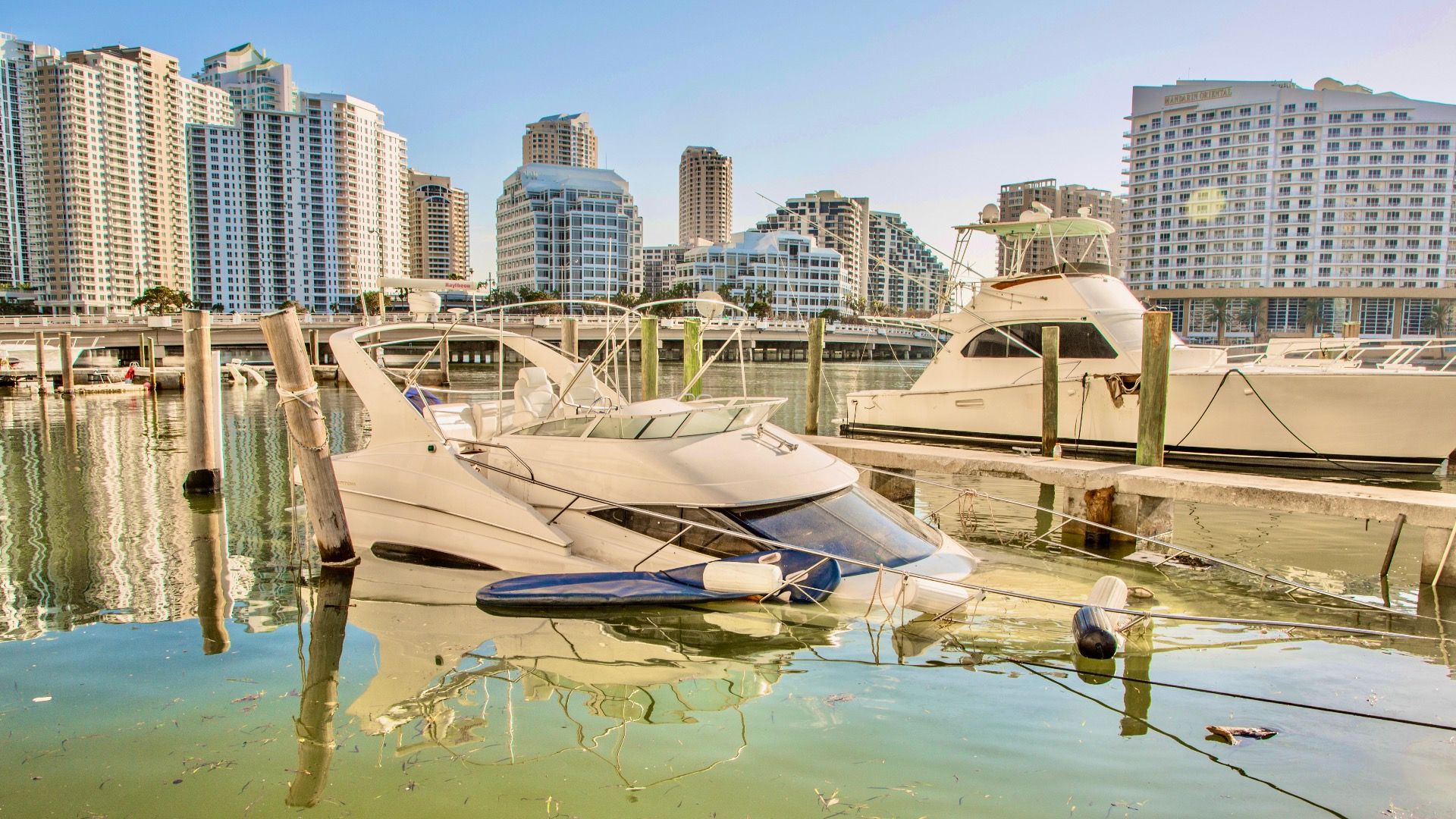
Cities like Sarasota and Miami are becoming laboratories for urban adaptation. This includes the creation of “living shorelines” that use mangroves and oyster reefs to absorb wave energy, rather than relying solely on concrete sea walls. There is a growing recognition that Florida cannot simply fight the water; it must learn to live with it. This might mean designing buildings with floodable ground floors or creating more parks that act as reservoirs during heavy rains.
The preservation of Biscayne National Park, which is 95% underwater, offers a glimpse into a future where Florida landmarks are increasingly aquatic. The park protects a combination of mangrove forests, bay waters, and emerald islands, showcasing how nature can adapt if given the space to do so. While the physical land of Florida may be vulnerable, the spirit of its landmarks—both natural and historical—continues to drive an international effort to ensure that the Sunshine State remains above the waves for centuries to come. The “sinking” of Florida is not a foregone conclusion, but a challenge that requires a deep respect for the state’s unique geology and a commitment to preserving its irreplaceable treasures.
LifeOutOfTheBox is a participant in the Amazon Services LLC Associates Program, an affiliate advertising program designed to provide a means for sites to earn advertising fees by advertising and linking to Amazon.com. Amazon, the Amazon logo, AmazonSupply, and the AmazonSupply logo are trademarks of Amazon.com, Inc. or its affiliates. As an Amazon Associate we earn affiliate commissions from qualifying purchases.