
The romantic allure of a crisp banknote, the satisfying weight of coins in your pocket – for many travelers, cash represents a tangible connection to their journey. It’s a way to feel grounded, to avoid the digital footprint of every transaction, and for some, it’s simply the most convenient and familiar method of payment. This is why the question “Will hotels take cash?” echoes through the minds of many, particularly as the world embraces a seemingly cashless future. As travelers plan their next adventure, whether it’s exploring the ancient ruins of Machu Picchu, enjoying the vibrant nightlife of Las Vegas, or seeking tranquility at a Maldives resort, understanding payment policies is a crucial part of the planning process. This article delves into the evolving landscape of hotel payments, addressing the current state of cash acceptance, the reasons behind the shift towards digital, and what travelers can expect.

The Shifting Sands of Hotel Payments
The hospitality industry, like many others, has been significantly influenced by technological advancements and evolving consumer preferences. Once a standard practice, paying for your hotel stay with physical currency is becoming increasingly rare. Several key factors are driving this transition:
The Rise of the Digital Economy
In an era dominated by online bookings, mobile check-ins, and digital loyalty programs, cash can feel like an anachronism. The convenience of a credit card or a digital wallet for booking a room at the Burj Al Arab or securing a last-minute suite at a boutique hotel in Paris cannot be overstated. For hotels, streamlining payment processes means faster check-ins and check-outs, reduced handling of physical money, and a lower risk of theft or errors.
Security and Efficiency Concerns
Handling large amounts of cash presents inherent security risks for both the hotel and the guest. Hotels need robust systems for cash management, including secure storage, regular counting, and bank deposits. This requires dedicated staff time and resources. For guests, carrying significant sums of cash while traveling can be a security concern, especially in unfamiliar destinations like Rio de Janeiro or Bangkok. The move away from cash simplifies security protocols and reduces the potential for loss or fraud.
The Pandemic’s Accelerating Effect
The COVID-19 pandemic undeniably accelerated the trend towards contactless payments. Concerns about hygiene and the physical exchange of currency led many establishments, including hotels, to encourage or even mandate non-cash payment methods. This shift was not just about hygiene; it was also about minimizing human contact points, a crucial measure during widespread health crises. Hotels saw it as a way to protect both their staff and their guests, and this contactless approach has largely persisted, even as the immediate health concerns have receded.
The Role of Credit Cards and Digital Wallets
Credit cards and debit cards have become the default payment method for a vast majority of hotel bookings. They offer a secure and convenient way to pay for rooms, incidentals, and services. Furthermore, the rise of digital wallets, such as Apple Pay and Google Pay, offers an even more streamlined and often more secure payment experience, particularly for on-the-go transactions. Travelers can easily tap their phones or smartwatches to pay for a coffee at a Marriott or settle their bill at the end of their stay.
Navigating the Cashless Landscape: What Travelers Can Expect
While the trend is undeniably towards cashless operations, it doesn’t mean cash is entirely obsolete in the hotel world. However, travelers who prefer to use cash will need to be more proactive and informed.
The Declining Acceptance of Cash for Room Bookings and Deposits
It is becoming increasingly difficult to book a hotel room or pay a deposit solely with cash, especially at larger chain hotels or those in major tourist hubs like New York City or London. Most online booking platforms and hotel websites will require a credit card to guarantee a reservation. This is because hotels use card details to pre-authorize the room rate and to cover any potential incidentals or damages. Even if you intend to pay the final bill in cash, the initial booking often requires a card.
Incidentals and Security Deposits: The Biggest Hurdle
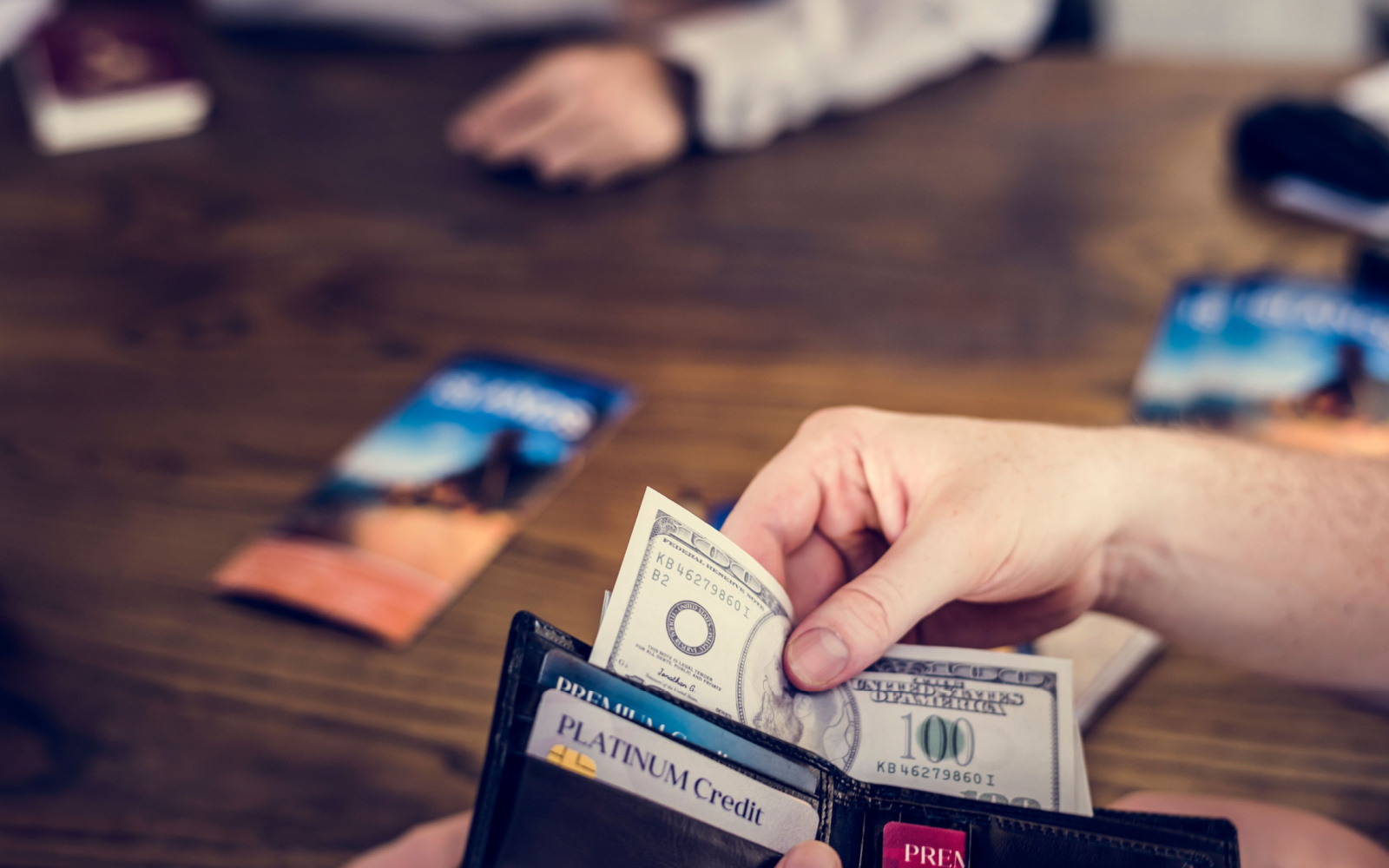
The most common point of contention for cash-paying guests arises with security deposits or incidental holds. Hotels often place a temporary hold on a guest’s credit card to cover potential charges like minibar consumption, room service, or damage to the room. When you’re paying with cash, this becomes a logistical challenge. Some hotels may request a significantly larger cash deposit to cover these potential expenses, which can be a substantial amount to carry. Others may simply refuse to accept cash for this purpose altogether, preferring a pre-authorization on a card for ease of management and immediate resolution of charges.
The Persistence of Cash in Specific Niches
Despite the overarching trend, there are still segments of the hospitality industry where cash may still be accepted, albeit with caveats.
-
Independent and Boutique Hotels: Smaller, independently owned hotels, particularly those with a strong local character or a focus on a more traditional guest experience, might be more amenable to accepting cash. These establishments might have more flexible policies and a more personalized approach to guest services. A charming bed and breakfast in the English countryside or a family-run guesthouse in a smaller town might still welcome your cash.
-
Budget Accommodations and Hostels: Some hostels and budget hotels, especially in regions where cash is still a dominant form of currency, may continue to accept cash for room bookings and basic amenities. However, even these are increasingly adopting card payment systems to cater to a wider international clientele.
-
Local and Smaller Tourist Destinations: In less developed tourist areas or smaller towns where digital infrastructure might be less prevalent, cash remains a more common payment method. If you’re venturing off the beaten path to explore a remote village in Southeast Asia or a charming locale in the Italian Alps, you might find cash to be a more accepted form of payment.
-
Cash Payments for On-Site Services: While the initial booking and deposit might require a card, some hotels may still allow guests to pay for on-site services like meals in the restaurant, spa treatments, or souvenirs with cash at the point of sale. This is often handled by individual departments rather than the front desk.
Strategies for the Cash-Savvy Traveler
For travelers who prefer or need to pay with cash, a little preparation and understanding can go a long way in ensuring a smooth hotel experience.
Researching Payment Policies in Advance
The most crucial step is to research the hotel’s payment policy before booking. Most hotel websites will have a dedicated section on payment methods, or you can find this information in the FAQ. If the information isn’t readily available online, don’t hesitate to call the hotel directly. Speaking with the front desk staff will give you the clearest picture of their current policies regarding cash payments for reservations, deposits, and incidentals. This is especially important if you’re planning a stay at a unique property like a historic inn or a remote eco-lodge.
Considering Alternative Payment Methods for Booking
If your chosen hotel is strictly cashless for bookings and deposits, you might need to consider alternative payment strategies. This could involve using a credit card solely for the booking and deposit, with the intention of settling the final bill in cash upon departure, if the hotel permits this. Always confirm this possibility with the hotel beforehand. For those who wish to minimize their digital trail entirely, exploring options like prepaid debit cards that can be loaded with cash might be a viable, though less common, solution.
Carrying Sufficient Cash and Being Aware of Local Norms
If you anticipate needing to pay with cash, ensure you carry enough for your entire stay, including a buffer for incidentals. Be aware of the local currency and exchange rates, especially when traveling internationally. In some countries, large denominations of cash might be less readily accepted for smaller transactions. Understanding the typical payment methods in the destination you are visiting, whether it’s a bustling city like Tokyo or a tranquil island in the Caribbean, can also be beneficial.

Being Prepared for Higher Cash Deposits
As mentioned earlier, hotels that do accept cash for incidentals might require a higher cash deposit than a typical credit card hold. This is to mitigate the risk associated with holding physical money. Be prepared for this possibility and ensure you have access to sufficient funds. This could mean planning for ATM withdrawals in advance or carrying traveler’s checks, although the latter are increasingly uncommon.
In conclusion, the question of whether hotels will take cash is evolving. While the trend is overwhelmingly towards cashless transactions due to efficiency, security, and the demands of the digital age, cash is not entirely extinct. Travelers who prioritize cash payments will find it increasingly necessary to conduct thorough research, communicate directly with hotels, and be prepared for potential adjustments in their payment strategies. As the world of travel continues to embrace innovation, understanding these payment shifts is key to a seamless and enjoyable experience, whether you’re booking a luxury suite in Dubai or a budget-friendly stay near the Great Wall of China.
LifeOutOfTheBox is a participant in the Amazon Services LLC Associates Program, an affiliate advertising program designed to provide a means for sites to earn advertising fees by advertising and linking to Amazon.com. Amazon, the Amazon logo, AmazonSupply, and the AmazonSupply logo are trademarks of Amazon.com, Inc. or its affiliates. As an Amazon Associate we earn affiliate commissions from qualifying purchases.