
The question of whether housing prices in California will drop in 2025 is a complex one, deeply intertwined with global economic trends, local market dynamics, and the unique lifestyle appeal of the Golden State. For anyone considering a move, an investment, or even a long-term stay in California, understanding these underlying forces is crucial. From the bustling urban centers like Los Angeles and San Francisco to the serene wine regions of Napa Valley or the sun-drenched deserts of Palm Springs, the property market here has always been a subject of intense speculation and enduring fascination. This article delves into the various facets influencing California’s housing market, offering insights for prospective homeowners, investors, and travelers alike, as we look ahead to 2025.

Understanding California’s Dynamic Real Estate Market
California’s real estate market is unlike any other in the United States. It’s a confluence of innovation, culture, natural beauty, and economic power, all of which contribute to its consistently high demand and often soaring property values. For decades, the dream of living in California has attracted people from across the globe, driving up competition for limited housing stock.
The Allure of the Golden State: Beyond Tourism
While California is renowned for its iconic landmarks like the Golden Gate Bridge, world-class attractions such as Disneyland, and breathtaking natural wonders from Yosemite National Park to the beaches of Big Sur, its appeal extends far beyond tourism. The state is a global hub for technology, entertainment, and innovation, boasting thriving industries in Silicon Valley, Hollywood, and beyond. These sectors attract high-earning professionals, creating a robust job market that underpins strong housing demand, particularly in desirable areas like the Bay Area and Orange County. The lifestyle offered — diverse cultures, exquisite cuisine, outdoor activities, and a generally pleasant climate — reinforces its magnetic pull for those seeking a vibrant and fulfilling existence. This continuous influx of residents, combined with limited developable land, creates a unique market dynamic where supply struggles to keep pace with an ever-present demand.
Recent Trends and Market Influencers
The past few years have been a rollercoaster for the California housing market. Following a pandemic-induced surge in demand, fueled by low interest rates and a desire for more space, prices reached unprecedented highs. However, the aggressive interest rate hikes by the Federal Reserve in response to inflation have begun to cool the market. Higher borrowing costs have priced some buyers out, leading to a moderation in sales volume and, in some areas, slight price corrections. Inventory remains historically low, though, preventing any widespread collapse. We’ve seen bidding wars become less common, and homes linger on the market a little longer, but outright price drops have been sporadic and localized rather than systemic across the entire state. Understanding these recent shifts is vital for projecting where the market might head in 2025.
Key Factors Shaping 2025 Housing Predictions
Predicting the future of real estate is challenging, but several key economic and social indicators provide strong clues about what 2025 might hold for California’s housing prices.
Interest Rates and Economic Stability
Interest rates are arguably the most significant factor influencing housing affordability and, consequently, prices. If the Federal Reserve continues to keep rates elevated or even raises them further in 2024, it will likely exert downward pressure on prices in 2025 as buyer demand wanes due to increased mortgage costs. Conversely, if inflation cools significantly, allowing the Fed to cut rates, it could rekindle buyer interest and stabilize or even push prices upward again. The broader economic picture — whether the United States experiences a recession, a soft landing, or continued growth — will also play a pivotal role. A strong economy typically means job growth and higher wages, supporting housing demand, while a recession could lead to job losses and reduced buyer confidence, potentially triggering price declines. For those considering an investment property or a permanent residence, monitoring these macroeconomic indicators will be crucial.
Supply and Demand: A California Conundrum
The fundamental principles of supply and demand are amplified in California. The state faces a chronic housing shortage, with construction consistently lagging behind population growth and household formation. Building new homes is challenging due to stringent environmental regulations, high construction costs, and community resistance. This structural undersupply has historically served as a floor for prices, making significant, sustained drops less likely compared to other markets. Even with a temporary dip in demand due to high interest rates, the underlying scarcity of homes, particularly in prime locations, means that any decrease in prices might be quickly absorbed once market conditions improve. In 2025, if supply remains constrained, it will continue to support current price levels, even if demand fluctuates.
Population Shifts and Lifestyle Choices
California has seen some outward migration in recent years, often cited as a reason for potential price drops. However, this narrative is more nuanced. While some residents have left for more affordable states, California continues to attract a significant number of new residents, particularly those drawn to its innovation economy and diverse lifestyle offerings. The rise of remote work has also reshaped where people choose to live. While some have moved to more affordable inland areas or out of state, many others have embraced the flexibility to live in highly desirable but previously commute-prohibitive coastal communities or scenic locales like Lake Tahoe. These lifestyle choices, increasingly driven by a desire for quality of life rather than proximity to a physical office, can create new pockets of demand and influence pricing trends in unexpected ways in 2025.
The Interplay of Tourism, Lifestyle, and Property Values
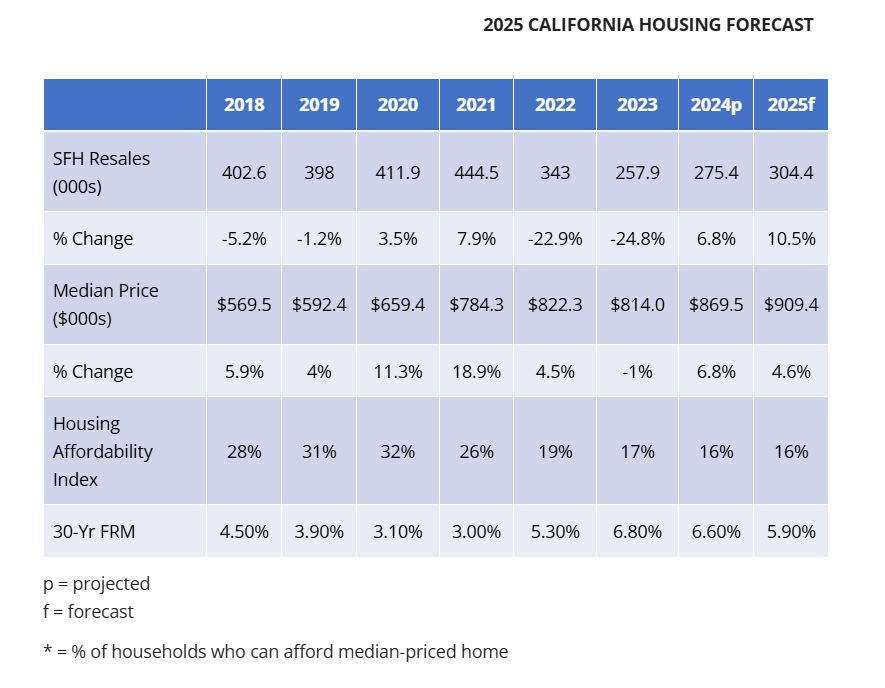
The identity of California as a premier travel and lifestyle destination is inextricably linked to its real estate market, particularly concerning investment properties and the demand for a certain way of life.
Short-Term Rentals and Investment Properties
California’s vibrant tourism sector significantly impacts its housing market through the proliferation of short-term rental properties. Cities like San Diego, Santa Monica, and Palm Springs are popular destinations for tourists seeking unique accommodations beyond traditional hotels. Platforms like Airbnb and VRBO have enabled homeowners to monetize their properties, often yielding higher returns than long-term leases. This trend, while beneficial for property owners and travelers seeking diverse options, can reduce the housing supply available for permanent residents, thereby pushing up prices. However, regulatory changes concerning short-term rentals, which many cities are implementing to address housing shortages, could release some inventory back into the long-term rental or for-sale market, potentially tempering price growth in specific tourist-heavy locales by 2025.
The Impact of Remote Work and Digital Nomads
The seismic shift towards remote work has had a lasting impact on California’s property landscape. No longer tethered to a physical office in San Francisco or Silicon Valley, many professionals have sought homes that offer a better quality of life, more space, or closer proximity to nature. This has boosted demand in areas previously considered secondary markets, such as mountain communities or less densely populated coastal towns. The rise of the “digital nomad” lifestyle, where individuals combine work with travel, also means that flexible accommodation and properties suitable for extended stays are in higher demand. This demographic often seeks properties with good internet connectivity, appealing surroundings, and access to local culture and amenities – factors that reinforce the value of homes in attractive California locations, making a widespread price drop less likely even if traditional urban core demand shifts slightly.
Desirable Destinations: From San Francisco to San Diego
The diverse appeal of California means that different regions will experience varied market conditions.
- San Francisco and the Bay Area: Historically among the most expensive markets, these areas are heavily influenced by the tech industry. A slowdown in tech layoffs or renewed venture capital investment could stabilize prices, while a prolonged downturn might see moderate corrections.
- Los Angeles and Orange County: These regions benefit from a diverse economy, including entertainment, trade, and tourism. Demand here is consistently strong, especially for luxury properties and homes close to popular attractions or the coast.
- San Diego: Known for its beautiful beaches, thriving biotech sector, and laid-back lifestyle, San Diego remains a highly desirable market. Its appeal to military personnel and retirees also adds stability.
- Inland Empire and Central Valley: These more affordable regions might see continued growth as buyers seek value, but they are also more susceptible to economic downturns if local job markets are less robust.
- Resort Areas (e.g., Palm Springs, Napa Valley, Lake Tahoe): These markets are often driven by second-home buyers and investors looking for vacation rentals. Their prices can be more volatile, influenced by discretionary income and interest rates impacting luxury spending.
In 2025, localized trends will likely be more pronounced than a uniform statewide movement. Some areas might experience slight price adjustments, while others could see continued appreciation, especially those that offer a blend of lifestyle amenities and economic opportunities.
Navigating the Future: What Prospective Buyers and Travelers Should Know
For individuals looking to buy property, invest, or even secure long-term accommodation in California by 2025, a proactive and informed approach is essential. The market’s future hinges on a delicate balance of economic indicators and lifestyle preferences.
Preparing for Market Fluctuations
While a dramatic housing price crash in California by 2025 appears unlikely given the persistent supply shortage and enduring demand, some level of market fluctuation is certainly possible. Prospective buyers should prepare for interest rates that may remain elevated, meaning a larger portion of their monthly payment will go towards interest rather than principal. Having pre-approval for a mortgage and understanding one’s budget thoroughly is more important than ever. For those with flexibility, waiting to see if interest rates soften could offer better affordability, but timing the market perfectly is notoriously difficult. Investors should focus on properties with strong rental potential, especially in areas popular with tourists or remote workers, to ensure a steady income stream even if appreciation slows. Diversifying across different property types or locations can also mitigate risk.
Long-Term Value vs. Short-Term Gains
The California real estate market has historically proven its resilience and long-term appreciation. While short-term gains might be less pronounced in a cooling market, the fundamental value proposition of owning property in a desirable California location remains strong. Factors such as unparalleled lifestyle, robust economy, and limited land will continue to support property values over the long haul. For those buying a primary residence, focusing on properties that meet their family’s needs and lifestyle goals, rather than solely on immediate market timing, often leads to greater satisfaction. For investors, considering properties that can serve as both long-term rentals and short-term vacation stays offers flexibility and potential for consistent returns, adapting to the dynamic needs of both residents and visitors to the Golden State.

Conclusion: A Balanced Outlook for California’s Property Market
So, will housing prices drop in 2025 in California? The most likely scenario is not a drastic fall, but rather a continued recalibration and stabilization. While some highly specific sub-markets might experience modest price corrections, particularly if interest rates remain high or local economic conditions falter, a widespread and significant drop across the entire state is improbable. The underlying factors of chronic housing undersupply, strong job markets in key industries, and the undeniable allure of the California lifestyle are powerful counterbalances.
For those dreaming of calling California home or investing in its vibrant economy, 2025 may offer a more balanced market than the frenzied pace of recent years. Buyers might find slightly less competition and more negotiation room, while sellers will still benefit from strong inherent demand. Ultimately, California’s property market, much like its diverse landscapes and thriving communities, will continue to be a dynamic and sought-after arena, constantly evolving yet retaining its unique appeal for travelers, investors, and residents alike.