
The whispers of hurricane season often bring a unique blend of anxiety and vigilance to the minds of travelers and residents alike, particularly in regions renowned for their coastal beauty and vibrant tourism. As the Atlantic hurricane season progresses, names of nascent systems emerge, each carrying the potential to reshape travel plans and impact destinations. The question, “Will Hurricane Kirk hit Florida?” is more than a meteorological inquiry; it’s a critical consideration for anyone planning a trip to the Sunshine State, demanding informed decision-making and a proactive approach to travel planning.
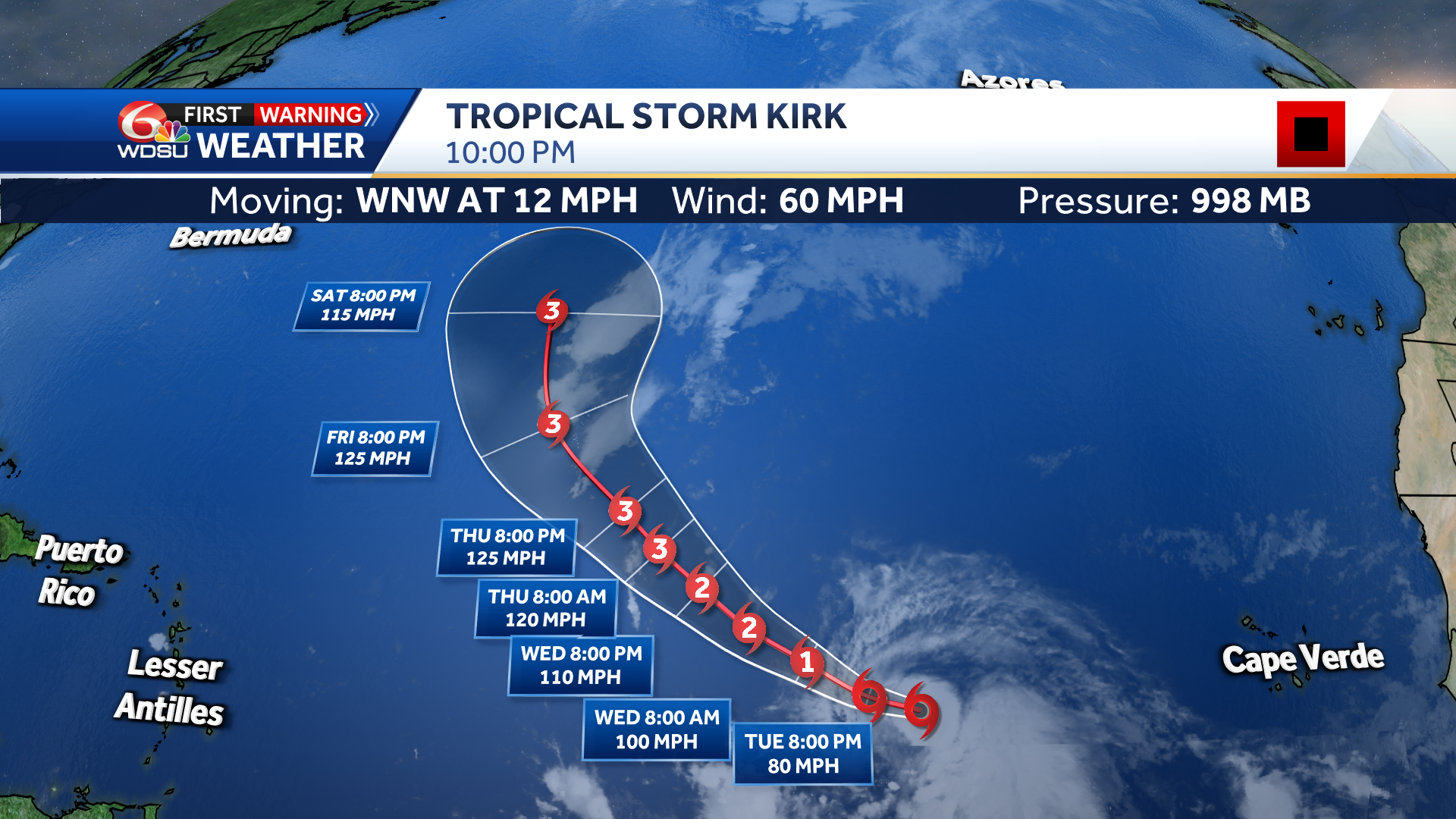
Florida, a perennial favorite for domestic and international travelers, offers an unparalleled array of experiences, from its world-famous theme parks and pristine beaches to its rich cultural tapestry and diverse ecosystems. However, its geographical location also places it directly in the path of tropical systems. Understanding the dynamics of hurricane threats, their potential impact on travel infrastructure and experiences, and the best practices for preparation is paramount for ensuring a safe and enjoyable journey. This article delves into these crucial aspects, providing insights for travelers navigating the uncertainties posed by potential hurricane activity.
Understanding Hurricane Season in Florida
For travelers, a fundamental understanding of Florida’s hurricane season is the first step in mitigating risks and planning effectively. The season officially runs from June 1st to November 30th, with peak activity typically observed from mid-August through October. During this window, the warm waters of the Atlantic Ocean, Caribbean Sea, and Gulf of Mexico provide the perfect conditions for tropical disturbances to develop and strengthen.
Florida’s Vulnerability and Preparedness
Florida’s extensive coastline and low elevation make it particularly susceptible to the direct impacts of hurricanes, including high winds, torrential rainfall, storm surge, and inland flooding. Cities like Miami, Tampa, Orlando, and the various coastal communities across the state have historically faced the brunt of these powerful storms.
Despite its vulnerability, Florida is widely recognized for its robust preparedness and emergency response infrastructure. The state invests heavily in hurricane hardening measures, sophisticated forecasting tools, and comprehensive public education campaigns. The Florida Division of Emergency Management works tirelessly with local agencies to develop and refine evacuation plans, establish shelters, and coordinate relief efforts. For travelers, this means that while the threat is real, there are well-established systems in place to protect lives and facilitate recovery. However, relying solely on official responses is not enough; individual preparedness and awareness are equally vital.
Key Forecast Terminology for Travelers
Navigating weather forecasts during hurricane season requires an understanding of specific terminology. These terms are not mere jargon; they convey critical information about the nature and immediacy of a threat:
- Tropical Depression: An organized system of clouds and thunderstorms with a defined surface circulation and maximum sustained winds of 38 mph (61 km/h) or less. At this stage, it’s monitored but typically doesn’t pose an immediate severe threat.
- Tropical Storm: An organized system of strong thunderstorms with a defined surface circulation and maximum sustained winds between 39 mph (63 km/h) and 73 mph (118 km/h). Tropical storms are given names (like Kirk) and can cause significant disruption, prompting watches or warnings.
- Hurricane Watch: Issued when hurricane conditions (sustained winds of 74 mph or higher) are possible within the specified area, usually within 48 hours. This is a crucial alert for travelers to finalize their preparation plans or consider altering their itinerary.
- Hurricane Warning: Issued when hurricane conditions are expected within the specified area, usually within 36 hours. This signifies that preparations to protect life and property should be rushed to completion, and evacuation orders may be issued. Travel into or out of the affected area becomes highly inadvisable, if not impossible.
- Cone of Uncertainty: This graphically depicted forecast area represents the probable track of the center of a tropical cyclone. It’s important to remember that the storm’s impacts (rain, wind, storm surge) can extend far outside this cone, and the exact path can shift. Travelers should not focus solely on whether their specific location is in the cone but rather on the broader region of potential impact.
Understanding these terms allows travelers to interpret official advisories more accurately and make timely decisions regarding their travel plans.
The Potential Impact of Hurricane Kirk on Florida Travel
If Hurricane Kirk were to pose a direct threat to Florida, the ripple effects on travel would be immediate and far-reaching. From air travel to ground transportation and cruise operations, virtually every facet of a planned trip could be impacted.
Air Travel Disruptions and Airport Operations
Airports in Florida are major hubs for both domestic and international travel. A significant hurricane threat can lead to:
- Airport Closures: Major airports such as Orlando International Airport, Miami International Airport, Tampa International Airport, and Fort Lauderdale-Hollywood International Airport may suspend operations for safety reasons, often several hours before the storm’s expected arrival.
- Flight Cancellations and Delays: Airlines will cancel flights to and from affected areas, sometimes days in advance, to reposition aircraft and ensure passenger safety. Even airports not directly hit may experience delays due to re-routing, crew availability, or ripple effects from closed hubs.
- Airline Waivers: Most airlines issue travel waivers when a named storm threatens, allowing passengers to rebook flights without penalty or receive refunds. Travelers should actively monitor their airline’s website for specific advisories related to Hurricane Kirk or any other named storm.
Travelers with flights booked during a potential hurricane threat should check their flight status frequently and consider proactive changes, especially if a Hurricane Watch or Warning is issued.
Ground Transportation and Evacuation Routes
While air travel is often the first to be affected, ground transportation also faces significant challenges:
- Highway Congestion: If evacuation orders are issued, major interstates like I-95 (running north-south along the East Coast), I-75 (traversing the state), and the Florida Turnpike can experience extreme congestion as residents and visitors try to move inland.
- Road Closures: Flooding, downed trees, and power lines can render many roads impassable during and immediately after a storm. Bridges and causeways leading to barrier islands are often among the first to close.
- Public Transport Disruptions: Local buses, commuter trains, and ride-sharing services may cease operations, further limiting mobility.
Travelers should avoid driving into areas under a hurricane warning and follow all official evacuation orders. It’s prudent to have a full tank of gas and an alternative route plan if travel by car is unavoidable before the storm’s arrival.
Cruise Line Operations and Port Closures
Florida is the cruise capital of the world, with major ports like PortMiami, Port Canaveral, and Port Everglades serving millions of passengers annually. A hurricane threat can severely impact cruise itineraries:

- Delayed Departures or Cancellations: Cruise lines prioritize safety, and a threatening storm will often lead to the delay or cancellation of sailings from affected ports.
- Diverted Routes: Ships already at sea may alter their itineraries to avoid the storm’s path, potentially changing ports of call or extending/shortening voyages.
- Embarkation/Disembarkation Challenges: Even if a cruise departs, passengers may face difficulties reaching the port or finding onward transportation after returning if the storm has affected local infrastructure.
Travelers booked on a cruise should stay in close contact with their cruise line for real-time updates and understand their policy regarding hurricane-related disruptions.
Travel Planning and Preparation in the Face of a Hurricane Threat
Proactive planning is the most effective tool a traveler has when facing a potential hurricane threat. Rather than reacting to rapidly unfolding events, being prepared allows for calm, informed decisions.
Monitoring Official Sources and Weather Updates
The most critical aspect of hurricane preparedness for travelers is access to accurate, timely information.
- National Hurricane Center (NHC): The National Hurricane Center (NHC) is the primary authority for hurricane forecasts and advisories in the United States. Their website and public advisories are indispensable resources.
- Local Emergency Management Agencies: State and county emergency management websites provide localized information, including evacuation orders, shelter locations, and road closures. The Florida Division of Emergency Management website is a crucial starting point.
- Trusted News Outlets: Reputable local and national news channels provide continuous updates and expert analysis.
Avoid relying on social media rumors or unverified sources, which can spread misinformation during chaotic times. Set up weather alerts on your phone for the area you are visiting.
Reviewing Travel Insurance and Booking Policies
Before you even depart, it’s wise to:
- Understand Travel Insurance: If you have travel insurance, carefully review your policy’s terms regarding trip cancellation, interruption, and delay due to weather events. Some policies may not cover events if the storm was “named” or foreseeable before you purchased the policy or booked your trip. Look for “named storm” clauses and understand waiting periods.
- Check Airline and Hotel Policies: Familiarize yourself with the cancellation and rebooking policies of your airline, hotel, car rental company, and any tour operators. Many offer flexibility during hurricane threats, but knowing the specifics in advance can save time and stress. Document important booking numbers and contact information.
If you don’t have travel insurance, consider purchasing it, especially during hurricane season. However, ensure it covers hurricane-related cancellations or interruptions, and be aware that once a storm is named, it might be too late to purchase a policy that covers that specific event.
Essential Hurricane Preparedness for Travelers
For those already in Florida or still planning to travel during a threat:
- Create a “Go-Bag”: Prepare a small bag with essentials: copies of important documents (ID, passport, insurance policies, booking confirmations), necessary medications, a first-aid kit, battery-powered phone chargers, a flashlight, cash, and a change of clothes.
- Communication Plan: Establish a communication plan with family and friends who are not traveling with you. Let them know your itinerary and how you’ll contact them if services are disrupted.
- Cash on Hand: ATMs and credit card systems may be inoperable during power outages. Having small denominations of cash is essential for essential purchases.
- Know Your Accommodation’s Plan: Inquire about your hotel or resort’s hurricane plan. Do they have generators? Are there designated safe areas? What are their evacuation procedures?
These proactive steps can significantly reduce stress and enhance safety should a hurricane threat materialize.
Post-Hurricane Travel Considerations
Even after a hurricane passes, the impacts on travel can linger. Travelers must exercise patience and understanding as destinations recover.
Assessing Destination Readiness and Recovery
- Infrastructure Damage: Power outages can last for days or weeks. Roads may still be flooded or blocked. Water systems might be compromised, leading to boil water advisories.
- Service Availability: Restaurants, shops, and attractions may remain closed for cleanup, repairs, or due to a lack of power or staff. Supply chains can be disrupted, affecting fuel and grocery availability.
- Beach and Attraction Closures: Beaches might be closed for cleanup of debris or to repair erosion. Theme parks and other attractions might take time to assess damage and resume operations.
It is crucial to verify the operational status of your intended destinations and services before attempting to travel. Official tourism boards and local government websites are good sources for post-storm updates.
Supporting Local Communities Through Responsible Travel
If your travel plans are impacted by a hurricane:
- Postpone, Don’t Cancel (If Possible): If your trip must be delayed, consider postponing rather than canceling entirely. This helps local businesses retain future bookings and revenue.
- Support Local Businesses: Once it is safe to travel to the area and services have resumed, support local restaurants, shops, and tour operators. Your tourist dollars can be vital to their recovery.
- Be Patient and Flexible: Understand that recovery is a process. Services may be slower, and some amenities might not be fully operational. A flexible attitude goes a long way.
- Consider Volunteer Opportunities: For those with the time and resources, consider connecting with reputable relief organizations to offer assistance once the immediate danger has passed.
The question of whether Hurricane Kirk will hit Florida underscores the inherent uncertainties of travel during hurricane season. While no one can predict the future with absolute certainty, being prepared is the best defense. By staying informed through official channels, understanding key weather terminology, securing appropriate travel insurance, and having a comprehensive preparedness plan, travelers can navigate potential threats with confidence and make choices that prioritize their safety and well-being. Florida’s beauty and hospitality await, and with careful planning, travelers can enjoy their experience responsibly, even in the shadow of a potential storm.
LifeOutOfTheBox is a participant in the Amazon Services LLC Associates Program, an affiliate advertising program designed to provide a means for sites to earn advertising fees by advertising and linking to Amazon.com. Amazon, the Amazon logo, AmazonSupply, and the AmazonSupply logo are trademarks of Amazon.com, Inc. or its affiliates. As an Amazon Associate we earn affiliate commissions from qualifying purchases.