
Florida, the Sunshine State, is synonymous with vibrant blooms and lush landscapes. But when it comes to the iconic, voluminous blossoms of hydrangeas, a common question arises: can these popular shrubs truly thrive in the humid, subtropical climate of Florida? The answer, like the changing colors of a hydrangea bloom, is nuanced, depending heavily on the specific variety chosen and the care provided. For those dreaming of cascading floral displays in their Florida gardens, understanding the unique challenges and embracing the right strategies is key to success.
Hydrangeas, with their large, showy flower heads, are a beloved addition to many gardens worldwide. They are typically divided into several main types, each with distinct growth habits and bloom cycles. However, not all hydrangeas are created equal, especially when transplanted to a region as distinct as Florida. The state’s intense heat, high humidity, sandy soils, and occasionally harsh weather patterns can be challenging for many traditional hydrangea varieties that prefer cooler, more temperate climates.

Understanding Hydrangea Varieties for the Florida Climate
The success of growing hydrangeas in Florida hinges significantly on selecting the right species. Some varieties are more heat-tolerant and adaptable to Florida’s unique environmental conditions than others. Understanding these differences is the first crucial step for any aspiring hydrangea enthusiast in the Sunshine State.
Bigleaf Hydrangeas (Hydrangea macrophylla)
The most popular and recognizable type, Bigleaf Hydrangeas ( Hydrangea macrophylla ), are known for their large, mophead or lacecap blooms and their ability to change color based on soil pH. In acidic soil, they turn blue, while in alkaline soil, they produce pink flowers. White varieties remain white regardless of pH. While beautiful, these are often the most challenging varieties to grow successfully in much of Florida. Their preference for cooler climates means they can struggle with the intense summer heat and humidity, often leading to wilting and reduced flowering.
However, there are newer cultivars of Bigleaf Hydrangeas that have been bred for improved heat tolerance and disease resistance, making them a more viable option for Florida gardeners. Look for varieties specifically recommended for the Southern United States, such as ‘Endless Summer’, ‘Twist-n-Shout’, and ‘Nikko Blue’, though even these may require careful siting and consistent watering. These cultivars often bloom on both old and new wood, offering a more consistent floral display throughout the season.
Panicle Hydrangeas (Hydrangea paniculata)
In stark contrast to their bigleaf cousins, Panicle Hydrangeas ( Hydrangea paniculata ) are generally much more tolerant of heat and drought once established. Native to Japan and China, these hydrangeas are a far more reliable choice for Florida. Their blooms are cone-shaped and typically emerge white, gradually turning shades of pink, red, or burgundy as they mature. Unlike Bigleaf Hydrangeas, their flower color is not dependent on soil pH.
Popular cultivars like ‘Limelight’, ‘Little Lime’, ‘Phantom’, and ‘Pinky Winky’ are known for their vigorous growth and abundant blooms. They are also more forgiving of less-than-ideal soil conditions and are less prone to wilting in the heat. Panicle Hydrangeas bloom on new wood, meaning they will flower every year, even if the old wood is damaged by frost or pruned. This makes them a much more predictable and rewarding choice for Florida gardeners.
Smooth Hydrangeas (Hydrangea arborescens)
Smooth Hydrangeas ( Hydrangea arborescens ), a native species to eastern North America, also demonstrate good heat tolerance and are a strong contender for Florida gardens. The most famous cultivar is ‘Annabelle’, known for its large, white, globe-shaped blooms. Newer varieties, such as ‘Incrediball’ and ‘Invincibelle Spirit’ (a pink variety), offer even more robust growth and larger flower heads.
These hydrangeas bloom on new wood, ensuring a reliable floral display each year. They are generally adaptable to a range of soil conditions and can tolerate more sun than Bigleaf Hydrangeas, although they will perform best with some afternoon shade in the hottest parts of Florida. Their sturdy stems prevent the flopping that can sometimes plague other varieties.
Oakleaf Hydrangeas (Hydrangea quercifolia)
Another native to the southeastern United States, Oakleaf Hydrangeas ( Hydrangea quercifolia ) are exceptionally well-suited to the Florida climate. They are named for their distinctive, lobed leaves, which resemble those of oak trees and turn attractive shades of bronze, red, and purple in the fall, offering multi-season interest.
Their blooms are typically conical, starting white and aging to pink or russet. Oakleaf Hydrangeas are quite drought-tolerant once established and can handle a good amount of sun, though they thrive with some protection from the most intense afternoon rays. They are also less susceptible to common hydrangea pests and diseases. Varieties like ‘Alice’, ‘Snowflake’, and ‘Ruby Slippers’ are excellent choices for Florida landscapes, providing beauty beyond just their flowers.
Cultivating Hydrangeas: Essential Care for Florida Gardens
Beyond selecting the right variety, successful hydrangea cultivation in Florida requires specific care practices tailored to the state’s unique environmental conditions. Proper planting, watering, soil management, and protection from the elements are crucial for encouraging these plants to flourish.
Planting and Location: Finding the Perfect Spot
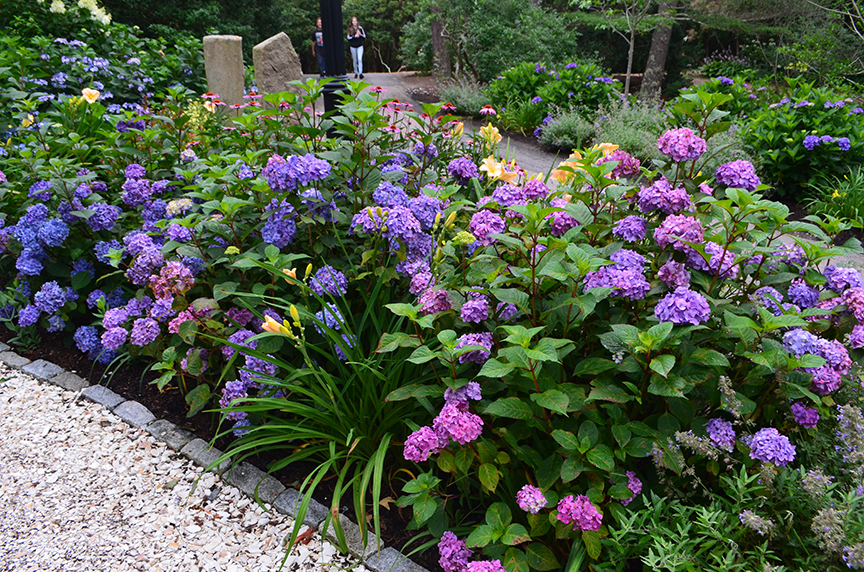
The adage “right plant, right place” is paramount for hydrangeas in Florida. Most hydrangeas, even the more heat-tolerant varieties, benefit from protection from the harshest midday sun. A location that receives morning sun and dappled or afternoon shade is ideal. Avoid planting them in areas that are constantly exposed to direct, intense sunlight, especially during the peak summer months, as this can lead to scorching and wilting.
When planting, dig a hole twice as wide as the root ball and just as deep. Amend the native Florida soil with compost or other organic matter to improve drainage and fertility. Sandy soils, common in many parts of the state, can be improved by adding organic material, which helps retain moisture and nutrients. Ensure good air circulation around the plant to help prevent fungal diseases, which can be exacerbated by Florida’s high humidity.
For Bigleaf Hydrangeas, consider planting them near larger trees or structures that can provide some natural shade. Panicle and Oakleaf Hydrangeas are generally more sun-tolerant, but even they will appreciate a bit of respite from the relentless Florida sun during the hottest part of the day.
Watering and Soil Moisture: The Key to Survival
Consistent moisture is critical for hydrangeas, especially during their establishment phase and throughout Florida’s dry spells and hot summer periods. Sandy soils drain quickly, meaning frequent watering may be necessary. The goal is to keep the soil consistently moist but not waterlogged.
Water deeply and less frequently, rather than shallowly and often. This encourages deeper root growth, making the plant more resilient to drought. Early morning is the best time to water, allowing the foliage to dry before nightfall, which helps prevent fungal diseases. Using mulch around the base of the plant is highly recommended. A layer of organic mulch, such as pine bark or compost, will help retain soil moisture, suppress weeds, and keep the soil temperature more moderate.
For Bigleaf Hydrangeas, the soil pH plays a role in bloom color. To achieve blue flowers, the soil needs to be acidic (pH 5.5-6.0). This can be achieved by adding aluminum sulfate or elemental sulfur. For pink flowers, the soil should be alkaline (pH 6.0-6.5), which can be achieved by adding lime. However, in Florida, achieving and maintaining a specific soil pH can be challenging due to the naturally alkaline nature of some soils and the constant leaching of nutrients from rain. Many gardeners find it easier and more reliable to choose varieties whose color is not dependent on pH, like Panicle or Smooth Hydrangeas.
Pruning and Fertilizing: Timing is Everything
The best time to prune hydrangeas depends on the type of hydrangea and when it blooms.
- Bigleaf Hydrangeas and Mountain Hydrangeas (Hydrangea serrata) bloom on old wood. They should be pruned immediately after they finish flowering in the summer. Pruning them in late winter or early spring will remove the flower buds for the current year. Dead, damaged, or weak stems can be removed at any time.
- Panicle Hydrangeas and Smooth Hydrangeas bloom on new wood. They are more forgiving and can be pruned in late winter or early spring before new growth begins. This type of pruning encourages larger blooms and more compact growth.
Fertilizing should be done judiciously. Over-fertilizing can lead to excessive foliage growth at the expense of flowers. A slow-release, balanced fertilizer applied in early spring, just as new growth appears, is generally sufficient. Avoid high-nitrogen fertilizers, which promote leafy growth. For Bigleaf Hydrangeas, if you are trying to influence bloom color, a fertilizer specifically formulated for hydrangeas that contains both nitrogen and phosphorus, along with micronutrients, can be beneficial.
Troubleshooting Common Hydrangea Issues in Florida
Despite careful planning and care, Florida gardeners may encounter specific challenges when growing hydrangeas. Understanding these common issues and their solutions can help ensure your plants not only survive but thrive.
Pests and Diseases
Hydrangeas are generally robust plants, but they can be susceptible to certain pests and diseases, particularly in humid climates.
- Aphids: Small, sap-sucking insects that can cluster on new growth and flower buds. They can be washed off with a strong stream of water or treated with insecticidal soap or neem oil.
- Spider Mites: Tiny arachnids that thrive in hot, dry conditions and can cause stippling on leaves. They can be managed with regular watering and by increasing humidity around the plant, or with insecticidal soap.
- Powdery Mildew: A common fungal disease that appears as white, powdery spots on leaves, stems, and flowers. It is often exacerbated by poor air circulation and humidity. Ensuring adequate spacing between plants and avoiding overhead watering can help prevent it. Fungicides can be used if the problem is severe.
- Leaf Spot: Various fungi can cause brown or black spots on leaves. Removing affected leaves and improving air circulation are key preventative measures.
- Bacterial Blight: Can cause wilting and blackening of stems and flowers. Prompt removal of infected parts is crucial, and affected plants may need to be destroyed to prevent spread.
Oakleaf Hydrangeas are generally more resistant to common pests and diseases in Florida compared to other types.

Wilting and Heat Stress
Wilting is a common sight for hydrangeas in Florida, especially Bigleaf Hydrangeas, during hot, dry periods. While some wilting in extreme heat is normal, persistent wilting indicates the plant is struggling.
- Ensure Adequate Watering: As discussed, consistent moisture is vital. Check soil moisture regularly, especially during prolonged dry spells.
- Provide Shade: If your hydrangea is in a sunny location, consider installing shade cloth or planting taller, temporary barriers to shield it from the afternoon sun.
- Mulch Generously: A thick layer of mulch helps keep the roots cool and conserves moisture.
- Avoid Over-Pruning in Spring: Bigleaf Hydrangeas bloom on old wood. Pruning them too early or too severely in spring can remove the flower buds, leading to a lack of blooms and stressing the plant.
By understanding the specific needs of different hydrangea varieties and adapting care practices to Florida’s climate, gardeners can indeed enjoy the stunning beauty of these classic flowers. From the vibrant blues and pinks of Bigleaf Hydrangeas to the stately cones of Panicle and Oakleaf varieties, there’s a hydrangea for almost every Florida garden, provided the right choices are made and diligent care is provided. The effort invested is rewarded with a breathtaking display of color that enhances the already picturesque Florida landscape.
LifeOutOfTheBox is a participant in the Amazon Services LLC Associates Program, an affiliate advertising program designed to provide a means for sites to earn advertising fees by advertising and linking to Amazon.com. Amazon, the Amazon logo, AmazonSupply, and the AmazonSupply logo are trademarks of Amazon.com, Inc. or its affiliates. As an Amazon Associate we earn affiliate commissions from qualifying purchases.