
For travelers planning a getaway to the Sooner State, understanding the meteorological patterns is essential for curating the perfect itinerary. Whether you are aiming to hike through the rugged terrain of Wichita Mountains Wildlife Refuge or enjoy the cultural offerings of Oklahoma City, the question of whether it will rain more this year in Oklahoma is a common concern. Weather fluctuations in this region are part of the charm, defining the lush landscapes that make the state an intriguing destination for those who appreciate the intersection of nature and tourism.
Meteorological Trends and Regional Impact
To understand the precipitation outlook, one must look at the historical climate data that governs the central United States. Oklahoma acts as a geographical crossroads where dry air from the west meets moisture-rich currents from the Gulf of Mexico. This collision often results in the vibrant weather patterns that define the region.
Predicting the Rainfall Cycle
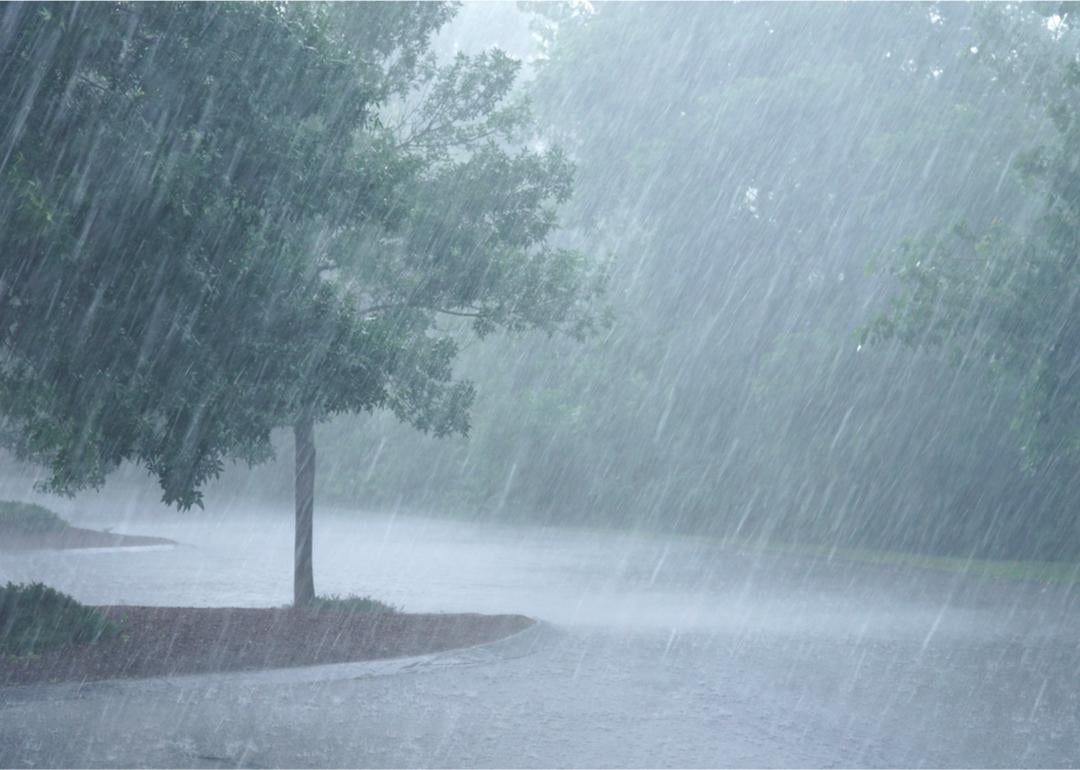
Predictive models suggest that annual precipitation in Oklahoma remains highly variable. During years influenced by larger oceanic patterns, travelers might notice more frequent spring showers. These rains, while occasionally causing short-term travel disruptions, are the lifeblood of the state’s rolling hills and sweeping prairies. For the tourist, this typically means a vibrant, green landscape perfect for photography and outdoor exploration.
The Significance of Seasonality
Rainfall is not distributed evenly throughout the year in Oklahoma. The peak for many regions—such as Tulsa and Norman—often occurs in the late spring months of May and June. If you are planning a trip during these times, it is wise to balance your schedule with indoor activities. Cultural sites like the Philbrook Museum of Art or the National Cowboy and Western Heritage Museum offer excellent shelter and intellectual stimulation during the wetter afternoons.
Planning Your Trip Around the Weather
The beauty of Oklahoma lies in its diversity of climate zones. While the eastern portion of the state is characterized by lush, forested terrain often receiving higher annual rainfall, the western regions tend to be more arid. By understanding where you are heading, you can effectively plan your activities to align with typical precipitation patterns.
Eastern Oklahoma: Green and Lush
If your travel plans include visiting Broken Bow or Beavers Bend State Park, expect a higher likelihood of rain throughout the year. The dense forests and mountain streams are maintained by this consistent moisture. For hikers and outdoor enthusiasts, this is a boon; the forest floor thrives in these conditions, creating a cool and refreshing atmosphere for summer treks. Travelers should pack high-quality waterproof gear and focus on visiting the Ouachita National Forest during periods of lower humidity.

Central and Western Plains
Conversely, if you are venturing toward the Great Plains or visiting the Gloss Mountain State Park, you will encounter a drier climate. Rainfall here is often intense but short-lived, typically arriving in the form of summer thunderstorms. These storms are impressive spectacles for visitors, often clearing as quickly as they arrive, leaving behind clear skies and cooler temperatures—a perfect window for stargazing in the vast, open spaces.
Cultural Experiences for Any Weather
One of the greatest strengths of Oklahoma tourism is that the state is not solely reliant on sunshine to offer a world-class experience. Local culture is deeply ingrained in the architecture and indoor attractions that span from Edmond to Lawton.
Embracing Indoor Tourism
When the forecast calls for rain, it is the perfect time to delve into the state’s rich history. A visit to the Oklahoma City National Memorial provides a moving, contemplative indoor experience. Similarly, the local culinary scene is a robust part of the Oklahoma experience. Spending a rainy afternoon exploring the diverse food culture in the Bricktown district allows you to taste the local heritage while staying dry. From world-class barbecue to modern Southwestern fusion, the indoor dining experiences in cities like Stillwater and Muskogee are unparalleled.
Adaptive Travel Itineraries
To ensure your trip remains enjoyable regardless of rainfall levels, consider these tips:
- Be Flexible with Dates: If you are planning an outdoor-heavy trip, such as visiting Turner Falls Park, have a secondary plan that involves visiting nearby historic sites in Davis.
- Monitor Local Sources: Use reputable weather services to track daily movements rather than relying on long-term seasonal predictions, which can be fickle in the central plains.
- Engage with Local Festivals: Many Oklahoma communities host indoor festivals and arts markets that flourish even when the skies are gray. Checking community calendars in Bartlesville or Enid often reveals hidden gems of local entertainment.
The Long-Term Perspective on Oklahoma Landscapes
While the question of “will it rain more” is usually rooted in immediate travel planning, the long-term trends show that Oklahoma’s ecosystem is resilient. The periodic influx of rain is what sustains the beautiful landscapes that make travel here so rewarding. For the sustainable traveler, these rainy periods are a reminder of the natural cycle that keeps the state’s parks and rivers flowing.
Why Precipitation Matters to the Tourist
The water levels in places like Lake Eufaula or Tenkiller Ferry Lake are vital for recreational activities like boating and fishing. A year with slightly higher rainfall can extend the season for water sports, providing more opportunities for visitors to enjoy the state’s aquatic resources. Conversely, a drier year encourages visitors to explore the geological wonders of the Salt Plains State Park, where the unique landscapes are best enjoyed when ground moisture is low.
Final Thoughts for the Prospective Visitor
Regardless of the specific rainfall total for the year, Oklahoma remains an accessible, fascinating, and deeply rewarding destination. By shifting your perspective to embrace the weather as part of the authentic experience, you allow yourself the flexibility to enjoy both the sun-drenched plains and the vibrant, rain-refreshed forests. The state’s infrastructure is well-equipped to manage the changing seasons, and its residents are always ready to welcome travelers into their cozy cafes, museums, and historical centers. Whether you are traveling for the history, the food, or the rugged outdoors, Oklahoma offers a unique narrative that is shaped, but never limited, by the rain. Always come prepared with the right gear, an open mind, and a sense of adventure, and the weather will simply become another chapter in your travel story.
LifeOutOfTheBox is a participant in the Amazon Services LLC Associates Program, an affiliate advertising program designed to provide a means for sites to earn advertising fees by advertising and linking to Amazon.com. Amazon, the Amazon logo, AmazonSupply, and the AmazonSupply logo are trademarks of Amazon.com, Inc. or its affiliates. As an Amazon Associate we earn affiliate commissions from qualifying purchases.