
The question of whether Austin, Texas, will see snow in 2025 is one that sparks curiosity and a touch of hopeful whimsy among residents and prospective visitors alike. Known for its vibrant music scene, delicious barbecue, and perpetually sunny disposition, Austin conjures images of paddle boarding on Lady Bird Lake or enjoying a cold brew on a patio, even in the depths of winter. Snow, therefore, feels almost antithetical to the city’s identity. Yet, the memory of past winter events, some quite significant, keeps the question alive.
For those planning a trip to Austin in 2025, especially during the cooler months, understanding the city’s unique climate and the actual likelihood of a white wonderland is crucial for managing expectations and packing appropriately. While a postcard-perfect snowfall might be a rare sight, Austin’s winter still offers a distinct charm, attracting travelers seeking a milder escape from colder northern climes. This comprehensive guide will delve into Austin’s historical relationship with snow, explore the meteorological factors that dictate its winter weather, and provide insights for travelers planning their 2025 experience, snow or no snow.

Austin’s Unique Climate and Historical Snowfall
Austin is nestled in the heart of Central Texas, a region characterized by a humid subtropical climate. This means hot summers, generally mild winters, and moderate rainfall throughout the year. The city’s latitude places it firmly in the southern United States, far from the typical snow belts that stretch across the northern states. Proximity to the Gulf of Mexico also plays a significant role, funneling warmer, moist air into the region, which typically works against sustained freezing temperatures necessary for snow accumulation.
A Look Back: When Has Austin Seen Snow?
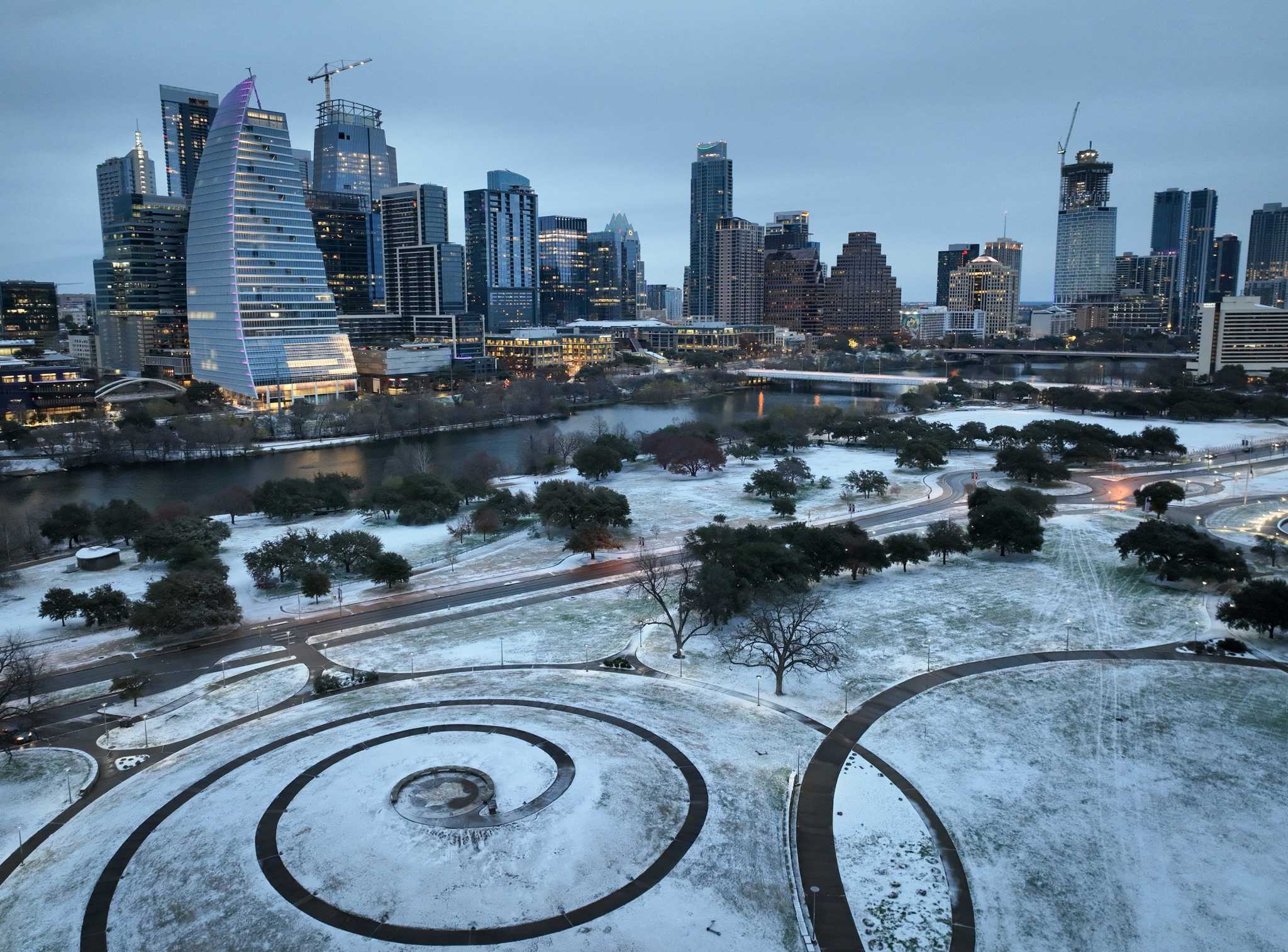
Despite its warm reputation, Austin is not entirely unacquainted with snow. However, it’s a rare and often fleeting phenomenon. Historically, significant snowfall events are few and far between, making each one a memorable occasion for locals. Most “snowfalls” in Austin amount to a light dusting that melts quickly upon contact with the ground, or a brief flurry that excites children before vanishing.
One of the most notable and devastating winter events in recent memory was Winter Storm Uri in February 2021. This unprecedented freeze brought several inches of snow and ice to much of Texas, including Austin, plunging the state into widespread power outages and dangerously cold temperatures for days. While an extreme anomaly, Winter Storm Uri served as a stark reminder that even a generally warm state can experience severe winter weather. Prior to that, significant snowfalls occurred in 2017 (a respectable few inches that lasted a day) and a more substantial event in 1985. Less impactful dustings have happened more frequently, perhaps once every few years, delighting residents for a few hours before dissipating.
These historical events highlight a critical pattern: when snow does fall in Austin, it often requires a rare combination of deeply penetrating cold air from the north, combined with sufficient moisture that manages to freeze at ground level. This delicate balance is why predicting snow so far in advance for 2025 is inherently challenging.
Understanding Central Texas Weather Patterns
The winter months in Austin (December, January, February) are typically mild, with average daytime temperatures ranging from the low 50s to low 60s Fahrenheit (10-17°C). Nighttime temperatures usually drop into the 30s and 40s (0-9°C), with occasional dips below freezing. For snow to occur and accumulate, temperatures must remain at or below freezing for an extended period, which is uncommon for the region.
Key meteorological drivers influence Texas winters. Large-scale atmospheric patterns like El Niño and La Niña can significantly impact temperature and precipitation trends across North America. During an El Niño winter, the southern U.S. tends to experience cooler and wetter conditions, which could theoretically increase the chance of wintry precipitation if a strong cold front also pushes through. Conversely, La Niña often leads to warmer and drier winters in the south. These patterns, however, are broad indicators and don’t guarantee specific outcomes for a city like Austin in any given year, especially concerning rare events like snow.
Furthermore, cold air masses originating from the Arctic often lose much of their punch as they travel south, picking up warmth from the land. For Austin to receive snow, a particularly strong and deep Arctic blast must combine with a timely moisture event. This confluence of factors is what makes Austin snow such a celebrated, albeit infrequent, occurrence.
Predicting the Unpredictable: Factors for 2025
Attempting to predict snowfall for a specific city like Austin more than a year in advance is largely speculative. Meteorological science can offer long-range outlooks, but these are typically probabilistic and cover broad regions rather than pinpointing individual cities or specific dates for rare events.
Meteorological Outlooks and Long-Range Forecasts
As of now, long-range forecasts for specific winter conditions in 2025 are not available with any meaningful accuracy. General seasonal outlooks, usually issued months in advance (e.g., late fall for the upcoming winter), might indicate probabilities for warmer/colder or wetter/drier than average conditions. However, these outlooks are not designed to predict specific, rare events like snow in a region where it’s uncommon.
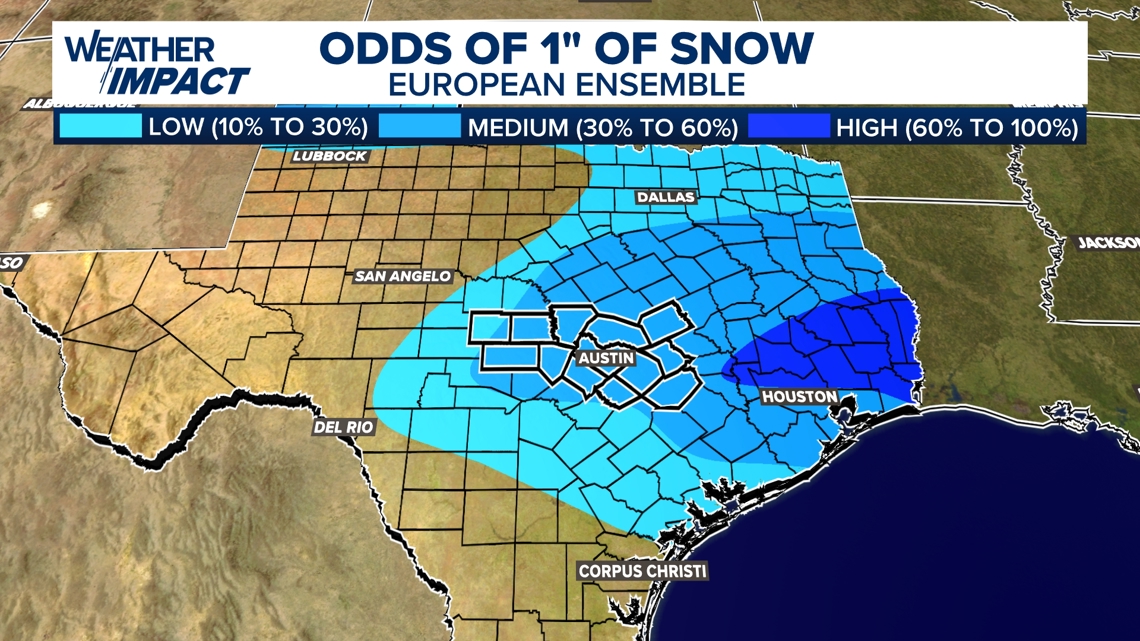
Weather prediction models improve significantly closer to the event, typically within a week or two. Even then, snow forecasts for Austin remain notoriously difficult due to the precise atmospheric conditions required. A slight shift in temperature, wind, or moisture content can mean the difference between rain, freezing rain, sleet, or snow. Therefore, while we can discuss the conditions that would lead to snow, definitively stating whether it will snow in Austin in 2025 is impossible at this stage. Based on historical data, the probability remains low, but not zero.
The Role of Global Climate Trends
It’s also worth briefly considering global climate trends. While the overarching trend is one of warming, climate change can also contribute to more extreme and unpredictable weather patterns, including intensified winter storms in some regions or more volatile temperature swings. Winter Storm Uri, for example, led to much discussion about whether such extreme cold snaps are becoming more likely even as average temperatures rise. While this is a complex scientific debate, it highlights that the climate system is dynamic, and anomalies can and do occur, regardless of historical averages. This further underscores the difficulty of ruling out any specific weather event, no matter how rare, far into the future.
The Austin Experience: Snow or Shine
For travelers planning a visit to Austin in 2025, whether for a winter holiday, a business trip, or a cultural immersion, it’s far more practical to plan for Austin’s typical winter weather while being aware of the extremely remote possibility of snow.
What to Expect When Visiting Austin in Winter
A typical winter visit to Austin is a delightful experience, often preferred by those who find the summer heat too intense. The mild temperatures are perfect for exploring the city’s outdoor attractions without breaking a sweat. You can comfortably hike or bike the trails around Zilker Park, enjoy a leisurely stroll along the Ann and Roy Butler Hike-and-Bike Trail bordering Lady Bird Lake, or take in panoramic views from Mount Bonnell.
The vibrant atmosphere of South Congress Avenue, with its eclectic shops and live music venues, is just as appealing in winter. You can browse unique boutiques, savor world-class cuisine at various restaurants, or enjoy a drink on a heated patio. Major landmarks like the Texas State Capitol offer fascinating tours, and museums across the city provide rich cultural experiences. Barton Springs Pool, while chilly, maintains a constant 68-70°F (20-21°C) year-round, making it a unique winter swimming spot for the brave.
Accommodation options in Austin are diverse, ranging from luxurious resorts and boutique hotels to cozy apartments and villas. During winter, it’s generally easier to find deals on hotels and accommodation compared to peak spring or fall seasons, though popular events like the Austin Marathon in February or the start of SXSW (if late winter) can still drive up prices. Consider staying at upscale establishments like Hotel ZaZa Austin or the historic The Driskill Hotel for a touch of luxury, or explore the myriad of charming guesthouses for a more local feel.
Preparing for Rare Winter Events: Tips for Travelers
Even though snow is unlikely, it’s wise for travelers to be minimally prepared for cooler temperatures, and in the rare event of an extreme cold snap like Winter Storm Uri, to understand the potential implications.
- Pack Layers: Regardless of the forecast, layering is key for Austin’s winters. Mornings can be cool, warming up significantly by afternoon, and then dropping again after sunset. A light jacket, sweaters, and long-sleeved shirts are usually sufficient.
- Stay Informed: If traveling during winter, keep an eye on local weather forecasts a few days before and during your trip. Local news outlets provide the most accurate and up-to-date information for Austin.
- Accommodation Choices: If you are concerned about potential power outages (a very rare occurrence outside of extreme events), consider booking hotels that are known for robust infrastructure, such as major chains like the JW Marriott Austin or Four Seasons Austin, which often have backup generators. Check their policies on severe weather.
- Transportation: While Austin has public transportation, most visitors rely on ride-shares, taxis, or rental cars. In the unlikely event of snow or ice, roads can become hazardous very quickly, and the city is not equipped with widespread snow removal infrastructure. Public services may be limited.
- Flexibility: Having some flexibility in your plans is always a good idea when traveling, especially in winter.
Beyond the Forecast: Austin’s All-Season Appeal
The probability of seeing snow in Austin in 2025 remains statistically very low. While a brief flurry or a light dusting is always a possibility during the coldest parts of winter, a significant, accumulating snowfall that transforms the city into a winter wonderland is an exceedingly rare event.
However, the lack of snow is precisely what makes Austin an attractive winter destination. It offers a temperate escape, allowing visitors to enjoy outdoor activities, explore its famous landmarks, indulge in its rich culinary scene, and immerse themselves in its unique culture without the biting cold and travel disruptions often associated with winter in other parts of the world. From the eclectic South Congress Avenue to the serene banks of the Colorado River (which forms Lady Bird Lake), Austin’s charm is evergreen.
So, while you likely won’t need to pack your snow boots for a 2025 trip to Austin, you can look forward to a vibrant, warm, and welcoming experience. Focus on enjoying the city’s unique blend of lifestyle and tourism offerings, and if by some rare chance a few snowflakes do fall, consider it a bonus—a fleeting, magical moment in a city usually bathed in sunshine.
LifeOutOfTheBox is a participant in the Amazon Services LLC Associates Program, an affiliate advertising program designed to provide a means for sites to earn advertising fees by advertising and linking to Amazon.com. Amazon, the Amazon logo, AmazonSupply, and the AmazonSupply logo are trademarks of Amazon.com, Inc. or its affiliates. As an Amazon Associate we earn affiliate commissions from qualifying purchases.