
While the question of “How many electoral votes are in Hawaii?” might seem purely political, for those who choose to explore the captivating islands of the Aloha State, understanding its representation within the U.S. electoral system adds an intriguing layer to the experience. Beyond the pristine beaches and vibrant local culture, each state, including Hawaii, plays a crucial role in shaping the nation’s leadership. For travelers, understanding these foundational aspects of a destination can enrich their journey, connecting them more deeply to the place they are visiting. This exploration into Hawaii’s electoral votes, therefore, is not just about numbers; it’s about appreciating the unique position this Pacific paradise holds within the United States.
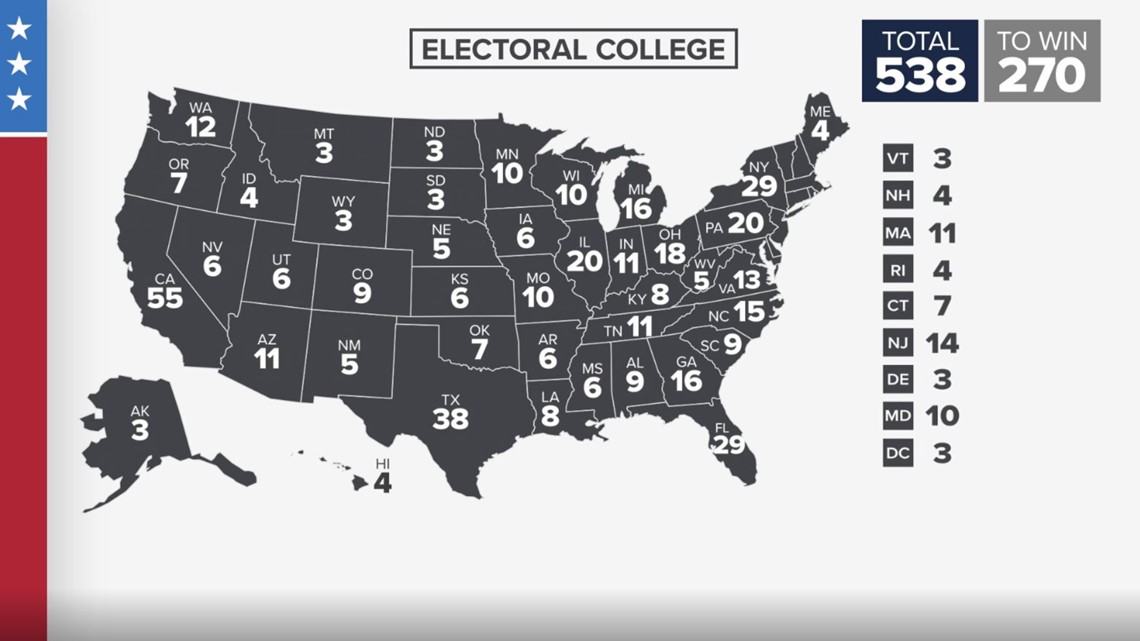
Hawaii, a state celebrated for its breathtaking landscapes, rich Polynesian heritage, and laid-back lifestyle, participates in the U.S. presidential election through the Electoral College. This system, established by the U.S. Constitution, determines the winner of the presidential election, not by direct popular vote nationwide, but by a tally of electoral votes allocated to each state. The number of electoral votes a state receives is based on its total representation in Congress, which comprises its two senators and its number of representatives in the House of Representatives. This dynamic means that states with larger populations have more electoral votes, influencing the overall outcome of the election.
Understanding the Electoral College and Hawaii’s Allocation
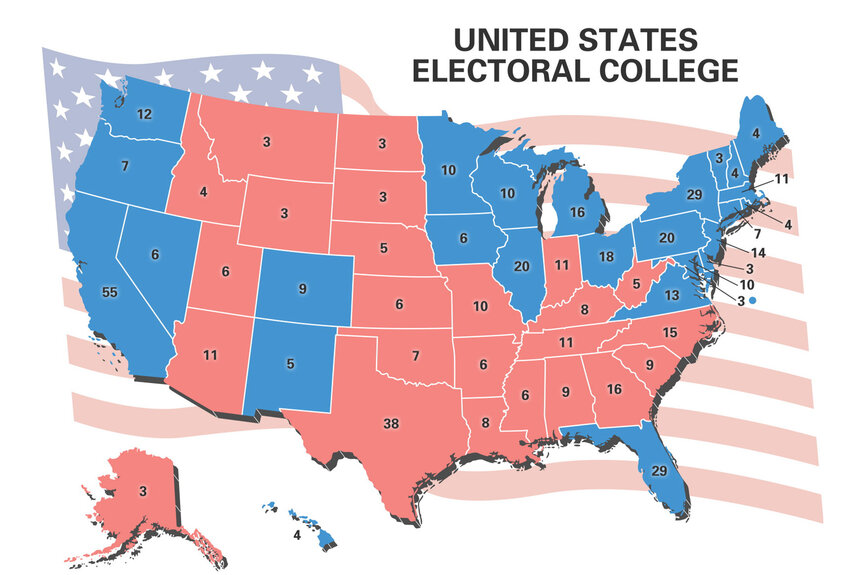
The Electoral College is a fundamental, yet often debated, aspect of American democracy. Each state is assigned a certain number of electors, equal to the sum of its senators (always two) and its representatives in the House of Representatives. The number of representatives in the House is determined by each state’s population, as reported by the U.S. Census, which is conducted every ten years. Consequently, states with higher populations have a greater number of electoral votes. For instance, a densely populated state like California will have significantly more electoral votes than a less populated state.
Hawaii, with its unique geographical location and a population that has steadily grown since statehood, holds a specific number of electoral votes. As of the most recent reapportionment following the 2020 U.S. Census, Hawaii is allocated four electoral votes. This figure is derived from its two U.S. senators and its two representatives in the U.S. House of Representatives. The state’s congressional delegation, and by extension its electoral vote count, directly reflects its population size relative to other states. This number has remained consistent for several decades, highlighting a stable demographic representation within the federal system.
The allocation of electoral votes means that a candidate needs to win a majority of the total electoral votes nationwide to become president. This threshold is currently 270 out of the 538 total electoral votes. Therefore, even though Hawaii has a relatively small number of electoral votes compared to larger states, each of these four votes contributes to a candidate’s path to the presidency. For candidates, understanding the political landscape and voter sentiment in states like Hawaii is crucial for building a winning coalition.
Hawaii’s Political Landscape and Travel Insights
When visiting Hawaii, travelers often immerse themselves in the state’s distinct political leanings, which can be observed through local discourse, campaign activities during election seasons, and the general tenor of community discussions. While the islands are known for their relaxed atmosphere, politics are an integral part of the civic life. Understanding Hawaii’s political identity can offer travelers a richer perspective on the local culture and community values. For instance, the Democratic Party has historically held a strong presence in the state, influencing its policies and representation in Washington D.C. This alignment is often attributed to a variety of factors, including the state’s diverse population, its history, and its unique socio-economic landscape.
For the traveler interested in exploring the nuances of Hawaii, engaging with local communities can provide firsthand insights. This could involve attending local events, visiting community centers, or even striking up conversations with residents. These interactions can illuminate how national political issues are perceived and discussed on the islands, often with a distinct Hawaiian perspective. Furthermore, understanding the electoral process and Hawaii’s role within it can add an educational dimension to a vacation. It’s a reminder that even a tropical paradise is part of a larger national conversation.
When planning a trip, especially around election periods, travelers might notice an increased presence of political campaigning or related events. This can be a fascinating, albeit temporary, aspect of the local scene. It offers an opportunity to witness democratic processes in action in a unique setting. For example, visiting Honolulu, the state capital, could offer chances to see government buildings and potentially witness local political gatherings. The Hawaii State Capitol itself is an architectural landmark, and understanding its function within the state’s governance adds to the historical and cultural appreciation of Oahu.
Exploring Attractions with Political Significance
Beyond the polling booths and electoral counts, Hawaii boasts numerous landmarks and attractions that tell the story of its history, including its journey to statehood and its integration into the United States. Visiting these sites can provide a deeper appreciation for the political and social forces that have shaped the islands. For instance, understanding the history of Pearl Harbor, a pivotal site in World War II, offers a profound connection to a period that significantly influenced American global policy and cemented Hawaii’s strategic importance. The Pearl Harbor National Memorial is a must-visit for anyone interested in this history.

When traveling to Hawaii, consider visiting locations that highlight the state’s unique journey. The Iolani Palace, the only royal palace in the United States, stands as a testament to the sovereignty that preceded statehood. Its exhibits and architecture offer a rich understanding of the Hawaiian monarchy and the complex events that led to the annexation of Hawaii by the United States, and subsequently, its path to becoming the 50th state. Exploring Iolani Palace provides crucial context for understanding the contemporary political and cultural identity of Hawaii.
Furthermore, many of Hawaii’s natural wonders also hold historical and cultural significance, indirectly related to how the islands have been managed and preserved. For example, Haleakala National Park on Maui, with its breathtaking volcanic crater, is not only a natural marvel but also a place deeply revered by native Hawaiians. Understanding the cultural practices and beliefs associated with such sites adds another layer to the travel experience, connecting visitors to the land in a more profound way.
Travel and Accommodation in the Aloha State
For those drawn to the allure of Hawaii, the state offers a diverse range of travel experiences, from luxurious resort stays to more budget-conscious adventures. The Hawaiian Islands, comprising Oahu, Maui, Kauai, and the Big Island (Hawaii Island), each present unique attractions and accommodation options. Whether you’re seeking the vibrant city life of Honolulu or the tranquil beaches of Kauai, there’s an experience tailored for every traveler.
Choosing Your Hawaiian Accommodation
Accommodation in Hawaii ranges from world-class resorts to charming boutique hotels and convenient vacation rentals. On Oahu, visitors can find a plethora of options in Waikiki, from the iconic Hilton Hawaiian Village Waikiki Beach Resort to upscale suites and family-friendly apartments. For those seeking a more secluded experience, the North Shore of Oahu offers a more laid-back vibe with various rental properties and smaller inns.
Maui is renowned for its luxury resorts, particularly in areas like Ka’anapali and Wailea, where visitors can indulge in amenities like infinity pools, spa services, and fine dining. The island also offers charming bed and breakfasts and villas for those looking for a more intimate stay. Kauai, known as the “Garden Isle,” provides a more nature-focused escape, with accommodation options often nestled amidst lush landscapes, offering stunning views and easy access to hiking trails and beaches. The Big Island offers diverse lodging experiences, from beachfront hotels near Kailua-Kona to unique stays near Volcanoes National Park on the eastern side of the island.
When booking your stay, consider the amenities that are important to you. Many Hawaiian hotels and resorts offer amenities like swimming pools, direct beach access, on-site restaurants, and family-friendly activities. For longer stays or those seeking a home-away-from-home experience, apartments and villas can be excellent choices, often providing kitchens and more living space. Reading reviews and comparing options on platforms that specialize in travel bookings can help ensure you find the perfect place to rest after a day of exploring Hawaii’s wonders.
Experiencing Hawaii’s Unique Lifestyle and Activities
The lifestyle in Hawaii is deeply influenced by its natural beauty, rich cultural heritage, and the spirit of aloha. Travelers can immerse themselves in this unique way of life by participating in a variety of activities. From surfing lessons on the legendary waves of the North Shore of Oahu to snorkeling in the crystal-clear waters of Molokini Crater off the coast of Maui, there are endless opportunities for adventure.
For those interested in local culture, visiting Polynesian Cultural Center on Oahu offers an immersive experience into the traditions and customs of various Pacific Island nations, including Hawaii. Attending a traditional Hawaiian luau is another popular way to experience local food, music, and dance. Exploring the local farmers’ markets, such as the KCC Farmers Market in Honolulu, provides a taste of fresh, local produce and artisanal goods, offering a genuine slice of Hawaiian life.
Nature lovers will find paradise on all the islands. Exploring Hawaii Volcanoes National Park on the Big Island allows visitors to witness the raw power of nature, with active volcanoes and dramatic lava landscapes. Kauai is famous for its stunning Na Pali Coast, accessible by boat tours or challenging hikes, and its lush interior, including the Waimea Canyon, often called the “Grand Canyon of the Pacific.” Each island offers unique natural landmarks that contribute to its distinct charm and appeal.
In conclusion, while the question “How many electoral votes are in Hawaii?” points to a specific political reality, it also serves as a gateway to understanding the broader context of this extraordinary island chain. Hawaii’s four electoral votes are a tangible representation of its place within the American democracy, a nation it joined in 1959. For travelers, this understanding enriches their journey, allowing them to connect with the state not just as a destination of unparalleled beauty and relaxation, but also as a vibrant community with a unique history and a significant voice in the national narrative. Whether you are drawn to its tropical allure, its rich cultural tapestry, or its diverse landscapes, Hawaii offers an unforgettable experience that extends far beyond its electoral count.
LifeOutOfTheBox is a participant in the Amazon Services LLC Associates Program, an affiliate advertising program designed to provide a means for sites to earn advertising fees by advertising and linking to Amazon.com. Amazon, the Amazon logo, AmazonSupply, and the AmazonSupply logo are trademarks of Amazon.com, Inc. or its affiliates. As an Amazon Associate we earn affiliate commissions from qualifying purchases.