
As Hurricane Milton makes its ominous presence known in the Atlantic Ocean, travelers with plans to visit Miami and the wider South Florida region are understandably concerned. The question on everyone’s mind is clear: will the vibrant hub of Miami experience the full brunt of this powerful storm, and what does that mean for travel plans? Navigating the uncertainties of hurricane season requires diligent preparation and an informed understanding of potential impacts. This article serves as an essential guide for anyone contemplating travel to Miami during this critical period, offering insights into the storm’s potential trajectory, immediate travel disruptions, and comprehensive advice for navigating these challenging circumstances.
The allure of Miami – its stunning beaches, dynamic cultural scene, and world-class attractions – makes it a premier destination. However, its geographic location in Florida places it within an active hurricane zone, necessitating a proactive approach to travel planning during specific months. Understanding how a major hurricane like Milton could affect your journey and stay is paramount to ensuring both safety and a smooth travel experience. We delve into the critical aspects of hurricane preparedness from a traveler’s perspective, offering actionable advice and resources.
Understanding the Threat: Hurricane Milton’s Trajectory and Potential Impact
The first step in assessing travel risk is to understand the nature of the threat itself. Hurricanes are complex weather systems, and their paths can shift rapidly. For travelers, staying updated with official forecasts is not just advisable, but imperative.
Tracking the Storm: Latest Advisories and Forecasts
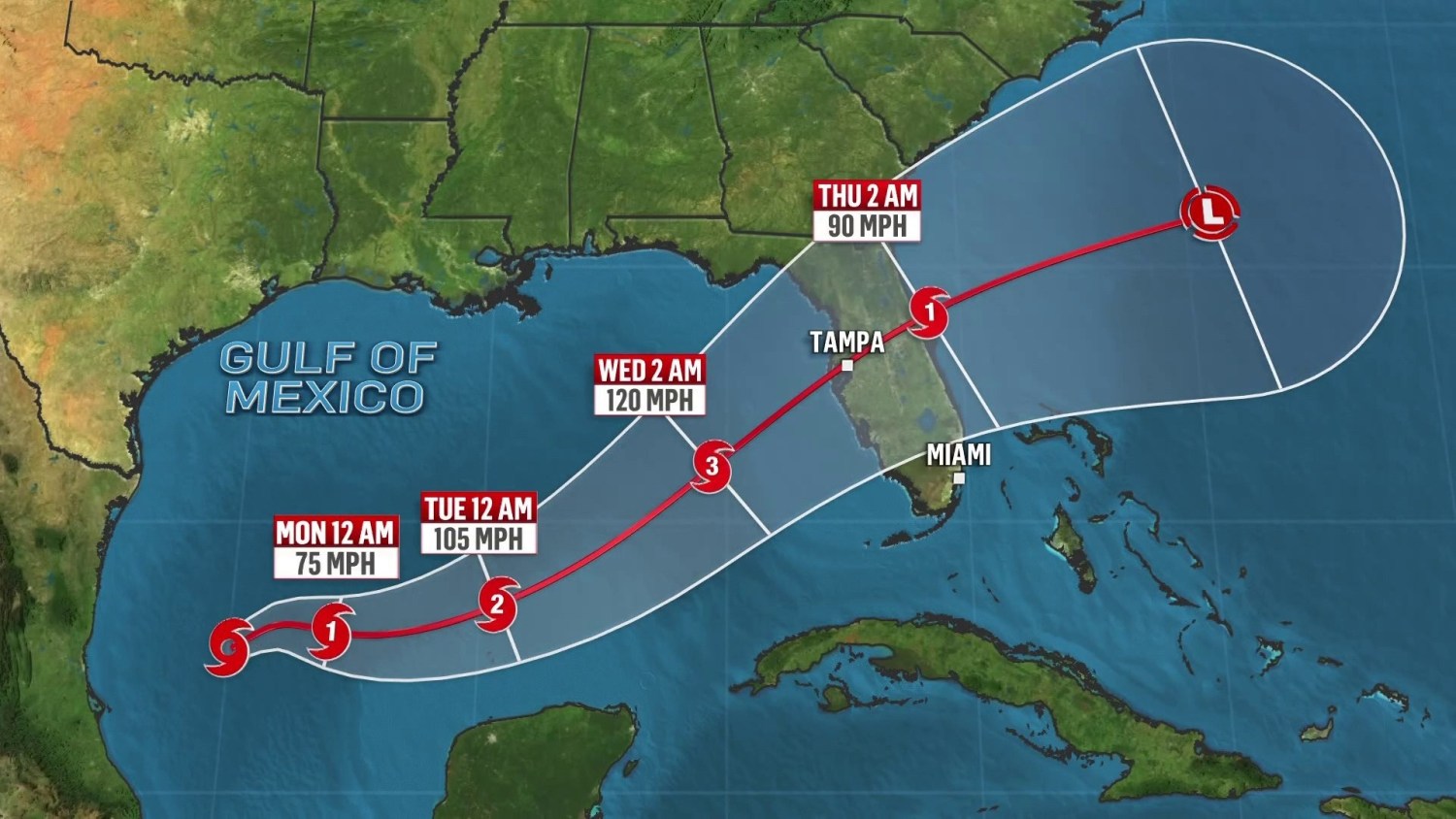
Official sources like the National Hurricane Center (NHC) are the most reliable for real-time information regarding Hurricane Milton’s projected path, intensity, and potential landfall areas. These advisories provide critical details on wind speeds, expected rainfall, and storm surge predictions. Travelers should make it a habit to check the NHC website multiple times a day as the storm approaches, paying close attention to any watches or warnings issued for Miami-Dade County and surrounding regions.
Beyond the direct path, the cone of uncertainty, which represents the probable track of the storm’s center, is crucial. Even if Miami is not directly in the center of the cone, significant impacts from outer bands, heavy rainfall, and elevated surf can still occur. These secondary effects can severely disrupt travel, even without a direct hit. For instance, strong winds can ground flights, while heavy rains can lead to localized flooding, making road travel hazardous.
Categorizing the Risk: Wind, Rain, and Storm Surge
Hurricanes present a multi-faceted threat. While powerful winds are often the focus, other elements can be equally, if not more, devastating.
- Wind Damage: Depending on Hurricane Milton’s category, wind speeds can range from tropical storm force (39-73 mph) to Category 5 (157+ mph). Even tropical storm force winds can cause power outages, downed trees, and damage to structures, affecting hotel operations and local infrastructure. Stronger winds pose a severe threat to life and property, necessitating evacuation from vulnerable areas.
- Heavy Rainfall and Flooding: Hurricanes are prodigious rain producers. Even a fast-moving storm can dump inches of rain, leading to flash flooding, particularly in low-lying urban areas like parts of Miami Beach and downtown Miami. This can render roads impassable, isolate communities, and damage vehicles and ground-floor accommodations. Travel plans reliant on road networks can be severely hampered for days after the storm passes.
- Storm Surge: This is often the most dangerous aspect of a hurricane for coastal areas. A storm surge is an abnormal rise of water generated by the storm, pushed ashore above the predicted astronomical tide. For a city like Miami, with extensive coastline along Biscayne Bay and the Atlantic Ocean, even a moderate storm surge can cause widespread catastrophic flooding, particularly in popular tourist areas like South Beach and the Florida Keys. Evacuation orders related to storm surge should be taken with utmost seriousness.
Miami’s Vulnerability and Preparedness
Miami is no stranger to hurricanes. The city and Miami-Dade County have robust emergency management protocols in place, learned from decades of experience. These include public warning systems, designated evacuation routes, and emergency shelters. However, the sheer scale of a major hurricane can test even the most prepared systems. Travelers should familiarize themselves with these local resources and heed all directives from local authorities. While the infrastructure is designed to withstand storms, the unique vulnerabilities of a coastal metropolis with a high population density and extensive tourist infrastructure mean that disruptions, even from a near-miss, are highly probable.
Immediate Travel Disruptions and Safety Measures
When a hurricane threatens, the immediate impact on travel can be profound. Anticipating these disruptions is key to making informed decisions.
Airport and Port Closures: Implications for Arrivals and Departures
One of the most significant immediate impacts of a hurricane threat is the closure of major transportation hubs. Both Miami International Airport (MIA) and Fort Lauderdale-Hollywood International Airport (FLL) are critical gateways for travelers. Airlines will often cease operations well in advance of hurricane-force winds reaching the area to ensure the safety of passengers and personnel, and to move aircraft to safer locations. This leads to mass cancellations of flights, both inbound and outbound.
Similarly, PortMiami, a major cruise ship hub, will close to marine traffic, diverting or delaying cruise itineraries. Passengers scheduled to embark or disembark will face significant changes to their travel plans. It’s vital for travelers to monitor their airline and cruise line’s websites and communication channels for updates, as these closures can persist for several days after the storm’s passage, as damage assessments and restoration of services take time.
Evacuation Orders and Emergency Shelters
For residents and visitors in vulnerable areas, particularly coastal zones, evacuation orders are a possibility when Hurricane Milton poses a direct threat. These orders are issued by local authorities and are not to be taken lightly. Ignoring an evacuation order can put lives at risk, both your own and those of emergency responders. Travelers staying in hotels or rental properties in evacuation zones should have a plan for where to go, whether it’s inland to a pre-booked hotel outside the storm’s path or to a designated public shelter. Public shelters are often a last resort, providing basic necessities, but they are designed for safety during the storm.
Advisories for Tourists and Residents
Beyond official orders, general advisories for tourists and residents will be circulated widely. These often include advice to secure loose outdoor items, stock up on non-perishable food and water, ensure vehicle fuel tanks are full, and have a communication plan. For tourists, this translates to:
- Do not attempt to ride out the storm in beachfront properties or low-lying areas. These are often the first to be affected by storm surge and flooding.
- Keep your passport, identification, travel documents, and any essential medications in a waterproof, easily accessible bag.
- Have cash on hand, as ATMs and credit card systems may be inoperable during power outages.
- Inform family and friends of your travel plans and your safety status.
Navigating Travel Plans: Before, During, and After the Storm
A hurricane threat transforms travel planning from a leisure activity into a critical exercise in risk management.

Pre-Travel Considerations: Monitoring and Insurance
If Hurricane Milton is developing or active prior to your scheduled trip, proactive monitoring is key. Consider delaying or rescheduling your trip if the forecast indicates a significant risk to Miami. Many airlines and hotels offer waivers for changes or cancellations during hurricane season if a storm is threatening.
Travel insurance is an invaluable tool for hurricane season. Ensure your policy covers hurricane-related cancellations, delays, and medical emergencies. Read the fine print carefully, as policies typically have a “cutoff” date; once a storm is named or becomes a significant threat, new policies purchased may not cover claims related to that specific storm. Comprehensive travel insurance can provide financial protection for lost bookings, unexpected accommodation costs, or emergency travel.
During the Storm: Shelter-in-Place and Communication
If you are already in Miami when Hurricane Milton threatens, follow all local directives. If an evacuation is not ordered for your specific location, you may be advised to shelter-in-place. This means staying indoors, away from windows, and in the safest part of your accommodation. Hotels typically have emergency plans for guests, which include designated safe areas. Ensure your phone is fully charged, and have a portable charger or power bank. Rely on battery-powered radios for official updates if power is lost. Avoid going outside during the storm, even if there is a lull in the winds (the “eye” of the hurricane), as dangerous conditions can resume suddenly.
Post-Storm Assessment: Resumption of Services and Rebuilding Efforts
After the immediate danger has passed, the recovery phase begins. This can be a prolonged process, especially for a major hurricane. Infrastructure damage, power outages, and flooding can persist for days or even weeks. It’s important to understand that “after the storm” does not immediately mean “back to normal.”
- Transportation: Airports and roads will need to be inspected and cleared before services can resume. This often leads to a backlog of flights and significant delays. Public transportation may also be disrupted.
- Utilities: Power, water, and sewage services may be interrupted. Hotels and other establishments might operate on generators, or close entirely until full services are restored.
- Attractions: Tourist attractions, parks, and beaches, including natural wonders like Everglades National Park, may be closed for cleanup, repairs, or safety inspections. Iconic areas like Little Havana or the Art Deco Historic District may face temporary closures due to debris or damage.
Travelers should exercise patience and allow time for the destination to recover. Rushing back into a storm-affected area can strain local resources and put you at risk.
What Travelers Should Know: Essential Resources and Support
Knowing where to turn for help and information is crucial.
Airline and Accommodation Policies
Most airlines, hotels, and cruise lines have specific hurricane policies. These typically allow for fee-free changes or cancellations if a hurricane watch or warning is issued for the destination. Always check their official websites or contact customer service directly for the most up-to-date information regarding your bookings. Keep records of all communications.
Local Emergency Contacts and Information Hubs
Familiarize yourself with local emergency contacts. The Miami-Dade County Office of Emergency Management (MDEM) website is an excellent resource for local advisories, evacuation zones, and shelter information. Dialing 311 in Miami-Dade County can provide non-emergency information, while 911 is for life-threatening emergencies only. The Florida Department of Emergency Management also provides statewide resources.
Volunteering and Support for Recovery
For those wishing to help, post-hurricane recovery efforts often rely on volunteers. Organizations like the American Red Cross and local charities will mobilize to provide aid. If your travel plans are canceled but you still wish to contribute, consider donating to reputable relief organizations. This allows local communities to rebuild and welcome travelers back sooner.
The Long-Term Outlook for Miami as a Destination
Even in the face of significant challenges, Miami’s spirit and resilience as a world-class destination endure.
Resilience and Recovery of Miami’s Tourism Infrastructure
Miami has a proven track record of recovering swiftly from storms. The tourism industry is a cornerstone of the local economy, and significant resources are dedicated to restoring attractions, hotels, and transportation networks. While the immediate aftermath of Hurricane Milton might see disruptions, the city is committed to rebuilding and re-establishing its status as a premier travel destination. Businesses and communities often come together to support recovery, demonstrating the strong community ties in South Florida.

Future Travel Planning: Best Practices for Hurricane Season
For future trips to Miami during hurricane season (June 1st to November 30th), travelers should always:
- Purchase comprehensive travel insurance that covers hurricane-related eventualities.
- Monitor long-range forecasts before departure.
- Have flexible booking options for flights and accommodations.
- Stay informed about local emergency plans and resources.
- Consider destinations outside the immediate hurricane risk zone if extreme caution is preferred during peak season.
Ultimately, whether Miami will be affected by Hurricane Milton depends on the storm’s final path and intensity. By staying informed, preparing thoroughly, and prioritizing safety, travelers can navigate the challenges of hurricane season and ensure their travel experiences remain as positive and safe as possible, even in uncertain times.
LifeOutOfTheBox is a participant in the Amazon Services LLC Associates Program, an affiliate advertising program designed to provide a means for sites to earn advertising fees by advertising and linking to Amazon.com. Amazon, the Amazon logo, AmazonSupply, and the AmazonSupply logo are trademarks of Amazon.com, Inc. or its affiliates. As an Amazon Associate we earn affiliate commissions from qualifying purchases.