
For anyone planning a getaway to the Sunshine State, the question “Will Nadine Hit Florida?” represents more than just a meteorological curiosity; it is a vital consideration for safety, logistics, and the overall enjoyment of a vacation. Florida is a premier global destination, known for its sprawling coastlines, world-class theme parks, and vibrant cultural hubs. However, its geographic position between the Atlantic Ocean and the Gulf of Mexico makes it a primary focus during the annual hurricane season. Understanding how a potential storm like Nadine impacts tourism is essential for travelers who want to balance the excitement of a tropical escape with the necessity of being prepared.

Understanding Florida’s Hurricane Season for Travelers
The allure of Florida is undeniable, from the neon lights of South Beach to the quiet, rolling dunes of Destin. Yet, for those visiting between June 1st and November 30th, the weather becomes a central character in the travel narrative. This six-month window constitutes the Atlantic hurricane season, a time when tropical depressions, storms, and major hurricanes can form in the warm waters of the Caribbean Sea or off the coast of Africa.
The Peak Months of Activity
While the season starts in early summer, history shows that activity typically ramps up significantly in late August, September, and October. During this period, the atmospheric conditions are most conducive to storm development. For tourists, this means that a trip to Miami or Fort Lauderdale in September requires a higher degree of flexibility than a trip in March. The potential path of a storm like Nadine is monitored weeks in advance, providing travelers with a window of time to adjust their plans.
The local tourism industry is highly adapted to these cycles. From Jacksonville in the north down to Key West, the infrastructure is built to withstand significant weather events, and local businesses have established protocols to ensure guest safety. Understanding these patterns allows visitors to enjoy the lower prices and smaller crowds often found during the shoulder season, provided they stay informed about the latest forecasts.
How Tropical Storm Nadine Fits into the Forecast
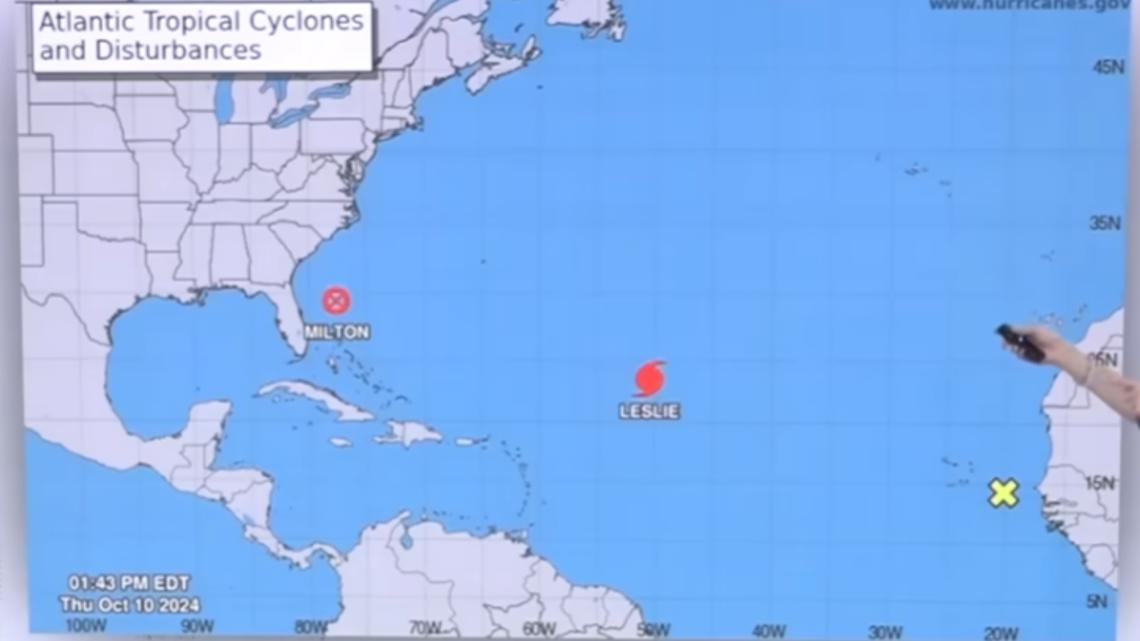
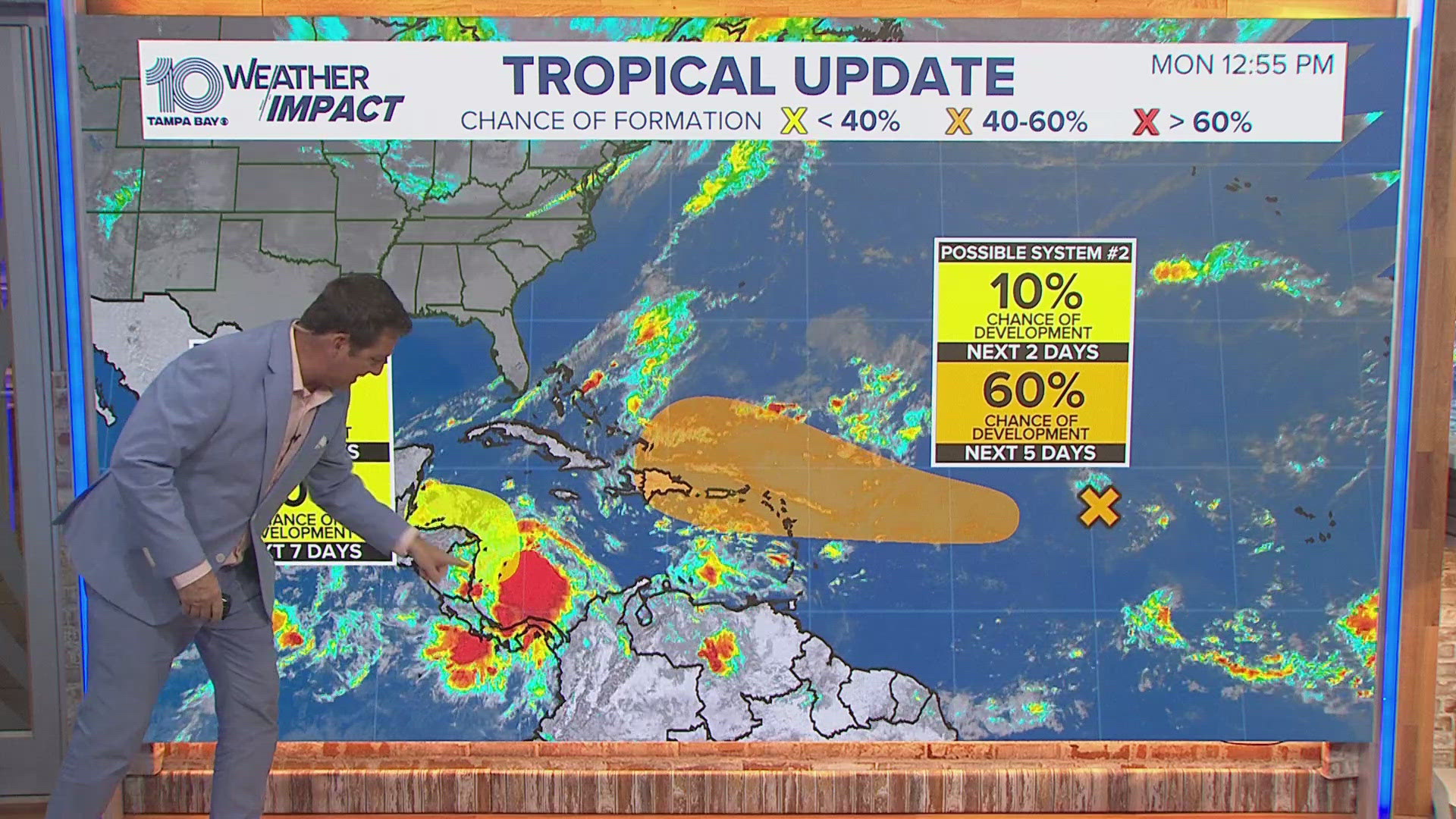
When a name like Nadine appears on the list of tropical cyclones, it triggers a sophisticated monitoring system. The National Hurricane Center, headquartered in Miami, becomes the most important resource for anyone in the state. For tourists, the question of whether Nadine will hit Florida involves looking at the “cone of uncertainty.” This forecast model shows the probable track of the center of the storm.
Even if a storm does not make a direct landfall in a city like Tampa or St. Petersburg, the outer bands can bring heavy rain and gusty winds that can disrupt outdoor activities. Tourism in the United States is heavily reliant on weather-dependent attractions, and Florida is the prime example. A storm tracking toward the Bahamas or Cuba can still cause significant rip currents and beach erosion along the Florida coast, affecting those planning to visit Daytona Beach or Cocoa Beach.
Coastal Tourism Safety and Preparedness
The coastal regions of Florida are the crown jewels of its tourism industry. However, these areas are also the most vulnerable to the storm surges and high winds associated with a tropical system. Whether you are staying in a luxury resort in Naples or a boutique hotel in Sarasota, safety protocols are a top priority.
Navigating the Atlantic Coast and Gulf Coast
The experience of a storm can vary greatly depending on which coast you are visiting. The Atlantic coast, home to cities like West Palm Beach and St. Augustine, often faces the direct brunt of storms moving in from the open ocean. These areas have robust sea walls and sophisticated evacuation routes. In contrast, the Gulf coast, featuring the white sands of Pensacola and Clearwater, is susceptible to storm surges due to the shallow nature of the Gulf of Mexico.
For the tourist, preparedness means knowing the evacuation zone of your destination. Most beachfront properties are in Zone A, the first to be evacuated in the event of a significant storm threat. Hotels and local tourism boards are excellent resources for this information, often providing guests with detailed guides on what to do if Nadine or any other storm moves toward the peninsula.
Monitoring Local News and NOAA
One of the most important tips for any visitor in Florida during hurricane season is to stay connected to local news outlets. While national weather channels provide a broad overview, local meteorologists in Tallahassee or Orlando offer neighborhood-specific details that are crucial for day-to-day planning.
The National Hurricane Center updates its advisories every few hours during an active event. Travelers should download weather apps that provide real-time alerts. If you are exploring the Everglades National Park or taking a boat tour in Biscayne National Park, being aware of a sudden shift in the weather can be a lifesaver.
Impact on Florida’s Iconic Attractions and Activities
Florida is synonymous with grand-scale entertainment. The potential arrival of a storm like Nadine puts a temporary pause on the excitement, but the state’s attractions are remarkably resilient.
Theme Parks and Entertainment Hubs
Orlando is the theme park capital of the world, and destinations like Walt Disney World Resort and Universal Studios Florida have comprehensive hurricane policies. These parks are located inland, which generally protects them from the worst of the coastal storm surges, but they can still experience high winds and intense rainfall.
In the rare event that a storm like Nadine necessitates a park closure, these major attractions typically offer refund or rescheduling options for guests. Other major sites, such as SeaWorld Orlando and Busch Gardens Tampa Bay, also follow strict safety guidelines to protect both visitors and the animals in their care. For the tourist, this means that even if a storm disrupts a few days of your itinerary, the industry is designed to help you recover your vacation experience as quickly as possible.
Natural Landmarks and Outdoor Exploration
For those who prefer the natural beauty of the state, a storm can change the landscape of tourism significantly. Key West, being an island at the end of the Florida Keys, is particularly sensitive to weather changes. A storm like Nadine might lead to the temporary closure of the Overseas Highway, the only road connecting the keys to the mainland.
Similarly, visitors planning to see the Kennedy Space Center on the Space Coast or go shelling on Sanibel Island must be aware that these low-lying areas are often the first to feel the effects of an approaching system. Nature-based tourism, such as airboat rides in the Everglades or diving in Dry Tortugas National Park, is usually suspended well before a storm makes landfall to ensure everyone is safely back on shore.
Essential Tips for Tourists During Storm Warnings
If you find yourself in Florida when a storm like Nadine is looming, there are several steps you can take to manage your trip effectively and safely.
Travel Insurance and Flexibility
The single best piece of advice for tourism in Florida during the summer and fall is to invest in comprehensive travel insurance. Ensure your policy covers “trip cancellation for any reason” or specifically includes weather-related disruptions. This provides peace of mind when booking flights to Miami International Airport or Orlando International Airport.
Flexibility is your greatest asset. If the forecast for Nadine shows a high probability of impact on the south, consider shifting your exploration to the northern parts of the state, such as Panama City Beach or Gainesville, if they are out of the storm’s path.
Local Cultural Preparedness
One of the unique aspects of Florida tourism is the local culture of preparedness. “Hurricane parties” and the casual confidence of locals can sometimes mislead tourists into thinking a storm isn’t serious. However, it is important to remember that residents have homes designed for these events and years of experience. As a visitor, always default to the side of caution.
Follow the lead of local authorities. If they issue a voluntary evacuation for Marco Island or Jupiter, it is wise to follow suit. Local shops and restaurants may close as staff go home to secure their own properties, so having a small supply of water and non-perishable snacks in your hotel room is a standard “pro-tip” for seasoned Florida travelers.
Post-Storm Tourism and Recovery
If Nadine does hit Florida, the focus quickly shifts to recovery. The resilience of the Florida tourism industry is legendary. Within days—sometimes even hours—of a storm passing, cleanup crews are at work in Fort Myers and Vero Beach to restore the pristine beauty that visitors expect.
Supporting local tourism after a storm is one of the best ways to help the economy. While major attractions like Legoland Florida Resort recover quickly, small local businesses in places like Tarpon Springs or Mount Dora rely heavily on the return of visitors. Checking the status of your destination after a weather event is important; many times, the sun is shining, and the beaches are open much sooner than the national news might suggest.
In conclusion, while the question “Will Nadine Hit Florida?” may cause some temporary anxiety for travelers, it shouldn’t deter you from experiencing the incredible diversity and beauty of the state. By staying informed, remaining flexible, and understanding the local culture of preparedness, you can enjoy everything from the historic streets of Pensacola to the tropical paradise of Key Largo, regardless of what the Atlantic hurricane season brings.
LifeOutOfTheBox is a participant in the Amazon Services LLC Associates Program, an affiliate advertising program designed to provide a means for sites to earn advertising fees by advertising and linking to Amazon.com. Amazon, the Amazon logo, AmazonSupply, and the AmazonSupply logo are trademarks of Amazon.com, Inc. or its affiliates. As an Amazon Associate we earn affiliate commissions from qualifying purchases.