
For decades, the agricultural identity of Florida has been inextricably linked to the vibrant orange. However, a new botanical trend is taking root across the Sunshine State, drawing travelers and food enthusiasts toward a silver-leafed newcomer: the olive tree. While the Mediterranean has long held the crown for olive production, the curiosity surrounding Florida olives is blossoming into a full-scale agritourism movement. Travelers visiting the region are increasingly swapping citrus groves for the rustic, ancient aesthetic of olive orchards, sparking a fascinating cultural shift in local food and tourism.
The Mediterranean Dream in the Sunshine State
The question of whether olive trees can thrive in Florida is no longer a matter of theory but a visible reality. Although the state’s humid subtropical climate is a far cry from the arid hills of Italy or Spain, horticultural pioneers have spent the last decade proving that with the right cultivars and management, the “liquid gold” of the Mediterranean can indeed be produced here.
Historical Roots and Modern Research
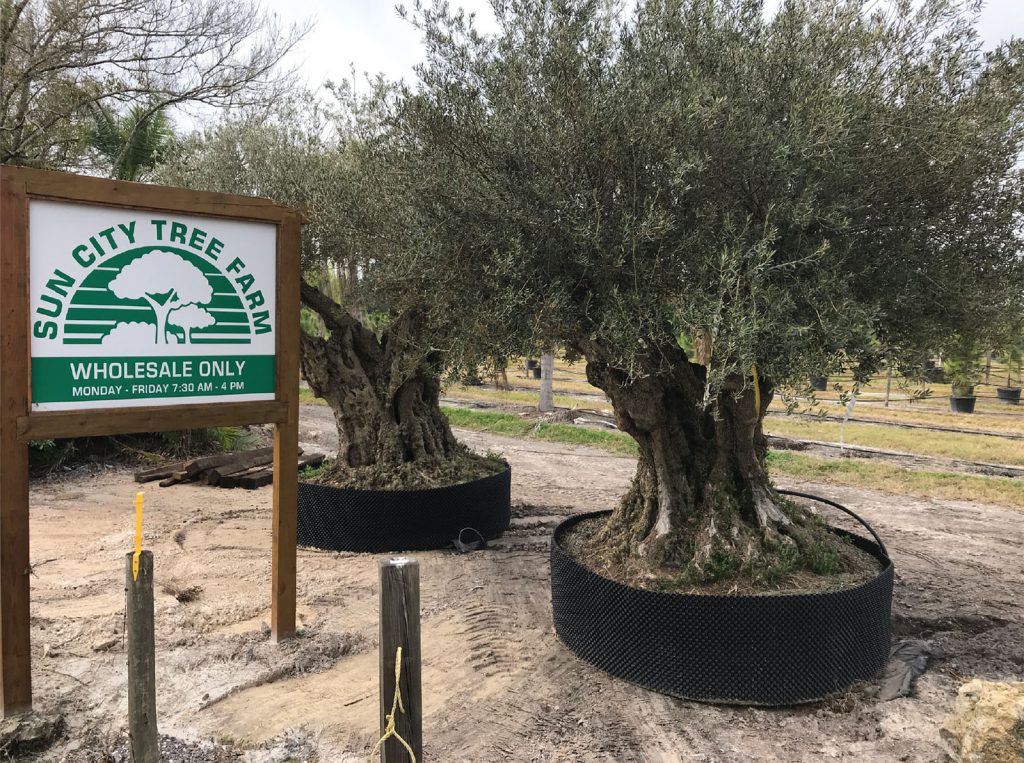
The history of olives in Florida actually dates back much further than most modern tourists realize. Spanish settlers first brought olive trees to the United States via St. Augustine in the 1700s. While those early attempts were largely for personal use or small-scale survival, they laid the groundwork for the modern industry. Today, the University of Florida leads the charge in researching how these trees adapt to the unique soil and moisture levels of the Southeast.
In Gainesville, researchers work alongside the Florida Olive Council to identify which varieties can handle the “chill hour” requirements—the specific number of cold hours needed to induce flowering—without succumbing to the intense summer humidity. This scientific backbone has given local farmers the confidence to open their gates to the public, creating a new niche for travelers looking for an authentic, farm-to-table experience.
Climate and Cultivars
For the nature-focused traveler, understanding the landscape is part of the journey. In North Florida, particularly around Tallahassee and Green Cove Springs, the winters are cool enough to satisfy the trees’ biological clocks. The primary varieties finding success are Arbequina, Koroneiki, and Manzanilla.
Arbequina, originally from Spain, is the most popular choice for Florida growers due to its high adaptability and relatively small stature, making it perfect for the high-density planting often seen in modern groves. Visitors to these farms will notice that the trees are often meticulously pruned to manage the moisture that rolls in from the Gulf of Mexico and the Atlantic Ocean.
Exploring the Groves: Florida’s Agritourism Gems
The rise of the Florida olive has birthed a series of stunning destinations that offer more than just a harvest; they offer a sensory immersion into a lifestyle of slow food and sustainable agriculture. From the rolling hills of the interior to the flatlands of the coast, these groves are becoming essential stops for anyone interested in the local culture and natural beauty of the region.
The Hub of Olive Tourism in Central Florida
Ocala and the surrounding Marion County have emerged as the heart of the state’s olive movement. Known primarily for its equestrian culture, this area provides the perfect rolling topography and well-drained soil that olive trees crave. Travelers visiting Ocala can spend their mornings watching world-class horses and their afternoons wandering through rows of shimmering olive leaves.
One of the standout locations is the Florida Olive Council experimental sites, but private ventures like those near The Villages and Lady Lake have also begun to attract visitors. These sites often host seasonal events, where tourists can learn about the pressing process and the chemistry that makes extra virgin olive oil so prized.
Emerging Orchards in the South and East
While North Florida holds the climate advantage, innovative growers in Central Florida cities like DeLand and Lakeland are proving that olives can be a lifestyle crop even in warmer zones. In Volusia County, smaller boutique groves are becoming popular backdrops for photography and nature walks.
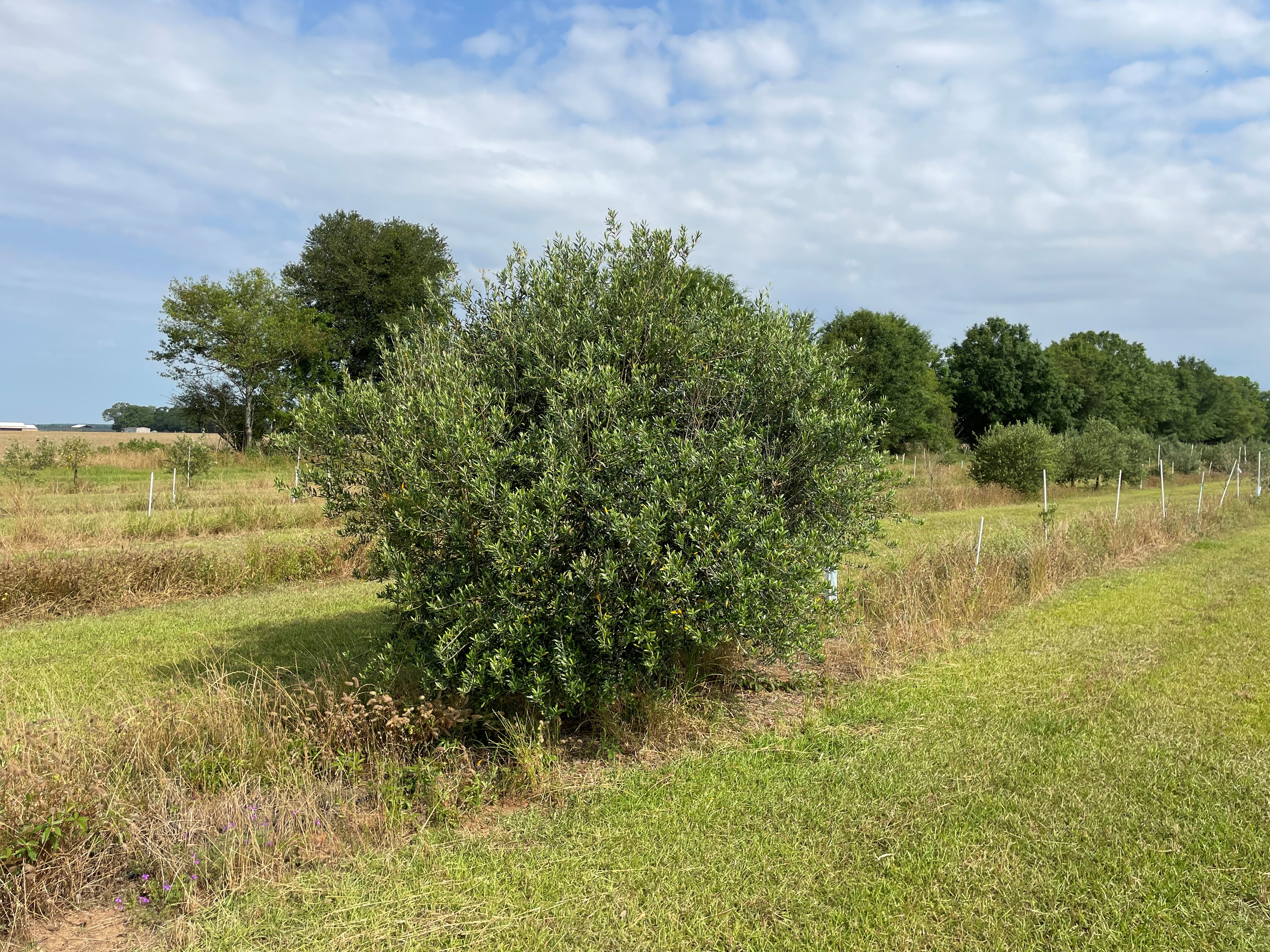
Further south, near Loxahatchee, some adventurous growers are testing the limits of the tropical heat. While commercial production is more challenging here, the trees themselves are increasingly used in upscale landscaping, adding a touch of European elegance to South Florida estates. For the traveler, this means that even if you are staying in Miami or Fort Lauderdale, a short drive inland can reveal a completely different side of Florida nature.
Culinary Culture and the Rise of Liquid Gold
Tourism in Florida is increasingly driven by the palate. As the state embraces the “Fresh From Florida” movement, the local olive oil industry is finding its place on the menus of high-end resorts and local bistros alike. For the food-motivated traveler, the hunt for Florida olive oil is an adventure in itself.
Tasting Tours and Farm-to-Table Experiences
Much like a winery tour in Napa Valley or Tuscany, Florida olive farms are beginning to offer curated tasting experiences. These tours often start with a walk through the grove, explaining the differences between a Greek Koroneiki and a Spanish Arbequina.
The highlight, however, is the tasting room. Freshly pressed Florida olive oil has a distinct profile—often described as grassy, peppery, and incredibly vibrant compared to the mass-produced oils found in supermarkets. Visitors are taught how to “slurp” the oil to aerate it, releasing the complex phenols that are characteristic of high-quality extra virgin olive oil. This educational component adds a layer of sophistication to the tourism experience, transforming a simple farm visit into a culinary masterclass.
Integrating Local Flavors
The beauty of the Florida olive scene is how it intersects with other local industries. It is not uncommon to find olive oil infusions featuring Florida citrus, datil peppers from St. Augustine, or even local herbs. In cities like Orlando and Tampa, artisan markets frequently showcase these local oils alongside sourdough breads and regional cheeses.
For many travelers, these local products serve as the ultimate souvenir. Bringing home a bottle of oil from a grove in Winter Haven or Green Cove Springs is a way to carry the essence of the Florida countryside back to their own kitchens.
Practical Tips for the Nature-Loving Traveler
If you are planning a trip to explore the burgeoning olive landscape of Florida, a little bit of preparation goes a long way. This is a young industry, and the experiences are often more intimate and less commercialized than the major theme parks.
Best Times to Visit
To see the groves at their most picturesque, consider visiting in the late spring when the trees are in bloom. The flowers are small and white, but they fill the air with a subtle, sweet fragrance. However, if your goal is to witness the harvest and the pressing process, late summer and early autumn (typically August through October) are the peak months.
Keep in mind that Florida weather can be unpredictable. When visiting groves in the interior of the state, such as near Gainesville, be prepared for heat and humidity. Morning tours are highly recommended to avoid the midday sun.

Supporting the Local Economy
Many of the olive groves in Florida are family-owned operations. When you visit, you are often speaking directly with the person who planted the trees. Engaging with these local entrepreneurs is one of the most rewarding aspects of olive tourism.
Beyond buying oil, many farms offer related products like olive leaf tea, which is prized for its antioxidant properties, and olive-wood crafts. By choosing to visit these smaller landmarks, travelers contribute to the diversification of Florida agriculture and help preserve the green spaces that make the state’s interior so beautiful.
As the industry continues to mature, we can expect to see even more infrastructure for tourists, including boutique accommodations nestled within the groves and expanded tasting festivals. For now, the “olive trail” through Florida remains a hidden gem—a slice of Mediterranean charm tucked away in the heart of the American South, waiting to be discovered by those who appreciate the intersection of nature, history, and gastronomy.
LifeOutOfTheBox is a participant in the Amazon Services LLC Associates Program, an affiliate advertising program designed to provide a means for sites to earn advertising fees by advertising and linking to Amazon.com. Amazon, the Amazon logo, AmazonSupply, and the AmazonSupply logo are trademarks of Amazon.com, Inc. or its affiliates. As an Amazon Associate we earn affiliate commissions from qualifying purchases.