
The seasonal rhythms of Florida are often defined by more than just the sunshine and the influx of winter visitors. For many travelers planning a getaway to the Sunshine State, the primary concern during the latter half of the year revolves around the atmospheric conditions brewing in the Atlantic Ocean and the Caribbean Sea. The emergence of Tropical Storm Sara has reignited the perennial question: will this system make landfall on the peninsula? For the tourism industry, the answer involves a complex intersection of meteorological tracking, emergency preparedness, and the resilient spirit of local communities that have spent decades mastering the art of hospitality under pressure.
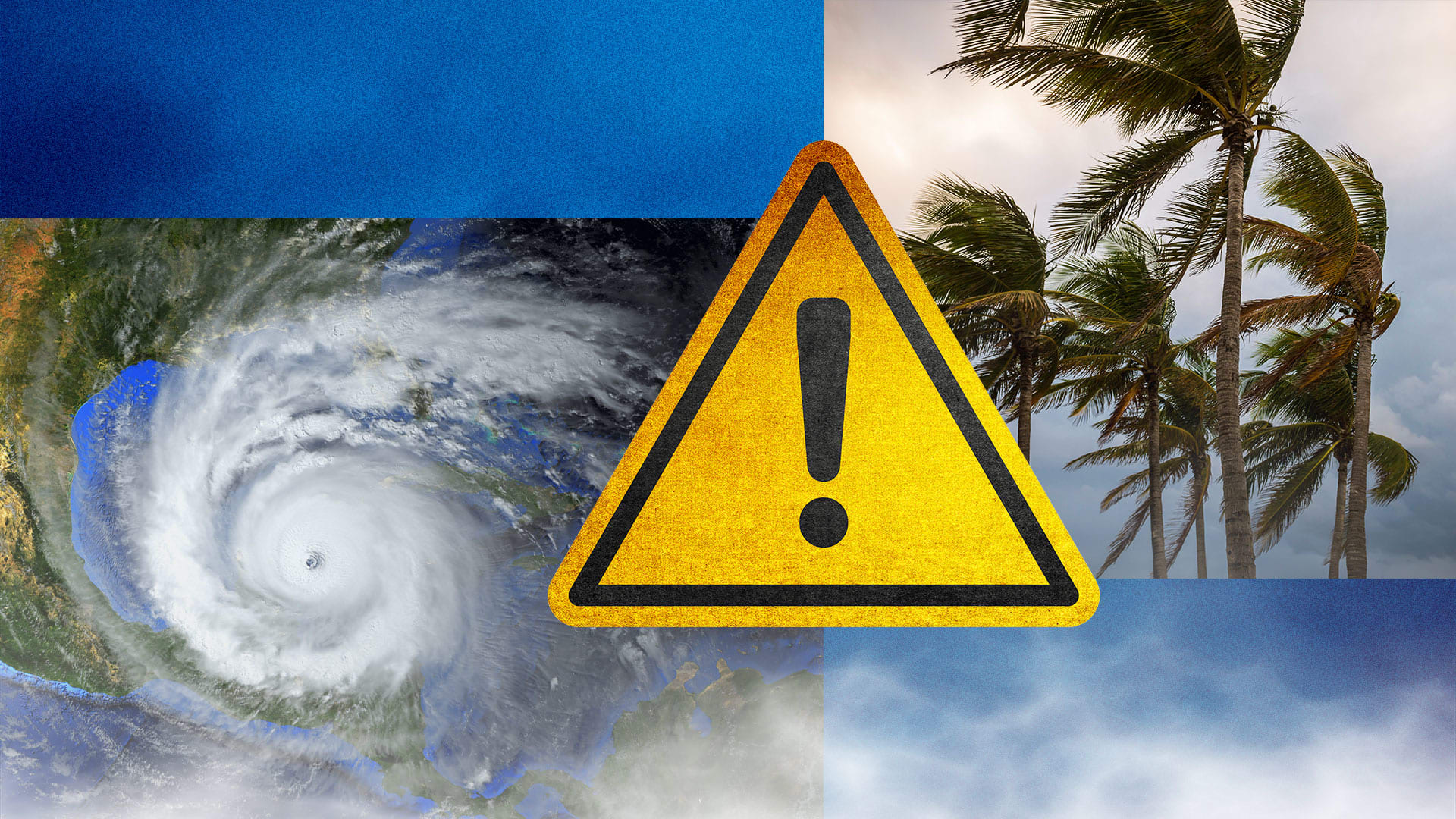
Understanding the Path and Potential Impact of the Storm
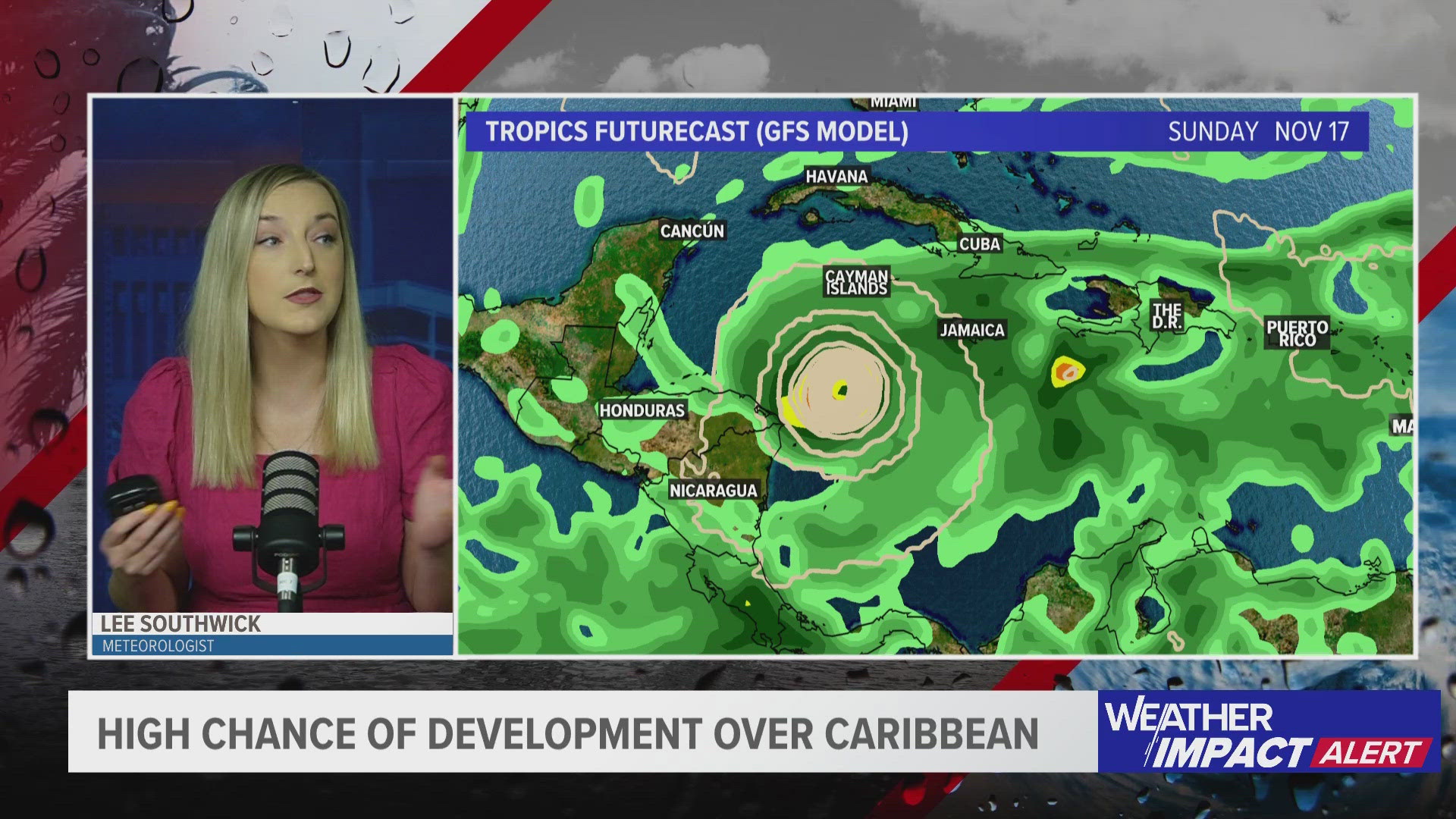
Predicting the trajectory of a system like Tropical Storm Sara requires a close look at the atmospheric steering currents currently present over the Gulf of Mexico. Historically, late-season storms often take a winding path through the western Caribbean, impacting nations like Honduras and Nicaragua before pivoting north toward the United States. For tourists, the uncertainty of these paths can be daunting, but understanding the local response mechanisms can provide significant peace of mind.
The Role of the National Hurricane Center
When a system begins to organize, the National Hurricane Center in Miami becomes the nerve center for all travel-related updates. Tourism boards across the state, from Visit Florida to local chambers of commerce, rely on these data points to communicate with visitors. While the cone of uncertainty might initially encompass the entire state, the tourism sector remains agile. Hotels and resorts often have “hurricane guarantees” that allow for flexible cancellations or rescheduling if a storm enters the projected path, ensuring that a visitor’s investment is protected.
Regional Vulnerabilities and Visitor Safety
The geographic diversity of Florida means that a storm hitting the Florida Panhandle will have a vastly different impact on tourism than one approaching the Florida Keys. In South Florida, infrastructure is highly specialized to handle significant rainfall and wind. However, for tourists visiting low-lying areas like Key West, early awareness is vital. The local culture in these regions is one of extreme caution and communal support, where visitors are often treated like neighbors during the preparation phase. If evacuations are ordered, the process is streamlined to ensure that tourists are given priority on the roads and bridges connecting the islands to the mainland.
The Resilience of Florida’s Tourism Hubs
When news of a potential storm like Tropical Storm Sara breaks, many travelers worry that their entire itinerary will be ruined. In reality, Florida is uniquely equipped to maintain its tourist appeal even when the weather turns sour. The major hubs of the state have developed “weather-proof” tourism models that allow the local economy and culture to thrive regardless of the forecast.
The Theme Park Capital: Orlando
In Orlando, the world-renowned theme parks like Walt Disney World Resort and Universal Orlando Resort operate with high-level safety protocols. These destinations are designed as “cities within cities,” featuring their own power grids and sophisticated drainage systems. Even if Tropical Storm Sara brings heavy rain to central Florida, the parks often remain open with limited disruptions. For tourists, this means that while a “beach day” might be off the table, the magical experiences of Magic Kingdom or Islands of Adventure can often continue with smaller crowds and shorter wait times.
Coastal Tourism and the Gulf Coast
The Gulf Coast cities, including Tampa, St. Petersburg, and Sarasota, offer a different kind of resilience. These areas are home to a rich array of indoor cultural institutions that provide refuge and entertainment during storms. For example, a visit to the Salvador Dali Museum in St. Petersburg offers a world-class artistic experience inside a building specifically engineered to withstand major hurricanes. Similarly, the Florida Aquarium in Tampa allows families to learn about marine life without having to brave the elements on a boat tour.
Tourism Tips: Navigating the Uncertainty
For those with upcoming trips, the potential of Tropical Storm Sara making its way toward the United States doesn’t necessarily mean a cancellation is in order. Instead, it requires a shift in the tourism mindset toward adaptability and local engagement.
Communicating with Local Experts
One of the best things a visitor can do is maintain direct communication with their accommodation and local tour operators. Whether you are staying at a boutique hotel in South Beach or a rental home in Destin, the staff on the ground are the best source of real-time information. They can provide insights into local grocery store hours, flood-prone streets to avoid, and which local restaurants are likely to stay open. Engaging with the “storm culture” of Florida can actually be an insightful experience, as you see how the community comes together to secure shutters and prepare for the wind.
Embracing Indoor Cultural Activities
If the weather prevents a trip to Everglades National Park or a day of snorkeling in John Pennekamp Coral Reef State Park, look toward the state’s indoor treasures. In Miami, the Frost Science Museum and Vizcaya Museum and Gardens offer historical and educational value that remains largely unaffected by tropical rainfall. In the northern part of the state, the Kennedy Space Center near Cape Canaveral provides massive indoor complexes where the history of space exploration can be explored regardless of the clouds outside.
The Local Flavor: Storm Cuisines and Traditions
There is a unique subculture in Florida that emerges when a tropical system is on the horizon. For the curious tourist, this is a chance to experience an authentic side of the state that isn’t found in brochures.
The “Hurricane Party” Phenomenon
While safety is always the priority, many locals in cities like Fort Lauderdale and Jacksonville have a tradition of gathering with neighbors to weather the storm. This often involves specific “hurricane snacks”—think non-perishables turned into creative appetizers. Many local breweries and bars remain open until the very last moment before a storm hits, creating a communal atmosphere where stories are shared and the tension is broken with local humor. Finding a local pub in Tallahassee or Gainesville during a storm watch can offer a masterclass in Floridian social dynamics.
Shopping Local and Preparedness
Tourism during a storm watch also means supporting the local economy in ways you might not have planned. Visiting a local hardware store or an independent grocery shop in Naples or Fort Myers can show you the efficiency of the local supply chain. It is also an opportunity to practice responsible tourism by ensuring you have your own basic supplies—water, batteries, and snacks—so as not to over-rely on the resources of the local hospitality staff who may be tending to their own homes and families.
Post-Storm Tourism and Economic Support
If Tropical Storm Sara does impact Florida, the period immediately following its departure is a critical time for tourism. The state’s economy relies heavily on the return of visitors to ensure that local businesses can recover and rebuild.
The Speed of Recovery
One of the most impressive aspects of Florida tourism is the speed of recovery. Cities like Sanibel Island and Fort Myers Beach have demonstrated incredible resilience following past storms, often reopening shops and restaurants within weeks or even days. For tourists, visiting these areas post-storm is one of the most effective ways to contribute to the community’s restoration. By dining at a local cafe in St. Augustine or booking a charter boat in Clearwater, you are providing the capital needed for locals to get back on their feet.

Looking Ahead to the Winter Season
As the United States moves into the colder months, Florida remains the premier destination for those seeking warmth. Regardless of the outcome of Tropical Storm Sara, the tourism infrastructure of the state is built to endure. The palm trees of West Palm Beach and the historic streets of Pensacola will continue to welcome travelers with the same warmth that has made the state a global icon. Staying informed, being flexible, and respecting the power of nature are the keys to a successful trip, ensuring that your experience of Florida remains vibrant, whether the sun is shining or the tropical rain is falling.
LifeOutOfTheBox is a participant in the Amazon Services LLC Associates Program, an affiliate advertising program designed to provide a means for sites to earn advertising fees by advertising and linking to Amazon.com. Amazon, the Amazon logo, AmazonSupply, and the AmazonSupply logo are trademarks of Amazon.com, Inc. or its affiliates. As an Amazon Associate we earn affiliate commissions from qualifying purchases.