
The question of cannabis legalization in Texas is more than just a legislative debate; it’s a profound exploration into the future of the state’s cultural identity, economic landscape, and, significantly, its tourism potential. As more states across the United States embrace various forms of cannabis reform, the Lone Star State, known for its deep-rooted conservative values and independent spirit, finds itself at a crossroads. For visitors and travel enthusiasts, the implications of such a shift could redefine the very nature of a Texas experience, from urban explorations in Austin to the sprawling landscapes of the Big Bend National Park. Understanding this evolving dynamic is key to appreciating how a legalized cannabis market could integrate into the state’s vibrant tourism sector, offering new activities, shaping local culture, and necessitating fresh tips for travelers.
The Evolving Landscape of Cannabis Policy in Texas
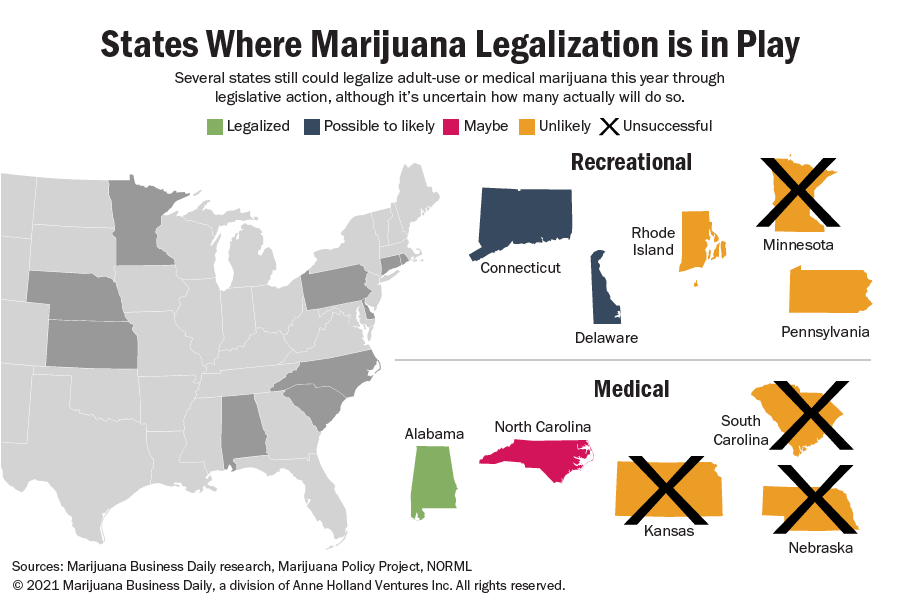
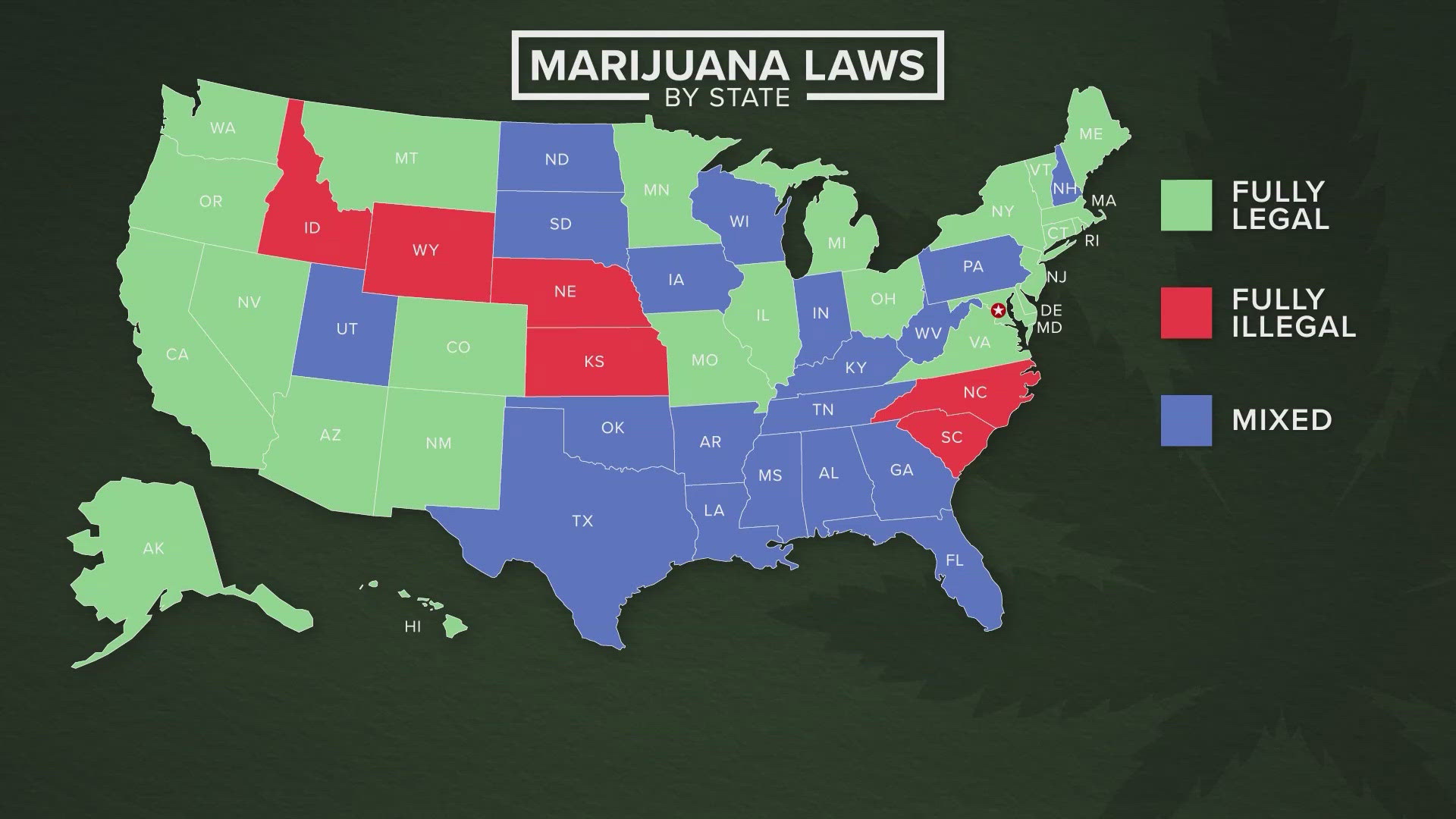
Texas has historically maintained a staunchly conservative stance on cannabis, largely resisting the wave of recreational legalization that has swept across other parts of the nation. Despite this, there’s a palpable shift occurring, driven by changing public opinion, economic incentives, and the pragmatic realities witnessed in neighboring states. The current legal framework in Texas is complex, with varying degrees of decriminalization in cities like Austin and Dallas, and a restricted medical marijuana program. However, full recreational legalization remains a distant, yet increasingly discussed, prospect.
Current Stance and Legislative Hurdles
Currently, cannabis in Texas is classified as a Schedule I controlled substance. Possession of even small amounts can lead to misdemeanor charges, fines, and potential jail time, though many jurisdictions have adopted “cite and release” policies or significantly reduced penalties. The Texas Compassionate Use Program, established in 2015, allows for low-THC cannabis to treat a limited number of medical conditions, a program far more restrictive than those in most other states.
Legislative efforts to expand medical access or decriminalize recreational use have faced significant hurdles in the Texas Legislature. The state’s predominantly Republican Party leadership has historically been resistant to widespread reform, citing concerns about public safety and health. However, a growing bipartisan coalition, including some Republicans, has begun to acknowledge the economic benefits and popular support for reform. This internal political tension suggests that while immediate full legalization may not be on the horizon, incremental changes, driven by growing public support and successful models in states like Colorado and California, are becoming more plausible. For tourism, even minor shifts in policy could begin to influence travel decisions, with visitors from more permissive states perhaps weighing their options carefully when planning a trip to Texas.
The Influence of Neighboring States
The evolving cannabis laws in adjacent states like New Mexico, Oklahoma, and even Louisiana (with its expanding medical program) exert considerable pressure on Texas. New Mexico’s full recreational legalization has created a significant economic boon, drawing Texas residents across the border. Similarly, Oklahoma’s surprisingly liberal medical cannabis market has flourished, demonstrating the potential for substantial tax revenue and job creation. This “green drain,” where Texas residents spend their money and tax dollars elsewhere, is a compelling argument for legalization advocates. From a tourism perspective, this means Texas is currently missing out on a burgeoning sector of travel—cannabis tourism—that could attract new demographics and significant revenue.
Potential Impact on Texas Tourism
If Texas were to legalize cannabis, the impact on its tourism industry would be transformative, potentially opening up new markets, creating unique attractions, and generating substantial economic activity. This shift would position Texas as a diverse destination, not just for its BBQ and rodeos, but also for a sophisticated and regulated cannabis experience.
The Rise of Cannabis Tourism
Cannabis tourism refers to travel motivated, in whole or in part, by the desire to consume cannabis or participate in cannabis-related activities. States like Colorado and Nevada have successfully leveraged legalization to boost their visitor economies, with everything from cannabis-friendly accommodations and tours to educational experiences and wellness retreats. For Texas, this could mean a new wave of visitors seeking:
- Cannabis-Friendly Accommodations: Hotels, resorts, or even dedicated cannabis lounges where consumption is permitted.
- Curated Tours: Experiences like “weed and wine” pairings in the Texas Hill Country, farm-to-table cannabis dining, or guided “puff-and-paint” art classes in urban centers like Houston.
- Wellness and Spa Retreats: Incorporating CBD and THC products into spa treatments, yoga, and meditation.
- Event Tourism: Cannabis festivals, expos, and conventions, potentially complementing existing major events like South by Southwest in Austin, drawing a diverse international audience.
This new niche could significantly diversify the state’s tourism offerings, attracting younger demographics, wellness-focused travelers, and those interested in unique cultural experiences.
Economic Benefits and New Attractions
Beyond direct tourism revenue, legalization would spark new economic opportunities across various sectors. Tax revenues from cannabis sales could be directed towards public services, education, or infrastructure projects, further enhancing the state’s appeal. The cultivation, processing, and retail of cannabis would create thousands of jobs, from agricultural workers in the Rio Grande Valley to budtenders in San Antonio.
New attractions would naturally emerge. Imagine cannabis dispensaries designed as architectural marvels, interactive museums detailing the history of hemp and cannabis in Texas, or even dedicated “cannabis districts” in major cities, akin to entertainment zones but with a focus on adult-use cannabis consumption and related activities. These would not replace existing attractions but rather complement them, adding another layer to the rich tapestry of Texas culture.
Navigating the Cultural and Social Landscape
The integration of cannabis into Texas’s tourism fabric would not be without its challenges, primarily due to the state’s conservative traditions and diverse demographics. Public perception, local acceptance, and the establishment of responsible tourism practices would be crucial for a smooth transition.
Balancing Tradition with Modernity
Texas is a state proud of its heritage, often seen as a bastion of traditional values. Introducing a legal cannabis market would require a delicate balance between preserving this identity and embracing modern social shifts. While younger generations and urban populations in cities like Austin and Houston are generally more open to legalization, rural communities and older demographics might harbor reservations.
For tourism, this means that initial cannabis-friendly offerings might concentrate in more progressive urban areas or specific, designated zones. Marketing efforts would need to be nuanced, ensuring that Texas does not alienate its existing visitor base while simultaneously attracting new cannabis-curious travelers. This could involve careful zoning regulations, public education campaigns, and a focus on integrating cannabis tourism seamlessly into existing cultural experiences rather than creating a separate, potentially jarring, industry.
Responsible Tourism and Local Integration
A key aspect of successful cannabis tourism lies in establishing robust regulations and promoting responsible consumption. Tourists new to cannabis, or visiting from areas where it is illegal, would require clear guidelines on legal purchase limits, consumption areas, and potential impairment. This is vital not only for public safety but also for ensuring positive interactions between visitors and local communities.
Tourism operators would need to be educated on responsible service, much like the alcohol industry. “Don’t drive high” campaigns, clear signage about public consumption rules, and readily available information on safe usage would be paramount. The goal would be to integrate cannabis tourism as a natural, regulated part of the Texas experience, enhancing rather than detracting from the state’s appeal. This could even lead to new types of “wellness retreats” where cannabis consumption is managed and guided, focusing on responsible and beneficial use.
What a Legalized Future Could Look Like for Texas Tourism
Envisioning a future where cannabis is legal in Texas paints a picture of a more dynamic and diverse tourism landscape. The state’s vastness and variety, from cosmopolitan cities to rugged wilderness, offer an unparalleled canvas for creative cannabis tourism experiences.
New Activities and Experiences
With legalization, Texas could pioneer unique tourism activities tailored to its specific character:
- Cannabis-Infused Culinary Trails: Building on Texas’s legendary food scene, specialized restaurants and food trucks could offer cannabis-infused dishes, creating new culinary destinations. Imagine a BBQ joint in Lockhart offering cannabis-infused sauces, or a fine dining experience in Dallas with THC-paired tasting menus.
- Outdoor Adventure and Cannabis: For the active traveler, guided hikes, fishing trips, or stargazing experiences in remote areas like the Davis Mountains could be combined with responsible cannabis consumption, offering a unique way to connect with Texas’s natural beauty.
- Historical and Educational Tours: The rich history of hemp cultivation in early America could be explored, with tours of cannabis farms (similar to vineyard tours) explaining the plant’s journey from cultivation to consumption.
These activities would not only attract new tourists but also offer existing visitors novel ways to experience the state.
Distinct Cannabis Tourism Hubs
Given the size and diversity of Texas, it’s likely that distinct cannabis tourism hubs would emerge. Austin, with its “Keep Austin Weird” ethos, could become a mecca for experimental cannabis culture, live music, and unique dispensaries. Houston, a global city, might see high-end cannabis lounges and exclusive wellness resorts catering to luxury travelers. Dallas could host major cannabis industry conventions and expos, leveraging its robust business infrastructure. Even smaller towns, particularly those with a vibrant arts scene or natural attractions, could develop their own unique cannabis-friendly offerings.
These hubs would contribute to a more nuanced perception of Texas, showcasing its ability to evolve while retaining its distinct character. The presence of regulated, safe, and culturally integrated cannabis experiences would not only boost the local economy but also enrich the overall tourism narrative of the state.
In conclusion, while the path to cannabis legalization in Texas is complex and fraught with political and social challenges, the undeniable economic and cultural potential for its tourism sector makes it a discussion that continues to gain momentum. Should the Lone Star State ever decide to embrace recreational cannabis, it would not merely be a legal reform but a redefinition of its identity, offering visitors a wholly new and exciting way to experience all that Texas has to offer.
LifeOutOfTheBox is a participant in the Amazon Services LLC Associates Program, an affiliate advertising program designed to provide a means for sites to earn advertising fees by advertising and linking to Amazon.com. Amazon, the Amazon logo, AmazonSupply, and the AmazonSupply logo are trademarks of Amazon.com, Inc. or its affiliates. As an Amazon Associate we earn affiliate commissions from qualifying purchases.