
The question of whether Texas, the second-largest state in the United States, will legalize cannabis in 2024 is more than just a political debate; it’s a potential game-changer for its vast tourism, hospitality, and lifestyle sectors. Known for its fiercely independent spirit, diverse landscapes ranging from the deserts of Big Bend National Park to the vibrant cities of Austin, Dallas, Houston, and San Antonio, Texas stands at a pivotal crossroads. As other states reap significant economic benefits from cannabis legalization, the pressure mounts on the Lone Star State to consider a similar path. For travelers, hoteliers, and those interested in the evolving cultural fabric, the prospect of legal cannabis in Texas represents a fascinating blend of opportunities and challenges, promising to reshape how visitors experience this iconic destination.
The Shifting Sands of Cannabis Legislation in the Lone Star State
The legislative landscape surrounding cannabis in Texas has been historically conservative, but recent years have shown a discernible shift. While full recreational legalization might seem a distant dream to some, incremental changes and growing public support indicate that 2024 could be a significant year for the conversation, if not definitive action.
Current Status and Political Momentum
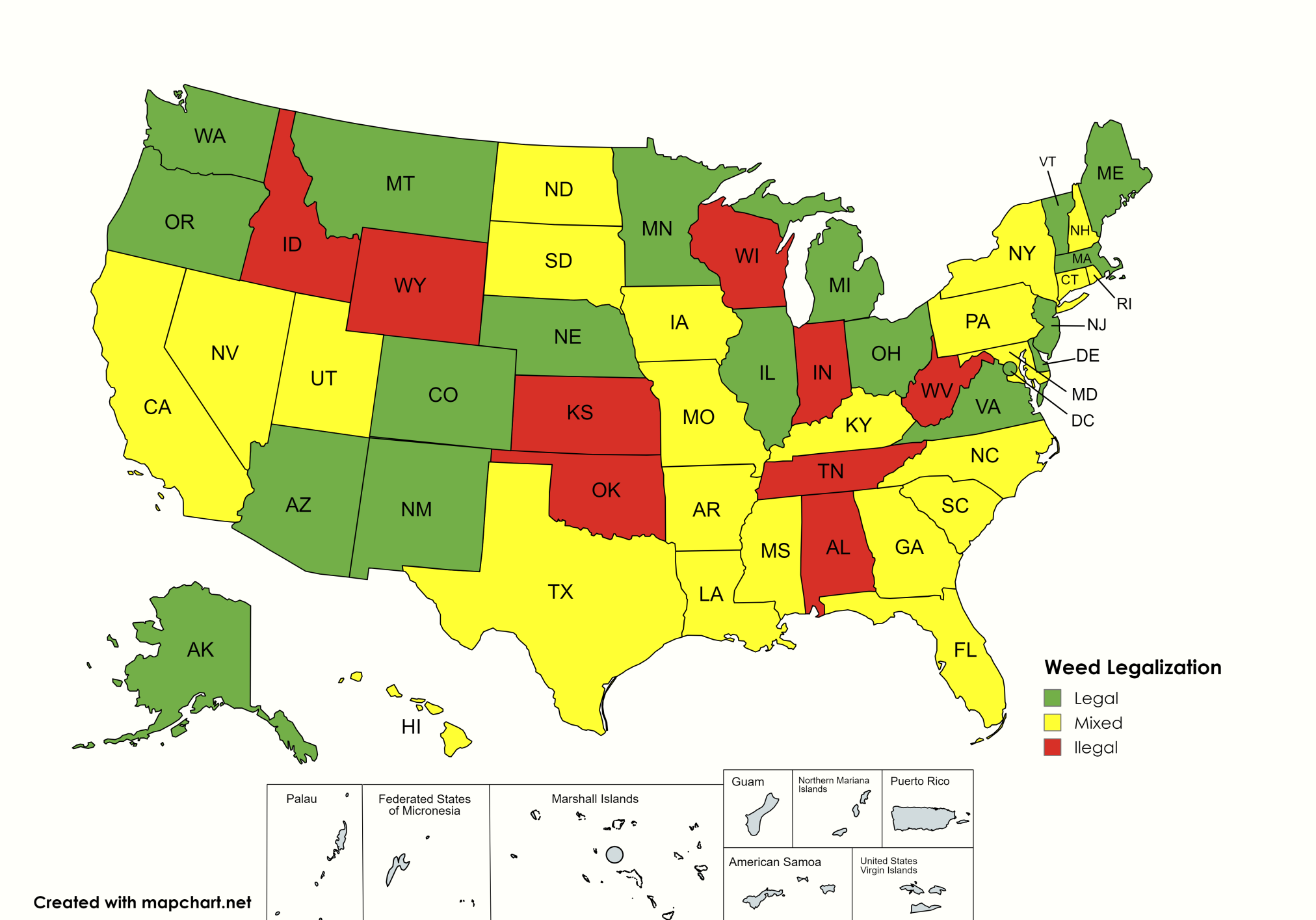
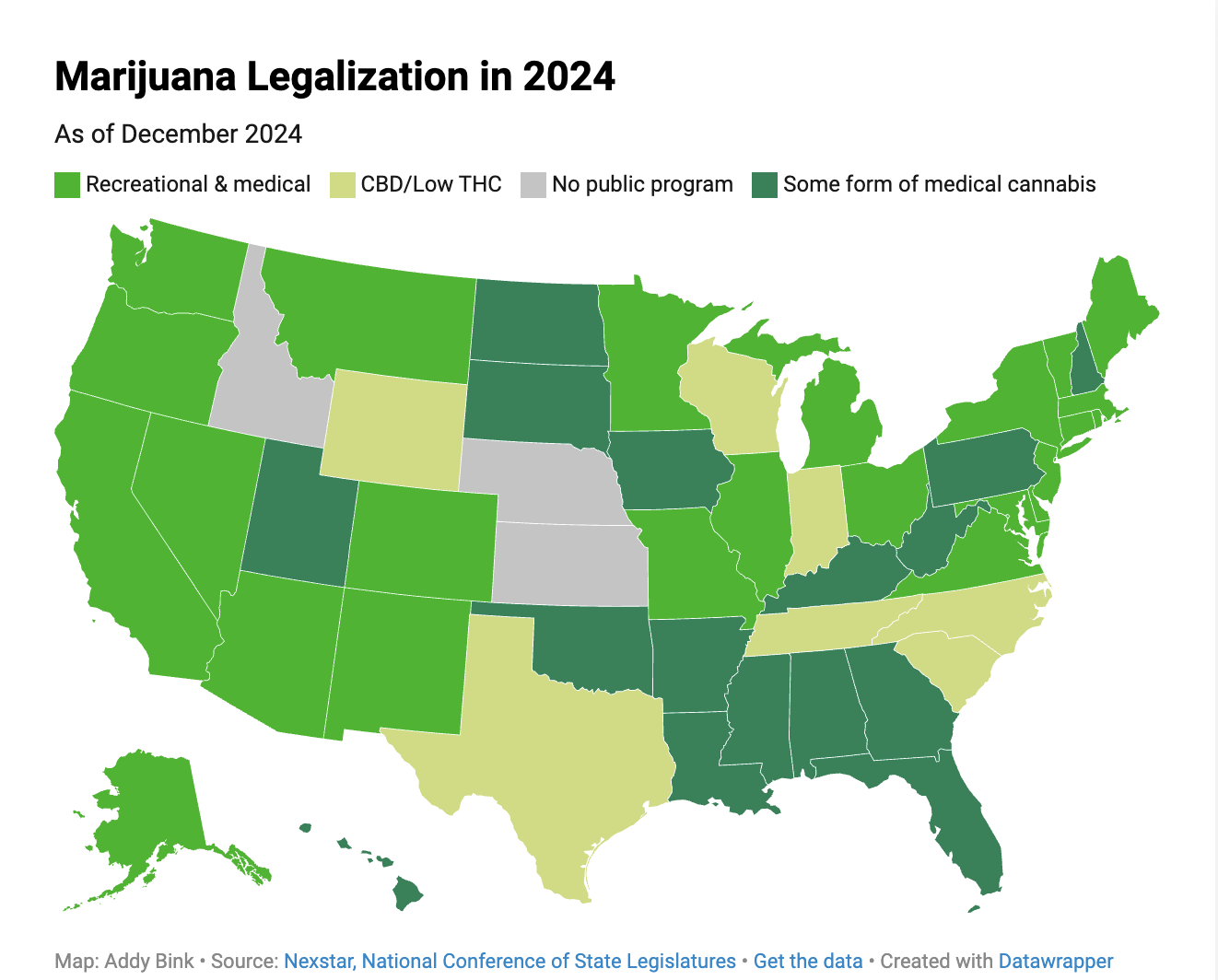
Currently, cannabis remains illegal for recreational use in Texas. Medical cannabis is permitted, but under one of the strictest programs in the United States, limited to low-THC cannabis (less than 0.5% THC by weight) for specific debilitating conditions. This restrictive approach contrasts sharply with states like Colorado and California, where full adult-use markets are thriving.
Despite this conservative stance, there’s undeniable momentum building for reform. Public opinion polls consistently show a majority of Texans support some form of cannabis legalization, whether for medical expansion or full adult-use. This growing support is reflected in the increased number of cannabis-related bills introduced in the state legislature, even if most ultimately fail to pass. Key figures from both sides of the political spectrum have begun to acknowledge the economic and criminal justice implications of the current prohibition. Texas cities, particularly progressive hubs like Austin, have also taken local action, with voters in several municipalities approving measures to decriminalize low-level cannabis possession, significantly reducing arrests and signaling a desire for broader change. This patchwork of local policies underscores the statewide tension and provides a preview of potential future directions.
Why 2024 is a Pivotal Year
The year 2024 holds particular significance for the cannabis debate in Texas for several reasons. It’s an election year, meaning politicians are more attuned to public sentiment and the potential for voter turnout. Issues like state revenue generation – a consistent concern for a state as large and fast-growing as Texas – could push cannabis legalization further into the spotlight. The economic success stories from neighboring states like Oklahoma (with its robust medical market) and New Mexico (which launched adult-use sales in 2022) are hard for Texas lawmakers to ignore. The lure of new tax revenue that could fund education, infrastructure, or other public services presents a compelling argument against continued prohibition.
Furthermore, the federal stance on cannabis continues to evolve. While still federally illegal, the increasing number of states legalizing it, coupled with growing bipartisan support in Washington D.C. for federal reform, creates a more favorable environment. If federal rescheduling or descheduling of cannabis occurs, it would significantly ease the path for states like Texas to act without fear of federal repercussions, potentially unlocking a booming industry that could redefine travel, tourism, and lifestyle across the state.
A Green Rush for Texas Tourism and Hospitality?
If Texas were to legalize cannabis, the impact on its already booming tourism and hospitality industries would be profound, potentially creating a “green rush” for the state’s economy.
Unlocking New Tourist Demographics
Legal cannabis would immediately position Texas as a new and exciting destination for “cannabis tourism.” This demographic includes not only recreational users actively seeking cannabis-friendly experiences but also curious travelers looking to explore a burgeoning subculture. Think of visitors from states where cannabis is still illegal, or international tourists from Mexico and beyond, who would be drawn to the novelty and accessibility. Cities like Austin, with its “Keep Austin Weird” ethos and vibrant music scene, or San Antonio with its historic River Walk and the Alamo, could become prime destinations for those seeking unique cultural experiences alongside legal cannabis. The Hill Country, already popular for its wineries in areas like Fredericksburg, could see a rise in “cannabis farm tours” or tasting experiences, mirroring the success of wine tourism. This influx would not only boost direct spending on cannabis products but also on flights, accommodation, dining, and other attractions, creating a ripple effect across the entire travel ecosystem.
The Accommodation Revolution: Hotels, Resorts, and Beyond
The hospitality sector would undergo a significant transformation. Hotels, resorts, and vacation rentals would need to adapt to cater to this new market. We could see the emergence of cannabis-friendly hotels, offering designated consumption areas, or even specialized “bud and breakfast” establishments. Major hotel chains such as Marriott International, Hilton Hotels, and Four Seasons Hotels and Resorts would likely develop brand standards and policies for cannabis use, potentially offering a new tier of luxury or boutique experiences. Imagine a stay at the W Hotel Austin or the historic Hotel Emma in San Antonio with discrete, premium cannabis offerings, or a more budget-friendly Grand Hyatt Dallas providing guidance on local dispensaries.
Beyond traditional hotels, the short-term rental market (think Airbnb or VRBO) would likely see a surge in demand for properties advertising as cannabis-friendly, offering a more private and personalized experience for visitors. This expansion would necessitate new regulations and classifications for accommodation types, ensuring responsible tourism while maximizing economic benefit. The demand for various amenities, from specialized air purification systems to educational resources for guests, would create new business opportunities and employment within the sector.
Culinary Delights and Unique Experiences
Legalization would also spark innovation in the culinary and entertainment scenes. Edible cannabis products could become a staple of Texas’ diverse food culture, from gourmet infused dinners in Dallas’ Deep Ellum district to more casual cannabis-infused BBQ joints. “Puff and Paint” classes, cannabis cooking workshops, and guided tasting tours could become popular attractions, offering unique recreational activities for tourists and locals alike.
Major events like South by Southwest in Austin, RodeoHouston, or the Austin City Limits Music Festival could explore cannabis sponsorships or designated consumption zones, much like similar events in Colorado or California. This integration would enhance the overall visitor experience and further cement Texas’ reputation as a progressive and dynamic destination. Beyond the metropolitan areas, outdoor enthusiasts exploring places like Enchanted Rock State Natural Area or the Gulf Coast could find new businesses catering to discrete consumption and nature-based cannabis experiences.
Redefining Lifestyle and Local Culture
The legalization of cannabis in Texas would ripple through the state’s lifestyle and local culture, impacting everything from social gatherings to economic development and community dynamics. It would mark a significant shift in how Texans and visitors perceive and interact with this substance, leading to new cultural norms and entrepreneurial ventures.
Cannabis and the Texas Social Scene
In a state celebrated for its lively social scene, from backyard BBQs to honky-tonk dances, cannabis could find a natural place. It might influence social rituals, providing an alternative to alcohol for relaxation and celebration. Public consumption laws would dictate where and how cannabis can be enjoyed, but private social clubs, lounges, and designated consumption areas could flourish, offering safe and regulated environments. This could foster a new layer of community and social interaction, particularly in urban centers.
Furthermore, the “cannabis lifestyle” extends beyond consumption to fashion, art, and wellness. We could see local Texas brands emerge, creating cannabis-inspired apparel, accessories, and wellness products. The existing wellness tourism trend, which includes spa retreats and holistic health centers, could integrate CBD and THC-infused treatments, offering new avenues for relaxation and therapy to both residents and visitors seeking a more balanced lifestyle amidst the fast pace of modern life. This integration would provide unique experiences not readily available in other, less cannabis-friendly regions.
Economic Windfalls and Community Impact
The economic impact of legal cannabis would be multifaceted and substantial. Beyond direct tax revenues for the state, which could reach hundreds of millions annually based on projections from other legal states, there would be a boom in job creation. This would span cultivation, processing, distribution, retail, and ancillary services like security, marketing, and legal counsel. Small businesses, a cornerstone of the Texas economy, would have new opportunities to innovate and grow within the cannabis ecosystem. This entrepreneurial spirit aligns perfectly with the Texas ethos of self-reliance and innovation.
Moreover, legalization could lead to a significant boost in property values in areas zoned for cannabis businesses, attracting new investors and developers. Communities could see revitalization through new commercial developments and increased foot traffic. The broader economic benefits could extend to real estate, banking, and agriculture, providing diversified income streams for a state often associated primarily with oil and gas. For instance, the vast agricultural lands of Texas could be repurposed for industrial hemp and cannabis cultivation, providing new livelihoods for farmers and contributing to the state’s agricultural heritage.
Navigating the Challenges and Embracing the Future
While the potential benefits are immense, the path to cannabis legalization in Texas is fraught with challenges, requiring careful planning and a pragmatic approach.
Lessons from Other States
Texas has the unique advantage of learning from the experiences of other states that have already legalized cannabis. States like Colorado, California, Nevada, Oregon, and Massachusetts have demonstrated both the successes and pitfalls of creating a regulated cannabis market. From regulatory frameworks to public health considerations and addressing social equity, these pioneers offer invaluable blueprints. Texas could cherry-pick the most effective policies, such as sensible tax structures that encourage legal sales over illicit markets, robust public education campaigns, and clear guidelines for tourism and accommodation providers. For example, Denver and Portland have successfully integrated cannabis culture into their urban landscapes, offering models for Austin or Houston. Similarly, the hospitality innovations seen in Las Vegas or Los Angeles could inspire new luxury travel experiences in Texas.
Regulatory Roadblocks and Responsible Growth
The biggest hurdles for Texas would be developing a comprehensive regulatory framework that balances economic opportunity with public safety and health. This includes establishing licensing procedures for growers, processors, and retailers; setting potency limits; designing packaging and labeling requirements; and creating a system for tracking products from seed to sale. Addressing impaired driving, public consumption rules, and youth access would be paramount. Law enforcement and public health officials would need to be involved in shaping these policies to ensure responsible implementation.
Furthermore, social equity provisions would be crucial. Ensuring that communities disproportionately affected by past cannabis prohibition have opportunities to participate in the new legal industry would be a moral and economic imperative. This could involve prioritizing licenses for minority-owned businesses or reinvesting tax revenues into these communities. The sheer scale of Texas, with its diverse population and vast geography, means that any regulatory framework would need to be adaptable and responsive to local needs, from the bustling metropolis of Houston with its NASA Johnson Space Center to the family-friendly attractions like Schlitterbahn Waterpark in New Braunfels or the annual State Fair of Texas in Dallas.
In conclusion, while predicting the exact legislative outcome for cannabis in Texas in 2024 remains speculative, the indicators point toward a growing inevitability. The state’s unique character, combined with the proven economic successes of other regions, positions Texas on the precipice of a significant transformation. Should legalization occur, it would not only create a new revenue stream and redefine the local lifestyle but also fundamentally alter the travel experience, drawing a new wave of tourists eager to explore the Lone Star State’s diverse attractions through a fresh, green lens. For anyone interested in travel, accommodation, and the evolution of modern destinations, keeping an eye on Texas in 2024 is essential. The future of Texas travel might just be growing green.