
The question of whether Texas will legalize cannabis in 2025 is more than just a legislative query; it’s a profound thought experiment for the future of travel, tourism, accommodation, and lifestyle within the Lone Star State. A state renowned for its staunch conservative values, booming economy, and distinctive culture, Texas stands at a crossroads. As more states across the United States embrace cannabis reform, the pressure mounts on Texas to reconsider its stance, driven by the allure of significant tax revenues, job creation, and the potential to unlock entirely new facets of its already vibrant tourism industry. For travelers and residents alike, the implications of such a shift could be nothing short of revolutionary, redefining how people experience everything from Austin’s live music scene to the historical landmarks of San Antonio.
The prospect of legalization in Texas by 2025 stirs considerable debate. On one side are advocates pointing to the economic windfall observed in states like Colorado and California, which have successfully integrated regulated cannabis markets into their economies. On the other, opponents raise concerns about public health, safety, and maintaining the state’s traditional image. However, what remains undeniable is the growing public support for cannabis reform and the bipartisan conversations gaining traction within the Texas Legislature. Should the political will align with the economic impetus, 2025 could indeed mark a pivotal year, transforming Texas into a new frontier for cannabis tourism and innovation within the hospitality sector.
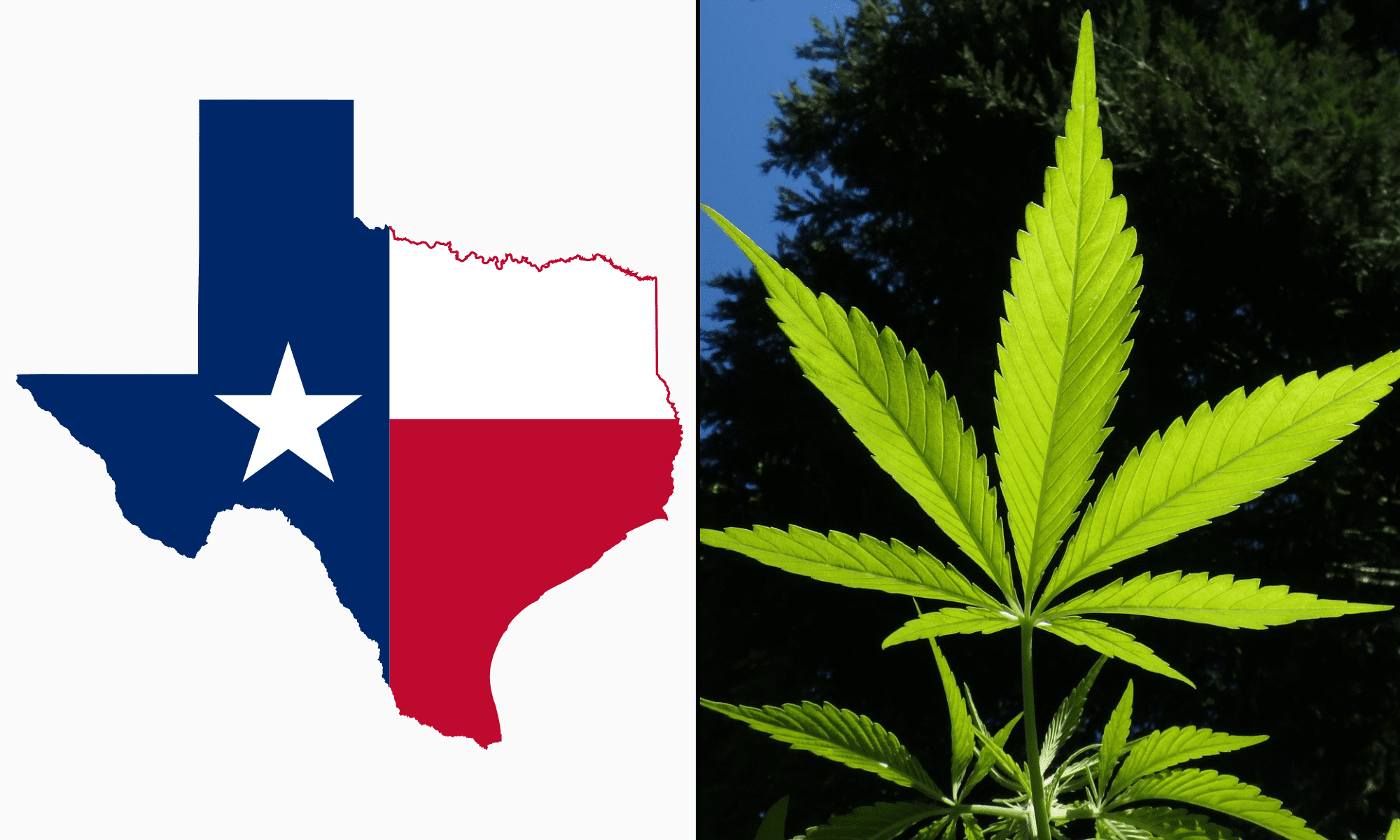
The Shifting Sands of Texas Politics and Cannabis Reform
Texas has long been perceived as a bastion of conservatism, a reputation that has historically kept cannabis legalization efforts at bay. However, recent years have witnessed a palpable shift in public sentiment and legislative discourse. The sheer size and economic might of Texas mean that any movement towards cannabis reform carries significant weight, not just within the state but across the nation.
Current Landscape and Legislative Efforts
Currently, Texas maintains some of the most restrictive cannabis laws in the United States. While a limited medical cannabis program exists for specific conditions, recreational use remains illegal, and possession of even small amounts can lead to severe penalties. Despite this, a robust grassroots movement and a growing number of bipartisan legislators are pushing for change. Bills proposing decriminalization, expanded medical access, and even full adult-use legalization have been introduced in successive legislative sessions of the Texas House of Representatives and Texas Senate. While many have failed to pass, the increasing frequency and narrowing margins of these votes indicate a gradual but undeniable progression towards reform.
Key figures, including some prominent Republicans, have acknowledged the need for reform, often citing the burden on the criminal justice system and the potential for economic development. Governor Greg Abbott has expressed openness to medical cannabis expansion and decriminalization, signaling a potential shift at the highest levels of state leadership. The 2025 legislative session is anticipated to be a critical juncture, with proponents hoping that mounting public pressure, evolving national trends, and the compelling economic arguments will finally tip the scales in favor of comprehensive reform.

Economic Drivers for Legalization
The economic incentives for legalizing cannabis in Texas are substantial and increasingly difficult for policymakers to ignore. A regulated cannabis market would generate billions in tax revenue, which could be allocated to critical state services such as education, infrastructure, or healthcare. States like California and Colorado have demonstrated how cannabis excise taxes, sales taxes, and licensing fees can provide a consistent and significant stream of income. For a state as populous and economically diverse as Texas, the potential revenue figures could easily surpass those of any other legal state.
Beyond tax revenue, legalization would unleash a wave of job creation across various sectors. Cultivation, processing, distribution, retail, security, marketing, and tourism would all see new opportunities. This would not only provide direct employment but also stimulate ancillary industries, from packaging and legal services to real estate and construction. The creation of thousands of new jobs, combined with the prospect of an entirely new industry contributing to the state’s GDP, presents a powerful argument for legalization that resonates with Texas’s pro-business ethos. The comparisons to other states, which have seen their economies bolstered by cannabis, serve as a compelling blueprint for what Texas could achieve.
A New Frontier for Texas Tourism and Travel
Should Texas legalize cannabis, the impact on its already thriving tourism and travel industry would be transformative. The state, known for its diverse landscapes, rich history, and vibrant urban centers, would immediately become a prime destination for cannabis tourism, attracting a new demographic of travelers and enriching existing experiences.
Emerging Destinations and Attractions
The major metropolitan areas of Texas — Austin, Dallas, Houston, and San Antonio — are poised to become central hubs for cannabis-related tourism. Each city brings its unique flavor to the table:
- Austin: Already a mecca for music, food, and quirky culture, Austin would likely embrace cannabis tourism with open arms. Imagine cannabis-friendly music venues along Sixth Street, infused culinary tours showcasing the city’s renowned food truck scene, or experiential dispensaries that blend art and education. Its “Keep Austin Weird” mantra perfectly aligns with the innovative spirit often seen in cannabis-friendly locales.
- Dallas & Fort Worth: These twin cities, known for their sophisticated urban offerings, luxury shopping, and cowboy heritage, could develop high-end cannabis experiences. Think exclusive consumption lounges in Dallas’s upscale districts, or cannabis-infused spa treatments in Fort Worth’s more relaxed, Western-chic settings. The blend of modern luxury and traditional charm would offer a unique appeal.
- Houston: As a global energy capital and a diverse culinary hotspot, Houston could see cannabis integrated into its expansive food scene, with chef-driven infused dinners and gourmet cannabis dispensaries. Its proximity to the Gulf Coast might also foster unique coastal cannabis retreats.
- San Antonio: With its rich history centered around the Alamo and the River Walk, San Antonio could offer historically themed cannabis experiences, perhaps blending cultural tours with responsible consumption in designated areas. The city’s charming atmosphere would lend itself well to relaxed, sophisticated cannabis tourism.
- El Paso: Positioned on the border with Mexico and close to New Mexico, which has already legalized, El Paso could become an important gateway for cross-border cannabis commerce and tourism.
Beyond the cities, the vast natural beauty of Texas, from the rugged landscapes of Big Bend National Park to the serene Texas Hill Country, could become backdrops for cannabis-enhanced outdoor adventures, responsible hiking, and wellness retreats.
Redefining Travel Experiences
Cannabis legalization would fundamentally redefine travel experiences in Texas. Travelers might seek out:
- Cannabis-focused Tours: Guided tours exploring cultivation facilities, dispensaries, and consumption lounges, similar to wine tours in Napa Valley.
- Culinary Cannabis: Restaurants and pop-ups offering infused dining experiences, catering to discerning palates.
- Wellness Retreats: Spas and resorts incorporating cannabis-derived products (beyond CBD) into their offerings, promoting relaxation and therapeutic benefits.
- Festival Integration: Major music festivals and cultural events could incorporate cannabis-friendly zones, enhancing the attendee experience.
- Adventure Tourism: Responsible cannabis consumption could complement outdoor activities like glamping, fishing, or exploring natural parks, offering a unique perspective on the Texas wilderness.
This shift would also necessitate the creation of new guidebooks, apps, and specialized travel agencies catering to cannabis tourists, further integrating the industry into the broader travel ecosystem. The focus would be on responsible consumption, education, and curating unique, memorable experiences that align with the diverse interests of modern travelers.
The Hospitality Sector: Adapting to a Green Wave
The hospitality sector in Texas would be one of the most immediate and significantly impacted industries following cannabis legalization. From luxury resorts to budget-friendly Airbnb rentals, accommodation providers would need to adapt to a new regulatory landscape and evolving guest expectations.
Accommodation Innovations
The current default for most hotels is a strict no-smoking policy, which extends to cannabis. However, in a legalized Texas, innovative accommodation options would likely emerge:
- Cannabis-Friendly Hotels and Resorts: Certain hotels might designate specific rooms, floors, or outdoor areas for cannabis consumption, complete with advanced ventilation systems. Boutique hotels in creative hubs like Austin (The Driskill Hotel) or upscale properties in Dallas and Houston (Hotel ZaZa, The Post Oak Hotel at Uptown Houston) could lead the charge, offering concierge services that include curated cannabis experiences or partnerships with local dispensaries.
- Specialized Amenities: Hotels might offer cannabis vaporizers for rent, specialized “munchie” menus through room service, or even partnerships with local dispensaries for in-room delivery services (within legal parameters). Some might even develop dedicated cannabis lounges within their premises, providing a safe and sophisticated environment for consumption.
- Vacation Rentals: Platforms like Airbnb would see a rise in “420-friendly” listings, catering to travelers seeking private, comfortable spaces for cannabis consumption. Property owners might offer welcome baskets with locally sourced cannabis products, enhancing the personalized experience.
- Luxury Cannabis Retreats: For the high-end traveler, exclusive resorts, perhaps nestled in the Texas Hill Country like the JW Marriott San Antonio Hill Country Resort & Spa, could develop into luxury cannabis wellness retreats, offering gourmet dining, spa treatments, and curated cannabis experiences in a discreet and opulent setting.
These innovations would require careful navigation of state and local regulations, but the potential to attract a lucrative niche market would be a strong motivator for hoteliers and property owners.
Catering to Diverse Lifestyles
The impact of legalization would extend to various traveler segments, necessitating tailored approaches:
- Luxury Travelers: These guests would seek exclusive, discreet, and high-quality cannabis experiences, integrated seamlessly with five-star amenities. Private consumption lounges, premium product selections, and bespoke cannabis-pairing dinners would be key.
- Budget Travelers: For more cost-conscious individuals, hostels or budget hotels might offer designated cannabis-friendly communal areas. Discounted dispensary partnerships or information on local, affordable cannabis experiences would be valued.
- Family Trips: Families would likely prefer accommodations that remain entirely cannabis-free or clearly separate cannabis consumption areas from general family spaces. This segment emphasizes clear communication and adherence to non-smoking policies for a comfortable family environment. The hospitality industry would need to be mindful of creating distinct adult-oriented experiences without alienating family tourism.
- Business Stays: Business travelers might appreciate the option of discreet cannabis consumption lounges for unwinding after meetings, or perhaps in-room amenities that cater to relaxation without impacting professional obligations. The integration into the broader nightlife and entertainment scene could also offer new networking opportunities.
Understanding these diverse needs would be crucial for the Texas hospitality industry to maximize the benefits of legalization while maintaining its appeal to all visitors.
Navigating the Future: Challenges and Opportunities
While the potential economic and tourism benefits of cannabis legalization in Texas are considerable, the path forward is not without its complexities and challenges. A successful transition would require careful planning, robust regulatory frameworks, and broad public education.
Regulatory Hurdles and Social Impact
The biggest challenge lies in developing a comprehensive and equitable regulatory framework. This would involve:
- Licensing and Distribution: Creating a fair system for cultivation, manufacturing, and retail licenses, ensuring that small businesses and historically marginalized communities have opportunities to participate.
- Public Safety: Establishing clear rules for public consumption, impaired driving, and preventing underage access. This will likely involve significant investment in law enforcement training and public awareness campaigns.
- Local Control: Balancing statewide regulations with the desire for local municipalities to set their own rules regarding dispensaries and consumption lounges, as seen in other states. Some towns might opt out entirely, creating a patchwork of access.
- Public Health: Addressing potential public health concerns, including responsible consumption guidelines, product testing for safety, and education on potential risks.
- Social Equity: Ensuring that the benefits of legalization extend to communities disproportionately affected by past cannabis prohibition, through expungement of records and reinvestment initiatives.
The social impact of legalization would also need to be carefully managed. Public perception, while shifting, still holds reservations for many Texans. Education campaigns would be vital to demystify cannabis, promote responsible use, and highlight the economic and social benefits.
The Economic Bonanza
Despite the challenges, the opportunities for Texas are immense. A legal cannabis market could generate an estimated $1.5 billion to $3 billion in annual tax revenue within the first few years, growing significantly thereafter. This revenue stream could fund essential public services, reduce property taxes, or invest in future-proof industries.
Furthermore, the creation of tens of thousands of jobs across the cannabis supply chain would boost employment rates and stimulate local economies, particularly in rural areas that might host cultivation facilities. The ripple effect would benefit numerous other sectors:
- Real Estate: Demand for commercial and industrial properties for dispensaries, grow operations, and processing plants.
- Agriculture: Farmers could diversify crops, potentially revitalizing agricultural communities.
- Hospitality and Food Services: Increased tourism, new cannabis-infused dining experiences, and cannabis-friendly events would drive demand for hotels, restaurants, and entertainment venues.
- Security: A growing need for specialized security services for cannabis businesses.
- Education and Research: Opportunities for universities to conduct research into cannabis science and offer new educational programs.
The legalization of cannabis in Texas would not just be about a new product; it would be about the birth of a new economic engine, diversifying the state’s already robust economy and cementing its position as a leader in innovation and growth. The blend of Texas’s unique culture, entrepreneurial spirit, and potential cannabis market would create a destination unparalleled in the United States.
In conclusion, the question “Will Texas Legalize Weed In 2025?” is increasingly met with a resounding “likely.” While the path will undoubtedly be complex, marked by political negotiations and careful regulatory crafting, the economic imperatives and shifting social attitudes make the prospect of legalization by 2025 a tangible reality. For the millions who visit and reside in the Lone Star State, such a change promises a future where travel, tourism, accommodation, and lifestyle are imbued with new possibilities, making Texas an even more dynamic and enticing destination. The journey to a green Texas could well begin in the next legislative session, heralding a new era for one of America’s most iconic states.
LifeOutOfTheBox is a participant in the Amazon Services LLC Associates Program, an affiliate advertising program designed to provide a means for sites to earn advertising fees by advertising and linking to Amazon.com. Amazon, the Amazon logo, AmazonSupply, and the AmazonSupply logo are trademarks of Amazon.com, Inc. or its affiliates. As an Amazon Associate we earn affiliate commissions from qualifying purchases.