
For travelers navigating the intricate logistics of a trip to Japan, the Takkyubin—or luggage forwarding service—is nothing short of a miracle. Whether you are moving between the bustling metropolis of Tokyo and the historic streets of Kyoto, or simply trying to free yourself from the burden of heavy suitcases while riding the Shinkansen, these services are indispensable. However, for the uninitiated, the paperwork can be daunting. The forms are almost exclusively in Japanese, and getting the details exactly right is crucial for ensuring your belongings arrive safely at your next destination. This leads many guests to ask a vital question: will the hotel concierge help fill out these forms?

The Role of the Hotel Concierge in Japanese Hospitality
In the context of Japanese hospitality, or omotenashi, the role of a concierge extends far beyond making restaurant reservations or booking tickets to Mount Fuji tours. At high-end establishments such as the Park Hyatt Tokyo or the Ritz Carlton Kyoto, the concierge is viewed as a personal assistant tasked with smoothing over the friction points of travel.
Cultural Standards of Assistance
In most Japanese hotels, assisting with luggage forwarding is considered a standard service. Because domestic travel is highly structured, hotels often have dedicated staff members trained to handle the specific requirements of major courier companies like Yamato Transport or Sagawa Express. When you approach the front desk with your luggage and the carbon-copy form, you are not asking for a favor that falls outside their duties; you are asking for a routine procedure that they likely perform dozens of times a day.
Navigating the Language Barrier
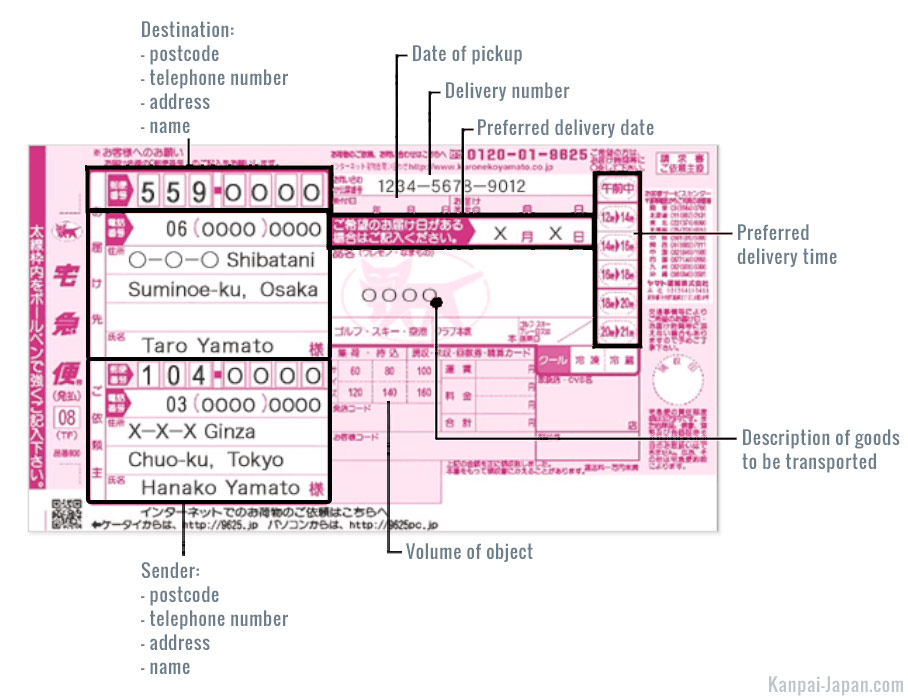
While many staff members in major tourist hubs are fluent in English, the Takkyubin forms are logistical documents that require precision. If you are staying at an international property like the Hilton Tokyo, the concierge desk is well-equipped to guide you through the process. They will check the address of your next accommodation, ensure that the date of delivery aligns with your arrival, and verify that the items are packed according to courier guidelines. If you are struggling with the kanji or the complex layout of the form, they will often take the pen and fill out the majority of the information for you, leaving only your personal signature or contact details for you to manage.
Understanding the Logistics of Luggage Forwarding
To make the process as smooth as possible for both yourself and the hotel staff, it is helpful to understand the flow of the interaction. While the concierge is happy to assist, providing them with clear information minimizes the risk of error.
Preparing for Your Departure
Before approaching the concierge desk, ensure you have the following information ready:
- The exact address and phone number of your next destination. If you are staying at a ryokan like Tawaraya Ryokan, having the name written in Japanese script can be immensely helpful, though the concierge will usually look this up for you regardless.
- Your arrival date. Luggage usually takes 24 hours to arrive, though in remote areas like Hokkaido or Okinawa, it may take longer.
- Your room number. This is necessary for the hotel’s internal tracking system.
Handling Specialized Items
If you are shipping items that are not standard suitcases, such as sports equipment or electronics, the process becomes slightly more complex. For example, if you are shipping a snowboard to Niseko, there are specific covers and protective measures required by the courier. In these instances, the concierge is your best ally. They can call the courier company on your behalf to confirm specific requirements and ensure that the correct type of shipping label is attached to your gear.
When the Concierge Cannot Help
While service at hotels like the Aman Tokyo is exemplary, there are specific scenarios where you might find limited assistance. Understanding these boundaries ensures you remain a respectful guest.
Budget Accommodation and Unstaffed Properties
If you are staying in a smaller business hotel, a guesthouse, or an Airbnb-style apartment, the situation changes. These properties may not offer full concierge services. In many business hotels, there is a dedicated luggage area in the lobby with forms available, but the front desk staff may have limited time to assist with individual bookings. In these cases, you should be prepared to fill out the form yourself, utilizing translation apps or photos of pre-filled templates to guide you.
Liability and Personal Content
Concierges are generally discouraged from opening your luggage to check contents. If there is a dispute regarding what is allowed inside a bag—such as perishable food items or prohibited liquids—the staff will provide you with the guidelines provided by the courier, but they will rarely take responsibility for the internal packing. It is always the guest’s duty to ensure that everything inside the bag is safe for transport. Always clarify if there is a specific restriction for the courier they use.

Best Practices for a Seamless Experience
To ensure that your luggage forwarding experience is stress-free, follow these professional tips:
- Request the form in advance: If you are planning a busy morning of sightseeing in Osaka before your departure, pick up the Takkyubin form from the front desk the night before. You can fill out your name and the destination address at your leisure.
- Keep your receipt: Once the concierge processes your luggage, they will hand you a receipt with a tracking number. Keep this safe! You can use this to track your bags online, which provides peace of mind while you explore Nara or Hiroshima.
- Check the delivery window: When filling out the form, ensure the delivery window is set to the afternoon of your arrival at the next hotel. This ensures your bag is waiting for you when you check in.
- Tip appropriately—or don’t: In Japan, tipping is not part of the culture and can sometimes be seen as confusing or offensive. Instead of offering a cash tip to the concierge for their help, a polite “Arigato gozaimasu” (thank you very much) is the best way to show your appreciation.
The hotel concierge is an essential bridge between a traveler and the efficient, sometimes complex infrastructure of the country. By utilizing their expertise, you can travel lighter and focus on the beauty of your journey rather than the weight of your bags. Whether you are checking into a grand luxury hotel or a boutique property, asking for assistance with your Takkyubin form is a perfectly acceptable and highly recommended way to leverage the local hospitality expertise.
LifeOutOfTheBox is a participant in the Amazon Services LLC Associates Program, an affiliate advertising program designed to provide a means for sites to earn advertising fees by advertising and linking to Amazon.com. Amazon, the Amazon logo, AmazonSupply, and the AmazonSupply logo are trademarks of Amazon.com, Inc. or its affiliates. As an Amazon Associate we earn affiliate commissions from qualifying purchases.