
The question “Will the hurricane hit Orlando?” sends a ripple of concern through the hearts of prospective travelers, local residents, and the millions whose livelihoods depend on the vibrant tourism industry of Central Florida. As a global hub for entertainment, leisure, and business, Orlando is perpetually abuzz with activity, making any potential disruption a matter of widespread interest. Understanding the dynamics of a hurricane threat, its potential impact, and the robust preparedness measures in place is crucial for anyone planning a trip or residing in this magical region of the United States. This article aims to provide a comprehensive overview, offering guidance and insight into navigating such an eventuality, ensuring that both safety and future travel plans can be managed effectively.
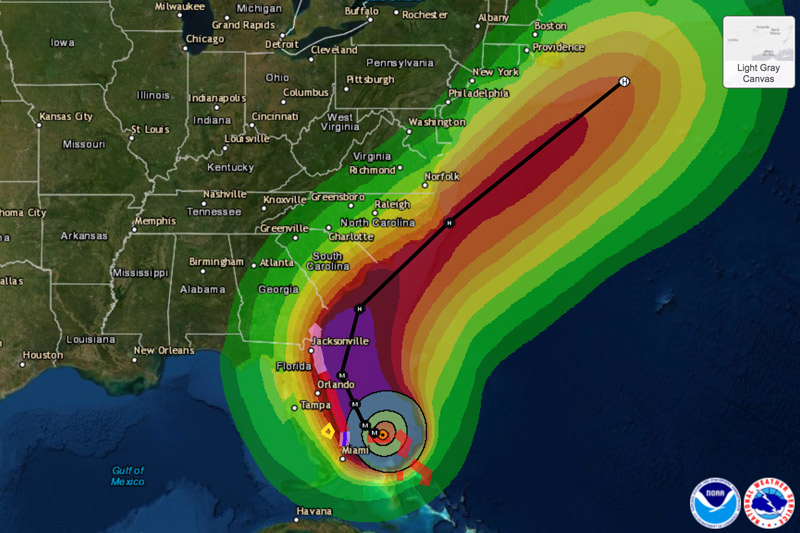
Orlando, often dubbed the “Theme Park Capital of the World,” attracts visitors from every corner of the globe to its world-renowned attractions. From the enchanting kingdoms of Walt Disney World Resort to the cinematic adventures of Universal Orlando Resort and the marine wonders of SeaWorld Orlando, the city’s appeal is undeniable. Its economy is intricately linked to these experiences, supported by a vast network of hotels, resorts, dining establishments, and local businesses. When a hurricane looms in the Atlantic Ocean or the Gulf of Mexico, the focus immediately shifts to the safety of residents and visitors, the operational status of these iconic landmarks, and the resilience of a community built on hospitality.
Navigating the Storm: Understanding the Threat to Central Florida
The threat of a hurricane is a serious consideration for any coastal or near-coastal region, and while Orlando is an inland city, it is still susceptible to significant impacts. Being situated in Florida, a state known for its hurricane activity, means that a sophisticated system of monitoring, preparedness, and response is always at the ready.
The Dynamics of a Hurricane Threat
Hurricanes are powerful tropical cyclones characterized by intense winds, heavy rainfall, and potential for storm surges. While storm surge primarily affects coastal areas, the sheer volume of rain and high winds can extend hundreds of miles inland. The National Hurricane Center (NHC), a division of the National Oceanic and Atmospheric Administration (NOAA), plays a pivotal role in tracking these systems, providing forecasts, and issuing warnings.
When a tropical system develops, meteorologists closely monitor its path, intensity, and speed. Forecast models, though increasingly accurate, are subject to change, leading to a dynamic situation that requires constant attention. Hurricanes are categorized from 1 to 5 based on their sustained wind speeds, with higher categories indicating greater destructive potential. Even a tropical storm or a Category 1 hurricane can bring significant rainfall, flooding, and damaging winds to Central Florida, capable of felling trees, causing power outages, and rendering roads impassable.
For a city like Orlando, the primary concerns during a hurricane event are:
- Heavy Rainfall and Flooding: The flat topography of Florida makes it vulnerable to widespread freshwater flooding, even far from the coast. This can impact roads, neighborhoods, and even ground-level areas of hotels and attractions.
- Strong Winds: While not typically experiencing the highest wind speeds of a direct coastal hit, Orlando can still suffer from hurricane-force winds (74 mph or more) or tropical storm-force winds (39-73 mph), which can cause structural damage, disrupt power lines, and create dangerous debris.
- Tornadoes: Hurricanes often spawn tornadoes, particularly in their outer bands, which can cause localized, intense damage.
- Power Outages: High winds and fallen trees are common causes of widespread power outages, impacting everything from air conditioning to communication networks.
Why Orlando’s Preparedness Matters
Given its reliance on tourism, Orlando and the surrounding counties have some of the most comprehensive emergency management plans in the nation. Agencies like the Florida Emergency Management work in conjunction with local governments, businesses, and community organizations to ensure a coordinated response. This preparedness is multi-faceted:
- Infrastructure: Significant investments have been made in drainage systems, emergency shelters, and hardened infrastructure to withstand severe weather.
- Communication: Robust public information campaigns ensure that residents and visitors receive timely updates through various channels, including local news, social media, and emergency alert systems.
- Evacuation Routes: Clearly defined evacuation routes are established, utilizing major arteries like I-4 and the Florida Turnpike, to facilitate the safe movement of people away from danger zones.
- Business Continuity Plans: Major theme parks, resorts, and hospitality providers have detailed plans for guest safety, facility closures, and operational recovery. This includes securing outdoor attractions, providing shelter-in-place options, and managing guest services during and after a storm. Hotels often become critical havens, equipped with generators and supplies to care for guests who cannot evacuate.
This proactive approach is crucial not only for saving lives but also for protecting the reputation of Orlando as a safe and reliable destination, even in the face of natural challenges.
Immediate Impact on Travel and Tourism in Orlando
When a hurricane threatens, the most immediate and tangible effects are felt across the travel and tourism sectors. From major attractions to local accommodations and transportation networks, every aspect of a visitor’s experience can be impacted.
Theme Parks and Attractions: Gates and Closures
The globally recognized theme parks are the lifeblood of Orlando tourism. Their response to a hurricane threat is meticulously planned and executed with guest safety as the paramount concern.
- Walt Disney World Resort: Encompassing Magic Kingdom, Epcot, Hollywood Studios, Animal Kingdom, and numerous resorts and water parks, Walt Disney World Resort has extensive protocols. Historically, the parks have closed only for very severe storms. Decisions are made based on the storm’s projected path, wind speeds, and potential for sustained adverse weather conditions. Guests are typically advised to secure their rooms and provided with updates on park operations, dining, and resort activities.
- Universal Orlando Resort: Home to Universal Studios Florida, Islands of Adventure, and Volcano Bay, Universal Orlando Resort follows similar stringent safety measures. Like Disney, they prioritize the safety of guests and team members, making decisions about park closures or reduced operating hours in consultation with local authorities and weather experts. Their on-site hotels, such as the Hard Rock Hotel and Loews Portofino Bay Hotel, also implement specific protocols for guest welfare during a storm.
- SeaWorld Orlando: As a park with marine animals, SeaWorld Orlando has unique challenges and preparations. Their animal care teams have emergency plans to ensure the safety and well-being of all creatures under their care, in addition to guest safety measures.
- LEGOLAND Florida Resort: Located slightly further afield in Winter Haven, LEGOLAND Florida Resort also implements storm preparedness plans, often aligning with the decisions made by the larger Orlando attractions.
- Other Attractions: Smaller attractions, museums, and entertainment complexes along International Drive, like ICON Park, also have their own safety procedures, which often include temporary closures.
When parks close, guests are usually directed back to their resort rooms or designated safe areas, and entertainment is often brought indoors to help maintain some semblance of normalcy and entertainment for those sheltering in place.

Accommodation and Hotel Operations
Orlando boasts an incredible array of accommodations, from sprawling luxury resorts to budget-friendly suites and apartment-style villas in areas like Kissimmee and Lake Buena Vista. When a hurricane is imminent, hotels and resorts activate their emergency plans:
- Cancellation and Rebooking Policies: Many hotels and airlines offer waivers for rebooking or cancellations without penalty during a declared emergency, particularly for travelers whose plans are directly affected by the storm. It is imperative for travelers to contact their specific hotel or booking agent directly for details.
- Shelter-in-Place Services: For guests who cannot evacuate, many larger resorts become self-sufficient shelters. Properties like the Grand Hyatt Orlando or the Four Seasons Resort Orlando are often equipped with generators, robust food and water supplies, and staff dedicated to guest care throughout the storm. They may organize special activities, limited dining options, and maintain essential services.
- Safety Measures: Hotels will advise guests on securing loose items on balconies, staying indoors, and what to do in case of power outages. Emergency exits, stairwells, and designated safe areas are clearly communicated.
- Communication: Effective communication from hotel staff is vital, providing guests with real-time updates on weather, property status, and local advisories.
Air Travel and Ground Transportation
Transportation networks are among the first to be impacted and the last to fully recover during a hurricane threat.
- Airports: Orlando International Airport (MCO), one of the busiest airports in the world, and Orlando Sanford International Airport (SFB) will inevitably experience significant disruptions. Airlines will pre-emptively cancel flights to ensure the safety of passengers and crew, and to move aircraft out of harm’s way. Travelers are strongly advised to check with their airline directly for the most current flight status before heading to the airport.
- Rental Cars: Car rental agencies will face high demand as people try to evacuate, or conversely, be unable to operate if roads are closed or facilities damaged. Booking a rental car for evacuation purposes should be done well in advance, if possible.
- Road Closures: State and local authorities will close roads, bridges, and interstate highways like I-4 and the Florida Turnpike if they become impassable due to flooding, fallen debris, or high winds. Evacuation routes will be heavily monitored and potentially become one-way to expedite traffic flow. Motorists should always follow official directives and never drive through flooded areas.
- Public Transportation: Lynx bus services and other local public transportation systems in Orange County may be suspended during the height of a storm, impacting mobility for those without private vehicles.
Essential Guidance for Travelers and Residents
Whether you’re a visitor trying to decide whether to proceed with your trip or a resident preparing your home, proactive planning and informed decisions are paramount when a hurricane threatens Orlando.
Pre-Storm Preparations: Before You Arrive or Hunker Down
- Monitor Official Sources: Stay glued to reliable weather updates from the National Hurricane Center (NOAA), local news channels (e.g., WESH 2, WFTV 9), and official county emergency management websites (e.g., Orange County Emergency Management). Do not rely solely on social media for critical information.
- Review Travel Insurance: If you have travel insurance, understand its coverage for trip interruption, cancellation, or medical emergencies related to a hurricane. Contact your provider for clarification on your policy’s specifics regarding weather events. Many policies have clauses about when the storm is named vs. when the policy was purchased.
- Emergency Kit and Supplies: For residents or those sheltering in a private rental, prepare an emergency kit including water (one gallon per person per day for at least three days), non-perishable food, flashlights, batteries, a first-aid kit, medications, a weather radio, and important documents. For hotel guests, ensure you have essential medications and an easily accessible bag with necessities.
- Contact Airlines and Hotels Proactively: If a storm is forecasted, reach out to your airline and hotel well in advance. Inquire about their specific hurricane policies, potential waivers, and operational status. Early communication can save you stress and money.
- Know Your Evacuation Zone and Route: Even if Orlando isn’t a primary evacuation zone, knowing designated routes is vital in case of localized flooding or unexpected shifts in the storm’s path. Discuss evacuation plans with your family.
- Fuel Up: If evacuation is a possibility, ensure your vehicle has a full tank of gas. Gas stations can become crowded or run out of fuel.
During the Storm: Safety First
- Shelter in Place: Follow instructions from local authorities. If you are told to shelter in place, stay indoors, away from windows and glass doors. Use an interior room, closet, or hallway.
- Stay Informed: Keep your phone charged, listen to battery-powered or hand-crank radios for updates, and sign up for local emergency alerts.
- Communicate: Inform family and friends outside the affected area of your status. Texting often works better than calling when cellular networks are overloaded.
- Do Not Go Outside: Resist the urge to go outside during the “eye” of the storm. The calm is temporary, and dangerous winds will return suddenly from the opposite direction.
- Post-Storm Hazards: Be aware of dangers that persist after the storm, such as downed power lines, standing water, and weakened structures.
Post-Storm Recovery: What to Expect
- Damage Assessment: After the storm passes, local authorities and utility companies will begin assessing damage and restoring services. This can take days or even weeks in severe cases.
- Power Outages: Expect potential power outages. Stay away from downed power lines.
- Road Conditions: Roads may be flooded, blocked by debris, or impassable. Do not attempt to drive until authorities declare it safe.
- Limited Services: Be prepared for limited access to gasoline, food, and other essential services. Stores and restaurants may be closed or operating with reduced hours and supplies.
- Patience and Flexibility: Recovery is a process. Guests should be patient with hotel staff and local service providers, understanding that everyone is working hard to restore normalcy. Flexibility with travel plans is crucial. Some attractions may reopen quickly, while others might require more time for assessment and cleanup.
Orlando’s Resilience: A City Rebounds
The question of “Will the hurricane hit Orlando?” is always followed by another: “How quickly will it recover?” The answer is consistently: with remarkable speed and resilience. Orlando is a city that understands the vital role its image plays in global tourism, and the community is deeply invested in overcoming challenges.
The Community Spirit and Support
One of the defining characteristics of Orlando during and after a natural disaster is the strong sense of community. Local businesses, from family-owned restaurants to major corporations, often step up to support recovery efforts. Residents assist neighbors, and countless volunteers contribute to cleanup and aid. This collective effort ensures that the city not only rebuilds physically but also restores the welcoming spirit that defines its hospitality. Initiatives to provide food, shelter, and support to affected individuals and families are quickly mobilized, showcasing the compassion that underlies the city’s vibrant facade.

Planning Future Trips: Returning to the Magic
Even after experiencing a hurricane threat, Orlando remains an unparalleled destination. The infrastructure, the meticulously maintained attractions, and the dedication of its tourism professionals mean that any disruption is usually temporary.
- Ongoing Investment: The major players in Orlando tourism consistently invest in infrastructure, emergency preparedness, and guest safety, ensuring the city’s ability to bounce back quickly. New attractions, resorts, and experiences are continuously being developed, promising renewed excitement.
- Value and Experience: Post-storm periods can sometimes offer opportunities for travelers who are flexible and patient, with potentially lower crowds once services are fully restored. However, the primary focus should always be on safety and informed travel decisions.
- Long-Term Appeal: The magic of Orlando is enduring. While a hurricane may briefly interrupt plans, the fundamental appeal of its theme parks, diverse dining, shopping, and family-friendly atmosphere remains. Travelers are encouraged to continue planning their visits, perhaps allowing for an extra day or two of flexibility during hurricane season (June 1st to November 30th) for peace of mind. Supporting the local economy through future bookings helps the city and its residents recover and thrive.
In conclusion, while the threat of a hurricane to Orlando is a serious matter requiring careful consideration and preparedness, the city’s robust emergency protocols, resilient infrastructure, and unwavering community spirit ensure that it is well-equipped to handle such challenges. For travelers, staying informed, having a flexible plan, and understanding your options are the best defenses. Orlando will always strive to maintain its reputation as a world-class destination, ready to welcome visitors with open arms and unforgettable experiences, come rain or shine.
LifeOutOfTheBox is a participant in the Amazon Services LLC Associates Program, an affiliate advertising program designed to provide a means for sites to earn advertising fees by advertising and linking to Amazon.com. Amazon, the Amazon logo, AmazonSupply, and the AmazonSupply logo are trademarks of Amazon.com, Inc. or its affiliates. As an Amazon Associate we earn affiliate commissions from qualifying purchases.