
Florida, widely known as the Sunshine State, has long been a premier destination for travelers seeking pristine beaches, world-class theme parks, and vibrant cultural experiences. Millions flock to its shores annually, drawn by attractions ranging from the magical realms of Walt Disney World in Orlando to the bustling nightlife of Miami and the serene beauty of the Florida Keys. However, a growing discussion is subtly reshaping perceptions of this beloved destination: the potential legalization of recreational cannabis. For many modern travelers, the legal status of cannabis can influence destination choice, planned activities, and overall travel experience. As states across the United States embrace new cannabis policies, the question “Will weed be legal in Florida?” is more than a legal query; it’s a critical consideration for future tourism and the evolving landscape of travel in the Sunshine State. Understanding the current laws, the ongoing push for reform, and the potential implications is crucial for any discerning traveler considering Florida as their next getaway.

The Current Legal Landscape for Travelers in Florida
For travelers contemplating a visit to Florida, understanding the state’s current cannabis laws is paramount to ensuring a smooth and lawful trip. Unlike some other popular United States destinations, recreational cannabis remains illegal in the Sunshine State, carrying significant penalties.
Medical Marijuana: What Travelers Need to Know
While recreational use is prohibited, Florida does have an established medical marijuana program. However, this program is generally not accessible to out-of-state visitors. To qualify for medical cannabis in Florida, an individual must be a permanent or seasonal resident of the state and possess a qualifying medical condition as determined by a state-certified physician. Even with an out-of-state medical marijuana card, travelers are not permitted to purchase or possess cannabis in Florida under the state’s medical program. This means that for the vast majority of tourists, access to cannabis through legal medical channels is not an option. Attempting to use out-of-state medical cards can lead to legal complications, underscoring the importance of understanding and respecting local statutes. The intent of Florida’s medical cannabis law is to serve its residents, not to facilitate medical tourism for non-residents.
Penalties and Risks for Recreational Use
The possession, sale, or cultivation of recreational cannabis in Florida can lead to serious legal repercussions. Possession of 20 grams or less, for instance, is considered a misdemeanor punishable by up to one year in jail and a $1,000 fine. Larger quantities can escalate to felony charges, carrying multi-year prison sentences and substantial fines. Beyond criminal charges, visitors caught violating cannabis laws could face additional travel disruptions, including extended stays due to court proceedings, impact on future travel visas, and a lasting criminal record. The risk is particularly high in tourist hotspots like South Beach, Key West, or around theme parks in Orlando and Tampa, where law enforcement presence is often heightened. Travelers should also be aware that using cannabis in public, regardless of quantity, is a separate offense, further compounding potential legal issues. It is critical for all visitors to understand that Florida maintains a strict stance on recreational cannabis, and ignorance of the law is not a viable defense.
Federal Law vs. State Law: A Traveler’s Dilemma
Even in states where recreational cannabis is legal, travelers often encounter a complex interplay between state and federal laws—a dynamic that is even more pertinent in states like Florida where it remains illegal. Under federal law in the United States, cannabis is classified as a Schedule I controlled substance, making its cultivation, possession, and distribution illegal nationwide. This federal prohibition significantly impacts interstate travel. For example, carrying cannabis across state lines, even between two states where it is legal, is a federal offense. More practically for Florida travelers, this means that even if one could legally obtain cannabis elsewhere, bringing it into Florida is illegal under state law, and flying with it is a federal crime, even for medical purposes, as airports are under federal jurisdiction. This federal overlay also means that cannabis remains prohibited on federal lands, such as national parks like Everglades National Park, regardless of state laws. Travelers must always prioritize federal law when navigating travel across state lines or through federally regulated spaces, adding another layer of complexity to cannabis considerations.
The Road to Recreational Legalization: Implications for Florida Tourism
The conversation around recreational cannabis legalization in Florida is dynamic and continuously evolving, driven by public sentiment, economic incentives, and changing political landscapes. The outcome of these efforts holds substantial implications for the state’s vital tourism industry.
Proposed Amendment 3 and its Potential Impact
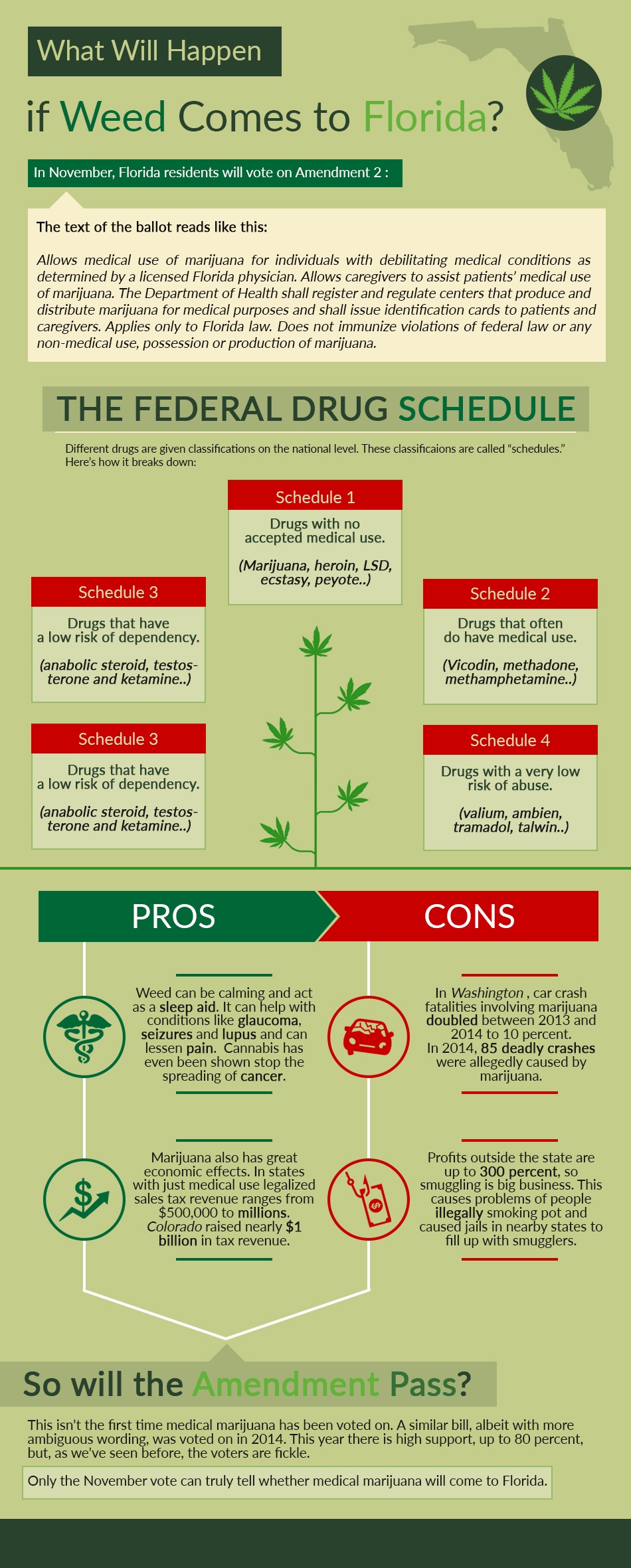
Periodically, ballot initiatives and proposed amendments emerge that aim to bring recreational cannabis legalization to a vote in Florida. A recent significant effort, often referred to as Amendment 3 (or similar proposals in the past), sought to legalize adult-use cannabis for individuals 21 and older. Such an amendment typically outlines provisions for personal possession, home cultivation (sometimes), and the establishment of a regulated retail market, similar to models seen in other states. Should such an amendment pass, its impact on Florida’s tourism sector would be profound. It would potentially introduce a new niche of cannabis tourism, attracting visitors who prioritize destinations where legal cannabis consumption is possible. This could diversify the state’s tourist demographic, drawing in individuals who might not have previously considered Florida due to its restrictive cannabis laws. However, the path to passing such an amendment is often fraught with political, social, and legal challenges, requiring broad public support and overcoming significant opposition.
Drawing Parallels: Lessons from Other Tourist Destinations
To understand the potential future of travel in Florida, it’s instructive to examine states that have already legalized recreational cannabis and witnessed its effects on their tourism industries. Colorado, one of the first states to legalize in 2014, saw an initial surge in cannabis tourism, with visitors explicitly choosing the state for its legal cannabis. This led to the emergence of cannabis-friendly lodging, tours, and dispensaries that became attractions in themselves. Similarly, California and Nevada, with their already robust tourism economies in cities like Las Vegas and Los Angeles, integrated legal cannabis into their hospitality offerings, further enhancing their appeal. These states have demonstrated that legalization can lead to increased tax revenues, job creation, and the diversification of tourism products. However, they also faced challenges, including regulating public consumption, ensuring responsible use, and navigating the integration of cannabis sales with existing family-friendly attractions. Florida could learn invaluable lessons from these precedents, both in capitalizing on new opportunities and mitigating potential downsides, to tailor a legalization framework that best suits its unique tourism landscape.
How Legalization Could Reshape Florida’s Travel Industry
If recreational cannabis were to become legal in Florida, the implications for the state’s travel industry would be transformative, ushering in new market segments and reshaping existing travel experiences.
The Rise of Cannabis Tourism and New Niche Markets
Legalization would undoubtedly pave the way for a burgeoning cannabis tourism market in Florida. Imagine “canna-resorts” in Miami or Tampa offering cannabis-infused spa treatments, culinary experiences featuring cannabis-pairing menus, or guided tours to premium cultivation facilities. Dispensaries could evolve beyond mere retail outlets to become sophisticated, educational attractions, similar to craft breweries or wineries. New businesses could emerge offering cannabis-friendly accommodations, consumption lounges, and specialized travel agencies catering to this niche. This could attract a diverse demographic, including younger travelers, wellness enthusiasts, and those seeking unique, adult-oriented experiences beyond the traditional theme parks and beaches. For destinations like Key West, known for its relaxed and liberal atmosphere, cannabis tourism could seamlessly integrate with its existing bohemian charm, offering a new facet to its appeal.
Economic Opportunities and Infrastructure Development
The economic benefits of cannabis legalization for Florida’s travel industry could be substantial. State and local governments could see significant increases in tax revenue from cannabis sales, which could be reinvested into public services, infrastructure, or even further promoting tourism. The creation of new businesses—from cultivators and processors to dispensaries, tour operators, and hospitality services—would generate thousands of jobs, boosting local economies. Furthermore, the need for new regulatory frameworks, public education campaigns, and enforcement mechanisms would require investment in new infrastructure and public safety initiatives. Hotels and resorts might need to develop designated consumption areas, implement new staff training, and adapt marketing strategies. The state might also need to create guidelines for impaired driving under the influence of cannabis, ensuring public safety remains paramount, particularly given Florida’s high volume of road travelers.
Challenges and Considerations for Travelers
While the prospects of cannabis tourism are exciting, legalization would also present a unique set of challenges and considerations for travelers. Public consumption laws would likely be strict, mirroring alcohol regulations, meaning open consumption in public spaces, theme parks, or on beaches would probably remain prohibited. Travelers would need to be educated on designated consumption areas, private property rules, and the importance of responsible use. The coexistence of a cannabis-friendly environment with Florida’s image as a family-friendly destination, epitomized by Universal Studios Florida and Walt Disney World, would require careful messaging and zoning. Ensuring that cannabis tourism enhances rather than detracts from the broader appeal of the Sunshine State would be a delicate balance. Travelers would also need to be aware of federal restrictions, particularly concerning transportation through airports or across state lines, even if cannabis were legal within Florida.
Navigating Florida: Travel Tips Regardless of Cannabis Status
Whether or not recreational cannabis becomes legal in Florida, certain travel principles remain timeless. For an enjoyable and hassle-free trip, adherence to local laws and a focus on preparedness are always advisable.
Stay Informed and Prepared
The legal landscape surrounding cannabis is constantly shifting, and what is true today may change tomorrow. For travelers, this means making it a habit to research the most current laws and regulations concerning cannabis in Florida before and during their trip. Reputable government websites, official tourism boards, and up-to-date travel guides are excellent resources. Beyond cannabis, understanding local ordinances, transportation rules, and emergency procedures will contribute to a safer and more predictable journey. Always carry identification, be aware of your surroundings, and have a plan for communication and navigation. Regardless of what cannabis laws are in effect, being well-informed and prepared is the cornerstone of responsible and enjoyable travel.
Focus on Florida’s Diverse Offerings
Even without recreational cannabis, Florida continues to be an unparalleled travel destination offering a kaleidoscope of experiences that cater to every interest. From the thrilling rides of Universal Studios Florida and the enchanting kingdoms of Walt Disney World to the serene shores along the Atlantic Ocean and the Gulf of Mexico, the state boasts an extraordinary array of attractions. Nature lovers can explore the unique ecosystems of Everglades National Park or snorkel in the vibrant coral reefs off the Florida Keys. Culture enthusiasts can immerse themselves in the historic charm of St. Augustine, the art deco splendor of South Beach, or the vibrant Cuban heritage of Miami’s Little Havana. Gourmet dining, championship golf courses, bustling shopping districts, and world-class fishing charters further round out Florida’s diverse appeal. The state’s inherent charm and multitude of activities ensure that travelers will find endless opportunities for enjoyment, recreation, and relaxation, whether or not cannabis is part of their desired experience.

The Future of Travel in the Sunshine State
The question of whether weed will be legal in Florida is more than a simple yes or no; it represents a pivotal moment for the Sunshine State’s identity as a global travel destination. The complex interplay of political will, public opinion, and economic considerations continues to shape the trajectory of cannabis reform. Should legalization come to pass, it will undoubtedly introduce new dimensions to Florida’s tourism, attracting a different segment of travelers and fostering innovative experiences. However, it will also demand careful planning, robust regulation, and thoughtful integration to ensure that the state’s existing family-friendly appeal and commitment to public safety are not compromised.
Regardless of the legal outcome, Florida remains an iconic and incredibly diverse travel destination. Its warm climate, stunning natural beauty, and unparalleled entertainment options will continue to draw millions from around the world. For all travelers, the most important advice remains constant: stay informed about local laws, exercise personal responsibility, and respect the cultural norms of your chosen destination. Whether your Florida adventure involves thrilling rollercoasters, tranquil beach days, or exploring vibrant urban centers, the Sunshine State offers an abundance of experiences waiting to be discovered, legally and responsibly.
LifeOutOfTheBox is a participant in the Amazon Services LLC Associates Program, an affiliate advertising program designed to provide a means for sites to earn advertising fees by advertising and linking to Amazon.com. Amazon, the Amazon logo, AmazonSupply, and the AmazonSupply logo are trademarks of Amazon.com, Inc. or its affiliates. As an Amazon Associate we earn affiliate commissions from qualifying purchases.