
Embarking on a career as a police officer in Florida is more than just securing a job; it’s a commitment to public service, a pledge to uphold the law, and an immersion into the vibrant, diverse tapestry of the Sunshine State. While many associate Florida with its stunning beaches, world-renowned theme parks, and a lifestyle characterized by sunshine and outdoor activities, behind this idyllic façade lies a dedicated network of law enforcement professionals who ensure its safety and allure. This guide offers an in-depth look at the journey to becoming a police officer in Florida, exploring the requirements, the rigorous training, and the unique lifestyle that comes with serving in one of America’s most dynamic states. We’ll delve into how this challenging yet rewarding path integrates with the state’s popular travel, tourism, and lifestyle aspects, emphasizing the crucial role officers play in maintaining the peace that allows millions to enjoy Florida’s countless attractions.
Embarking on Your Journey: Initial Requirements for Florida’s Finest
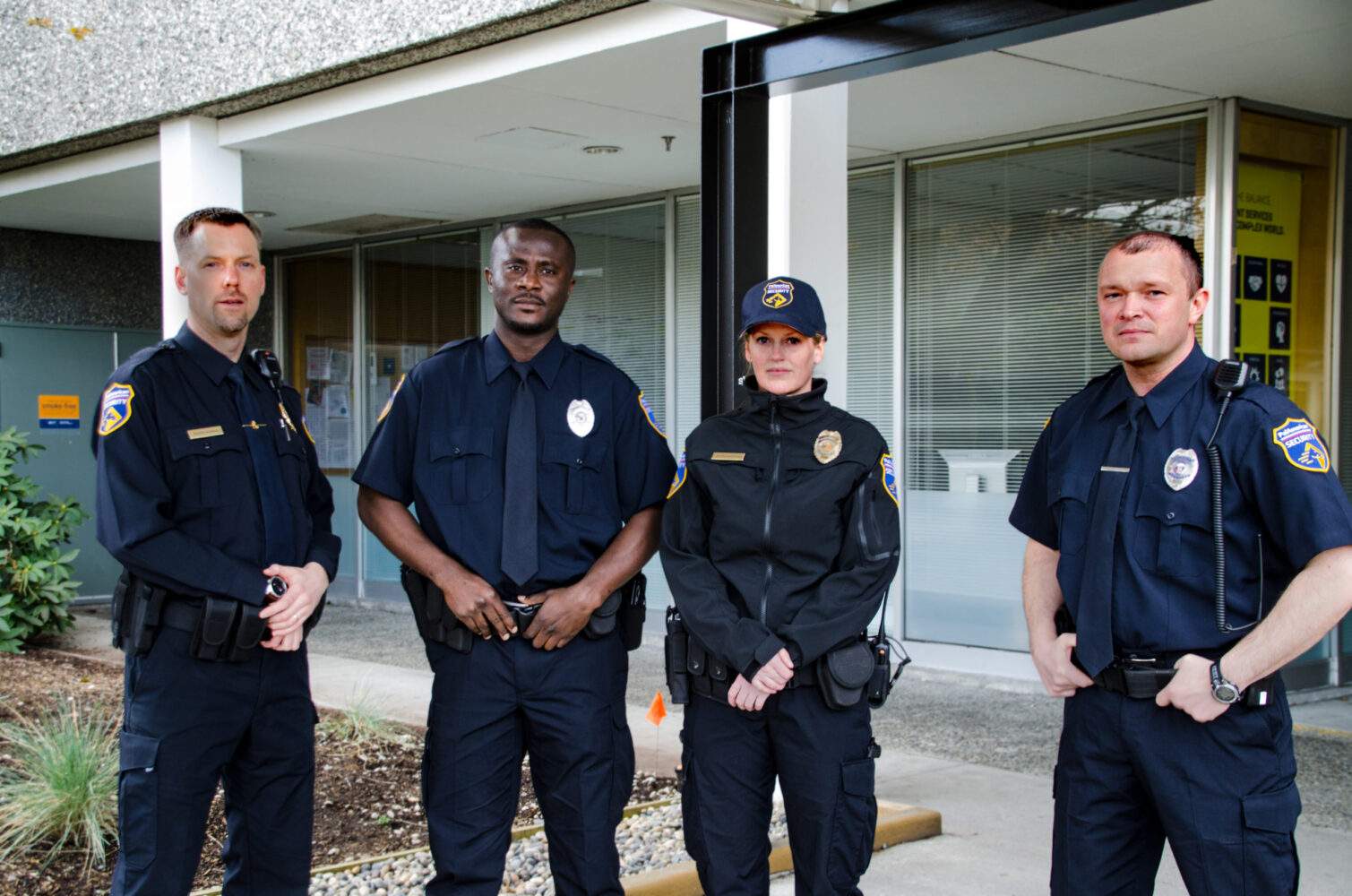
The decision to pursue a career in law enforcement in Florida is a significant one, marking the beginning of a transformative journey. Aspiring officers are expected to meet a comprehensive set of criteria designed to ensure they possess the fundamental qualifications, integrity, and physical and mental fortitude necessary for the demanding nature of the job. These initial steps are critical, laying the groundwork for a successful career dedicated to protecting communities, whether they are bustling metropolitan areas like Miami or tranquil coastal towns.
Meeting the Baseline: Eligibility & Educational Foundations
To even begin the application process, candidates must first satisfy the baseline eligibility requirements set forth by the Florida Department of Law Enforcement (FDLE) and individual agencies. Generally, an applicant must be at least 19 years of age. While there isn’t an upper age limit, most agencies prefer candidates who can complete a full career before mandatory retirement. Citizenship is a non-negotiable requirement; applicants must be citizens of the United States.
Educationally, a high school diploma or its equivalent (GED) is the minimum standard across all agencies in Florida. However, in an increasingly complex world, many departments, especially those in larger cities such as Orlando or Tampa, show a strong preference for candidates with some college education, an Associate’s degree, or even a Bachelor’s degree. Higher education can provide a stronger foundation in critical thinking, communication, and problem-solving – skills invaluable to a modern police officer. For those considering relocation to Florida for this career, understanding these educational preferences can influence their preparation and enhance their competitiveness. The ability to articulate clearly and understand complex legal texts is a significant asset, whether you’re dealing with a local dispute in St. Augustine or responding to an incident involving international tourists near Walt Disney World Resort.
The Rigorous Review: Background & Personal Fitness
Beyond age and education, an extensive background investigation is a cornerstone of the application process. This review delves deep into an applicant’s past, scrutinizing criminal history, driving record, credit history, and employment history. A clean record is paramount; felony convictions are immediate disqualifiers, as are certain misdemeanor offenses, especially those involving moral turpitude or domestic violence. Integrity and trustworthiness are non-negotiable traits for anyone entrusted with public safety. The background check also involves interviews with past employers, references, and sometimes even neighbors, painting a comprehensive picture of the candidate’s character.
Physical and mental fitness are equally critical. Police work is physically demanding, requiring strength, stamina, and agility. Applicants must pass a physical abilities test, often including obstacles, running, and carrying weight. These tests are designed to simulate the physical challenges an officer might face in the field, from chasing suspects through urban landscapes to assisting in emergency situations on Florida’s scenic beaches. Following this, a comprehensive medical examination ensures the candidate is free from any physical conditions that could impair their ability to perform the duties of a police officer.
Mental health is assessed through psychological evaluations, including written tests and interviews with licensed psychologists. This step ensures candidates possess the emotional stability, sound judgment, and resilience required to handle high-stress situations, trauma, and the ethical dilemmas inherent in law enforcement. For those moving to Florida, acclimatizing to a new environment while preparing for these rigorous evaluations can be an added challenge, but it’s a testament to the comprehensive nature of the selection process. The goal is to select individuals who can not only enforce the law but also serve as compassionate, level-headed guardians of the community.
The Path Through Training: From Academy to Active Duty
Once an applicant successfully navigates the initial eligibility and background checks, the real journey into law enforcement begins: the academy. This intensive period of training is designed to transform civilians into competent, confident, and ethical police officers, equipped with the knowledge and skills to protect the diverse communities and popular landmarks found across Florida.
Mastering the Craft: Florida’s Law Enforcement Academy Experience
In Florida, all aspiring law enforcement officers must successfully complete a basic recruit training program certified by the Florida Department of Law Enforcement (FDLE). These programs, often referred to as the Florida Law Enforcement Academy, are rigorous and comprehensive, typically spanning several months (around 770 hours, though this can vary). The curriculum is meticulously designed to cover a vast array of subjects essential for police work. Recruits are immersed in legal studies, learning about criminal law, constitutional law, traffic statutes, and courtroom procedures. Practical skills are heavily emphasized, including firearms proficiency, defensive tactics, vehicle operations, and first aid. Scenarios simulating real-life police encounters, from traffic stops to domestic disputes, provide invaluable hands-on experience in a controlled environment.
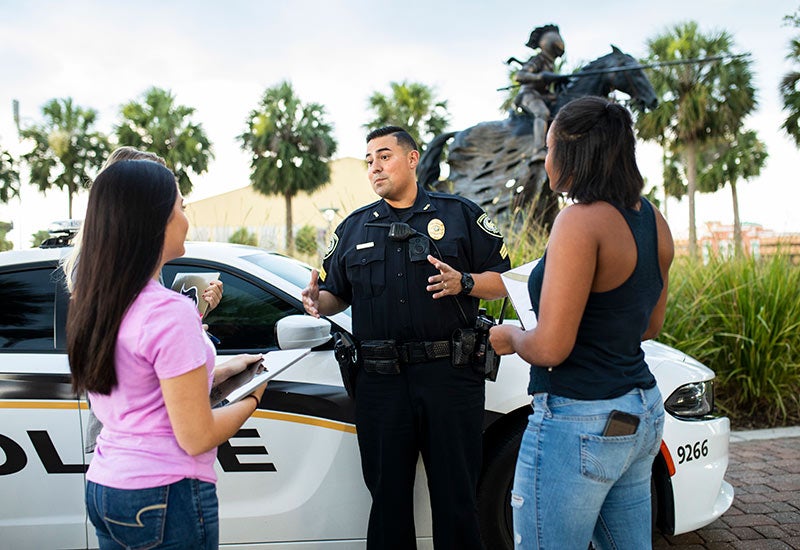
Beyond the technical skills, the academy instills critical thinking, problem-solving, and ethical decision-making. Recruits learn about community policing strategies, cultural diversity, and effective communication – vital components for officers who will interact daily with a global population of residents and tourism visitors. The physical demands of the academy are also significant, involving daily physical training to maintain and improve fitness levels. For individuals who have relocated to Florida from other states or countries, adapting to the intense academy environment while simultaneously adjusting to a new living situation can be challenging, but the camaraderie built with fellow recruits often helps ease this transition. Whether an officer eventually serves in a metropolitan area like Jacksonville or a coastal paradise like Key West, the academy provides the foundational training that unifies all Florida law enforcement professionals.
Earning Your Shield: Certification and Beyond
Upon successful completion of the basic recruit training program, graduates must pass the FDLE State Officer Certification Examination. This comprehensive exam tests a recruit’s knowledge across all aspects of the academy curriculum. Passing this exam is the final hurdle to becoming certified as a law enforcement officer in Florida. This certification is a prerequisite for employment with any police department or sheriff’s office in the state. Once certified, new officers are typically hired and undergo an additional period of field training (FTO) with an experienced officer, where they apply their academy knowledge to real-world situations under direct supervision. This phase is crucial for bridging the gap between theoretical training and practical application, allowing new officers to gain confidence and experience in diverse scenarios.
The journey doesn’t end with certification and initial placement. Law enforcement is a profession that demands continuous learning and adaptation. Officers are required to complete ongoing training throughout their careers, covering new laws, evolving police tactics, and specialized skills. Many departments also offer opportunities for advanced training and specialization in areas such as K9 units, SWAT, marine patrol (especially relevant given Florida’s extensive coastlines on the Atlantic Ocean and Gulf of Mexico), or community relations. For those interested in career progression, departments often have clear paths for promotion to higher ranks or specialized units, offering a lifetime of challenge and growth. This continuous development ensures that Florida’s law enforcement professionals remain at the forefront of policing, ready to protect both its residents and the millions of visitors who enjoy its unique attractions and lifestyle.
A Career Interwoven with Florida’s Vibrant Fabric
Becoming a police officer in Florida is uniquely intertwined with the state’s identity as a premier travel and tourism destination. Officers are not just enforcers of the law; they are guardians of a vibrant culture, protectors of natural wonders, and vital components in the visitor experience. Their role extends far beyond traditional policing, touching every aspect of Florida’s bustling economy and diverse social fabric.
Protecting Florida’s Diverse Landscapes and Communities
Florida’s geographical and cultural diversity offers a unique backdrop for law enforcement. From the urban sprawl of Miami and Orlando to the tranquil natural beauty of Everglades National Park and the historic charm of St. Augustine, officers patrol a variety of environments. This means a police career here is never monotonous. One day might involve crowd control at a major event in Orlando, which hosts millions of visitors annually to attractions like Universal Orlando Resort, while the next could involve marine patrol along the coast of Naples or responding to calls in the bustling arts district of Sarasota. Officers often find themselves interacting with people from all walks of life, including international travelers staying in various hotels and resorts across the state, such as the Grand Hyatt Tampa Bay or the historic The Breakers Palm Beach.
The presence of a professional and responsive police force is a cornerstone of Florida’s appeal to tourists. Officers ensure the safety of visitors enjoying South Beach, safeguard the technological marvels at the Kennedy Space Center, and maintain order at family-friendly destinations like Busch Gardens Tampa Bay. This deep connection to the state’s tourism industry means officers are often ambassadors, providing assistance and directions while upholding the law. Their work directly contributes to Florida’s reputation as a safe and welcoming destination, fostering a positive experience for both residents and visitors alike. Understanding the nuances of local culture and the specific needs of diverse communities, from the vibrant Cuban influences in Miami to the Southern charm of Tallahassee, is crucial for effective community policing in the Sunshine State.
The Lifestyle of Service: Living and Thriving in the Sunshine State
A career as a police officer in Florida offers a unique lifestyle that combines challenging professional duties with the benefits of living in a highly desirable state. While the work is demanding, often involving shift work and unpredictable hours, the compensation and benefits packages typically offered by Florida law enforcement agencies are competitive, providing a stable foundation for living in a state known for its high quality of life. Officers and their families can enjoy the year-round warm weather, access to myriad outdoor activities, and a vibrant community atmosphere. Imagine spending your days off relaxing on Clearwater Beach or exploring the natural springs near Panama City Beach.
Beyond the beautiful surroundings, the profession fosters a strong sense of community and camaraderie. Officers often form close bonds with their colleagues, creating a supportive network. Many departments also prioritize work-life balance, offering various schedules and leave options. For those considering relocating, Florida’s diverse cities offer a range of accommodation options, from bustling downtown apartments to quiet suburban homes, catering to different family sizes and preferences. While police officers are not typically housed in Loews Portofino Bay Hotel or similar resorts as part of their duty, their salaries enable them to partake in the same lifestyle activities enjoyed by other professionals and tourists. They can visit attractions, explore local dining scenes, and take advantage of the state’s extensive recreational opportunities, creating fulfilling personal lives alongside their impactful professional careers. The decision to become a police officer in Florida is therefore a holistic one – embracing a career of dedicated service within a state that offers a rich, active, and fulfilling way of life.

Securing Your Future: Ongoing Growth and Impact
The journey to becoming a police officer in Florida is a path paved with dedication, rigorous training, and a deep commitment to service. However, the initial certification and placement mark only the beginning of a dynamic and impactful career. Law enforcement in the Sunshine State offers continuous opportunities for professional development, specialization, and personal growth, ensuring that officers can build a secure future while making a lasting difference in their communities.
The modern police force is constantly evolving, requiring officers to adapt to new technologies, crime trends, and community needs. Florida departments invest heavily in ongoing training, providing officers with access to advanced courses in areas such as forensic science, digital investigations, crisis intervention, and specialized tactical operations. This commitment to continuous learning allows officers to refine their skills, pursue areas of interest, and stay at the forefront of law enforcement practices. Many departments also offer tuition reimbursement programs, encouraging officers to pursue higher education, which can lead to enhanced career prospects and leadership roles. Whether an officer dreams of joining a specialized unit in Fort Lauderdale’s bustling urban environment or becoming a community resource officer in a smaller, family-oriented town, the avenues for growth are plentiful.
Beyond professional advancement, a career in Florida law enforcement provides a profound sense of purpose and the opportunity to positively impact countless lives. Officers are integral to the fabric of their communities, fostering trust, ensuring safety, and contributing to the overall well-being of residents and visitors alike. Their daily efforts allow families to enjoy Florida’s beautiful parks, tourists to safely explore its world-class attractions, and businesses to thrive. The impact of their work extends to maintaining the very peace and order that underpins Florida’s reputation as a desirable destination for travel, tourism, and lifestyle. Choosing to become a police officer in Florida is to choose a career that is challenging, rewarding, and deeply interwoven with the vibrant spirit of one of America’s most beloved states. It’s a call to serve, to protect, and to contribute meaningfully to the enduring appeal of the Sunshine State for generations to come.
LifeOutOfTheBox is a participant in the Amazon Services LLC Associates Program, an affiliate advertising program designed to provide a means for sites to earn advertising fees by advertising and linking to Amazon.com. Amazon, the Amazon logo, AmazonSupply, and the AmazonSupply logo are trademarks of Amazon.com, Inc. or its affiliates. As an Amazon Associate we earn affiliate commissions from qualifying purchases.