
Understanding the fluctuating cost of gasoline in California is a crucial element for any traveler planning a road trip, a daily commute, or even a quick excursion within the Golden State. The price at the pump is not a static figure; it’s a dynamic reflection of a complex interplay of global markets, regional regulations, environmental policies, and local demand. For those navigating the sprawling highways and scenic byways of California, this knowledge can significantly impact budgeting and travel planning.
Factors Influencing California’s Gas Prices
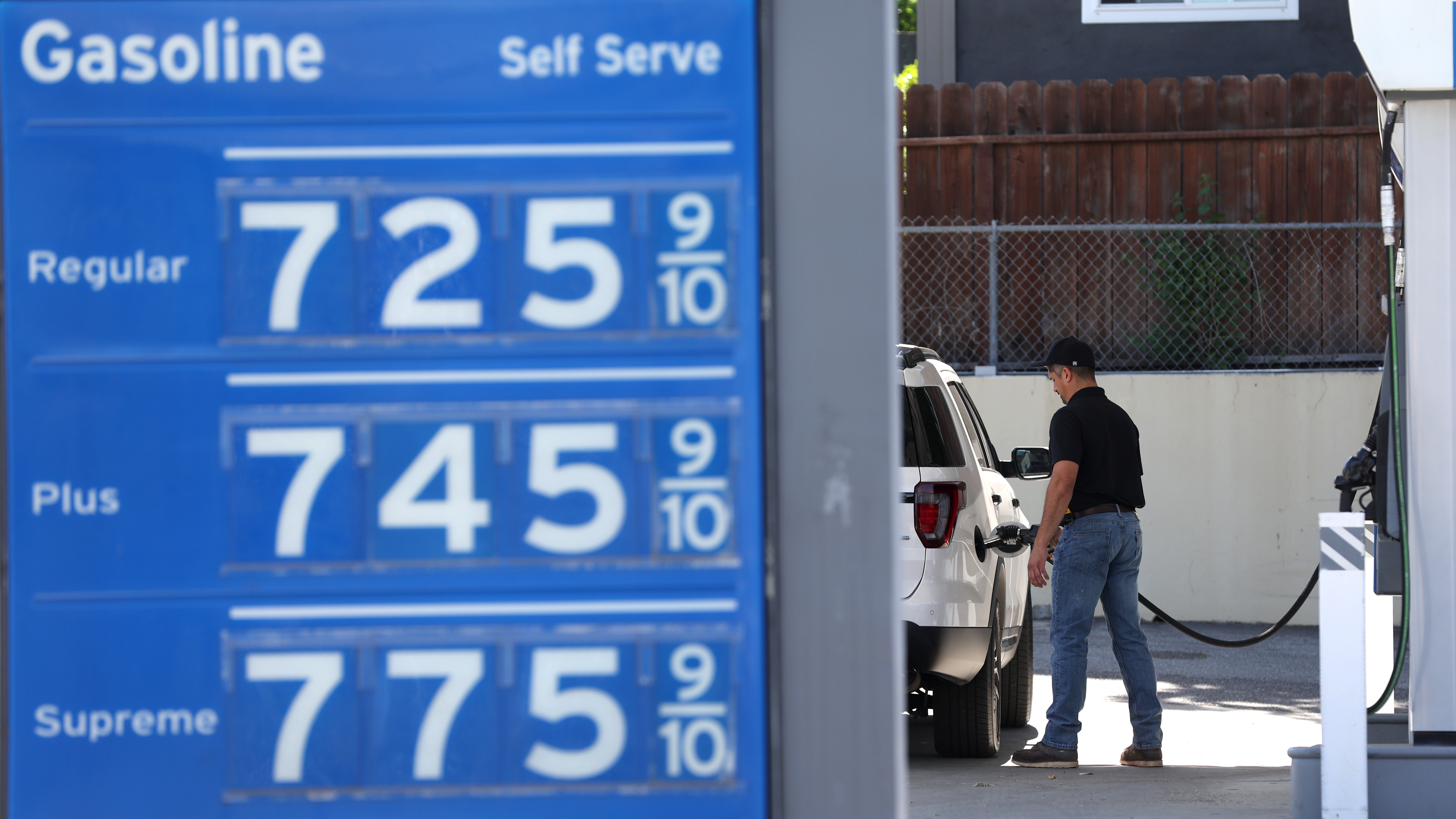
The cost of a gallon of gas in California is consistently among the highest in the United States. This premium is attributed to a confluence of specific factors that differentiate the state from others.
State and Federal Taxes
One of the most significant contributors to the higher price is the substantial amount of taxes levied on gasoline. California has some of the highest state excise taxes on motor fuel in the nation. These taxes are used to fund infrastructure projects, including road maintenance, public transportation, and other transportation-related initiatives. In addition to state taxes, federal excise taxes also apply, further increasing the per-gallon cost. These taxes are fixed per gallon, meaning their impact on the total price is more pronounced when the base price of gasoline is lower.
Environmental Regulations and Fuel Standards
California boasts some of the most stringent environmental regulations in the country, particularly concerning air quality. To meet these standards, refiners are required to produce unique, cleaner-burning gasoline blends that are specifically formulated for the state’s climate and air quality requirements. These specialized blends are more expensive to produce than standard formulations used elsewhere. The California Air Resources Board (CARB) mandates these specifications, which include lower sulfur content and specific volatility characteristics to reduce smog-forming emissions. This regulatory environment adds to the refining costs, which are ultimately passed on to consumers.
Refinery Operations and Supply Chain
The state’s refinery infrastructure plays a critical role in pricing. California relies heavily on its in-state refineries to supply its unique fuel blends. Any disruptions to refinery operations, whether due to scheduled maintenance, unexpected outages, or natural disasters like earthquakes or wildfires, can significantly impact supply and drive up prices. The state’s geographic isolation from major pipeline networks that supply gasoline to other parts of the country also means that California is more vulnerable to supply shocks. When a refinery goes offline, it can take time to bring additional supply into the state, often from international sources, which can be more costly.
Global Crude Oil Prices
Like all regions, California’s gasoline prices are fundamentally tied to the global price of crude oil. Crude oil is the primary component of gasoline, and its price is determined by a multitude of international factors, including geopolitical events, supply and demand dynamics in major oil-producing countries, and the strength of the U.S. dollar. Fluctuations in the global crude oil market can quickly translate into changes at the pump, even if local factors remain constant. When crude oil prices surge, the cost of refined gasoline inevitably follows suit.
Seasonal Demand and Consumer Behavior
Demand for gasoline also fluctuates throughout the year. During the summer months, increased travel for vacations and recreational activities leads to a surge in demand, which can push prices higher. Conversely, demand tends to decrease in the fall and winter, potentially leading to a slight dip in prices, although this effect is often overshadowed by other influencing factors. Consumer behavior, such as panic buying during anticipated shortages or price spikes, can also create temporary demand surges that exacerbate price increases.
Tracking Gas Prices in California
Given the volatility, staying informed about current gas prices is essential for travelers. Fortunately, several resources are available to help monitor these fluctuations.
Online Resources and Apps
Numerous websites and mobile applications are dedicated to tracking real-time gasoline prices. These platforms aggregate data from gas stations across the state, allowing users to compare prices in specific cities or regions. Popular options include:
- GasBuddy: This widely used app and website provides real-time gas price information, user-submitted reports, and price maps. It allows users to search for the cheapest gas near their current location or along a specific route.
- Google Maps: While not solely dedicated to gas prices, Google Maps often displays current gas prices when users search for gas stations.
- AAA (American Automobile Association): AAA publishes daily and weekly fuel price reports, often providing national and state averages. Their website also offers historical price data.
Regional Variations Within California
It’s important to note that gas prices can vary significantly even within California. Generally, you might find higher prices in:

- Major metropolitan areas: Cities like Los Angeles and San Francisco often have higher prices due to higher demand and local taxes or fees.
- Remote or less populated areas: While counterintuitive, sometimes prices can be higher in isolated regions due to increased transportation costs for fuel delivery.
- Coastal versus inland areas: Prices can sometimes differ between coastal communities and inland towns.
Conversely, prices might be slightly lower in:
- Certain Central Valley communities: Some areas in the Central Valley may offer more competitive prices.
- Areas with higher competition among gas stations: Locations with a greater density of gas stations might see more price wars.
Budgeting for Gas on Your California Trip
When planning a trip to or within California, factoring in the cost of gasoline is a non-negotiable aspect of your budget.
Estimating Fuel Consumption
To estimate your fuel needs, you’ll need to know:
- Your vehicle’s average fuel economy (MPG): This can usually be found in your car’s manual or estimated from previous driving experiences.
- The total distance of your trip: Use mapping tools to calculate the mileage for your intended routes.
- Current gas prices: Use the resources mentioned earlier to get an up-to-date average price for the areas you’ll be traveling through.
Formula:
- Gallons needed = Total distance / MPG
- Estimated fuel cost = Gallons needed * Average price per gallon
For instance, if you plan to drive 1,000 miles in a car that gets 25 MPG, you’ll need approximately 40 gallons of gas (1000 / 25). If the average price in California is $4.50 per gallon, your estimated fuel cost would be $180 (40 * 4.50). It’s always wise to add a buffer for unexpected detours or increased driving.
Tips for Saving Money on Gas
While California’s gas prices are high, there are strategies travelers can employ to mitigate costs:
- Utilize gas price apps: Before filling up, check an app like GasBuddy to find the station with the lowest price in your vicinity.
- Drive efficiently: Avoid rapid acceleration and hard braking. Maintaining a steady speed, especially on highways, significantly improves fuel economy.
- Keep your vehicle maintained: Properly inflated tires and a well-maintained engine can improve MPG.
- Plan your routes: Combine errands to minimize driving distances. If you’re visiting attractions like Disneyland or the Golden Gate Bridge, try to group nearby activities to reduce unnecessary travel.
- Consider alternative transportation: For exploring dense urban areas like San Francisco, relying on public transportation like BART or Muni, or using ride-sharing services, might be more economical than driving and parking.
- Look for gas station loyalty programs: Some gas station chains offer loyalty cards or apps that provide discounts or rewards on fuel purchases.
- Fill up strategically: If you’re driving from a lower-cost region into California, consider filling your tank before crossing the border. Similarly, if you’re driving out of California, filling up just before you leave can save money.
California’s Fueling Future
The conversation around gasoline prices in California is deeply intertwined with the state’s ambitious environmental goals. As California continues to push for cleaner air and a reduction in greenhouse gas emissions, policies affecting fuel production, consumption, and the promotion of electric vehicles are constantly evolving.
The Rise of Electric Vehicles (EVs)
California is a national leader in the adoption of electric vehicles. The state offers significant incentives, including rebates and tax credits, to encourage consumers to switch from internal combustion engine vehicles to EVs. As more drivers transition to electric power, the demand for gasoline is expected to decrease over the long term, which could eventually influence fuel prices. The infrastructure for EV charging is also expanding, making EVs a more practical option for many residents and visitors.
Evolving Fuel Standards and Alternative Fuels
Beyond gasoline, California is at the forefront of exploring and implementing alternative fuels. This includes research and development into hydrogen fuel cells and advanced biofuels. While these technologies are still in their early stages of widespread adoption, they represent potential future alternatives that could shift the landscape of transportation energy.
The Ongoing Impact on Travelers
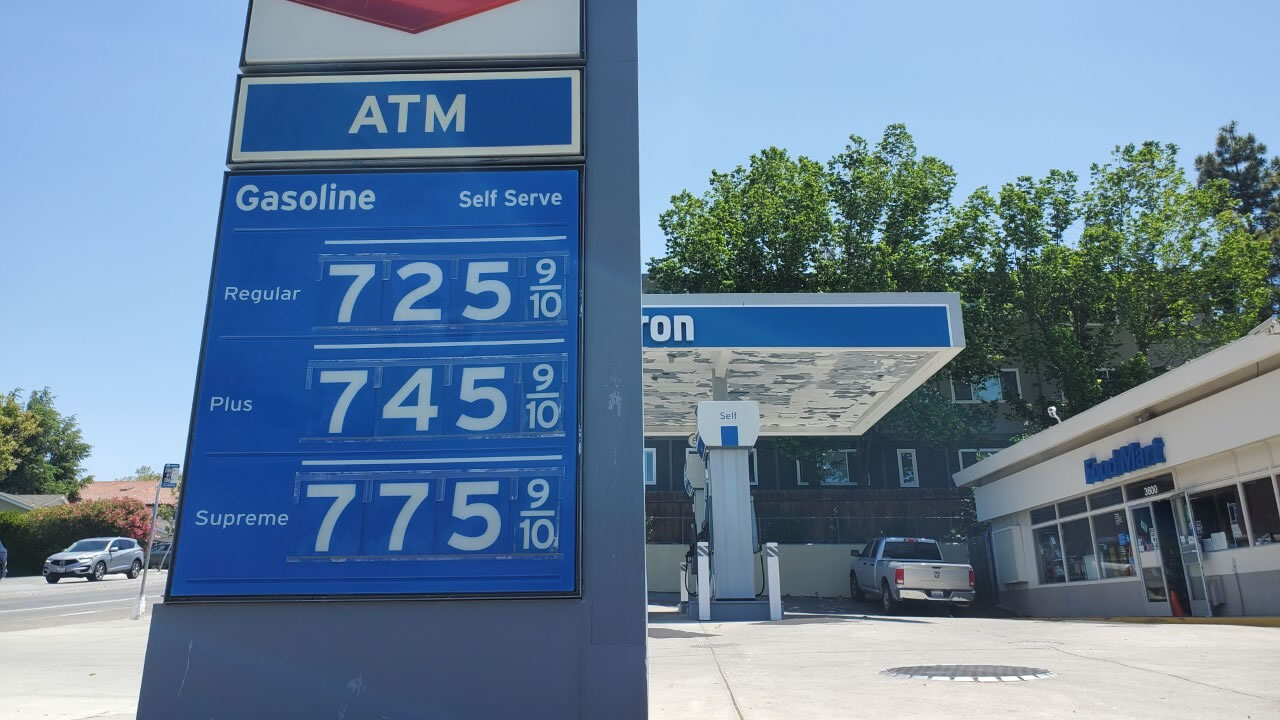
For the foreseeable future, gasoline will remain a significant expense for travelers in California. Understanding the factors that influence its price, utilizing available resources to track costs, and employing smart budgeting and driving strategies are key to navigating the Golden State’s roads without breaking the bank. Whether you’re embarking on a road trip to see the majestic redwoods of Redwood National Park, exploring the vibrant streets of Los Angeles, or enjoying the scenic beauty of the Pacific Coast Highway, being informed about gas prices will empower you to make the most of your California adventure.
LifeOutOfTheBox is a participant in the Amazon Services LLC Associates Program, an affiliate advertising program designed to provide a means for sites to earn advertising fees by advertising and linking to Amazon.com. Amazon, the Amazon logo, AmazonSupply, and the AmazonSupply logo are trademarks of Amazon.com, Inc. or its affiliates. As an Amazon Associate we earn affiliate commissions from qualifying purchases.