
California, a state renowned for its diverse landscapes and vibrant economy, also presents a unique and often complex housing market. For those considering or currently residing in mobile homes, understanding the cost of land rent is a critical aspect of budgeting and long-term planning. This article delves into the average mobile home land rent in California for 2023, exploring the factors that influence these costs and providing insights for prospective and current residents.
Understanding Mobile Home Land Rent
Mobile home land rent, often referred to as “lot rent,” is a recurring fee paid by a mobile home owner to the owner of the land on which their home is situated. This arrangement is common in mobile home parks or communities where individuals own their manufactured homes but lease the space (the lot) from the park owner. Unlike owning a traditional house on its own land, mobile home owners in these communities do not own the ground beneath their homes, thus necessitating the payment of land rent.

This model is distinct from purchasing a manufactured home in a subdivision where the lot is also owned outright. In mobile home parks, the land rent typically covers the use of the space, access to community amenities, and often basic utilities like water, sewer, and trash collection, although this can vary significantly. It’s crucial for potential residents to carefully review their lease agreements to understand precisely what is included in the monthly land rent.
The significance of understanding land rent averages lies in its substantial impact on the overall cost of living for mobile home residents. While the initial purchase price of a manufactured home might be lower than that of a site-built home, the ongoing land rent can become a significant monthly expense. For many, particularly retirees or those on fixed incomes, this cost can be a deciding factor in choosing a location or even remaining in their current home. Therefore, accurate and up-to-date information on land rent is indispensable for financial planning.
Key Components of Land Rent
- Lot Usage: The primary component of land rent is the right to occupy a specific plot of land within the mobile home park.
- Amenities: Many parks offer shared amenities that are factored into the rent. These can include clubhouses, swimming pools, recreational facilities, laundry rooms, and organized community events.
- Utilities: While not always included, land rent often incorporates the cost of essential utilities such as water, sewer, and trash removal. Electricity and natural gas are typically metered and paid for separately by the resident.
- Maintenance: The park owner is generally responsible for maintaining common areas, roads within the park, and sometimes the landscaping of individual lots.
Average Mobile Home Land Rent in California 2023
California’s housing market is notoriously expensive, and this trend extends to mobile home land rent. In 2023, the average monthly land rent for a mobile home in California typically ranged from $800 to $1,500 per month. However, this is a broad average, and actual costs can fluctuate significantly based on several critical factors. Some areas, particularly in prime coastal regions or sought-after metropolitan areas, can see rents exceeding $2,000 per month, while more rural or less developed parts of the state might offer lower rates.
The sheer size and economic diversity of California contribute to this wide range. For instance, land rent in areas near Los Angeles or San Francisco will almost invariably be higher than in more inland or northern counties. This disparity underscores the importance of researching specific locations rather than relying solely on statewide averages.
Regional Variations
The geographical location within California is arguably the most influential factor determining land rent costs.
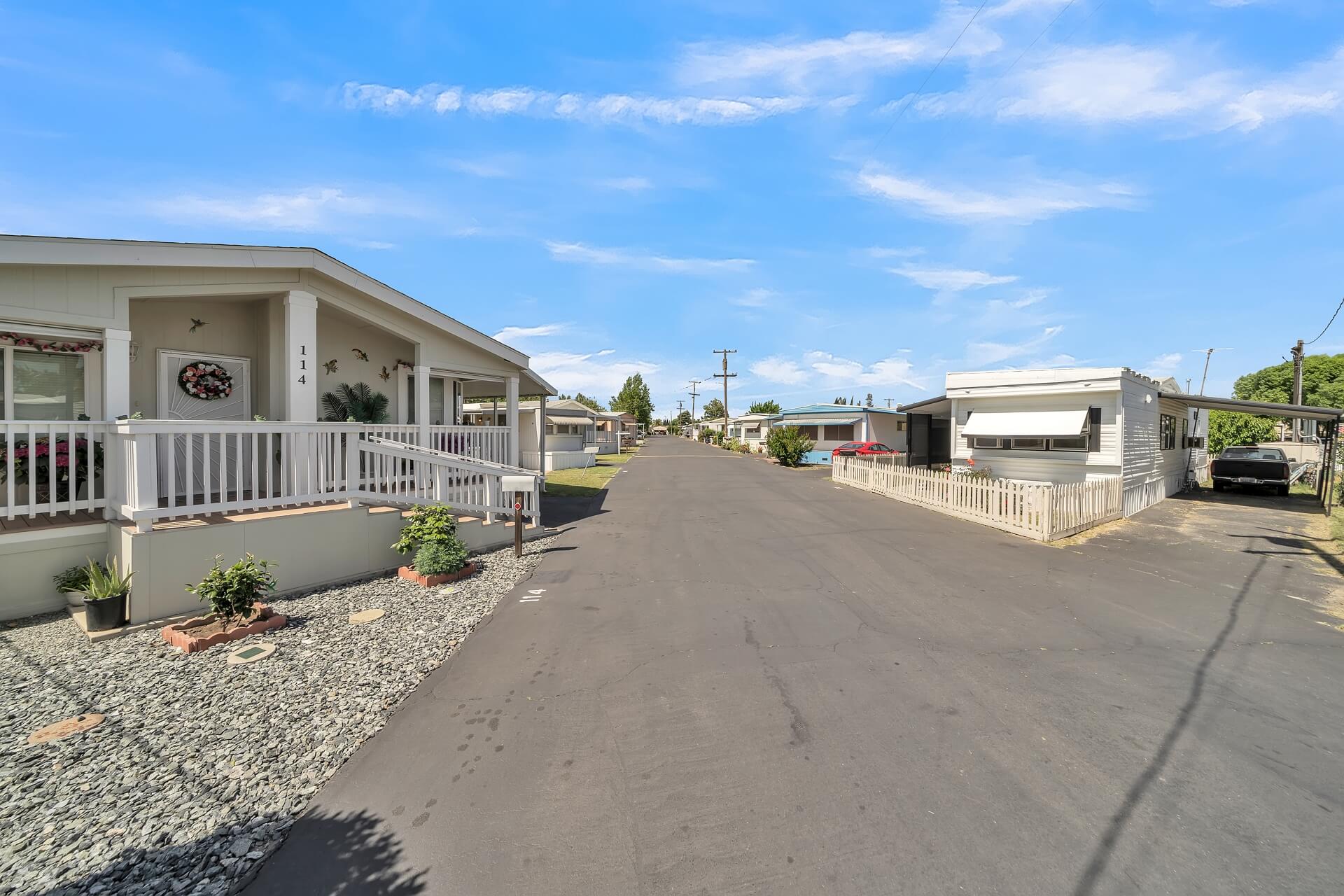
- Southern California: Regions like Orange County, San Diego County, and parts of Los Angeles County often command the highest land rents. Proximity to desirable amenities, job centers, and a generally higher cost of living contribute to these elevated prices. It’s not uncommon to find rents in the $1,200 to $2,000+ range in many established parks in these areas.
- Central Coast: Areas along the California coast, such as parts of Santa Barbara or Monterey County, also experience high land rent, driven by their scenic beauty and desirable climate. Rents here can frequently be found between $1,000 and $1,800 per month.
- Northern California: While generally less expensive than Southern California, prime locations in the San Francisco Bay Area can still present high land rent figures, sometimes mirroring those in the south. Other parts of Northern California, especially more rural or inland counties like those in the Sacramento Valley or further north, tend to offer more affordable options, with averages potentially falling between $700 and $1,200 per month.
- Inland Empire and Central Valley: These regions, including areas around Riverside, San Bernardino, and cities within the Central Valley, often present a more moderate cost of living, and consequently, mobile home land rents may be lower, typically ranging from $700 to $1,300 per month.
Factors Influencing Land Rent
Beyond geographical location, several other elements play a crucial role in determining the monthly land rent.
- Park Amenities and Quality: Mobile home parks that offer extensive and well-maintained amenities, such as swimming pools, fitness centers, dog parks, community gardens, and social activities, will naturally charge higher rents. The perceived quality of the park’s infrastructure, landscaping, and security also contributes to pricing. A well-managed park with attractive features can justify a higher lot rent.
- Age and Condition of the Park: Newer or recently renovated parks, or those that have undergone significant upgrades, often reflect these investments in their rental rates. Conversely, older parks that have not been updated may offer lower rents, though this can sometimes be offset by the need for more resident-led upkeep.
- Proximity to Services and Transportation: Parks located near major employment centers, shopping districts, public transportation hubs, or desirable attractions tend to have higher land rents. Convenience and accessibility are valuable commodities.
- Lease Terms and Rent Control: The specific terms of the lease agreement are paramount. Some leases might include provisions for annual rent increases, often tied to an index like the Consumer Price Index (CPI). California has also seen increasing discussion and some implementation of rent control measures for mobile home parks, which can cap the rate at which land rent can be increased annually. The presence or absence of such protections significantly impacts long-term affordability.
- Ownership Model: The type of entity owning the mobile home park can also influence pricing. Parks owned by large corporations may have different pricing strategies compared to those owned by smaller, local operators or, increasingly, by resident-owned cooperatives, which aim to stabilize costs for residents.
Navigating Mobile Home Land Rent in California
For prospective mobile home buyers in California, thorough due diligence is essential. This involves not only inspecting the manufactured home itself but also carefully evaluating the mobile home park and its associated land rent.
Due Diligence for Buyers
- Review the Lease Agreement: This is the single most important step. Understand every clause related to rent, rent increases, utility charges, rules and regulations, and the duration of the lease. Pay close attention to any clauses regarding termination or sale of the home.
- Inquire About Rent History: Ask the park management or current residents about the history of rent increases. How frequently has the rent increased, and by how much? This can provide insight into future affordability.
- Assess Park Amenities and Condition: Visit the park at different times of the day and week to get a true feel for its atmosphere, cleanliness, and the functionality of its amenities. Talk to current residents to gather their perspectives on living in the park and their experience with the management.
- Understand Utility Costs: Clarify which utilities are included in the rent and which are separate. Obtain an estimate of typical monthly costs for utilities not covered by the land rent.
- Research Local Regulations: Familiarize yourself with any local or state regulations regarding mobile home parks and rent control that may apply. California has specific laws protecting mobile home park residents.
Tips for Current Residents
- Stay Informed About Rent Increases: Be aware of when and how rent increases are communicated. Understand your rights regarding notice periods and any applicable rent control provisions.
- Participate in Resident Associations: If a resident association exists, join it. These groups can be powerful advocates for residents, negotiating with park management and staying informed about park issues.
- Budget Effectively: Factor in potential annual rent increases when creating your personal budget. Having a financial buffer can help mitigate the impact of unexpected cost rises.
- Maintain Your Home: Keeping your manufactured home in good condition not only ensures your comfort but can also be a requirement of your lease agreement and may influence the park’s overall appeal and, indirectly, rent levels.
The Future of Mobile Home Land Rent in California
The landscape of mobile home living in California is continuously evolving. Concerns about housing affordability have put a spotlight on manufactured housing as a potentially more accessible option. However, the rising cost of land, even for mobile home parks, continues to put upward pressure on land rents.
Legislative efforts aimed at providing greater stability and protection for mobile home park residents are ongoing. These may include stronger rent control measures, provisions to facilitate resident ownership of parks, and enhanced disclosure requirements. As the state grapples with its housing crisis, the role and affordability of mobile home communities will remain a significant topic of discussion and policy development.
For individuals looking at mobile home living in California in 2023 and beyond, a detailed understanding of land rent dynamics, thorough research into specific locations and parks, and careful review of lease agreements are not just advisable—they are essential for making informed and sustainable housing choices. While the average figures provide a general guideline, the true cost is a mosaic of regional influences, park-specific features, and the nuances of individual lease contracts.
LifeOutOfTheBox is a participant in the Amazon Services LLC Associates Program, an affiliate advertising program designed to provide a means for sites to earn advertising fees by advertising and linking to Amazon.com. Amazon, the Amazon logo, AmazonSupply, and the AmazonSupply logo are trademarks of Amazon.com, Inc. or its affiliates. As an Amazon Associate we earn affiliate commissions from qualifying purchases.