
The dream of a high-speed rail network connecting the vast expanse of California has captivated imaginations for decades. Promising to revolutionize travel, reduce carbon emissions, and stimulate economic growth, the California High-Speed Rail project is undeniably ambitious. However, as with many megaprojects of this magnitude, its progress has been a subject of intense scrutiny and evolving timelines. Understanding the current state of completion requires a deep dive into the various phases, challenges, and achievements of this monumental undertaking.
The Vision and the Present Reality
The overarching goal of the California High-Speed Rail Authority (HSRA) is to create a system capable of transporting passengers at speeds exceeding 200 miles per hour between San Francisco and Los Angeles, with extensions planned to San Diego and potentially further north to Sacramento. This would effectively shrink travel times between the state’s major urban centers, offering a sustainable and efficient alternative to air and car travel.
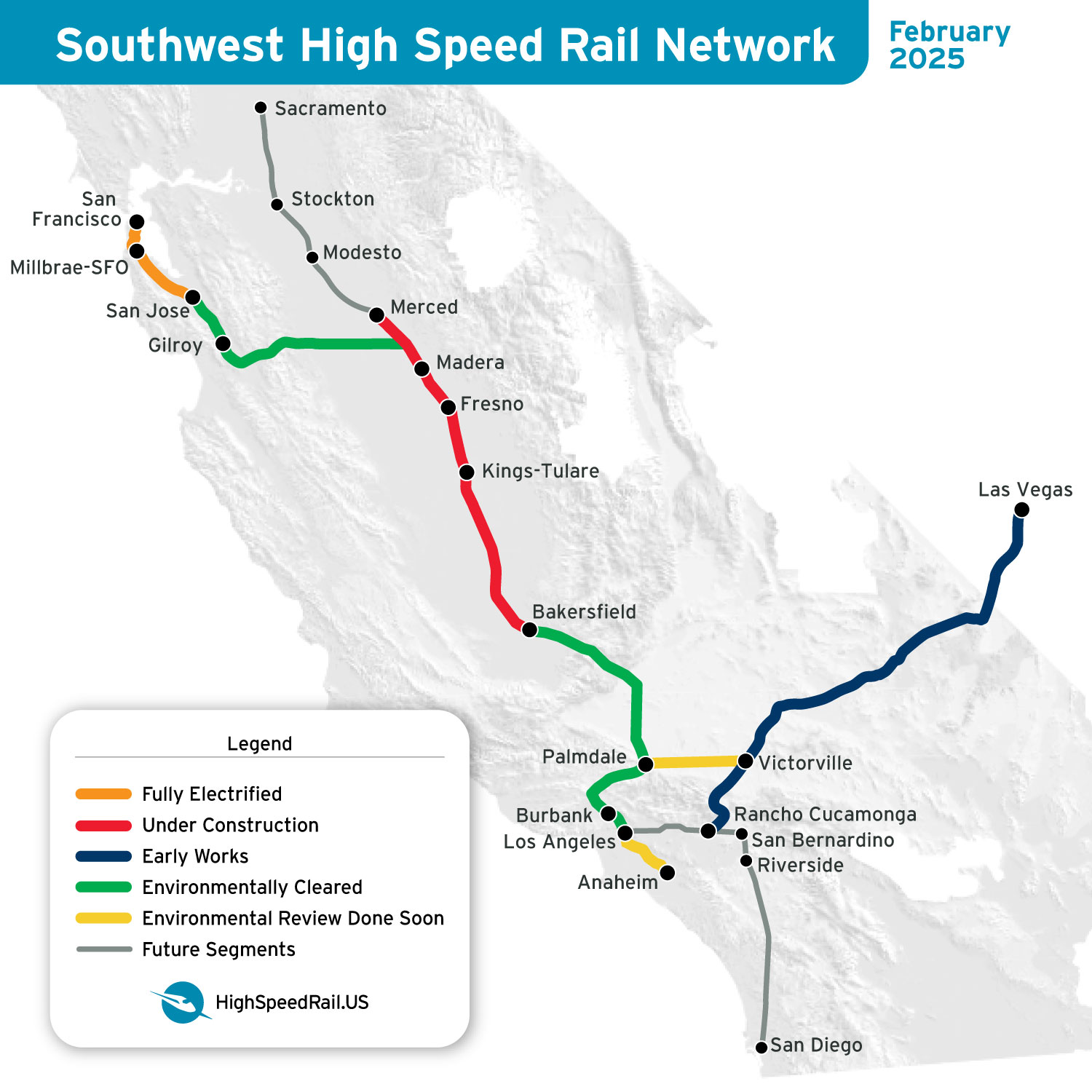
Currently, the most tangible progress is concentrated in the Central Valley, a crucial and challenging segment of the overall network. This initial phase, often referred to as the “Phase 1” segment, stretches approximately 119 miles from near Bakersfield to near Merced. While this might seem like a relatively small portion of the total planned route, its completion is foundational, serving as the backbone for future expansion.
Construction Milestones in the Central Valley
The construction in the Central Valley involves a complex array of engineering feats. This includes the erection of numerous bridges, viaducts, and tunnels, as well as the laying of tracks and the installation of essential power and signaling systems. The terrain in the Central Valley presents unique challenges, including agricultural land, river crossings, and seismic considerations, all of which require meticulous planning and execution.
As of recent reports, a significant portion of this Central Valley segment is either under construction or nearing completion. This includes the foundational civil infrastructure. The HSRA has reported that substantial progress has been made on the trackway, with large sections of the elevated guideway now in place. Moreover, the construction of stations within this segment is also progressing, designed to integrate with local transportation networks.
The significance of this Central Valley construction cannot be overstated. It is the first operational segment of the high-speed rail system and will serve as a crucial testing ground for the technology and operational procedures before the full network is realized. Its completion is essential for demonstrating the viability of the project and for securing further funding and public support.
Funding and Challenges
The journey of the California High-Speed Rail has been fraught with financial hurdles and political complexities. Initially funded through a voter-approved bond measure in 2008, the project has faced escalating costs and has relied on a combination of federal grants, state funding, and private investment. Securing consistent and adequate funding has been an ongoing challenge, leading to adjustments in the project’s scope and phasing.
Political will has also been a fluctuating factor. While the project has strong proponents, it has also faced opposition, leading to legal battles and legislative debates that have impacted its progress and financing. The intricate web of environmental reviews, land acquisition, and stakeholder negotiations further adds to the complexity and timeline of such a large-scale infrastructure project.
The Path Forward: Connecting the Corridors
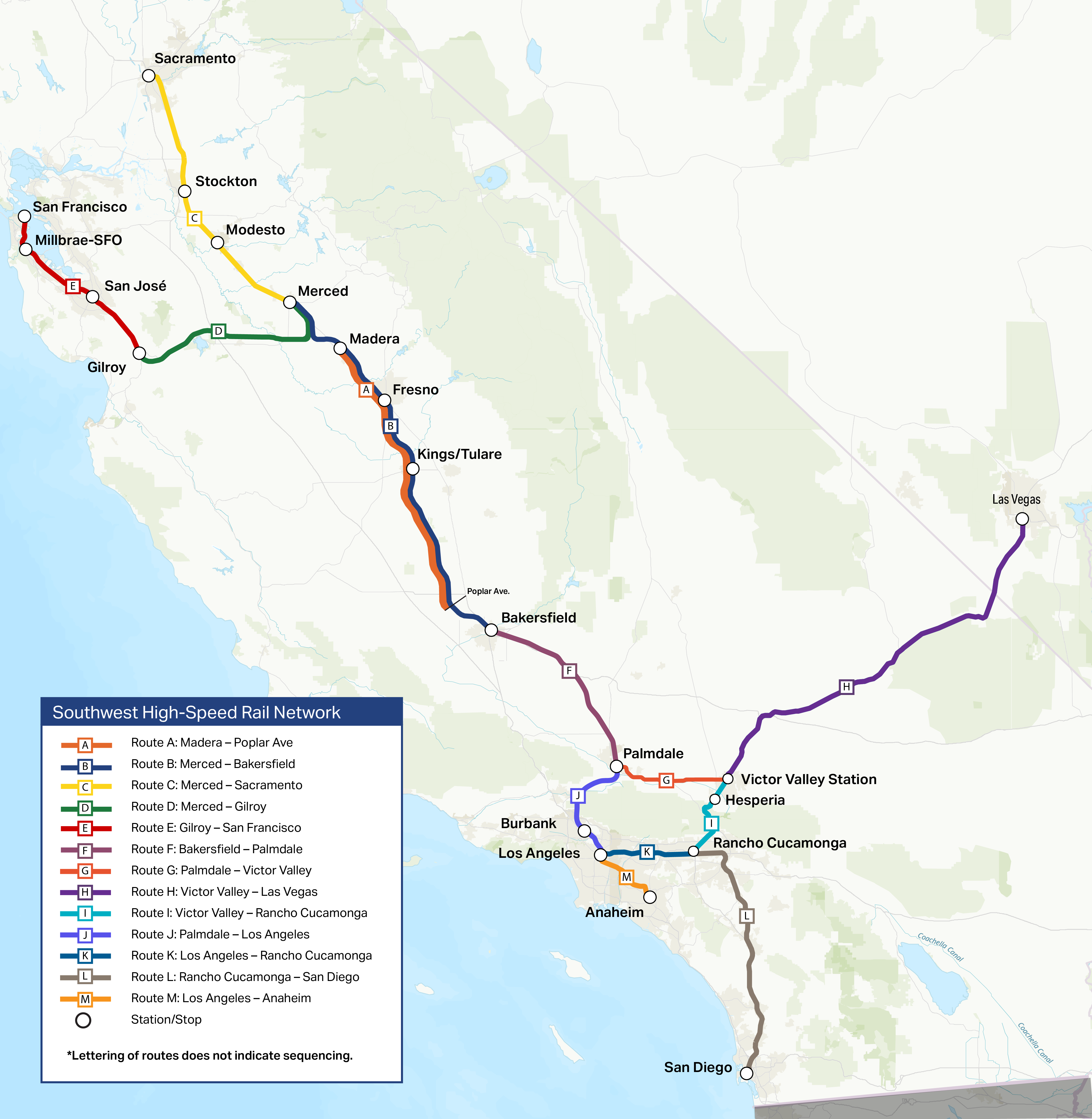
Beyond the Central Valley segment, the HSRA is actively pursuing plans to connect this initial phase to the major metropolitan areas of Los Angeles and San Francisco. These “blended” segments aim to utilize existing rail corridors where possible, integrating high-speed rail tracks with conventional commuter lines to reduce costs and construction impact.
The challenges in these urban areas are distinct and arguably more complex than those in the Central Valley. In Southern California, the route involves navigating densely populated areas, existing infrastructure, and significant environmental considerations. Similarly, in the San Francisco Bay Area, the project faces steep terrain, urban density, and the need to connect to existing transit hubs like the Transbay Transit Center.
While physical construction on the Northern and Southern California corridors is not as advanced as in the Central Valley, planning, environmental reviews, and initial acquisition of right-of-way are ongoing. These efforts are critical to laying the groundwork for future construction phases.
Progress Metrics: What Does “Complete” Mean?
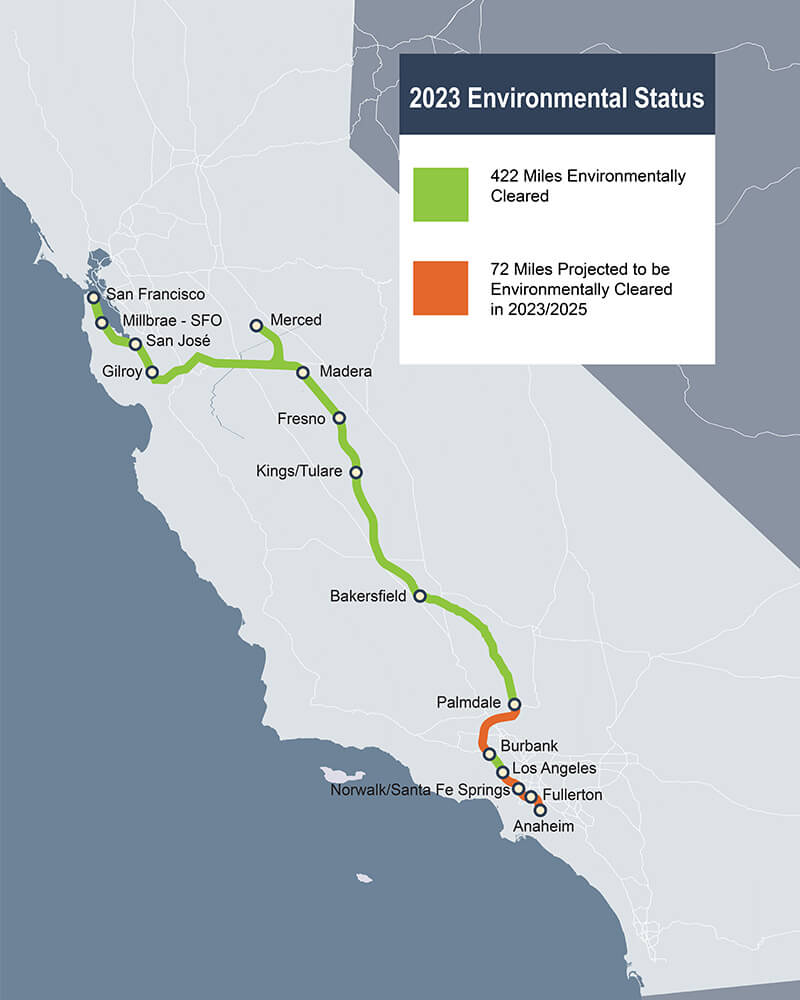
Defining “completion” for a project of this scale is multifaceted. It’s not a single, definitive endpoint but rather a series of milestones. Currently, the most accurate assessment of completion centers on the operational readiness of the Central Valley segment. This involves not just the physical track and structures but also the complex systems required for safe and efficient high-speed operation.
Infrastructure Development
The core infrastructure development in the Central Valley, including the guideway, stations, and essential support facilities, represents the most significant portion of the project’s current completion. This phase focuses on the physical construction that will form the backbone of the future system.
System Integration and Testing
Beyond the physical structures, a substantial amount of work remains in integrating all the necessary systems. This includes the signaling and communications networks, the power supply, and the rolling stock (the trains themselves). Testing and commissioning these integrated systems are critical steps that will occur once major construction is finalized. This phase is crucial for ensuring safety and performance standards are met.
Future Phases and Interconnectivity
The overall completion of the California High-Speed Rail project will be measured by its ability to connect the major population centers. The completion of the Central Valley segment is a vital step, but the true realization of the vision depends on the successful development and integration of the routes connecting to Los Angeles and San Francisco, and eventually, other key Californian cities.
Estimated Timelines and Future Outlook
The timelines for the California High-Speed Rail have been subject to numerous revisions due to the complexities of funding, engineering, and political factors. Early projections have proven optimistic, and current estimates indicate a phased approach to opening operational segments.
The initial operational segment in the Central Valley is anticipated to open for service in the coming years, though the exact date has been a moving target. This segment will provide a valuable operational experience and a tangible demonstration of the system’s capabilities.
The full build-out of the San Francisco to Los Angeles corridor is a longer-term endeavor, with full operational service not expected for at least another decade, and potentially longer. This extended timeline reflects the immense engineering and financial challenges associated with constructing through some of the state’s most challenging terrains and densely populated urban areas.
Impact on Travel and Tourism
Once operational, the California High-Speed Rail promises to dramatically alter travel patterns within the state. For tourists, it could unlock new ways to explore California, enabling seamless journeys between iconic cities and reducing the reliance on rental cars or short-haul flights. Imagine traveling from the bustling streets of Los Angeles to the cultural heart of San Francisco in a fraction of the current time, all while enjoying scenic views and a reduced carbon footprint.
This high-speed connection could revitalize interest in day trips and weekend getaways to destinations that are currently perceived as too time-consuming to reach. It could foster a more integrated tourism experience across the state, allowing travelers to easily visit diverse attractions, from the wineries of the Napa Valley to the beaches of Southern California.
Economic and Environmental Benefits
The completion of the high-speed rail network is expected to yield significant economic benefits, including job creation during construction and operation, as well as spurring development around new stations. Environmentally, the shift from cars and planes to electric-powered trains is a crucial step in California’s efforts to combat climate change and reduce greenhouse gas emissions. The sustainability aspect of the project is a key driver for its continued development.
In conclusion, while the California High-Speed Rail project is far from fully complete in terms of its ultimate vision, substantial progress has been made, particularly in the foundational Central Valley segment. The ongoing work represents a significant investment in the future of transportation and a commitment to a more connected, sustainable, and economically vibrant California. The journey is complex and challenging, but the potential rewards for travel and the state as a whole are immense.
LifeOutOfTheBox is a participant in the Amazon Services LLC Associates Program, an affiliate advertising program designed to provide a means for sites to earn advertising fees by advertising and linking to Amazon.com. Amazon, the Amazon logo, AmazonSupply, and the AmazonSupply logo are trademarks of Amazon.com, Inc. or its affiliates. As an Amazon Associate we earn affiliate commissions from qualifying purchases.