
Navigating the complexities of the legal system can be daunting, particularly when considering initiating a civil lawsuit. This guide provides a comprehensive overview of the process for filing a civil suit in California, offering clarity and practical steps for individuals seeking to resolve disputes through the courts. Understanding the fundamental stages, from initial preparation to potential trial, is crucial for a successful outcome.
Pre-Filing Considerations and Preparation
Before embarking on the formal legal journey, thorough preparation is paramount. This phase involves assessing the viability of your case, understanding the relevant statutes of limitations, and gathering all necessary evidence.

Case Assessment and Viability
The first critical step is to determine if your situation warrants a civil lawsuit. This involves identifying a legally recognized wrong, known as a cause of action, and assessing whether you have sufficient evidence to support your claim. Common causes of action include breach of contract, personal injury, property disputes, and negligence. Consulting with an attorney is highly recommended at this stage to objectively evaluate the strengths and weaknesses of your case and to understand the potential costs and benefits of litigation. An attorney can also advise on alternative dispute resolution methods, such as mediation or arbitration, which may offer more efficient and less adversarial resolutions.
Statutes of Limitations
Every legal claim in California is subject to a time limit within which it must be filed, known as the statute of limitations. If you fail to file your lawsuit within this prescribed period, you may permanently lose your right to sue. These deadlines vary significantly depending on the type of claim. For instance, personal injury claims typically have a two-year statute of limitations from the date of the injury, while breach of contract claims can range from two to four years, depending on whether the contract is written or oral. It is imperative to research and understand the specific statute of limitations applicable to your situation. Missing these deadlines is a common and often irreparable mistake.
Evidence Gathering
Compiling all relevant evidence is a foundational element of a strong civil suit. This includes documents, photographs, videos, witness statements, and any other materials that support your claims. For contract disputes, this would involve copies of the contract, correspondence related to the agreement, and proof of performance or non-performance. In personal injury cases, evidence may include medical records, accident reports, photos of the injury and scene, and witness testimonies. Organizing this evidence meticulously will not only aid your attorney in building your case but will also be essential for presenting it to the court.
Initiating the Lawsuit: The Complaint
The formal commencement of a civil lawsuit in California begins with the filing of a document called a “Complaint.” This document outlines the basis of your legal action and the relief you seek from the court.
Drafting the Complaint
The Complaint is a formal legal document that must adhere to specific court rules and formats. It typically includes:
- Caption: This identifies the court, the names of the parties (Plaintiff and Defendant), and the case number (assigned upon filing).
- Introduction: Briefly states the nature of the action.
- Parties: Identifies the Plaintiff (the person or entity filing the suit) and the Defendant(s) (the person or entity being sued), including their legal status (e.g., individual, corporation).
- Jurisdiction and Venue: Establishes why the court has the authority to hear the case (jurisdiction) and why it is the appropriate location for the lawsuit (venue).
- Factual Allegations: This is the core of the Complaint, detailing the events that led to the dispute and outlining the Defendant’s alleged wrongdoing. Each factual allegation should be clear, concise, and numbered.
- Causes of Action: For each claim you are bringing, you must specify the legal basis (e.g., Breach of Contract, Negligence). Each cause of action will incorporate relevant factual allegations.
- Prayer for Relief: This section specifies what you are asking the court to order. This could include monetary damages, injunctions (court orders to do or refrain from doing something), or specific performance (requiring a party to fulfill a contractual obligation).
- Verification: In some cases, the Plaintiff may be required to sign the Complaint under penalty of perjury, attesting to the truthfulness of the allegations.
Filing the Complaint
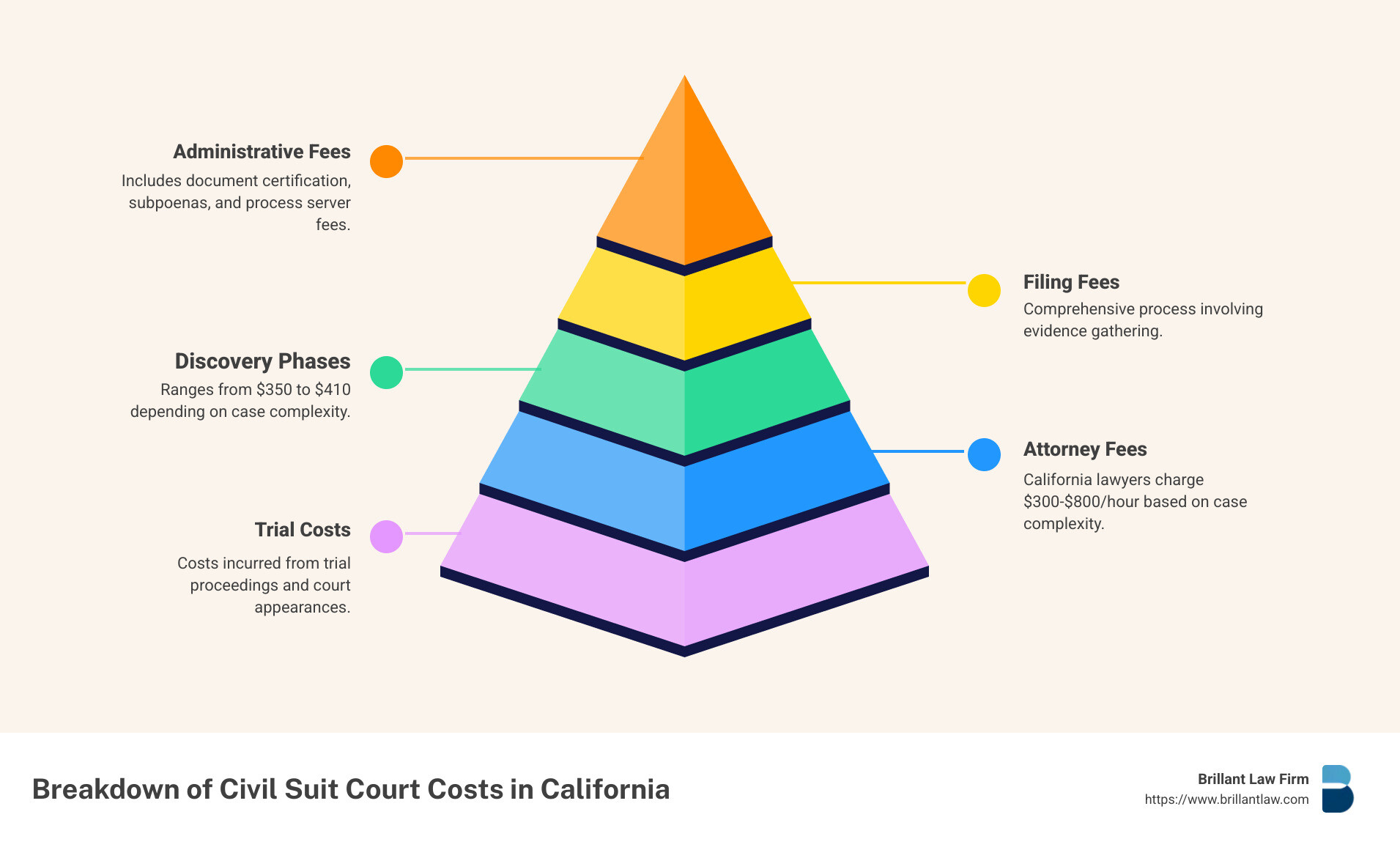
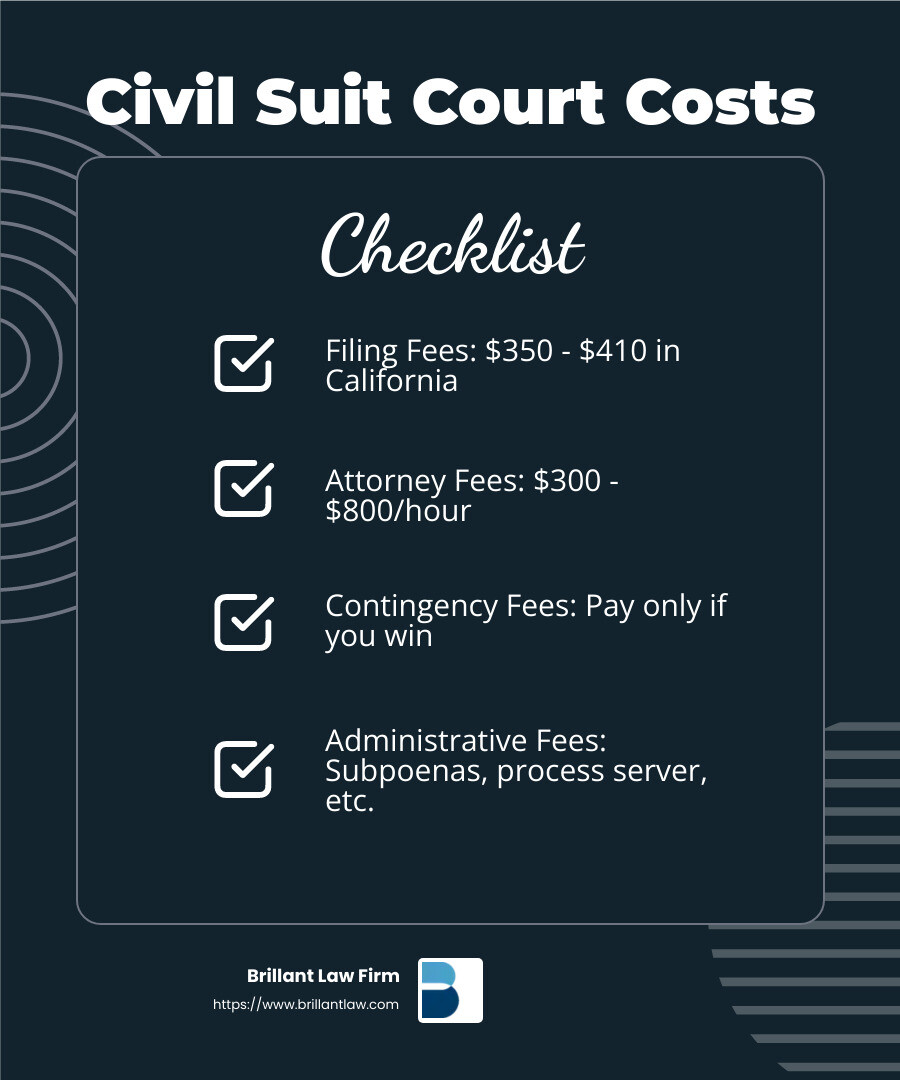
Once the Complaint is drafted and finalized, it must be filed with the appropriate court. In California, civil cases are generally filed in either Superior Courts (for most cases) or Federal District Courts (for cases involving federal law or disputes between residents of different states exceeding a certain monetary threshold). You will need to pay a filing fee at the time of submission. Fee waivers are available for individuals who demonstrate financial hardship. The court clerk will assign a case number and stamp the documents, officially initiating your lawsuit.
Service of Process
After filing the Complaint, the Defendant(s) must be formally notified of the lawsuit. This is accomplished through a process known as “service of process.” Generally, this involves delivering a copy of the Summons (a document issued by the court informing the defendant they are being sued) and the Complaint to the Defendant. Service must be performed by a neutral third party, such as a sheriff, a professional process server, or any adult who is not a party to the case. Proper service is critical; if the Defendant is not properly served, the court may dismiss your case. Proof of service must then be filed with the court.
Responding to the Complaint and Discovery
Once the Defendant has been served, they have a limited time to respond to the Complaint. This period also initiates the discovery phase, where both parties exchange information and evidence.
Defendant’s Response
The Defendant typically has 30 days after being served to file a response to the Complaint. This response can take several forms:
- Answer: The most common response, where the Defendant admits or denies each allegation in the Complaint and may assert affirmative defenses.
- Demurrer: A legal challenge arguing that even if the factual allegations in the Complaint are true, they do not state a valid legal claim.
- Motion to Strike: Asks the court to remove irrelevant or improper parts of the Complaint.
If the Defendant fails to respond within the allotted time, the Plaintiff may be able to request a “default judgment,” where the court rules in favor of the Plaintiff because the Defendant did not participate in the legal process.
The Discovery Process
Discovery is a crucial phase of litigation where parties obtain evidence from each other to prepare for trial. In California, common discovery methods include:
- Interrogatories: Written questions that must be answered under oath.
- Requests for Production of Documents: Demands for relevant documents, such as contracts, emails, financial records, and photographs.
- Depositions: Out-of-court testimony given under oath before a court reporter. This allows attorneys to question parties and witnesses directly.
- Requests for Admission: Written statements that the opposing party must admit or deny, which can help narrow down the issues in dispute.
The discovery process can be extensive and complex, often involving numerous exchanges and potentially court intervention if disputes arise over the scope or relevance of information requested.
Moving Towards Resolution: Motions, Settlement, and Trial
As the case progresses, several paths can lead to a resolution, including pre-trial motions, settlement negotiations, or a full trial.
Pre-Trial Motions
Throughout the litigation, parties may file various motions with the court. Some common pre-trial motions include:
- Motion for Summary Judgment: Argues that there are no genuine disputes of material fact and that the moving party is entitled to judgment as a matter of law, potentially resolving the case without a trial.
- Motion to Compel Discovery: Filed when a party fails to comply with discovery requests.
These motions aim to streamline the legal process and resolve certain issues before a trial.
Settlement Negotiations
A significant majority of civil lawsuits in California are resolved through settlement rather than a full trial. Settlement is a voluntary agreement between the parties to end the dispute, often involving a compromise of claims and payment of a certain amount. Attorneys frequently engage in negotiation, mediation (with the assistance of a neutral third party), or arbitration (a more formal process with a decision-maker) to reach a settlement. A well-negotiated settlement can save time, reduce costs, and provide a more predictable outcome than a trial.
Trial
If a settlement cannot be reached, the case will proceed to trial. Trials in California can be before a judge (bench trial) or a jury (jury trial). The process typically involves:
- Jury Selection (if applicable): Potential jurors are questioned to ensure impartiality.
- Opening Statements: Attorneys for each side present an overview of their case.
- Presentation of Evidence: Witnesses are called, and exhibits are presented.
- Closing Arguments: Attorneys summarize the evidence and argue their case.
- Jury Deliberation and Verdict (if applicable): The jury discusses the evidence and reaches a verdict.
- Judgment: The judge issues a final decision based on the verdict or their own findings.
After the trial, either party may have the option to appeal the decision to a higher court if they believe there were legal errors made during the proceedings. Understanding the intricacies of filing a civil suit in California is a complex undertaking, but with careful preparation, adherence to legal procedures, and appropriate legal counsel, individuals can effectively pursue their rights within the justice system.
LifeOutOfTheBox is a participant in the Amazon Services LLC Associates Program, an affiliate advertising program designed to provide a means for sites to earn advertising fees by advertising and linking to Amazon.com. Amazon, the Amazon logo, AmazonSupply, and the AmazonSupply logo are trademarks of Amazon.com, Inc. or its affiliates. As an Amazon Associate we earn affiliate commissions from qualifying purchases.