
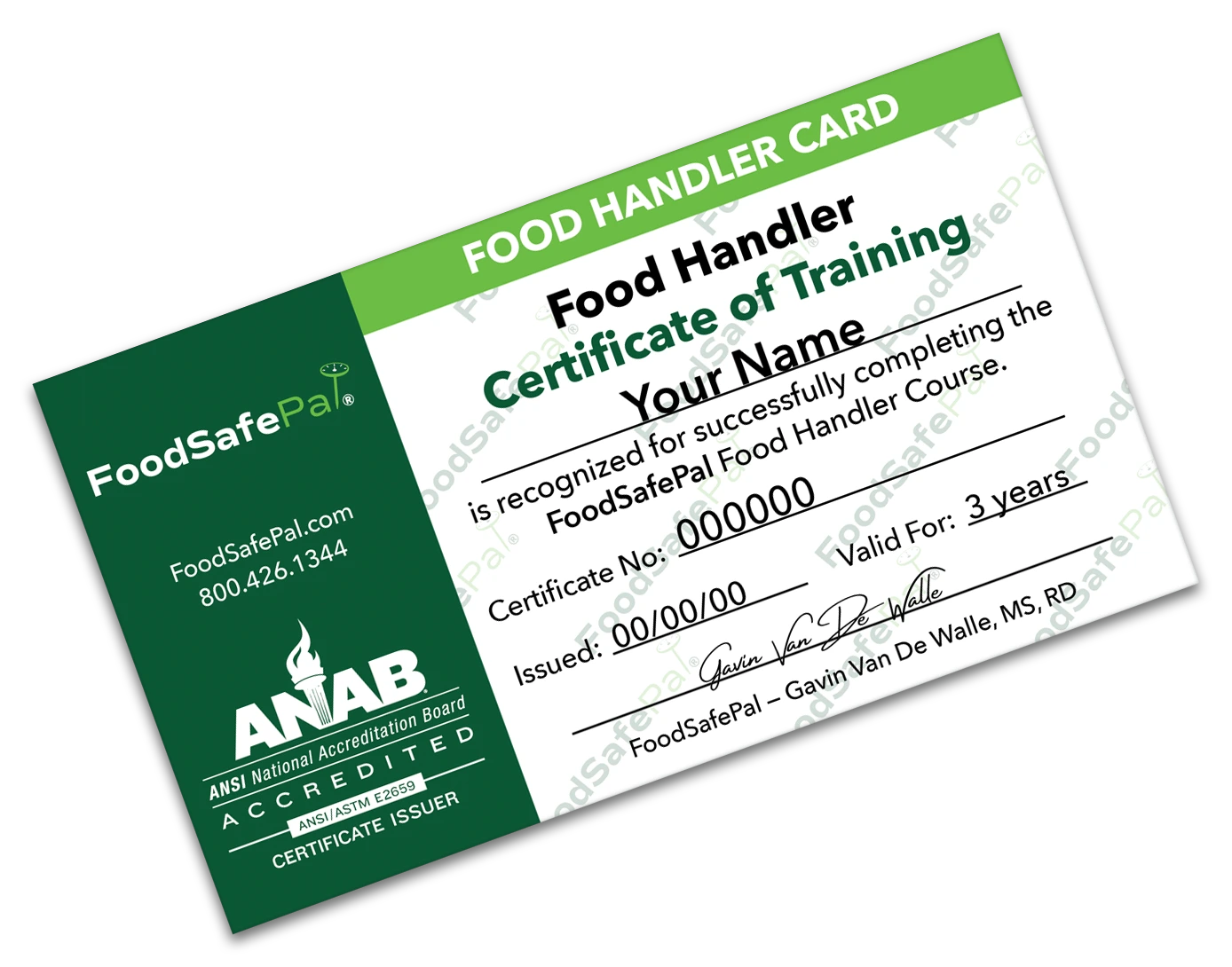
Navigating the requirements for working with food in the Golden State is a crucial step for many aspiring culinary professionals and service industry employees. A food handler’s card, often referred to as a food safety card or certificate, is a mandatory credential in California for individuals who handle, prepare, serve, or store food. This card signifies that the holder has successfully completed a basic food safety training program, demonstrating an understanding of essential practices to prevent foodborne illnesses. For those looking to enter or advance within California’s vibrant food scene, from the bustling kitchens of Los Angeles to the wineries of Napa Valley, obtaining this card is a straightforward yet essential process. This guide will walk you through the steps, requirements, and nuances of acquiring your California food handler’s card.
Understanding the California Food Handler Card Requirement
The requirement for a food handler’s card in California is established by state law and enforced by local health departments. The primary objective is to ensure a higher standard of food safety across all establishments where food is prepared and served to the public. This proactive measure aims to significantly reduce the incidence of foodborne illnesses, protecting both consumers and businesses.
Who Needs a Food Handler’s Card?
The scope of individuals requiring this card is broad, encompassing anyone whose job duties involve direct food handling. This includes, but is not limited to:
- Restaurant Staff: Cooks, chefs, servers, bussers, hosts, bartenders, dishwashers.
- Food Service Workers: Employees in cafeterias, catering companies, food trucks, and delis.
- Retail Food Employees: Individuals working in grocery stores, convenience stores, and other retail environments where food is sold and handled.
- Temporary Event Staff: Those working at festivals, concerts, or other events where food is served.
- Volunteers: In certain situations, volunteers involved in food preparation or service may also be required to obtain a card.
The key determinant is whether your role involves interacting with food in a way that could potentially compromise its safety. This includes tasks such as tasting, cutting, preparing, cooking, serving, or storing food. Even roles that involve minor contact with food surfaces or utensils can fall under this umbrella. It is always best to err on the side of caution and obtain the card if your duties are even remotely related to food.
Benefits of Obtaining Your Card
Beyond the mandatory requirement, holding a California food handler’s card offers several advantages:
- Employment Opportunities: Many employers consider a valid food handler’s card a prerequisite for hiring, making it easier to secure employment in the food service industry.
- Demonstration of Responsibility: It shows a commitment to food safety and a willingness to adhere to industry standards.
- Reduced Risk: By understanding safe food handling practices, you contribute to a safer environment for customers and colleagues, reducing the likelihood of health code violations and potential liabilities for the establishment.
- Consistency: The standardized training ensures a baseline level of knowledge across all food handlers in the state.
The Process of Obtaining Your Food Handler’s Card
Acquiring a food handler’s card in California is a streamlined process that can typically be completed online, offering flexibility and convenience. The process involves selecting an approved training provider, completing the required course, passing an exam, and receiving your certificate.
Step 1: Choose an Approved Training Provider
The California Department of Public Health (CDPH) accredits various training providers that offer ANSI-accredited food handler training courses. It is crucial to select a provider that is recognized by the state to ensure your card will be considered valid. Many reputable online providers offer comprehensive courses designed to meet the California requirements.
When choosing a provider, consider the following:
- Accreditation: Verify that the provider is ANSI-accredited. This is a non-negotiable requirement for California.
- Cost: Prices can vary between providers, but generally range from $10 to $30.
- Language Options: Ensure the course is available in a language you are comfortable with. While English is standard, some providers may offer Spanish or other language options.
- Accessibility: Opt for providers with user-friendly websites and mobile compatibility, allowing you to learn at your own pace and on any device.
- Customer Support: Look for providers that offer reliable customer support in case you encounter any issues.
Step 2: Complete the Food Safety Training Course
Once you have selected a provider, you will enroll in their online training program. These courses are typically self-paced and cover essential food safety topics, including:
- Foodborne Illnesses: Understanding the causes, symptoms, and prevention of common foodborne illnesses caused by bacteria, viruses, parasites, and toxins.
- Personal Hygiene: Proper handwashing techniques, when to wash hands, wearing gloves, and maintaining clean clothing and personal habits.
- Time and Temperature Control: The “danger zone” for bacterial growth, safe cooking temperatures, holding temperatures for hot and cold foods, and proper cooling and reheating procedures.
- Cross-Contamination: Preventing the spread of pathogens from raw foods to ready-to-eat foods, and the importance of separate storage and preparation areas.
- Cleaning and Sanitizing: Proper procedures for cleaning and sanitizing food contact surfaces, equipment, and utensils.
- Pest Control: Identifying and preventing pest infestations in food establishments.
- Allergen Awareness: Recognizing common food allergens and preventing cross-contact.
The courses are designed to be informative and engaging, often incorporating videos, interactive quizzes, and real-world examples. You can typically complete the course in a few hours, depending on your pace and prior knowledge.
Step 3: Pass the Food Handler’s Exam
Upon completion of the training module, you will be required to take an exam to assess your understanding of the material. The exam typically consists of multiple-choice questions. To pass, you will generally need to achieve a score of 70% or higher. Most providers allow you to retake the exam free of charge if you do not pass on the first attempt.
The exam is designed to confirm that you have grasped the critical concepts of food safety and are prepared to apply them in a professional setting. It is important to pay close attention during the training to ensure you are well-prepared for the assessment.
Step 4: Receive and Maintain Your Food Handler’s Card
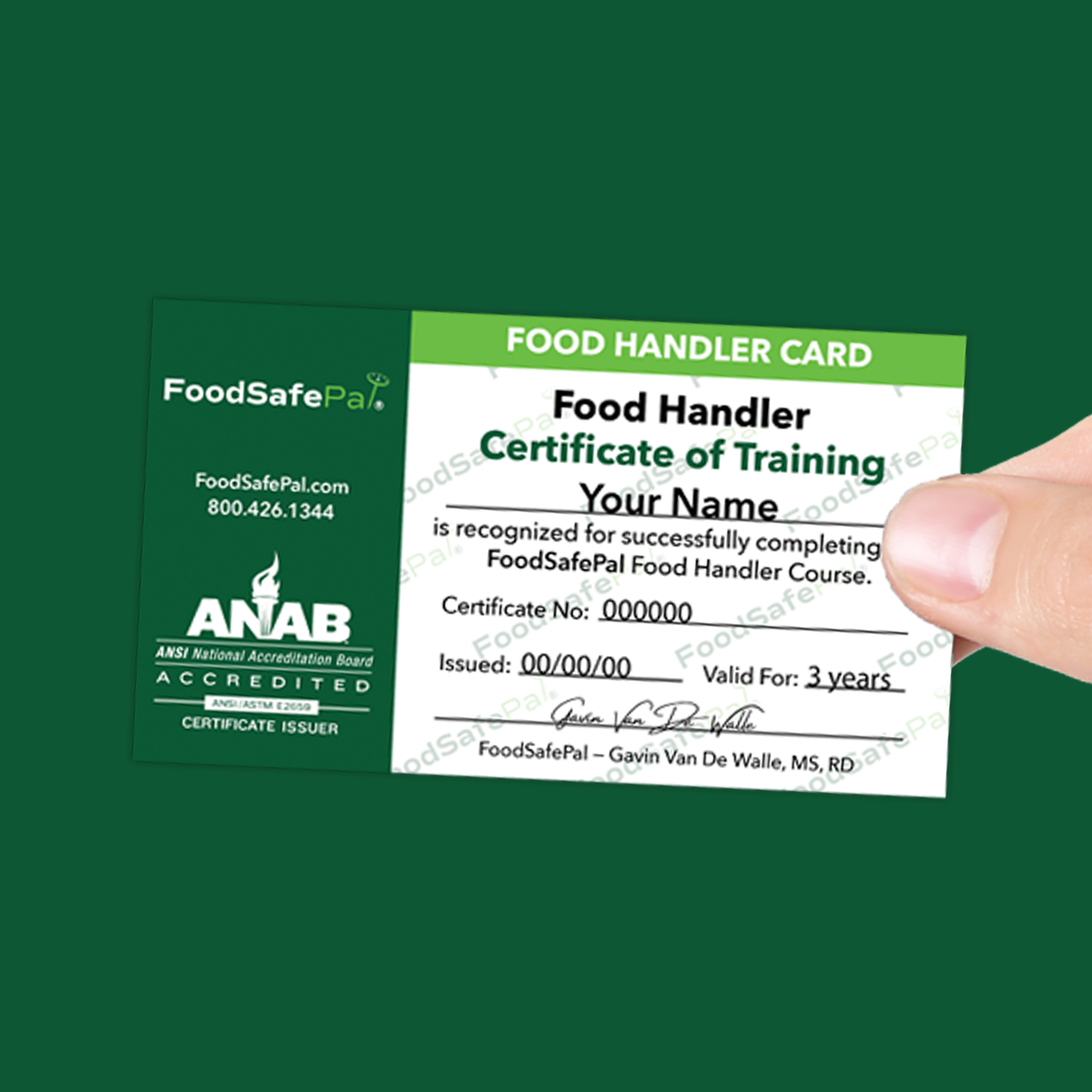
Upon successfully passing the exam, you will be able to download and print your official California food handler’s card or certificate. Many providers will also email a digital copy to you. It is essential to print a physical copy for your employer and keep a digital backup for your records.
Important Note on Local Requirements: While the state mandates the food handler’s card, some California counties may have specific additional requirements or may not recognize cards from all providers. For instance, some counties may require you to take their specific local health department course, or require a manager’s certification for supervisors. Always check with your local county health department if you have any doubts about the validity of your card in your specific jurisdiction. However, for the vast majority of California, an ANSI-accredited card obtained from a reputable online provider is sufficient.
Validity and Renewal
The California food handler’s card is valid for three years from the date of issuance. After this period, you will need to retake the training course and pass the exam to renew your card. Employers are responsible for ensuring their employees’ cards are current, but it is ultimately the individual’s responsibility to stay up-to-date.
What Happens if Your Card Expires?
If your food handler’s card expires, you are no longer considered compliant with California state law. This can lead to employment termination or disciplinary action by your employer. It is crucial to keep track of your card’s expiration date and initiate the renewal process well in advance.
Renewal Process
The renewal process is identical to obtaining your initial card:
- Select an Approved Provider: Choose any ANSI-accredited training provider.
- Complete the Training Course: Review the food safety principles.
- Pass the Exam: Demonstrate your knowledge by passing the assessment.
- Receive Your New Card: Download and print your renewed food handler’s card.
Renewing your card is an excellent opportunity to refresh your knowledge of food safety practices, as regulations and best practices can evolve over time.
Common Questions and Tips
Can I get a food handler’s card without taking a course?
No. A California food handler’s card must be obtained by completing an approved training course and passing an exam. This ensures that individuals have received proper instruction in food safety principles.
How long does the training take?
The training courses are designed to be completed at your own pace but typically take between 1 to 3 hours. The actual time can vary depending on the provider and your familiarity with the subject matter.
Are there any exceptions to the rule?
There are very few exceptions. Certain employees who hold a valid Food Protection Manager Certification (e.g., from the ServSafe program) might be exempt from the food handler’s card requirement. However, this is often dependent on local health department regulations. If you hold such a certification, it is advisable to confirm its acceptance with your employer and the local health authority.
What if I work in multiple counties?
If you work in a California county that requires a specific local training or has unique regulations, you may need to comply with those specific rules in addition to, or instead of, the standard state card. However, a valid, state-approved food handler’s card is generally recognized statewide.

Tips for Success:
- Read Carefully: Pay close attention to all information presented in the training modules.
- Take Notes: Jot down key points and terms to help you remember them for the exam.
- Practice Quizzes: If the provider offers practice quizzes, use them to gauge your readiness for the final exam.
- Understand, Don’t Just Memorize: Focus on understanding the “why” behind each food safety rule, as this will make the information more practical and easier to recall.
- Keep Records: Store your food handler’s card in a safe place and note its expiration date.
Obtaining a California food handler’s card is a fundamental step for anyone entering the food service industry in the state. By following these steps, you can efficiently acquire this essential credential and contribute to a safer and healthier California dining experience. Whether you’re aiming for a position at a Michelin-starred restaurant in San Francisco or a casual eatery along the coast, your food handler’s card is your gateway to a rewarding career in the culinary world.
LifeOutOfTheBox is a participant in the Amazon Services LLC Associates Program, an affiliate advertising program designed to provide a means for sites to earn advertising fees by advertising and linking to Amazon.com. Amazon, the Amazon logo, AmazonSupply, and the AmazonSupply logo are trademarks of Amazon.com, Inc. or its affiliates. As an Amazon Associate we earn affiliate commissions from qualifying purchases.