
Obtaining a California Identification Card (ID card) is a straightforward process designed to provide official, state-issued identification for residents who do not possess a driver’s license. This essential document serves a multitude of purposes, from proving age for purchases and entry to establishments, to facilitating banking transactions and accessing various services. For tourists and temporary visitors to the Golden State, understanding the requirements and procedures for obtaining a California ID card can be particularly useful, especially if they intend to stay for an extended period or engage in activities that require age verification. While the primary focus of this guide is on the general process, we will touch upon aspects relevant to those visiting from outside California.
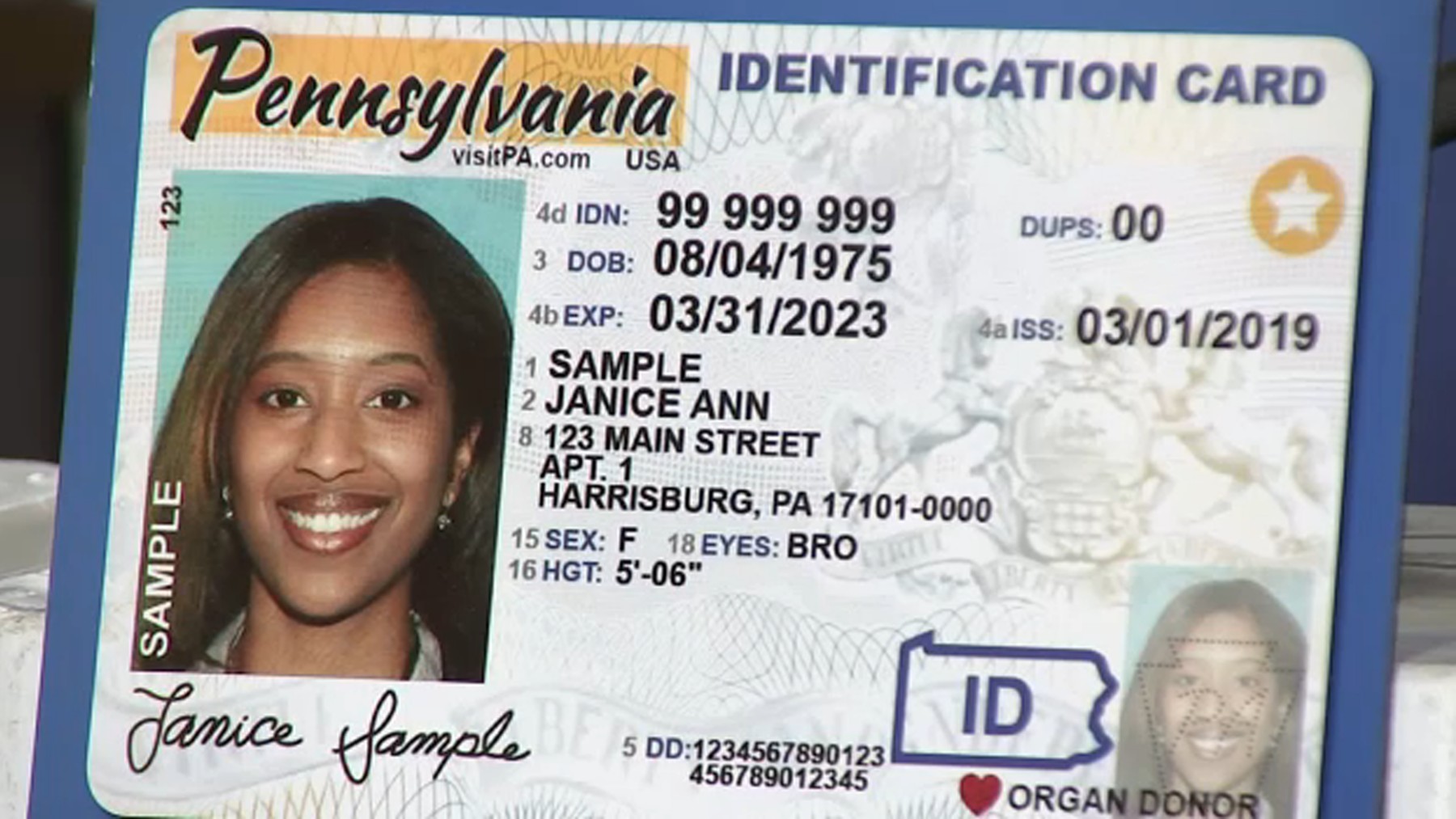
The California Identification Card is issued by the Department of Motor Vehicles (DMV), the same agency responsible for driver’s licenses. It is a valid form of identification recognized throughout the United States. The process emphasizes verifying identity, residency, and legal presence within the state.
Eligibility Requirements for a California ID Card
To be eligible for a California ID card, applicants must meet specific criteria designed to ensure the integrity of the identification system. These requirements are crucial for both residents and those visiting from abroad.
Residency and Legal Presence
The primary requirement is establishing legal presence in the United States and residency within California. For most applicants, this means providing documentation that proves they are lawfully present in the U.S. and that they currently reside in California.
- Proof of Lawful Presence: This can include documents such as a U.S. birth certificate, a U.S. passport, a Certificate of Naturalization, a Certificate of Citizenship, or an Employment Authorization Document (EAD). For non-U.S. citizens, valid immigration documents like a Permanent Resident Card, a valid foreign passport with a valid U.S. visa and I-94 form, or other relevant immigration statuses are required. The DMV website provides an exhaustive list of acceptable documents.
- Proof of Residency: Applicants must demonstrate that they live in California. This typically involves presenting at least two documents that show your current residential address. Examples include utility bills (gas, electric, water), rental agreements or leases, mortgage statements, bank statements, or mail from a government agency. Documents must be recent, usually within the last 60-90 days, and clearly show your name and California address.
Age Requirements
There are no minimum age requirements to obtain a standard California ID card, although specific provisions exist for minors. Applicants under 16 years of age will need a parent or legal guardian to co-sign their application. For those under 18, the parent or guardian must present their own identification and proof of relationship.
Special Considerations for Visitors
For tourists or temporary visitors who may not be able to provide typical residency documents, the process might require alternative proofs. For instance, if a visitor is staying in a hotel long-term, a letter from the hotel management confirming their extended stay, along with other forms of identification, might be considered. However, the primary intention of the ID card is for residents, so extended visitors should consult the DMV directly regarding specific scenarios. It’s important to note that a California ID card does not grant the holder the right to drive or operate a motor vehicle in California.
Required Documentation for Application
Gathering the correct documentation is the most critical step in the application process. The DMV adheres to strict guidelines to prevent identity fraud, so having all necessary documents in order will streamline the experience.
Documents to Prove Identity and Date of Birth
You will need to present one primary document that proves your identity and date of birth. Accepted documents include:
- U.S. Birth Certificate: Must be an original or certified copy issued by a U.S. state, territory, or the District of Columbia.
- U.S. Passport: A valid, unexpired U.S. passport book or card.
- Foreign Passport: A valid foreign passport accompanied by a valid U.S. visa and an I-94 form (Arrival/Departure Record).
- Certificate of Naturalization (N-550, N-570, or N-578): Must be original.
- Certificate of Citizenship (N-560, N-561, or N-565): Must be original.
- Permanent Resident Card (I-551): Must be valid.
- Employment Authorization Document (EAD) (I-766): Must be valid.
If your name has changed from what appears on your primary document (e.g., due to marriage or divorce), you will need to provide legal documentation of the name change. This could include a marriage certificate, divorce decree, or a court order.
Documents to Prove Social Security Number (SSN)
You must also provide proof of your Social Security Number (SSN). This can be in the form of:
- Social Security Card: An original card is preferred.
- W-2 Form: Must show your full SSN.
- 1099 Form: Must show your full SSN.
- Paystub: Showing your full SSN.
If you do not have an SSN, you may be eligible for an ID card if you can provide proof of your ineligibility. The DMV will guide you through this process if applicable.
Documents to Prove California Residency
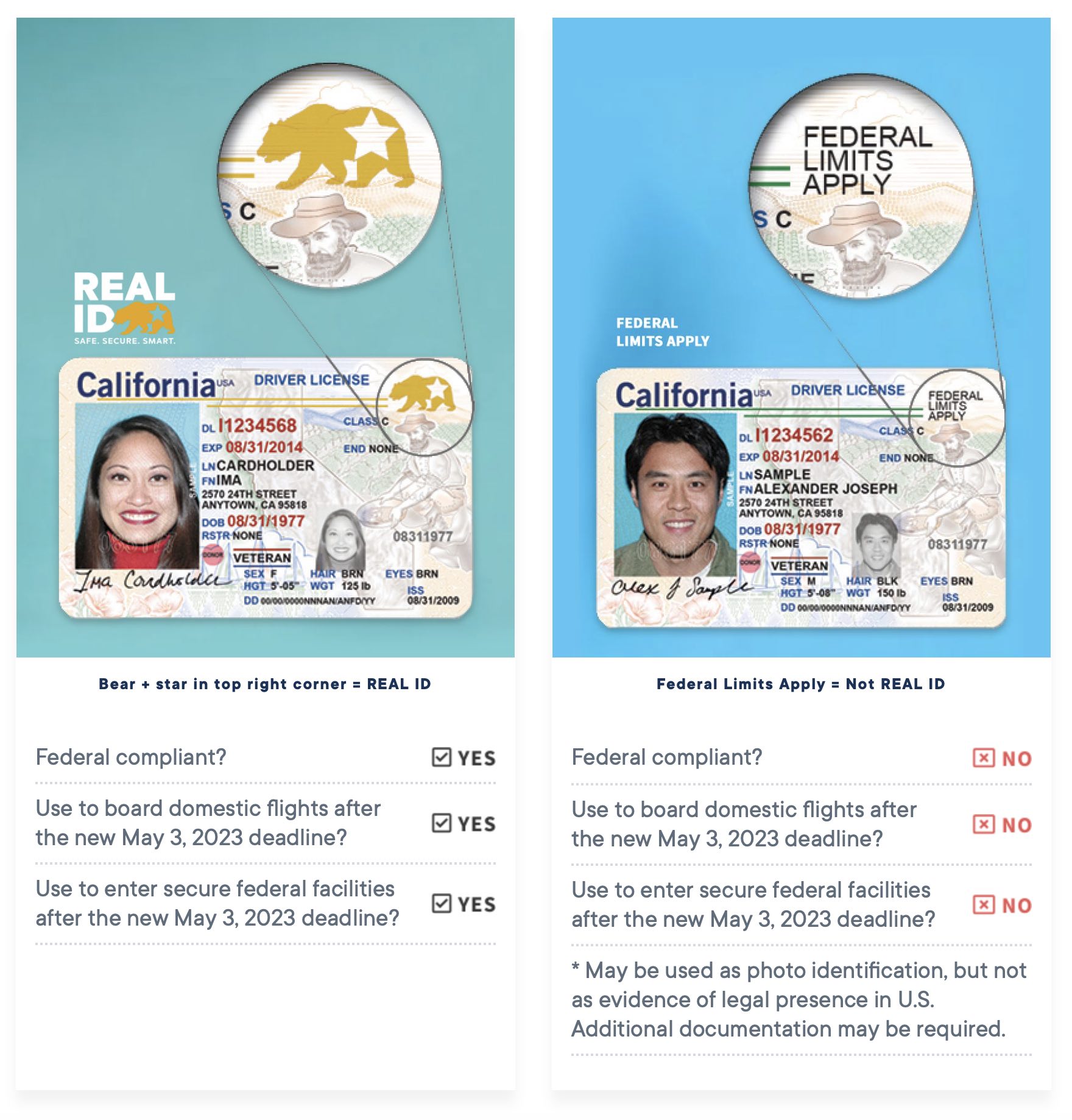
As mentioned earlier, you need at least two residency documents. These documents must be recent and display your full name and current California address. Acceptable documents include:
- Utility Bills: From the last 60-90 days (e.g., electric, gas, water, cable).
- Rental or Lease Agreements: Signed by the landlord and tenant.
- Mortgage Statements: From the last 60-90 days.
- Bank Statements: From the last 60-90 days.
- Pay Stubs: Showing your name and California address.
- Homeowners Insurance Policy or Bill.
- Property Tax Bill or Statement.
- Medical Documents: From a California healthcare provider or hospital.
- School Documents: Report cards, transcripts, or enrollment confirmations from a California school.
- Court Orders or Official Legal Documents.
The DMV recommends reviewing their official checklist of acceptable documents online before your appointment to ensure you bring everything required.
The Application Process: Step-by-Step
The application process for a California ID card involves several key stages, from gathering your documents to visiting a DMV office.
Step 1: Gather Your Documents
Carefully review the requirements and collect all necessary original documents, or certified copies where permitted. Ensure that your name and address are consistent across all documents. If you are a minor, ensure your parent or guardian is prepared to accompany you.
Step 2: Schedule an Appointment (Recommended)
While walk-ins are sometimes accepted, scheduling an appointment at a California Department of Motor Vehicles office is highly recommended. Appointments significantly reduce waiting times and ensure that you are seen efficiently. You can schedule an appointment online through the official DMV website.
Step 3: Visit the DMV Office
On the day of your appointment, arrive a few minutes early to allow time for parking and check-in. Bring all your gathered documents.
- Application Form: You will be asked to complete the Application for Identification Card (DL 44/eDL44). This form can often be pre-filled online before your appointment to save time.
- Document Verification: A DMV representative will review your documents to verify your identity, lawful presence, SSN, and residency. They will also check the validity of your immigration documents if applicable.
- Photograph: Your photograph will be taken. It’s advisable to dress neatly for your photo, as it will be printed on your ID card.
- Signature: You will be asked to provide your signature, which will also appear on your ID card.
- Fees: You will need to pay the required application fee. The fee amount can vary, so check the current fee schedule on the DMV website. Payment is typically accepted in cash, check, or money order.
Step 4: Receive Your Temporary ID
After completing the application and paying the fee, you will be issued a temporary paper ID card. This temporary card is valid for a specified period, usually 60-90 days, and is a legitimate form of identification until your permanent card arrives by mail.
Step 5: Receive Your Permanent ID Card by Mail
Your permanent, plastic California ID card will be mailed to the address you provided on your application. This process typically takes several weeks. If you do not receive your card within the expected timeframe, contact the DMV for assistance.
Special Considerations and Tips for a Smooth Process
Navigating the process of obtaining a California ID card can be made easier with a few strategic tips and an understanding of special circumstances.
For Minors and Dependents
If you are applying for an ID card for a child or dependent under 18, a parent or legal guardian must be present. The accompanying adult must present their own government-issued photo ID and proof of guardianship, such as a birth certificate listing them as the parent or a court order.
Renewal and Replacement
- Renewal: California ID cards are typically valid for five years. Renewal procedures are similar to the initial application, requiring updated residency documents if necessary and payment of the renewal fee. It is advisable to renew your ID card before it expires to avoid any issues with its validity.
- Replacement: If your ID card is lost, stolen, or damaged, you can apply for a replacement. The process is similar to the initial application, requiring proof of identity and residency, and payment of a replacement fee. You will need to report a lost or stolen card to the DMV as soon as possible.
Tips for Success
- Visit the Official DMV Website: The California Department of Motor Vehicles website is the definitive source for all information regarding identification cards, including required documents, fees, and office locations. Regularly check their site for any updates or changes to procedures.
- Prepare All Documents in Advance: Ensure all your documents are originals or certified copies, legible, and current. Mismatched information or expired documents can cause delays or necessitate a return visit.
- Be Truthful and Accurate: Provide accurate and truthful information on your application. Any discrepancies or falsifications can lead to denial of your application and potential legal consequences.
- Understand Document Validity: Pay close attention to the expiry dates on your documents, especially immigration documents and proof of residency.
- Consider an “AB 60” Driver’s License or ID Card: For individuals who are unable to provide proof of legal presence in the United States but can prove identity and residency in California, Assembly Bill 60 (AB 60) allows for the issuance of a driver’s license or ID card. The application process for an AB 60 ID card involves specific documentation requirements to prove identity and residency.
Obtaining a California Identification Card is a fundamental step for residents and even long-term visitors needing official identification. By understanding the eligibility criteria, diligently preparing the required documentation, and following the outlined application process, you can ensure a smooth and successful experience with the California Department of Motor Vehicles. This official identification card will serve as a reliable credential for various daily activities and interactions throughout the state.
LifeOutOfTheBox is a participant in the Amazon Services LLC Associates Program, an affiliate advertising program designed to provide a means for sites to earn advertising fees by advertising and linking to Amazon.com. Amazon, the Amazon logo, AmazonSupply, and the AmazonSupply logo are trademarks of Amazon.com, Inc. or its affiliates. As an Amazon Associate we earn affiliate commissions from qualifying purchases.